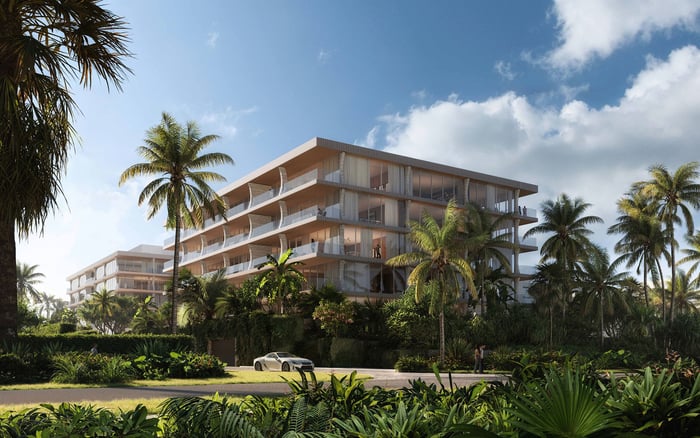
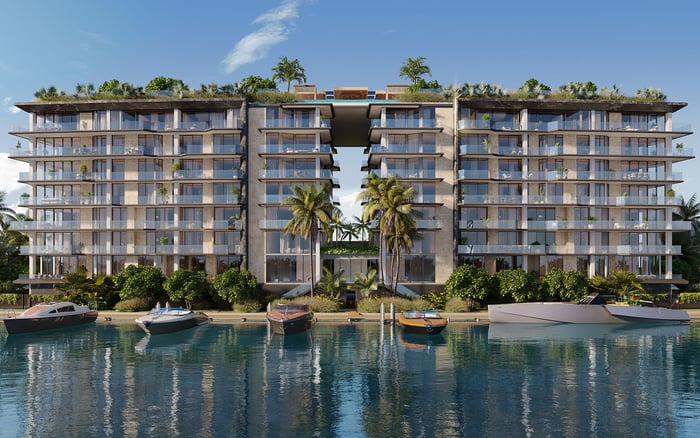
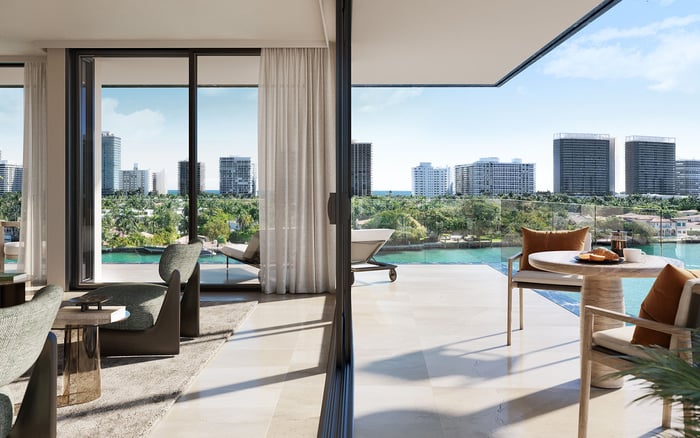
A buyer-oriented 2026 due-diligence guide for comparing balcony rules, outdoor-kitchen permissions, and terrace weather tolerance across Bay Harbor Towers, Bentley Residences Sunny Isles, and Turnberry Ocean Club Sunny Isles.
In South Florida’s upper tier of condominium buying, the terrace has become a private room in the sky. It is where breakfast moves outdoors, evening service feels effortless, and a residence proves whether its indoor elegance can withstand salt air, sun, wind, and daily use. Yet the smartest 2026 buyers are no longer treating balconies as simple extensions of the floor plan. They are asking a more disciplined question: what is actually permitted, durable, serviceable, and insurable in this outdoor space?
That lens matters when comparing Bay Harbor Towers with the Sunny Isles Beach vertical-luxury conversation around Bentley Residences Sunny Isles and Turnberry Ocean Club Sunny Isles. The names evoke distinct waterfront moods, from Bay Harbor Islands intimacy to oceanfront scale. But for a serious buyer, terrace elegance must be tested against association rules, building systems, exposure, and long-term maintenance.
Balcony rules are where lifestyle marketing meets the practical authority of condominium governance. Before assuming a terrace can accommodate planters, lounge furniture, heaters, grills, storage, decorative screens, lighting, or audio equipment, buyers should request the governing documents, architectural guidelines, alteration procedures, and any written policies specific to exterior areas.
The key issue is that many balcony surfaces look private but function as part of the larger building envelope. Railings, drains, waterproofing membranes, exterior finishes, and structural connections can be governed with far more precision than an interior living room. A resident may own, occupy, or exclusively use the space, but the building may still regulate what can be placed there, how it is attached, how it is cleaned, and whether it can remain outdoors during storm conditions.
For 2026 due diligence, the word “removable” deserves close attention. Furniture may be acceptable because it can be moved. Built-ins, heavy planters, permanent shade devices, and fixed cooking equipment can trigger a different level of review. Buyers should ask whether prior approvals exist for comparable installations and whether any approval is unit-specific, owner-specific, or transferable.
Outdoor kitchens are among the most seductive South Florida amenities, but they are also among the easiest to misunderstand. A buyer should not rely on a casual statement that “people have them” or that a terrace is “large enough.” The relevant questions are technical and legal: are cooking appliances permitted on private balconies, what fuel or power sources are allowed, where may utilities be routed, how is ventilation addressed, and what maintenance obligations follow?
Electric equipment, refrigeration, cabinetry, countertops, sinks, gas lines, drainage, grease control, and waterproofing penetrations each raise separate issues. Even if a terrace can physically host an outdoor kitchen, the association may restrict open flames, plumbing alterations, exterior penetrations, visible equipment, odors, noise, or after-hours use. The most valuable answer is not enthusiasm. It is a written approval path with clear standards.
In contract review, buyers should treat an outdoor kitchen as a conditional lifestyle feature unless it is already installed, properly approved, and documented. If it is only imagined, the offer should reflect the risk that the desired build-out may be limited, redesigned, delayed, or declined.
Terrace weather tolerance is not only about surviving a storm. It is about how well an outdoor space performs through ordinary coastal life: salt, humidity, heat, wind, intense rain, and sun exposure. A beautiful setup that requires constant replacement is not luxury. It is friction.
The buyer’s review should start with orientation and exposure. Ocean-facing terraces may offer the drama that defines Sunny Isles, while bay-facing or island settings may create a different rhythm of light and breeze. Neither is automatically better. The right question is whether the intended use matches the microclimate of the specific elevation, exposure, and floor plan.
Material selection is equally important. Outdoor fabrics, metals, stone, wood, composite surfaces, cabinetry, and appliance finishes should be evaluated for marine conditions. Drainage should be observed or documented, especially on terraces intended for dining, cooking, or extensive furnishings. If a terrace is expected to function as an outdoor salon, it should be inspected as a working environment, not simply admired at sunset.
Bay Harbor Islands buyers often value a more discreet residential tempo. In that setting, terrace use can feel personal and architectural rather than theatrical. For Bay Harbor Towers, the due-diligence lens should focus on how outdoor living integrates with privacy, neighboring sightlines, sound transfer, and association standards for exterior uniformity.
A quieter island context can make small details more consequential. Speakers, lighting temperature, smoke, cooking aromas, umbrellas, plant height, and furniture profiles can affect not only a single residence but the tone of the building. Buyers should ask how the association balances personal outdoor use with the collective visual discipline of the property.
This is not a reason to avoid terraces. It is a reason to understand their etiquette. A well-regulated building can protect the serenity that makes Bay Harbor compelling in the first place.
In the Sunny Isles category, buyers often expect the terrace to operate as a design statement. That expectation should be matched by careful documentation. At Bentley Residences Sunny Isles, a buyer considering balcony customization should examine whether design continuity, exterior appearance, and building standards affect what can be placed or built outdoors.
The more architecturally expressive a tower is, the more likely exterior consistency will matter. Furniture scale, finish palettes, shade elements, and visible equipment can become part of the building’s overall presentation. For a residence intended to feel curated from arrival to horizon, an unapproved balcony intervention can undermine both aesthetics and compliance.
The smart approach is to create a terrace brief before purchase. Define the intended lifestyle, then test each element against written rules: lounge seating, dining, cooking, planting, lighting, storage, media, pet comfort, and storm preparation.
Turnberry Ocean Club Sunny Isles sits naturally within a conversation about oceanfront living and elevated service expectations. For buyers comparing oceanfront terraces, the core diligence is resilience. How does the terrace handle wind exposure, salt air, sun, rain, and seasonal preparation? How quickly can furnishings be secured? What is allowed to remain outside? What must be removed during advisories or building-directed preparations?
Oceanfront glamour is strongest when the operational burden has been anticipated. Buyers should ask for rules on balcony storage, storm protocols, approved furniture types, and responsibility for damage caused by loose items. The issue is not only personal loss. It is also liability, building safety, and neighbor protection.
In a worksheet, label the geography Sunny Isles for the two oceanfront candidates and compare it against Bay Harbor on practical terms: wind, view, privacy, sound, service access, and the level of formality expected in exterior presentation.
The terrace should be part of the written diligence file. Request association documents early. Ask for the alteration application process. Confirm whether outdoor cooking is permitted, restricted, or prohibited. Clarify whether existing terrace improvements were approved. Review insurance responsibilities for exterior furnishings and improvements. Ask how the building handles storm preparation notices and enforcement.
Buyers should also inspect drainage, door thresholds, railing conditions, exterior outlets, lighting, and any evidence of water intrusion. None of these details diminishes the romance of the purchase. They protect it.
The best South Florida residence is not simply the one with the largest outdoor area. It is the one whose balcony and terrace permissions align with how the owner truly intends to live.
Why should balcony rules be reviewed before making an offer? They determine what can actually be placed, installed, cooked, stored, or displayed outdoors, which can materially affect lifestyle value.
Are outdoor kitchens automatically allowed on large terraces? No. Size alone does not establish permission, and buyers should seek written clarity on appliances, utilities, ventilation, and approvals.
What terrace detail is most often underestimated? Wind exposure is often underestimated because a terrace can feel calm during a showing but behave differently in ordinary coastal weather.
Should existing terrace improvements be documented? Yes. A buyer should confirm whether prior improvements were approved and whether that approval remains valid after resale.
How should buyers compare Bay Harbor Towers with Sunny Isles towers? Compare not only view and scale but also privacy, association culture, outdoor-use rules, storm preparation, and maintenance expectations.
Can balcony furniture become a compliance issue? It can if rules address weight, visibility, removability, storm storage, materials, or the building’s exterior appearance.
Why does material selection matter on South Florida terraces? Salt air, humidity, sun, and rain can age inappropriate materials quickly, increasing replacement costs and maintenance friction.
What should be asked about storm protocols? Buyers should ask what must be removed or secured, who gives notice, how rules are enforced, and who bears responsibility for damage.
Is a verbal approval enough for an outdoor kitchen plan? No. Written association approval and technical review are the safer basis for contract decisions and post-closing planning.
What is the best way to shortlist comparable options for touring? Start with location fit, delivery status, and daily lifestyle priorities, then compare stacks and elevations to validate views and privacy.
For a tailored shortlist and next-step guidance, connect with MILLION.
If branded residences are on your mind — as a home or as an allocation — we would be glad to share what we are seeing, privately.
Begin a quiet conversation