A practical editorial guide for full-time owners at Turnberry Ocean Club Sunny Isles, focusing on role-based smart-lock protocols, audit discipline, staff and vendor access, and backup planning within a serviced oceanfront tower.
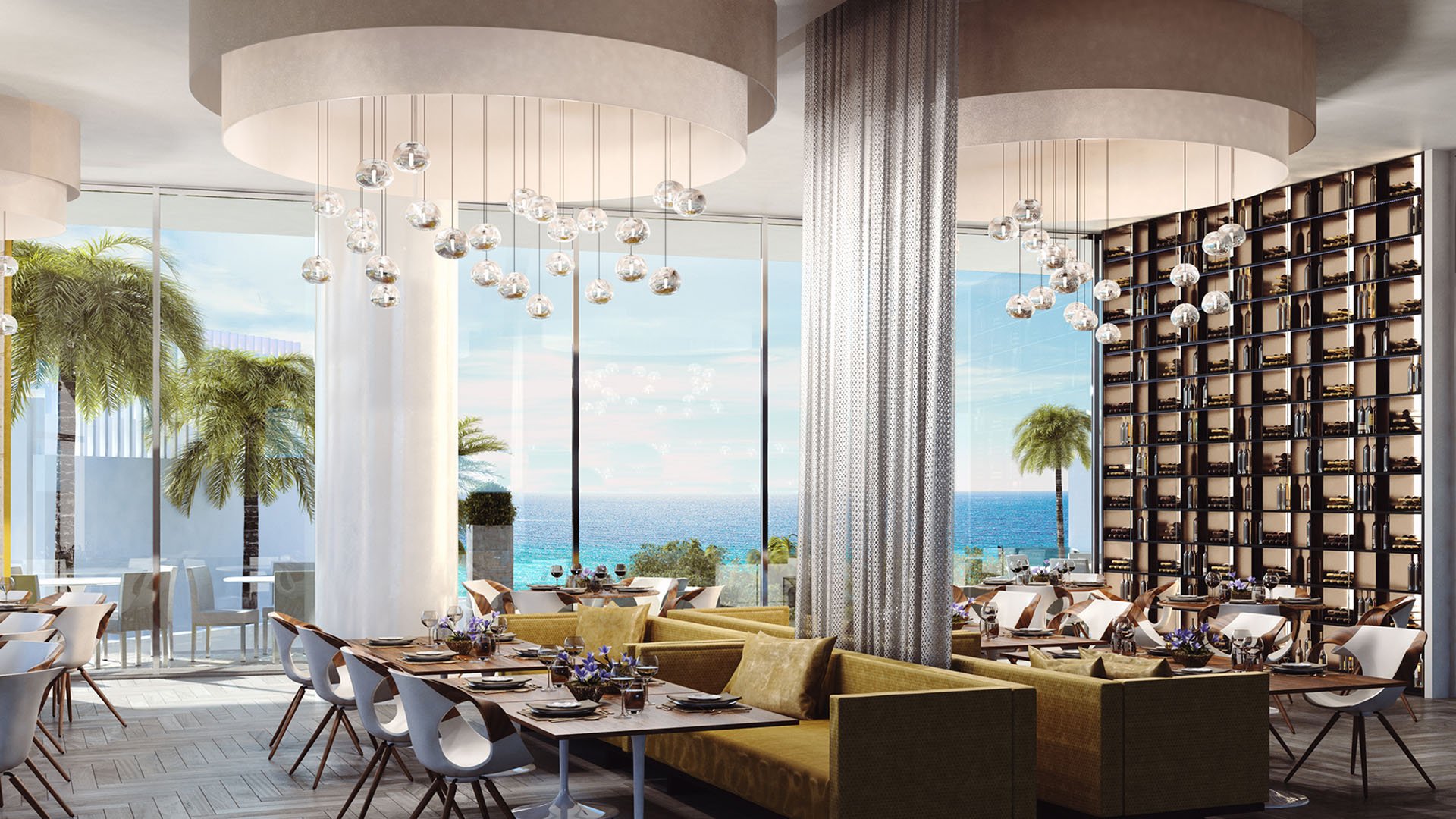
Turnberry Ocean Club Sunny Isles is an oceanfront luxury condominium in Sunny Isles Beach, but its operating context is more nuanced than that phrase suggests. The tower is positioned as a high-service residential environment, with the character of a vertical private club rather than a conventional condominium. For full-time owners, that distinction should shape how smart-lock protocols are designed.
A smart lock is not simply a convenient substitute for a key. In a serviced tower, the unit door sits within a larger access ecosystem that may include concierge, valet, elevators, amenity levels, visitor handling, building personnel, and private household staff. The practical question is not which device looks best on the door. It is who can enter, when they can enter, how their authorization is documented, and how quickly that authorization can be changed.
That is especially important for full-time residents. Seasonal owners may focus on intermittent arrivals, guest stays, or property checks. Full-time owners live with a more constant rhythm: family members coming and going, domestic staff working recurring schedules, vendors maintaining the residence, pet services arriving while the owner is occupied, and private chefs or trainers entering at agreed times. Convenience matters, but it should never depend on informal shortcuts.
A practical protocol begins by mapping every person who may need entry. The categories should be explicit: family members, household employees, recurring vendors, one-time contractors, social guests, building personnel, and emergency contacts. Each group deserves its own credential logic.
Family members may require stable access, but even permanent access should be named, individual, and reviewable. Domestic staff may need recurring entry during defined days and hours, not unrestricted access at all times. Vendors and contractors should be time-bounded whenever possible. Guests may need a temporary path that aligns with building procedures and resident privacy expectations. Building personnel should follow the condominium’s approved workflows rather than private arrangements that bypass staff protocols.
This is where role-based access becomes essential. Not every trusted person needs the same credential. A housekeeper, dog walker, art handler, private chef, and overnight family guest are all legitimate access scenarios, but they are not the same security scenario. At Turnberry Ocean Club Sunny Isles, the larger serviced-residence setting makes that distinction more important, not less.
In a luxury residence, owners often begin with hardware. The more disciplined approach begins with governance. Credential issuance, storage, rotation, and revocation are more important than the badge on the lock. A beautiful device with unmanaged codes is weaker than a modest system governed by a clear household protocol.
Start with credential issuance. Each authorized user should have an individual credential, never a shared permanent code. A shared code may feel efficient, but it removes accountability. If three people know the same code, an entry log becomes ambiguous. If that code is forwarded, the owner may never know.
Storage is the second issue. Access credentials should not live casually in text threads, group chats, handwritten notes, or unsecured household folders. Owners should decide who is allowed to create credentials, who can view them, and how they are stored. In many homes, that authority should be limited to one or two people.
Rotation is third. Full-time owners should build a routine review, perhaps monthly or quarterly depending on household complexity. Staff changes, vendor replacements, guest departures, and completed projects should trigger immediate updates. Revocation is the final discipline. When someone no longer needs access, their credential should be removed promptly, not left dormant.
The same access principles apply across South Florida’s top serviced and branded residences. Buyers comparing Sunny Isles towers such as Bentley Residences Sunny Isles or St. Regis® Residences Sunny Isles should view lock technology as one element of a broader residential security architecture.
The most useful smart-lock feature for a full-time owner is often not remote unlocking. It is time control. Vendors, pet services, trainers, private chefs, contractors, and other non-family users rarely need unrestricted entry. A credential that works only on specific days, during specific hours, or for a defined project window is cleaner and more defensible.
For example, a weekly service provider may receive access limited to a scheduled workday. A private chef may receive evening access for the period of engagement. A contractor may receive a temporary credential that expires when the work is complete. A guest may receive a short-duration credential coordinated with the building’s visitor process.
This approach reduces the temptation to reuse old codes. It also makes the owner’s audit trail more meaningful. If a credential is tied to a role and schedule, unexpected use becomes easier to detect. The goal is not to create friction for trusted people. The goal is to preserve privacy and accountability without compromising the ease expected in a luxury residence.
Auditability is sometimes described as a security function, but for full-time owners it is also a privacy tool. The owner should be able to review who entered, when access was used, and which credentials remain active. This matters in a residence where valuable objects, private documents, wardrobe, art, jewelry, and personal routines may be present every day.
A strong audit habit is simple. Review active users. Confirm that each user still needs access. Check for entries outside expected schedules. Remove credentials tied to completed services. Document any unusual access event with the relevant household or building contact. None of this requires drama. It is the quiet discipline that separates a managed residence from a merely connected one.
Owners should also align their audit practices with building rules and staff workflows. In a serviced tower, the unit lock should not become a shadow system that conflicts with concierge, valet, elevator, amenity, or visitor procedures. Privacy is best protected when the owner’s household protocol and the building’s access environment work together.
This is a broader Sunny Isles conversation, particularly as luxury buyers compare oceanfront and near-oceanfront residences. At Jade Signature Sunny Isles Beach and The Ritz-Carlton Residences® Sunny Isles, as at Turnberry Ocean Club, owners should think beyond the front door and consider how hospitality, staffing, and privacy intersect.
Oceanfront living brings its own expectations of ease, but full-time owners should still plan for failure modes. Smart-lock procedures should account for battery depletion, connectivity outages, power interruptions, device malfunctions, and changes in building-management workflows. A protocol that works only when every system is online is incomplete.
Owners should maintain an approved backup entry method that complies with condominium rules. They should know who can assist if the primary credential fails, how emergency access is handled, and what happens if a phone is lost or replaced. If a household manager or assistant helps administer access, there should be a transition plan if that person leaves the role.
Battery management deserves particular attention. A simple calendar reminder can prevent avoidable lockouts. So can a documented process for checking device health before extended travel, major household events, or periods with heavy vendor activity. The objective is not to overcomplicate daily life. It is to make the system boringly reliable.
A full-time owner at Turnberry Ocean Club should think in layers. First, understand the building’s access environment and respect its procedures. Second, define who in the household is authorized to issue, change, and revoke credentials. Third, classify every user by role. Fourth, favor time-bounded credentials for non-family access. Fifth, review access logs and active users on a recurring schedule. Sixth, maintain a backup plan for technical and operational failures.
The most important rule is to avoid informal exceptions. Shared permanent codes, unlogged vendor access, and unofficial credentials retained by staff may feel harmless until something goes wrong. Luxury security is not about suspicion. It is about clarity.
For full-time residents, the default condition is regular occupancy. The residence is lived in, staffed, serviced, and enjoyed. A good smart-lock protocol should support that life with discretion: convenient for the right people, restrictive at the wrong moments, auditable without being intrusive, and aligned with the standards of a high-service tower.
Is a smart lock enough for a full-time owner at Turnberry Ocean Club? No. It should be treated as one part of a broader access environment that includes building procedures, staff workflows, visitors, and emergency planning.
Should family members share one permanent code? Individual credentials are preferable because they preserve accountability and make entry history easier to understand.
What is the best access approach for domestic staff? Staff credentials should be named, role-based, and reviewed regularly, with schedules defined when appropriate.
How should vendors receive access? Vendors should generally receive time-bounded credentials tied to the service window or project duration.
Why is auditability important? Audit logs help owners confirm who entered, when access occurred, and whether old credentials remain active.
Can building personnel use a private smart-lock credential? Owner-level access should align with condominium rules and building workflows rather than bypassing established procedures.
How often should credentials be reviewed? A recurring monthly or quarterly review is prudent, with immediate changes after staff, vendor, or guest transitions.
What shortcuts should owners avoid? Avoid shared permanent codes, unlogged vendor entry, and unofficial credentials retained after a role ends.
What happens if the lock battery dies or connectivity fails? Owners should maintain an approved backup method and understand the building’s process for access interruptions.
Is smart-lock planning different for full-time owners than seasonal owners? Yes. Full-time owners usually manage more frequent access by family, staff, vendors, and service providers.
For a confidential assessment and a building-by-building shortlist, connect with MILLION.
If branded residences are on your mind — as a home or as an allocation — we would be glad to share what we are seeing, privately.
Begin a quiet conversation