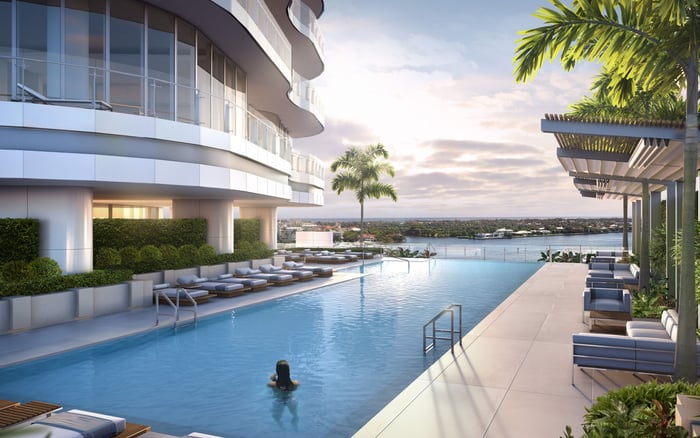
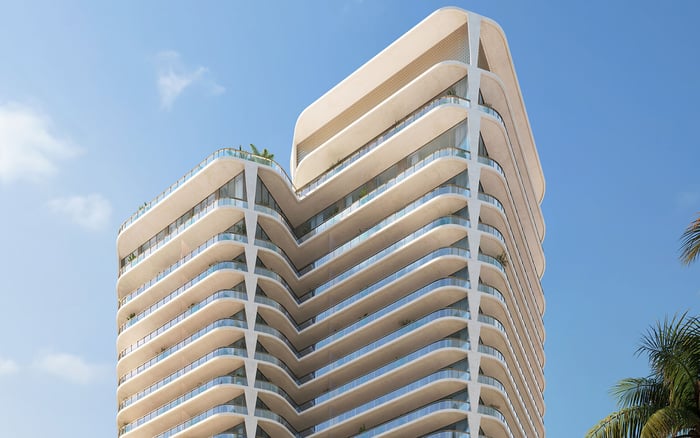
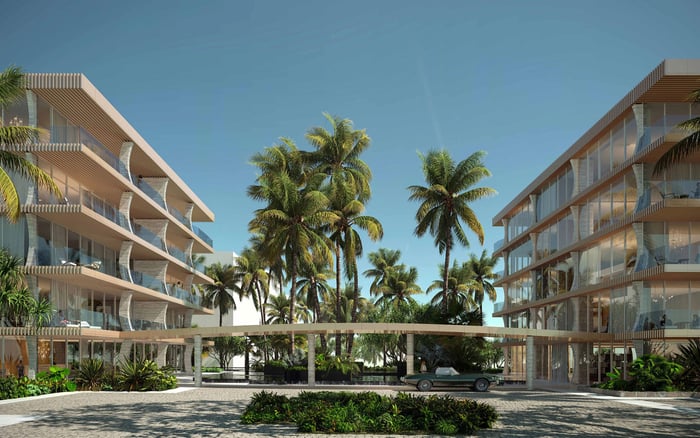
For seasonal owners choosing between West Palm Beach and Palm Beach, the real distinction is not simply address but operating style. Banyan Tree Residences West Palm Beach presents a hospitality-led, lock-and-leave model in a walkable downtown setting, while The Berkeley Palm Beach speaks to buyers who place a premium on island privacy, Worth Avenue proximity, and a more traditional residential atmosphere. The decision comes down to whether the owner wants seamless service integration on the mainland or the insulation and prestige of a Palm Beach address.
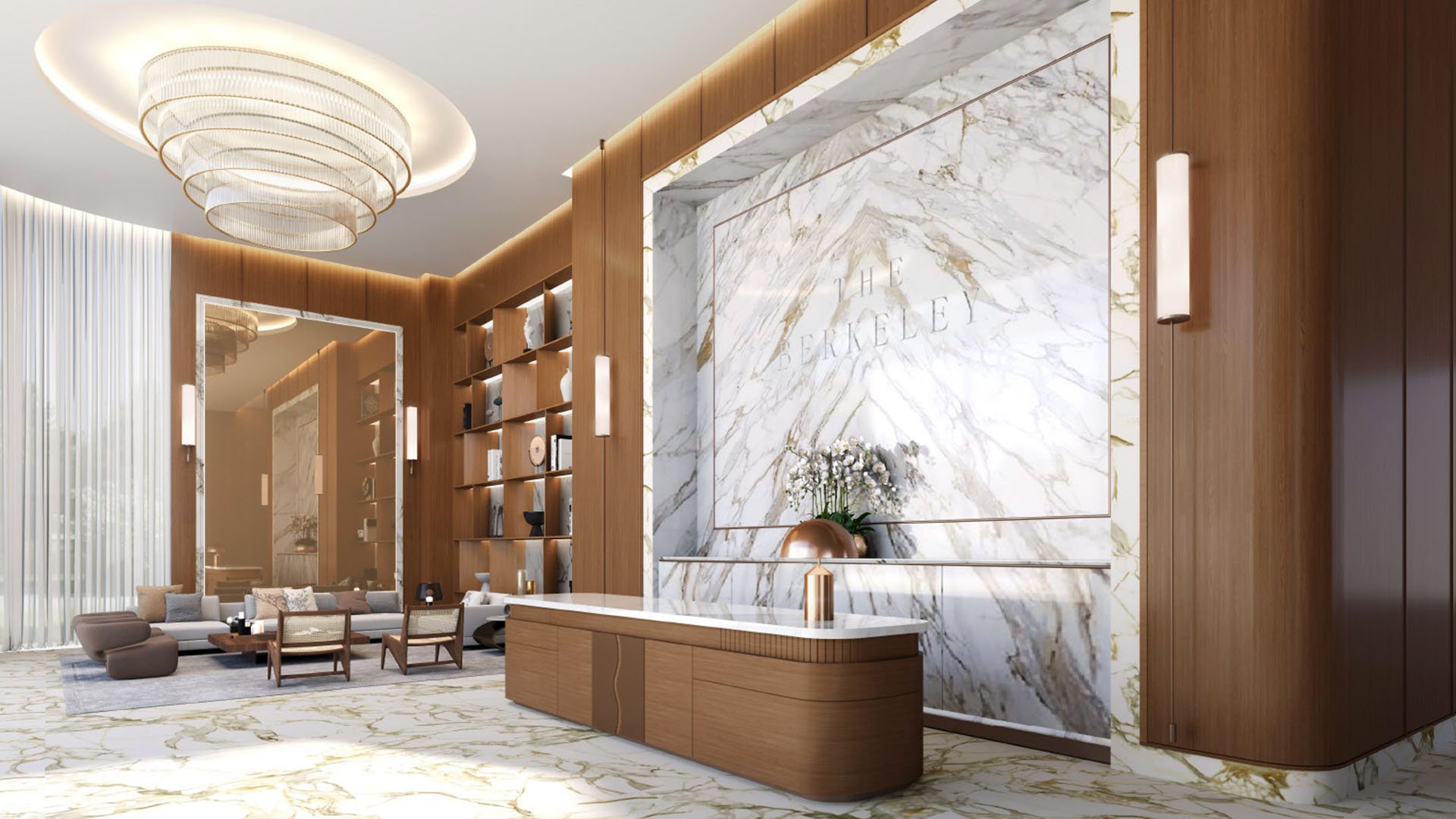
For the seasonal owner, the comparison between Banyan Tree Residences West Palm Beach and The Berkeley Palm Beach is less about which address sounds grander and more about how the residence is meant to function. Both appeal to highly discretionary buyers, yet they suit different ownership habits.
Banyan Tree Residences West Palm Beach is positioned in Downtown West Palm Beach, with a branded-residences model that blends private ownership with hospitality infrastructure. That distinction matters. This is not simply a conventional condominium with a concierge desk. It is framed as serviced luxury, with the brand’s broader hospitality platform shaping the residential experience.
The Berkeley Palm Beach, by contrast, is best understood as an island lifestyle purchase. Its appeal centers on Palm Beach privacy, separation from downtown activity, and the quieter prestige that comes with a Worth Avenue setting. For buyers who want a more autonomous, resident-first atmosphere, that difference can outweigh the appeal of branded service.
In the same broader market, buyers often cross-shop projects such as Banyan Tree Residences West Palm Beach, The Berkeley Palm Beach, and Forté on Flagler West Palm Beach not because they are identical, but because each presents West Palm Beach and Palm Beach living through a different lens.
Seasonal ownership tends to reward simplicity. The more easily a residence can be left, reopened, and enjoyed without orchestration, the more appealing it becomes for a buyer who divides time among several homes. Banyan Tree’s proposition is especially strong on that front.
Its residential model is tied to hospitality-led operations, with integrated service concepts that include concierge-style support, housekeeping, dining, and wellness programming. For a part-time resident, that can mean less friction before arrival and fewer moving parts after departure. The appeal is practical as much as luxurious: the home is designed to feel attended to, not merely occupied.
The Downtown location also sharpens its case. A mainland setting generally offers easier everyday access to the business district, restaurants, and cultural venues than a barrier-island address. For owners who fly in for shorter stays, host business dinners, or prefer to move around without overthinking bridge traffic, that convenience is part of the luxury.
This is also where West Palm Beach has developed a more nuanced identity. It is no longer just the supporting geography to Palm Beach. For some buyers, projects like Alba West Palm Beach and The Ritz-Carlton Residences® West Palm Beach reinforce the idea that high-end ownership on the mainland can still feel highly serviced, sophisticated, and seasonally efficient.
The Berkeley’s advantage is not operational ease to the same degree. Its advantage is atmosphere. For certain owners, especially those who already know the island well, Palm Beach is less a convenience play than a statement about how they want to live while in residence.
An address on the barrier island suggests distance from the movement and mixed-use energy of downtown. That distance can be the point. Buyers drawn to the island often value confidentiality, a resident-only feel, and a setting where the social rhythm is shaped more by Worth Avenue, the beach, and club life than by a hospitality ecosystem.
That is why The Berkeley reads as a more traditional luxury residential proposition. Rather than leaning on a hotel-adjacent identity, it suggests a home that preserves separation. For owners who do not want transient activity or a branded operational overlay, that autonomy may feel more refined.
There is a tradeoff, of course. Palm Beach living is inseparable from bridge-dependent access in and out of the island. Seasonal owners who choose it typically do so knowingly, accepting that a more exclusive setting can require a bit more planning. In exchange, they gain the insulation many luxury buyers still consider irreplaceable.
The cleanest way to frame this comparison is mainland convenience versus island prestige. Neither is inherently superior. The more intelligent question is which mode of ownership aligns with the buyer’s actual pattern of use.
If the residence is meant to operate as an effortless base for winter months, shorter stays, and frequent arrivals and departures, Banyan Tree is compelling. Its service integration and urban setting support a lock-and-leave rhythm. A buyer can prioritize ease without feeling they have compromised on polish.
If the residence is meant to function as a private retreat, with the address itself carrying emotional and social weight, The Berkeley becomes more persuasive. Palm Beach remains one of South Florida’s most prized residential settings precisely because it is not trying to be frictionless in the same way. It offers something more insulated.
This is a distinction seen across the region. Branded or service-rich projects often appeal to owners who want staff support embedded into daily life, while more traditional luxury buildings appeal to those who want a residence to feel decisively residential. Even nearby Mr. C Residences West Palm Beach illustrates how buyers in West Palm Beach increasingly weigh service identity and urban convenience alongside traditional prestige.
The Banyan Tree buyer is likely to be a multi-home owner who values operational fluency. This person may arrive for a long weekend, entertain with little notice, and appreciate the reassurance of an established hospitality framework. They want luxury that works hard in the background.
The Berkeley buyer is more likely to begin with the island itself. The home may be secondary in the calendar, but Palm Beach is primary in the imagination. Privacy, quiet, and the character of the setting matter more than extensive managed-service programming. They are willing to do a bit more themselves, or arrange support externally, if it means preserving a purer residential environment.
For families, couples, or individual owners who see their South Florida residence as a social extension of island life, The Berkeley may feel more emotionally resonant. For those who want the home to function almost like a perfectly run private club suite, Banyan Tree is the more natural answer.
For seasonal owners, this is not a contest between better and worse. It is a test of priorities. Banyan Tree Residences West Palm Beach is the sharper choice for buyers who want low-friction ownership, walkable Downtown access, and services built into the concept of living there. The Berkeley Palm Beach is stronger for those who want Palm Beach seclusion, a resident-first atmosphere, and the intangible assurance that comes with island remove.
The most sophisticated buyers tend to know that convenience and prestige do not always reside in the same place. In this pairing, Banyan Tree offers mainland confidence and service choreography. The Berkeley offers privacy, address value, and a more insulated kind of luxury. Seasonal owners should decide not by brochure language, but by what they want the home to feel like on an ordinary Tuesday in January.
Is Banyan Tree Residences West Palm Beach better for lock-and-leave ownership? Yes. Its hospitality-led model is especially well suited to seasonal owners who want support built into everyday ownership.
Is The Berkeley Palm Beach more private than Banyan Tree? In practical terms, yes. Its island setting and more traditional residential positioning suggest a quieter, more insulated atmosphere.
Does Banyan Tree use a branded-residences concept rather than a standard condo format? Yes. The project is presented as private ownership paired with a hospitality-led residential model.
Why does Downtown matter for seasonal buyers in West Palm Beach? It can simplify daily logistics. Mainland access to dining, business, and culture is often easier for shorter or more frequent stays.
What is the main draw of The Berkeley’s Palm Beach setting? Privacy and prestige. For many buyers, the island address itself is central to the purchase decision.
Does The Berkeley appear to emphasize hotel-style service? No. It is better understood as a more traditional luxury residential offering with a resident-first feel.
Is bridge access a meaningful consideration for Palm Beach owners? Yes. Island living typically involves more deliberate access patterns, which some owners view as part of its exclusivity.
Who is the ideal buyer for Banyan Tree in this comparison? A multi-home owner who values seamless operations, staff support, and a polished urban base in West Palm Beach.
Who is the ideal buyer for The Berkeley in this comparison? Someone who prioritizes confidentiality, residential calm, and the social geography of Palm Beach over service layering.
What is the best way to shortlist comparable options for touring? Start with location fit, delivery status, and daily lifestyle priorities, then compare stacks and elevations to validate views and privacy.
If you'd like a private walkthrough and a curated shortlist, connect with MILLION.
If branded residences are on your mind — as a home or as an allocation — we would be glad to share what we are seeing, privately.
Begin a quiet conversation