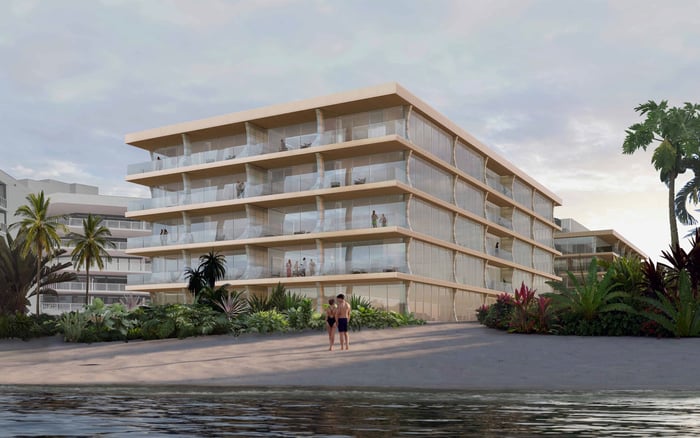
A buyer-focused MILLION editorial on Palm Beach County residence profiles that best serve collectors, multi-driver households, and EV-forward owners.
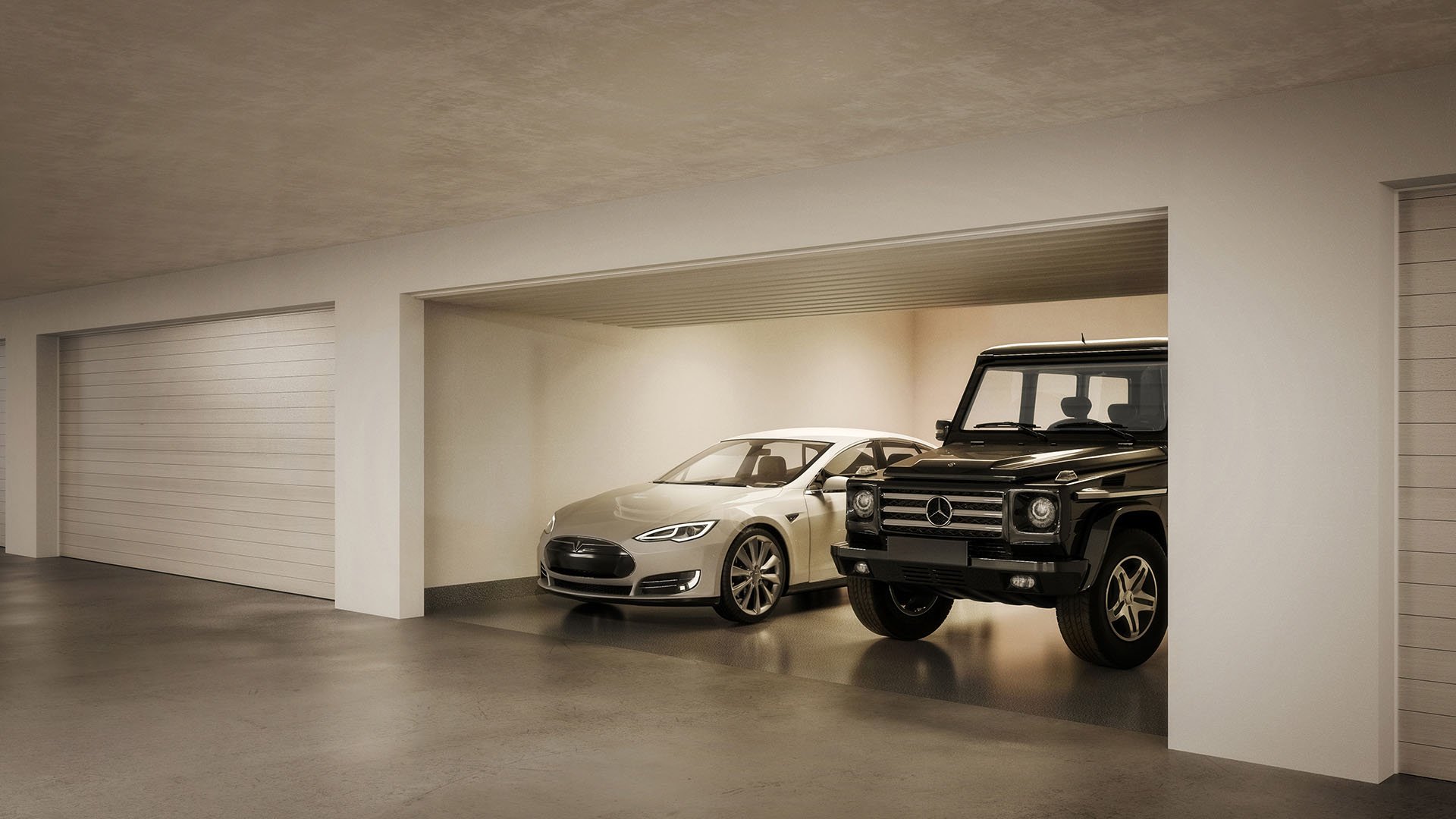
For a certain Palm Beach County buyer, the garage is no longer a secondary space. It is an extension of the residence: a working room for daily mobility, a secure setting for collectible automobiles, and, increasingly, the private energy point for an electric lifestyle. A generous primary suite, a refined kitchen, and a pool terrace still matter, but the way a property manages cars can determine whether it lives effortlessly or demands constant compromise.
That is especially true for households with multiple drivers, seasonal guests, staff movement, and a rotation of vehicles that may include electric SUVs, classic cars, golf carts, and weekend convertibles. The right residence does not merely provide places to park. It creates order, protection, discretion, and the electrical capacity to support EV charging without turning every departure into a coordination exercise.
In MILLION buyer shorthand, Palm Beach, West Palm Beach, Boca Raton, gated-community, ultra-modern, and new-construction searches are not just labels. They frame a practical lens: privacy, convenience, design currency, and the infrastructure that supports everyday ease.
1. Estate residence - private multi-bay garage
The strongest choice for a parking-first buyer is the estate residence with a true private garage environment. This profile suits owners who want enclosed space, controlled access, and room for more than daily vehicles. The appeal is not capacity alone, but autonomy: arrivals remain private, charging can be planned within the home’s own systems, and storage can be separated from the visual life of the house.
For EV owners, the key question is whether the garage can support the intended charging setup cleanly and safely. A luxury garage should be evaluated as infrastructure, not as square footage alone. Ventilation, electrical panel planning, charger placement, lighting, security, and circulation all matter.
2. Waterfront residence - motor court plus enclosed storage
A waterfront residence can be compelling when it combines a gracious motor court with enclosed vehicle storage. The motor court supports guest arrivals, service access, and daily maneuverability, while the garage protects the vehicles that matter most. For buyers who entertain often, this distinction is important: parking should not interfere with the arrival sequence or the sense of calm at the front of the home.
EV charging in this profile should be planned so cords, equipment, and access points remain discreet. The best execution feels integrated, not retrofitted. A thoughtfully placed charging station can serve the household without interrupting the architecture.
3. Gated-community residence - controlled access and predictable circulation
For buyers who prioritize security and order, a gated-community residence offers a different kind of parking advantage. The benefit is not only what happens inside the garage, but how vehicles move through the environment before reaching the home. Controlled entry, private drives, and predictable circulation can make multi-car ownership feel calmer.
This profile is especially relevant for families with several drivers or owners who split time between residences. EV readiness should still be reviewed carefully, since association rules, visible equipment standards, and permitted installation procedures can shape what is possible.
4. Ultra-modern residence - integrated EV design
An ultra-modern residence can be ideal for buyers who want the parking experience to match the rest of the home’s architecture. In this category, the garage is often treated as part of the design statement rather than a purely utilitarian zone. Clean lighting, smooth floor finishes, concealed storage, and aligned charger placement can make the space feel intentional.
The best ultra-modern approach is restrained. A garage for multiple vehicles should offer enough room to open doors comfortably, move around charging hardware, and store equipment without visual clutter. For EV buyers, the goal is a system that feels native to the residence.
5. New-construction residence - the cleanest path to EV readiness
New-construction can be the most straightforward path for buyers who want multi-car parking and EV charging considered before habits are established. When a residence is new, there is often a better opportunity to evaluate electrical planning, equipment placement, and garage usability in a single conversation rather than treating each issue separately.
The buyer should still look beyond presentation. A beautiful garage may not be a practical garage. Clear vehicle count, turn radius, charging access, storage depth, ceiling height, and the location of panels and mechanical systems can determine whether the space performs at the level the home suggests.
The first point is vehicle count. Not the ideal number for a brochure, but the actual number the household needs on a peak weekend. Include residents, guests, staff, golf carts, and specialty vehicles. Then separate enclosed parking from uncovered or tandem arrangements. A six-car lifestyle is not always served by six theoretical spaces.
The second point is charging behavior. Some owners need one charger for a daily EV. Others need multiple charging points, fast overnight recovery, or future capacity for additional electric vehicles. The residence should be reviewed with that future in mind.
The third point is discretion. In luxury real estate, the best parking solutions disappear into the rhythm of the property. Service vehicles have a place. Guests have a place. The owner’s vehicles are secure. Charging equipment is accessible without becoming visually dominant. That quiet order is a form of luxury.
Parking and EV infrastructure are moving from convenience to expectation. Buyers may vary in taste, but most understand the value of protected vehicle storage, easy arrival, and a home that can support changing mobility habits. A residence that solves these issues elegantly feels more complete.
In Palm Beach County, where lifestyle often blends full-time living, seasonal use, entertaining, and collecting, a parking-forward residence can reduce daily friction. It allows the architecture to remain serene because the logistics are already resolved.
How many garage spaces should a luxury buyer prioritize? The right number depends on the household’s real vehicle use, including guests, staff, specialty cars, and future EVs.
Is EV charging more important than total parking count? Both matter. A large garage without practical charging can be less useful than a smaller, better-planned one.
Can an older residence be upgraded for EV charging? Often it can, but electrical capacity, panel location, permitting path, and installation aesthetics should be reviewed before purchase.
Are association rules important for EV chargers? Yes. In a gated community or managed setting, rules may affect equipment type, visibility, placement, and approval timing.
What makes a garage luxury-grade? Space, security, lighting, ventilation, clean circulation, durable finishes, and integrated charging all contribute to the experience.
Should buyers consider uncovered parking? Uncovered parking can help with guests, but enclosed parking is typically more desirable for valuable or daily-use vehicles.
Does new-construction make EV planning easier? It can, because charging and electrical needs may be evaluated earlier and integrated more cleanly into the property.
Why do collectors care about garage layout? Collectors need door clearance, security, climate considerations, storage, and the ability to move cars without constant reshuffling.
Is a motor court a substitute for a garage? No. A motor court improves arrivals and circulation, while a garage provides protection, privacy, and storage.
Can parking affect resale appeal? Strong parking and EV readiness can broaden buyer appeal, especially for households with multiple vehicles.
To compare the best-fit options with clarity, connect with MILLION.
If branded residences are on your mind — as a home or as an allocation — we would be glad to share what we are seeing, privately.
Begin a quiet conversation