A buyer-focused guide to evaluating grocery and pharmacy access around Banyan Tree Residences West Palm Beach, with emphasis on privacy, service logistics, daily convenience, and resale perception.
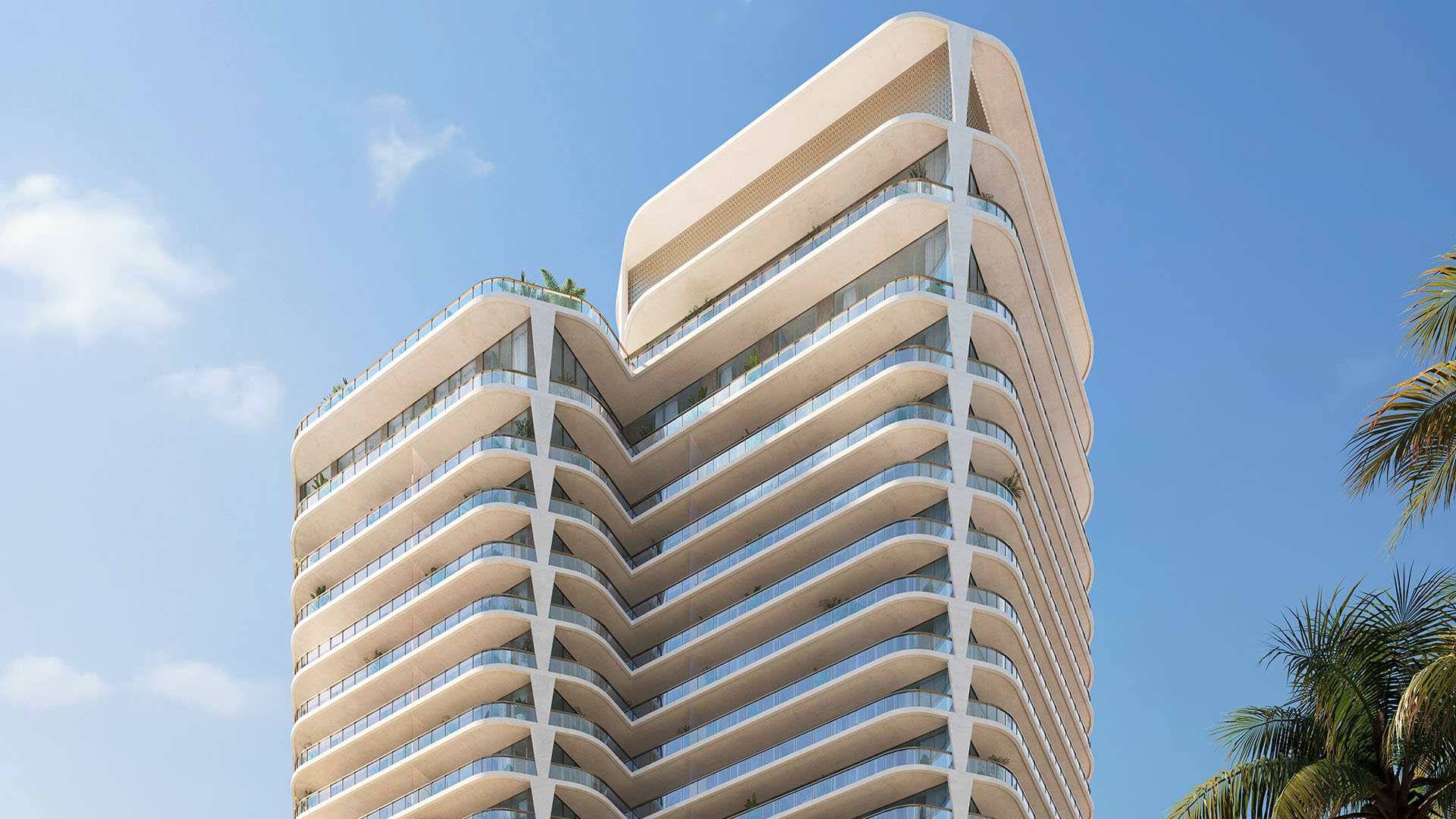
At Banyan Tree Residences West Palm Beach, grocery and pharmacy access deserves the same scrutiny a buyer would apply to views, floor plan, arrival sequence, and service culture. In the ultra-premium market, convenience is not simply a matter of proximity. It is a question of how nearby essentials interact with privacy, timing, deliveries, guest movement, and the quieter rituals of ownership.
For many buyers, the ideal residential setting is not isolated from daily services, but insulated from the friction they can create. A well-positioned grocery option can make a second residence feel effortless. A nearby pharmacy can simplify extended stays, visiting family, wellness needs, and last-minute travel preparation. Yet that same proximity can introduce traffic, pedestrian activity, rideshare clustering, loading patterns, and a more public rhythm around the building if not carefully understood.
This is especially important in West Palm Beach, where luxury buyers are increasingly attentive to walkability, cultural access, and the evolving downtown lifestyle. The most sophisticated evaluation looks beyond a map pin and asks whether the daily ecosystem supports the way an owner actually lives.
There is a meaningful distinction between being close to essential retail and being exposed to it. The first supports ease. The second can compromise the residential atmosphere.
A grocery store or pharmacy within comfortable reach can be highly valuable if the route feels pleasant, safe, intuitive, and aligned with the resident’s routine. That may mean a short walk for a morning errand, a quick vehicle trip with minimal turns, or a delivery path that does not interfere with the primary arrival experience. The question is not only whether the service exists nearby. It is whether its presence enhances daily life without making the residence feel commercially porous.
Buyers should study the character of the intervening blocks. Are sidewalks calm or heavily trafficked? Are curb cuts, loading areas, and parking entrances positioned in ways that could affect the approach to the building? Does the route feel elegant in the evening as well as functional in the afternoon? In luxury real estate, the emotional experience of access often matters as much as the practical distance.
This is where downtown context becomes important. A central location can offer energy, dining, services, and cultural convenience, but each residential address must be evaluated block by block. Two buildings in the same broader district can feel dramatically different depending on frontage, neighboring uses, and traffic patterns.
For high-end buyers, grocery and pharmacy access often happens through service rather than personal errands. Prepared food deliveries, household supplies, specialty items, prescriptions, wellness products, and concierge-arranged purchases all depend on the building’s operational choreography.
The most important questions are practical. Where do delivery vehicles stop? How are couriers screened? Is there a separate service entrance or a controlled receiving protocol? Can staff manage frequent small deliveries without crowding the lobby? Are refrigerated items handled with care? How does the building separate guest arrival from vendor activity?
These details can shape everyday satisfaction more than a marginally shorter walking distance. A residence five minutes farther from a grocery option may live more luxuriously if deliveries are handled quietly and consistently. Conversely, a closer store may offer less value if every errand or courier visit creates congestion at the front door.
The strongest luxury buildings make access feel invisible. Residents receive the benefit of urban convenience without watching the mechanics unfold. For a buyer evaluating Banyan Tree Residences West Palm Beach, the service model should be reviewed as part of the access equation, not after it.
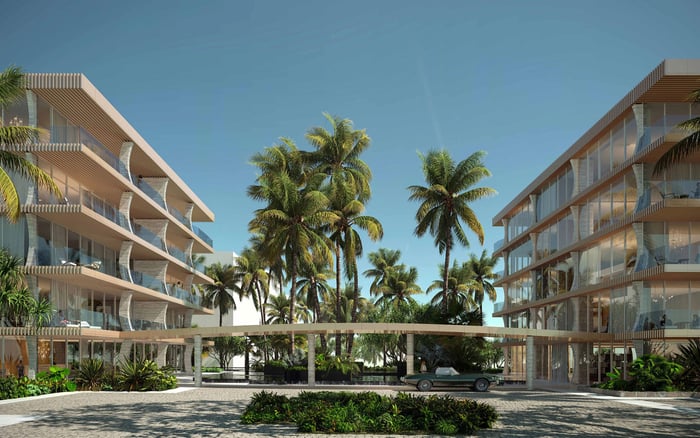
Privacy in a luxury condominium is not limited to elevator banks and residence entries. It begins at the street. The quality of the arrival sequence, the width and activity of sidewalks, the visibility of the porte cochere, and the degree of separation from public movement all contribute to how private a building feels.
Nearby grocery and pharmacy uses can increase pedestrian flow throughout the day. That is not inherently negative. In many urban settings, steady movement can create vitality and perceived safety. The issue is whether the flow feels curated or uncontrolled. A luxury residence should not feel as though its front door shares the same stage as a busy retail queue, delivery pickup area, or constant rideshare stop.
Buyers should visit at different times if possible: early morning, late afternoon, weekend midday, and after dinner. A block that feels serene at one hour may shift in character during another. Watch how cars pause, how pedestrians cross, where delivery drivers wait, and whether the building entrance remains visually distinct.
For ultra-private buyers, the best grocery and pharmacy access may be close but slightly off-axis. Services are easy to reach, yet not directly layered onto the primary residential entrance.
Resale value in the luxury tier is influenced by how future buyers perceive the total lifestyle. Grocery and pharmacy access can be a positive talking point when it signals comfort, walkability, and independence. It can be less persuasive when it suggests noise, crowding, or a less exclusive streetscape.
The key is refinement. A future buyer is likely to value a residence where daily necessities are conveniently available, deliveries function smoothly, and the surrounding area feels increasingly complete. That same buyer may discount a setting where convenience comes with visible service clutter or a compromised sense of arrival.
Resale should also be considered through buyer profile. A primary resident may prioritize everyday errands and pharmacy access more heavily. A second-home owner may care about arrival simplicity, stocking the residence before a visit, and efficient support during shorter stays. An investor-minded owner may focus on how the location reads to a broad pool of future luxury buyers. In each case, the same retail environment may be interpreted differently.
Buyers sometimes group this due diligence under terms such as West Palm Beach, Palm Beach, Downtown, Resale, New Construction, and Second Home, but the real decision is more nuanced than any label.
A serious evaluation should begin with the resident’s likely routine. Imagine arriving from the airport or from Palm Beach, entering the building, settling in, and realizing groceries, prescriptions, or wellness items are needed. How many steps are involved? Is the solution elegant, or does it require improvisation?
Then separate personal access from service access. A buyer who enjoys walking may value a pleasant route to essentials. A buyer who relies on staff, drivers, or concierge coordination may care more about receiving, storage, and vertical transport. Both are valid, but they produce different conclusions.
Next, study friction points. Look for intersections that may slow a quick errand, retail driveways that may add congestion, and sidewalks that may feel too exposed. Consider whether the building’s entrance remains calm when nearby services are active. Privacy is rarely determined by one factor. It is the cumulative impression of movement, visibility, sound, and control.
Finally, think forward. Downtown retail patterns can evolve. Nearby parcels may change. A location that feels transitional today may become more complete, while a quiet block may become busier. The best luxury purchase is one where future convenience can improve without overwhelming the residential atmosphere.
For Banyan Tree Residences West Palm Beach, grocery and pharmacy access should be understood as a lifestyle asset filtered through privacy and service quality. The ideal condition is not simply the closest store or the fastest errand. It is a setting where essentials are comfortably available, delivery flow is discreet, and the residence preserves a calm sense of arrival.
Luxury buyers should resist universal distance rules. A three-minute walk is not automatically superior to a seven-minute drive if the shorter option introduces unwanted exposure. Likewise, a quieter location is not automatically superior if every basic need becomes an inconvenience. The better question is whether the building and its immediate context support the owner’s habits with grace.
In a market where buyers expect both polish and practicality, grocery and pharmacy access can quietly influence satisfaction and resale. When handled well, it becomes part of the residence’s invisible service architecture. When handled poorly, it becomes a daily reminder that convenience was measured too narrowly.
Why does grocery access matter for a luxury buyer? It affects daily ease, residence stocking, entertaining, and service coordination. The value is highest when access feels convenient without disrupting privacy.
Is the closest grocery option always the best one? Not necessarily. A slightly farther option may be preferable if it offers a calmer route, easier vehicle access, or better delivery logistics.
How should pharmacy access be evaluated? Consider prescription pickup, wellness needs, travel necessities, and support for guests or family members. Discretion and reliability matter as much as distance.
Can nearby retail reduce privacy? It can if it increases pedestrian flow, curb congestion, or delivery activity near the primary entrance. The impact depends on building design and street conditions.
What should buyers observe during a site visit? Watch the arrival sequence, sidewalk activity, delivery stops, rideshare behavior, and how distinct the residential entrance feels from surrounding movement.
Does walkability always improve resale? Walkability can help resale when it reads as refined convenience. It can be less valuable if it creates noise, traffic, or a less private streetscape.
Should second-home buyers weigh access differently? Yes. They may prioritize pre-arrival stocking, quick pharmacy needs, and concierge coordination more than daily walking routines.
How important is the building’s service model? It is central. Receiving protocols, courier screening, and discreet staff handling can transform nearby access into a true luxury convenience.
What is the biggest mistake buyers make? They measure distance without studying the quality of the route and the operational impact on the building. Luxury convenience should feel effortless, not busy.
What is the best way to shortlist comparable options for touring? Start with location fit, delivery status, and daily lifestyle priorities, then compare stacks and elevations to validate views and privacy.
For a confidential assessment and a building-by-building shortlist, connect with MILLION.
If branded residences are on your mind — as a home or as an allocation — we would be glad to share what we are seeing, privately.
Begin a quiet conversation