A discreet buyer’s guide to evaluating family amenities, teen spaces, and guest-suite access through the lens of building culture at Banyan Tree Residences West Palm Beach and St. Regis® Residences Brickell.
For family buyers comparing Banyan Tree Residences West Palm Beach and St. Regis® Residences Brickell, the most useful question is not simply which building offers more amenities. It is how each building’s culture shapes the way those amenities feel on a Tuesday afternoon, a holiday weekend, or a school break, when children, teens, parents, grandparents, and guests are all moving through the same private spaces.
In South Florida’s luxury condominium market, the language of family living has matured. Buyers are no longer satisfied with a pool, a club room, and a children’s area treated as checkboxes. They want to know whether the environment supports independence without feeling unmanaged, whether teens can gather without disrupting quieter residents, and whether visiting family can be hosted with grace rather than logistical friction.
That is where building culture becomes decisive. A residence can feel formal, social, discreet, resort-like, family-forward, or highly private. The physical amenity program matters, but the lived experience is shaped by rules, staffing tone, reservation protocols, hours, guest policies, and the expectations of neighbors.
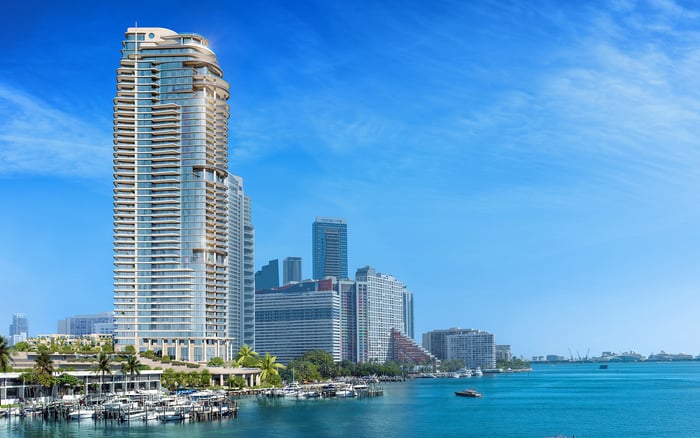
Brickell and West Palm Beach offer distinct residential rhythms. Brickell is vertical, urban, and closely tied to finance, dining, and international mobility. A family choosing St. Regis® Residences Brickell may be drawn to a metropolitan lifestyle where convenience, walkability, and a polished tower environment shape the day. In that context, family amenities need to perform efficiently. Drop-offs, study time, visitors, wellness routines, and social moments often unfold within a compact, highly serviced ecosystem.
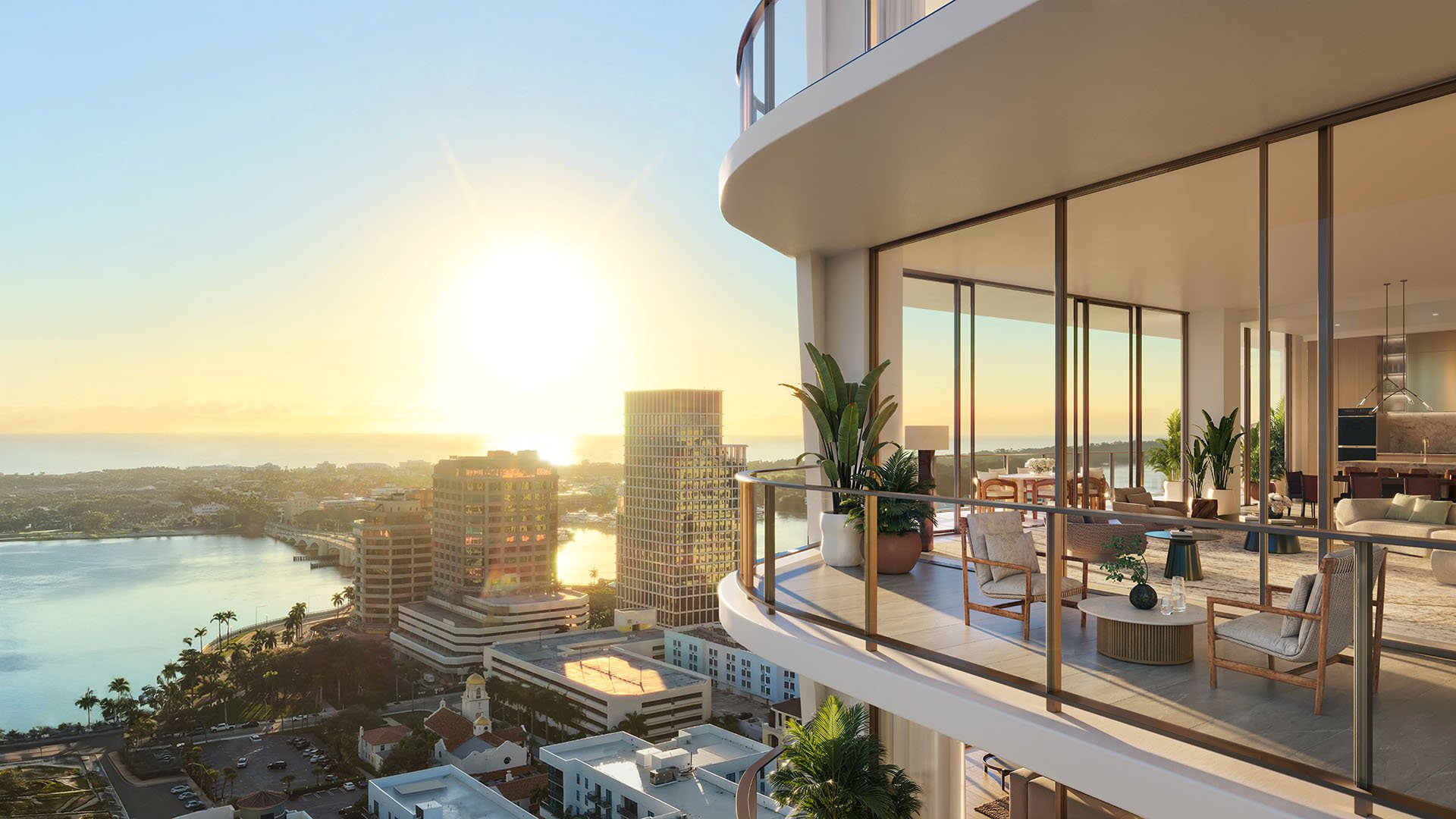
West Palm Beach, by contrast, is often evaluated through a softer residential lens, with buyers weighing cultural access, Palm Beach proximity, schools, and a more measured daily pace. For families considering Banyan Tree Residences West Palm Beach, the questions often center on how a new residential environment may balance hospitality influence with calm domesticity.
Neither context is inherently better. The important distinction is fit. A household with teens who prize independence may respond differently to Brickell’s vertical energy than a household seeking quieter seasonal living. A second-home buyer may also weigh the question differently than a full-time resident whose weekly schedule includes school commutes, tutors, sports, and extended family visits.
The strongest family amenity environments are designed around behavior. Younger children need sightlines, safety, and proximity to caregivers. Teens need separation, but not isolation. Parents need places where a coffee meeting, a workout, or a quiet call can happen without the entire family feeling fragmented. Grandparents may value shaded seating, simple circulation, and spaces that do not require constant navigation through noise.
In a high-end condominium, even a beautiful amenity can underperform if the culture around it is unclear. Are children welcome in certain lounges at certain hours? Are wet swimsuits tolerated in transitional areas? Are family gatherings encouraged, or is the tone more adult and formal? Is there an understood etiquette for pets, strollers, scooters, and visiting friends? These details influence daily satisfaction far more than a glossy rendering can convey.
Families should read the amenity program through three lenses: access, adjacency, and atmosphere. Access asks who can use a space and when. Adjacency asks whether the location of that space makes sense for real family movement. Atmosphere asks whether the room will feel comfortable when occupied by children or teens, not just when photographed empty.
Teen amenities are among the clearest expressions of a luxury building’s culture. A room labeled for teens is not automatically useful. The best teen spaces have enough identity to feel separate from younger children, enough design quality to avoid feeling like an afterthought, and enough informal oversight to keep the environment appropriate.
Parents should focus less on whether a teen room exists and more on how it functions. Can teens bring a friend? Are reservations required? Is the space visible to staff? Are food and drinks permitted? Is the tone social, study-oriented, game-driven, or flexible? A room that is too controlled may go unused. A room with no boundaries can become a point of conflict.
In Brickell, the teen question often intersects with city life. If older children can walk to dining, transit, or nearby activities, the building’s role may be to provide a secure home base rather than a full substitute for the neighborhood. In West Palm Beach, depending on the family’s routine, the building may need to carry more of the social and recreational load during slower evenings or seasonal stays.
Private-school considerations also matter. Families with children in different schools may value a building that supports decompression after long commutes. A calm study lounge, reliable Wi-Fi, and a culture that respects quiet time can be as valuable as more theatrical amenities.
Guest-suite access is one of the most underestimated family issues in luxury condominium living. For buyers with parents visiting from abroad, adult children returning during holidays, or friends arriving for long weekends, guest accommodations can influence how large a residence truly feels.
The key is not simply whether guest suites are present. Buyers should understand the rules that govern them. How far in advance can they be reserved? Are there peak-period restrictions? How many nights may a guest stay? Are owners prioritized equally, or are there limits during high-demand periods? What happens during holidays, school breaks, and major local events?
A gracious guest-suite policy can make a condominium feel expansive. A restrictive or highly competitive policy can make even a large residence feel less flexible. Families should also consider privacy. Some owners want guests close, but not inside the primary residence. Others prefer visitors under the same roof, especially when young children or older relatives are involved.
This is where building culture becomes visible. A resident-first building will usually aim for fairness, clarity, and discretion. A more social building may tolerate frequent visiting friends and extended family. A quieter building may expect tighter boundaries around guest presence.
A refined buyer should approach Banyan Tree Residences West Palm Beach and St. Regis® Residences Brickell with a practical interview mindset. The right questions are not adversarial. They are designed to reveal whether the building’s standards match the family’s lifestyle.
Ask how children and teens typically use common areas. Ask whether any spaces are adults-only, family-priority, or reservation-based. Ask how the building handles birthday gatherings, visiting classmates, grandparents, nannies, tutors, and seasonal guests. Ask how rules are communicated and enforced. A luxury environment depends on consistency. If expectations are vague, conflicts become more likely.
Also ask about transitions. Where does a child go after swimming? Where does a teen wait for a driver? Where can a parent take a call while still being near younger children? Where can visiting family sit without feeling they are occupying a lobby? The choreography of movement often reveals more than the amenity list itself.
For family buyers, the winning choice is the one where the building’s culture feels aligned with the household’s private rhythm. Some families want a formal, highly polished atmosphere. Others want warmth, flexibility, and intergenerational ease. Some want urban intensity. Others want a quieter Palm Beach-area cadence.
St. Regis® Residences Brickell sits within the Brickell conversation, where branded residential living, city access, and vertical privacy define many buyer expectations. Banyan Tree Residences West Palm Beach belongs to a different lifestyle discussion, one shaped by West Palm Beach’s evolving luxury profile and proximity to Palm Beach patterns of leisure, culture, and seasonal hosting.
The most elegant decision is not made by counting amenities. It is made by imagining the family’s real week inside the building. If the answer feels effortless, the amenity program is doing its job.
Why does building culture matter for family amenities? Building culture determines how spaces are used, shared, and respected. It can make the same amenity feel either effortless or uncomfortable.
Is St. Regis® Residences Brickell part of the Brickell luxury market? Yes. St. Regis® Residences Brickell is considered within the Brickell residential conversation for this comparison.
How should buyers evaluate teen spaces? Look beyond the label and ask about access, supervision, guest rules, food, hours, and whether teens are likely to use the space naturally.
What should families ask about guest suites? Families should ask about reservation timing, stay limits, holiday access, priority rules, and policies for repeat guests.
Are family amenities only important for full-time residents? No. Second-home owners may rely heavily on shared spaces when relatives and guests visit during seasonal stays.
Do pool rules affect family living? Yes. Pool hours, guest limits, wet-area circulation, and expectations around children can strongly shape daily comfort.
Should pet policies be part of the family review? Yes. Pet policies affect elevators, common areas, outdoor routines, and the way families move through the building.
How does Brickell influence family lifestyle? Brickell can support an urban family rhythm with proximity to dining, work, and city conveniences within a vertical setting.
Why mention private-school planning in a condo decision? Private-school commutes and after-school routines influence how much a family values study areas, calm lounges, and efficient access.
What is the best way to compare Banyan Tree Residences West Palm Beach and St. Regis® Residences Brickell? Compare them through the lens of daily rhythm, guest hosting, teen independence, and the atmosphere your family wants to live in.
If you'd like a private walkthrough and a curated shortlist, connect with MILLION.
If branded residences are on your mind — as a home or as an allocation — we would be glad to share what we are seeing, privately.
Begin a quiet conversation