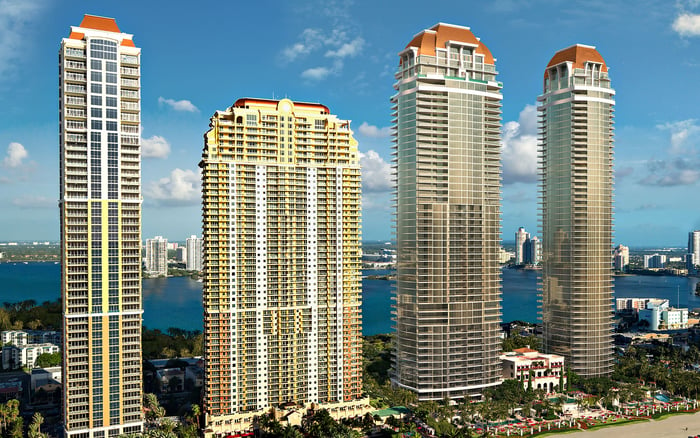
A discreet buyer’s guide to planning Bal Harbour shopping from Acqualina and St. Regis residences, with emphasis on timing, service, privacy, and lifestyle fit.

For buyers comparing Acqualina Residences and The St. Regis shopping access, the most useful question is not simply, “What time are the stores open?” It is how retail fits into the rhythm of a South Florida residence: morning wellness, school or office schedules, lunch reservations, private styling, evening events, and the quiet pleasure of returning home to the ocean.
Bal Harbour is less about casual errand-running than curated convenience. The retail experience works best when planned with the same precision as a dinner reservation or a yacht departure. Exact boutique and restaurant hours can shift by season, holiday, private event, or individual maison, so a prudent owner confirms current hours before committing to a high-value visit. In practice, serious buyers should think in time windows, not assumptions.
For those focused on The Estates at Acqualina Sunny Isles and St. Regis® Residences Sunny Isles, the retail conversation becomes a study in proximity, traffic sensitivity, concierge execution, and the quality of the return home. Both belong to a broader Sunny Isles lifestyle that prizes oceanfront calm, resort-level service, and swift access to Bal Harbour when shopping is part of the day.
Retail hours affect more than shopping. They influence how a residence performs for daily living, seasonal stays, entertaining, and wardrobe management. A buyer who keeps a second home in South Florida may want to land in the afternoon, refresh at the residence, and reach Bal Harbour before dinner. A full-time resident may prefer weekday late-morning appointments, avoiding peak dining periods and weekend compression.
For private clients, the best shopping often begins before arrival. A stylist may pull pieces in advance, a boutique may prepare alterations, or a concierge may coordinate transportation around restaurant availability. That makes official hours only one layer of the planning. The higher-value layer is coordination: knowing when the retail environment is calm, when parking and arrivals feel smooth, and when the return drive preserves the ease luxury buyers expect.
This is where the distinction between an address and a lifestyle becomes clear. A residence may be near premier shopping, but the lived experience depends on how naturally the trip fits into the day. In Bal Harbour terms, the ideal retail run feels composed, not improvised.
Acqualina’s appeal is tied to a refined oceanfront resort sensibility in Sunny Isles. For residents, Bal Harbour shopping can function as a polished extension of that lifestyle rather than a separate expedition. The natural pattern is beach or spa in the morning, a measured midday departure, retail appointments in the afternoon, and a return home before an evening on the terrace.
The most important planning point is route discipline. Buyers should evaluate not only distance, but also how the residence manages vehicles, guests, packages, personal staff, and last-minute changes. Luxury shopping often produces logistics: garment bags, jewelry viewings, tailoring, gifting, and returns. A building’s service culture matters because retail access does not end at the boutique door.
Buyers using beach access as a decision filter should also ask how often they genuinely expect to leave the sand for retail. Some owners want shopping nearby but not visible in daily life. Others want a predictable connection to Bal Harbour for entertaining, personal styling, and holiday gifting. Acqualina’s oceanfront positioning supports the former beautifully, provided the owner is comfortable treating Bal Harbour as a planned, concierge-assisted outing.
The St. Regis name carries an expectation of polished service, ritual, and residential hospitality. When buyers evaluate St. Regis® Residences Sunny Isles in relation to Bal Harbour retail hours, the question becomes how seamlessly a service-forward home can convert a shopping need into a managed experience.
A St. Regis-oriented buyer may be less focused on spontaneous browsing and more focused on precision. Can the residence team help confirm boutique schedules? Can transportation be staged at the right moment? Can purchases be handled discreetly on return? Can a guest staying for the weekend be sent to Bal Harbour with minimal explanation and maximum comfort?
Those details are central to the value proposition. Retail access is not only geographic. It is operational. The right residence reduces the friction between desire and execution. For a client buying in the upper tier of Sunny Isles, that may matter as much as the view, the pool deck, or the private dining program.
Because individual retail hours may vary, the safest buyer strategy is to treat Bal Harbour visits in three broad windows. The late-morning window works well for calmer browsing and more attentive service. The afternoon window is often best for appointments, fittings, and multi-boutique visits. The early-evening window can pair shopping with dinner, but it requires more careful planning, especially when a buyer expects to see specific merchandise or meet a particular advisor.
Weekend visits can feel more social and energetic. Weekday visits tend to be more controlled. Seasonal periods require additional care, particularly when holiday gifting, events, or visiting family increase demand. For buyers who value discretion, the quieter window may be more important than the longest window.
A useful rule is to confirm before departing, especially for watch, jewelry, couture, and limited-edition purchases. High-end retail is relationship-driven. A short call or concierge confirmation can protect the experience from wasted time and make the visit feel private from the first greeting.
A luxury buyer should compare Acqualina and St. Regis shopping access across five practical dimensions. First is the door-to-door experience: lobby, valet, traffic flow, and arrival quality. Second is service depth: whether staff can support confirmations, drivers, returns, and guest movements. Third is privacy: how discreetly the residence handles packages and visiting stylists. Fourth is rhythm: whether the home encourages retail as a relaxed outing or a scheduled errand. Fifth is the return: how quickly the buyer moves from a public retail environment back into quiet coastal living.
This final point is often underestimated. Bal Harbour shopping is stimulating by design. The best nearby residences provide contrast. They offer light, water, service, and a sense of retreat. That is why Sunny Isles remains compelling for buyers who want retail access without living inside the retail district itself.
The tags buyers use in their own search often reveal priorities: The Estates at Acqualina Sunny Isles for resort-style oceanfront living, St. Regis® Residences Sunny Isles for branded service expectations, oceanfront for daily atmosphere, beach access for lifestyle immediacy, Sunny Isles for location, and Bal Harbour for the retail anchor.
For the Acqualina buyer, Bal Harbour retail hours matter because the shopping experience should complement a resort-like home life. For the St. Regis buyer, they matter because service and timing should feel orchestrated. In both cases, the winning strategy is not to memorize a static schedule. It is to build a residential routine that makes shopping feel effortless whenever the need arises.
The best South Florida residences do not merely sit near luxury. They edit it. They make the day smoother, the arrival quieter, the service more intuitive, and the return home more restorative. In that sense, Bal Harbour access is not an amenity on its own. It is a measure of how well a property supports the life its buyer is actually trying to live.
Do Bal Harbour retail hours stay the same year-round? Hours can vary by boutique, restaurant, season, holiday, or private event, so current schedules should be confirmed before visiting.
Is Acqualina close enough for regular Bal Harbour shopping? Acqualina’s Sunny Isles setting can support regular Bal Harbour visits, especially when trips are planned through concierge or driver coordination.
Is The St. Regis a good fit for retail-focused buyers? It can be, particularly for buyers who value branded service, discreet logistics, and appointment-based shopping support.
Should buyers prioritize distance or service quality? Both matter, but service quality often determines whether the shopping trip feels effortless or simply nearby.
What is the best time of day to shop in Bal Harbour? Late morning and afternoon are often practical planning windows, while evening visits should be confirmed more carefully.
Are weekend shopping visits ideal? Weekends may feel livelier, while weekdays can offer a calmer, more private retail rhythm.
Why do retail hours matter for resale value? Convenient access to premier shopping can strengthen lifestyle appeal, especially for seasonal and international buyers.
Can concierge teams confirm boutique availability? In high-service buildings, residents often rely on staff to help coordinate timing, transportation, and shopping logistics.
Is Bal Harbour access more important than beach access? That depends on lifestyle; some buyers prioritize daily beach living, while others value frequent retail and dining proximity.
How should a buyer compare Acqualina and St. Regis access? Compare door-to-door ease, privacy, staff execution, traffic sensitivity, and how the return home feels after shopping.
For a tailored shortlist and next-step guidance, connect with MILLION.
If branded residences are on your mind — as a home or as an allocation — we would be glad to share what we are seeing, privately.
Begin a quiet conversation