A discreet buyer’s guide to evaluating emergency response planning for Point Italia on Fisher Island and comparing it with Palm Beach mainland access expectations.
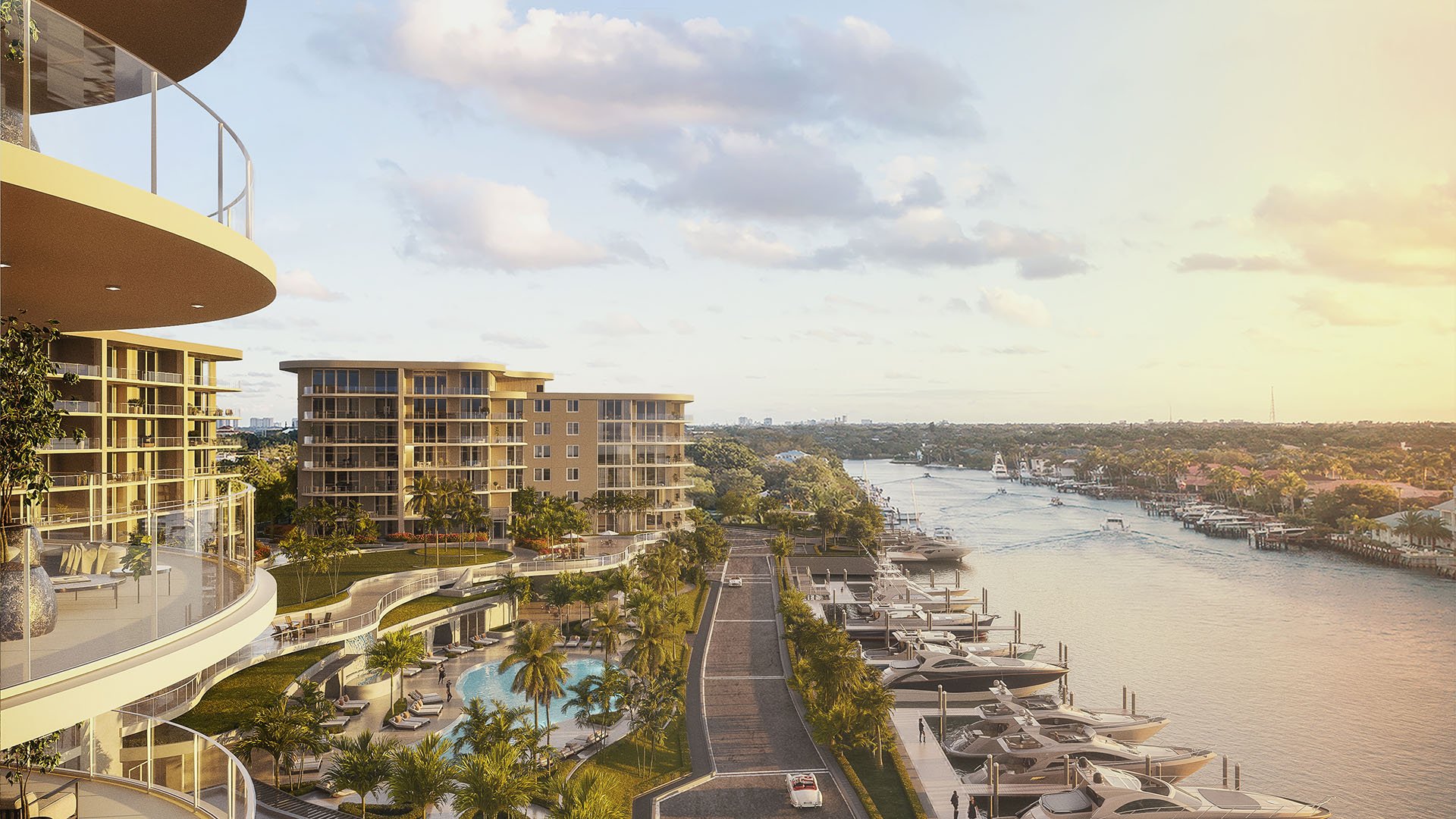
For buyers at the highest end of the South Florida market, emergency response is no longer a background operational concern. It is part of the asset itself. Privacy, water, controlled access, and separation from the mainland are defining luxuries, but each can shape how quickly help is identified, routed, cleared, and received.
That is why Fisher Island Emergency Response: Point Italia and Palm Beach Mainland Speed deserves a practical, buyer-oriented reading. The question is not whether one setting is inherently superior. It is how each setting converts exclusivity into certainty when a household needs medical, fire, security, or weather-related support.
Point Italia, by its nature as a private-island address, requires a different diligence framework than a Palm Beach mainland residence. Buyers should evaluate the full chain: who receives the first alert, how access is granted, which route is used, who escorts responders, what redundancies exist, and how family staff are trained to communicate under pressure.
In a buyer’s notebook, this is a Fisher Island, Palm Beach, gated-community, exclusive-area, marina, and waterview conversation. Those words are not amenities alone. They are operating conditions.
Point Italia represents the private-island side of the equation. The appeal is discretion, reduced through-traffic, waterfront atmosphere, and the calm that comes from controlled access. For many owners, that environment is precisely the point. Yet the same privacy that protects a residence day to day should be matched by clear emergency procedures.
A serious buyer should ask how visitors, vendors, caregivers, and responders are identified and directed. The issue is not merely arrival at the island. It is arrival at the correct residence without confusion. Estate staff, building personnel, security teams, and household managers should all operate from the same playbook.
For a Point Italia residence, the most valuable plan is usually simple, written, and rehearsed. It should define the primary entrance, secondary access if the primary route is interrupted, gate or lobby permissions, elevator or stair protocols, pet containment, guest notification, and family meeting points. The higher the value of the residence, the less one should rely on improvised decision-making.
Buyers should also consider time of day. A property may feel effortless during a calm afternoon showing, but emergency planning must hold up after midnight, during heavy rain, when guests are present, or when household principals are traveling. The luxury is not the absence of complexity. The luxury is that complexity has already been managed.
Palm Beach mainland speed is a different proposition. Mainland living may offer more direct roadway patterns, broader service adjacency, and fewer access handoffs between the first call and the front door. For certain buyers, especially those prioritizing medical proximity or year-round family occupancy, that directness can be a meaningful comfort.
Still, mainland does not automatically mean frictionless. Traffic, bridge conditions, seasonal congestion, security gates, valet areas, private drives, and large estate layouts can all affect the final minutes of a response. A buyer should resist general assumptions and focus on the actual residence, not the reputation of the area.
For Palm Beach mainland properties, diligence should include street approach, driveway geometry, visibility of address markers, gate technology, staffed access, after-hours procedures, and whether emergency vehicles can position without obstruction. The most elegant estates often have layered privacy. Those layers should be legible to responders.
The best mainland plans balance discretion with clarity. A residence can remain private while still giving authorized responders a direct route, a contact hierarchy, and unambiguous entry instructions. Speed is not only about distance. It is about reducing hesitation.
Emergency response diligence belongs before the final commitment, not after closing. It should sit beside insurance review, structural inspection, seawall review where relevant, association documents, staffing budgets, and security planning.
For Point Italia, buyers should ask about the access sequence from first call to residence. Who receives notice? Who authorizes entry? What happens if the owner is unreachable? Is there a written protocol for medical emergencies involving guests, children, elderly family members, or domestic staff? Does the residence have clearly labeled utility shutoffs and emergency contacts?
For Palm Beach mainland properties, buyers should examine how quickly responders can identify and enter the home without compromising normal privacy. Is the address visible at night? Can gates be opened remotely? Is there a backup method if power or communications fail? Does the security team know the difference between guest screening and emergency clearance?
In both settings, the strongest answer is rarely verbal reassurance. It is documentation. A polished residence should have a household emergency sheet, key contacts, access instructions, medical preferences where appropriate, pet information, and a protocol for communicating with family members. Owners who travel frequently should ensure their local representatives can act immediately.
In ultra-prime South Florida real estate, household staff can be the difference between confusion and control. A house manager, estate manager, nanny, private nurse, captain, driver, or security professional may be the first person to recognize a problem and activate the response plan.
For Point Italia, staff should understand island-specific logistics and the exact residence access pattern. For Palm Beach mainland homes, staff should understand gate systems, service drives, and how to direct responders past architectural or landscape elements that may obscure the residence.
Training should be calm and discreet. No owner wants a household culture built around anxiety. The goal is competence. A brief annual review, updated contact list, and clear chain of command can preserve the serenity of the property while improving readiness.
Families with multiple South Florida residences should standardize the format of their emergency information. The more consistent the playbook, the easier it is for staff and family members to act under pressure.
The luxury market often separates privacy, security, and medical readiness into different conversations. In practice, they overlap. A security protocol that is too rigid can slow medical entry. A privacy protocol that is too informal can create uncertainty. A medical plan that is not shared with the right staff may be ineffective when needed most.
Buyers should seek balance. The property should remain protected from unnecessary access, yet authorized emergency assistance should not be delayed by unclear approvals. Families with known medical needs may want additional private arrangements, dedicated equipment, or staff training, but those decisions should be integrated with the property’s physical and operational realities.
For waterfront owners, water access can add optionality but should not be romanticized. A marina setting may be convenient for lifestyle, crew, and boating, yet emergency planning should identify which routes are primary and which are secondary. A waterview residence should still be judged by ground-level clarity, building access, and communications reliability.
The most sophisticated owners view emergency planning as invisible architecture. It is not seen in listing photography, but it shapes the lived experience of the home.
The Point Italia versus Palm Beach mainland comparison is ultimately a question of owner profile. A buyer seeking the rarefied calm of a private island may accept more operational choreography in exchange for privacy and separation. A buyer who wants the psychological comfort of direct mainland access may prioritize a Palm Beach residence even if it carries different forms of exposure.
Neither choice should be reduced to speed alone. The better measure is controlled response. How many people must act? How clear are their roles? What happens if one link in the chain fails? Can the plan operate at night, during weather, or when the principal is away?
For the ultra-premium buyer, emergency response is not a negative topic. It is a hallmark of serious ownership. The most desirable homes are not only beautiful, rare, and private. They are prepared.
Why should emergency response matter to a luxury buyer? It affects the real-world performance of a residence during medical, fire, security, or weather events. At the ultra-prime level, readiness is part of property quality.
Is a private island automatically slower for emergency response? Not automatically. The key is whether access, authorization, routing, and staff roles are clearly planned and consistently understood.
Does mainland Palm Beach always offer faster response? Not in every situation. Road access may be more direct, but gates, traffic, estate layouts, and after-hours procedures can still influence timing.
What should Point Italia buyers review first? They should review the full access sequence, from first alert to arrival at the residence. Written instructions are more useful than verbal assurances.
Should emergency protocols be included in household manuals? Yes. A concise household emergency section can help staff, family members, and authorized representatives act without delay.
How does privacy affect emergency access? Privacy can add gates, screening, and controlled entry points. Those layers should protect the owner without confusing authorized responders.
What role does staff training play? Staff training turns a plan into action. Even a short review of contacts, access, and roles can improve confidence during an incident.
Are waterfront homes more complex to plan for? They can be. Waterfront settings may offer additional access possibilities, but the primary plan should remain clear, practical, and reliable.
Should buyers ask these questions before closing? Yes. Emergency access should be part of diligence, alongside insurance, inspection, association review, and security planning.
What is the best mindset for comparing Fisher Island and Palm Beach? Focus on controlled response rather than assumptions. The stronger property is the one whose privacy, access, and staffing work together.
To compare the best-fit options with clarity, connect with MILLION.
If branded residences are on your mind — as a home or as an allocation — we would be glad to share what we are seeing, privately.
Begin a quiet conversation