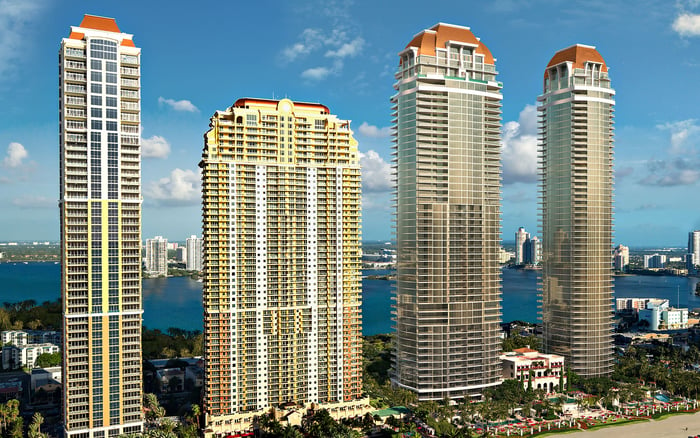
A discreet buyer’s guide to evaluating beach reservation protocols, concierge systems, and daily service expectations around Bal Harbour, Acqualina residences, and St. Regis-style coastal living.
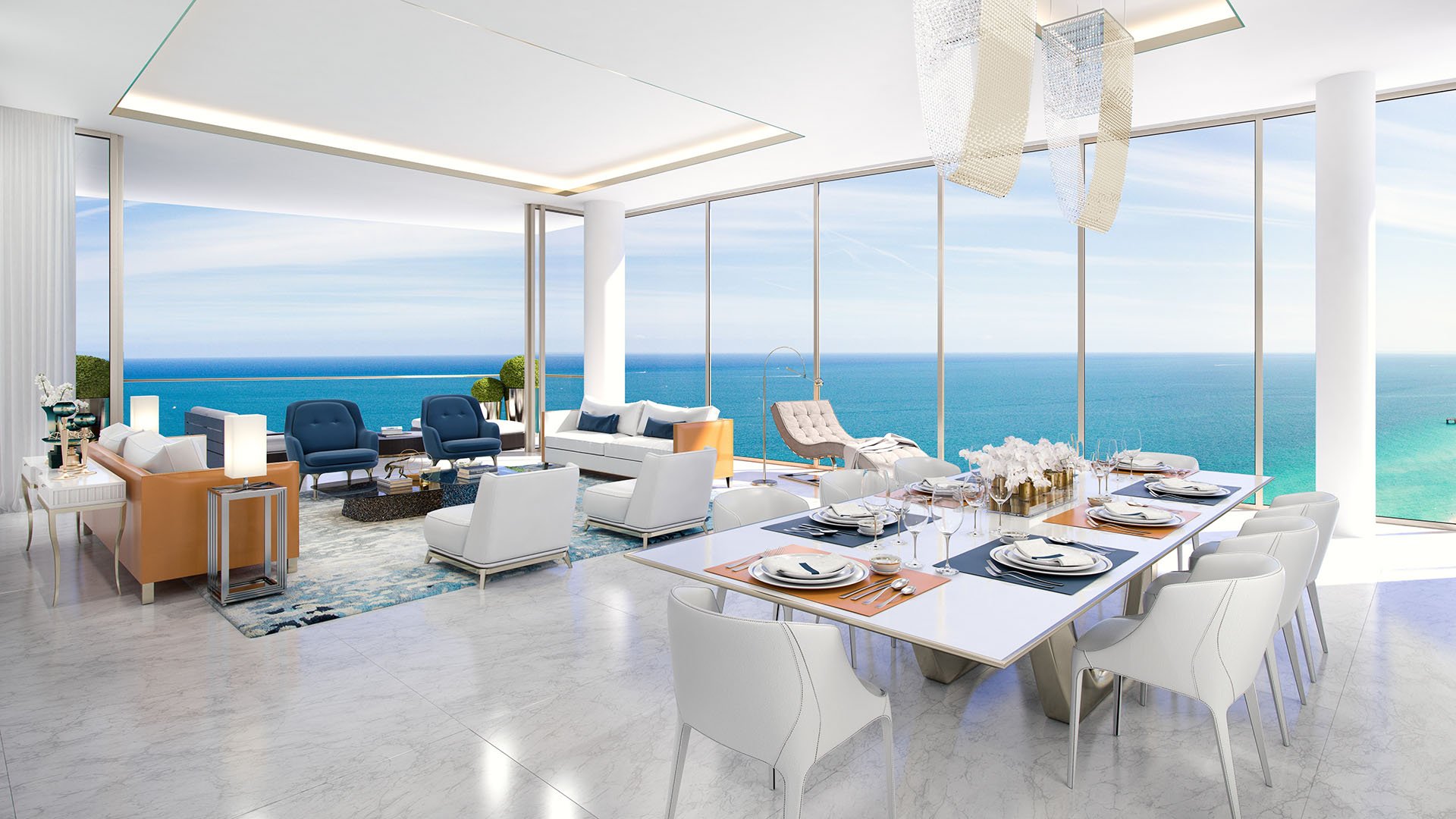
In South Florida’s most polished residential addresses, the beach is not simply an amenity. It is part of the home’s operating system. For buyers considering Bal Harbour, Acqualina residences, or St. Regis-style service environments, beach reservations can reveal how a property manages privacy, staffing, guest flow, peak-season pressure, and the rhythm of daily life.
The subject is practical, but it belongs firmly in a luxury conversation. A residence may offer elegant interiors, expansive terraces, and a celebrated name, yet the morning ritual of securing shade, loungers, towels, and quiet space can determine whether the building feels serene or strained. The strongest buyers ask about these details early, before they become lifestyle friction.
This is especially important along the corridor where Bal Harbour and Sunny Isles meet the ocean. In listing conversations, shorthand terms such as Bal-harbour, Sunny Isles, Beach-access, and Oceanfront often appear, but those words do not always describe the same resident experience. One building may rely on concierge coordination. Another may use a more formal reservation sequence. Another may distinguish between owners, residents, registered guests, and short-term visitors.
Beach access is the ability to reach the sand. Beach service is what happens once you are there. For ultra-premium buyers, that distinction is central because the value proposition is not only proximity to the Atlantic. It is the expectation that the transition from private residence to shoreline feels effortless.
A well-managed system should answer basic questions clearly. Can residents reserve chairs in advance? Are cabanas handled separately from loungers? Is there a defined window for same-day requests? How are holidays, weekends, and high-season periods managed? Is beach setup tied to the unit, the owner, the registered resident, or the number of occupants in the household?
These questions are not minor. They shape entertaining, family visits, second-home usage, and the ability to arrive without negotiation. They also reveal how a building balances exclusivity with fairness. At the highest end, the goal is not simply priority. It is predictability, discretion, and the absence of visible crowd management.
When buyers discuss Acqualina residences, the conversation often turns to service culture. The Estates at Acqualina Sunny Isles also appears in buyer vocabulary because it reflects the broader expectation that a coastal residence should operate with the cadence of a private resort, but with the privacy of ownership.
For any Acqualina-related purchase, the important move is to separate brand impression from operating detail. Ask how the beach team communicates with residents. Ask whether requests are handled by phone, app, building staff, or in-person coordination. Ask whether children, extended family, and guests are counted differently. Ask how the property handles early arrivals, late-afternoon use, and weather interruptions.
The answer does not need to be complicated to be premium. In fact, the most refined systems are usually the least theatrical. They make the resident feel known without requiring the resident to manage the process. For seasonal owners who fly in for concentrated periods, that quiet choreography can be as meaningful as ceiling height or view orientation.
The phrase St. Regis systems suggests a service language built around anticipation, coordination, and consistent standards. In the Sunny Isles conversation, St. Regis® Residences Sunny Isles is a name buyers may use when comparing how branded residential hospitality translates into day-to-day beach life.
For beach reservations, the key is not the brand alone. It is the property-specific protocol. Buyers should verify whether beach privileges are included in association expectations, whether certain setups carry added fees, and how resident requests are prioritized during compressed demand. If a household frequently hosts guests, the guest policy deserves particular scrutiny.
It is also worth asking how staff are trained to handle conflicts. In a luxury building, the test is rarely the normal weekday. The test is a holiday weekend, a fully occupied season, or the moment when multiple owners request similar preferred locations. A graceful system has rules residents can understand and staff can apply without making the beach feel bureaucratic.
A serious buyer should treat beach reservation procedures as part of due diligence. The questions belong beside association budgets, rental rules, valet operations, and amenity hours. They are lifestyle terms, but they carry financial relevance because they influence satisfaction, perceived scarcity, and long-term desirability.
Begin with access. Confirm how residents reach the beach, whether the route is direct, and whether staff are stationed where residents actually need support. Then move to reservations. Ask for the current protocol in plain language: booking method, timing, cancellation expectations, priority rules, guest limits, and any separate treatment of cabanas or daybeds.
Next, examine seasonality. A building that feels effortless in September may feel different in February. If the residence is intended for peak winter use, school breaks, or extended family stays, those patterns should be measured against the reservation rules. The most beautiful oceanfront amenity is only as useful as its availability when the owner wants to use it.
Finally, listen for tone. A confident management team can explain the policy without defensiveness. A vague answer may not signal a problem, but it does signal the need for follow-up. In the luxury tier, ambiguity is rarely a feature.
Beach systems are not always visible in photographs, but they influence how residents speak about a building. Over time, that sentiment can become part of a property’s reputation. Buyers remember whether staff know their preferences, whether guest visits are handled smoothly, and whether the beach feels calm when the building is full.
For owners, this creates a subtle resale advantage. A residence with a reliable shoreline experience may feel easier to recommend, easier to lend to family, and easier to return to season after season. Conversely, a building with unclear rules can create avoidable friction, even if the physical setting is exceptional.
This is why sophisticated buyers do not reduce the question to whether a property has chairs on the sand. They ask how the system performs. They ask who manages it. They ask what happens when demand exceeds supply. The answer may not appear in glossy marketing, but it shapes the lived reality of ownership.
Bal Harbour and Sunny Isles attract buyers who expect privacy, polish, and immediate contact with the water. Yet the two markets can feel different in scale, energy, and building culture. Rather than assume every oceanfront address functions the same way, buyers should compare each building’s beach operation as closely as they compare floor plans.
The strongest fit is personal. A couple seeking quiet weekday use may prioritize ease and privacy. A family with frequent guests may prioritize flexible guest rules and multiple setup options. A seasonal owner may prioritize advance coordination and staff familiarity. An investor-minded owner may focus on whether the amenity experience supports long-term prestige.
For MILLION readers, the lesson is direct: the beach is part of the residence. Its reservation system, staffing model, and resident etiquette deserve the same attention as architecture, finishes, and view corridors.
Are beach reservations the same as beach access? No. Beach access is the ability to reach the shoreline, while reservations address how chairs, shade, cabanas, or service positions may be coordinated.
Should buyers ask about beach rules before making an offer? Yes. Beach procedures can affect daily enjoyment, guest hosting, and seasonal use, so they belong in early lifestyle due diligence.
Do branded residences always have the same beach system? No. Even when a residence carries a familiar service identity, the actual reservation protocol should be verified at the property level.
What is the most important beach-reservation question? Ask how the system works during peak demand, because high-season pressure reveals whether the process is genuinely resident-friendly.
Are guests usually treated the same as residents? Not always. Buyers should confirm guest limits, registration requirements, and whether additional setup rules apply.
Can beach policies affect resale appeal? Yes. A smooth, discreet beach experience can strengthen resident satisfaction and reinforce a building’s reputation over time.
Should cabanas be reviewed separately from loungers? Yes. Cabanas, daybeds, chairs, and umbrellas may follow different policies, priority rules, or fee structures.
Does seasonality matter for beach reservations? Very much. A system that feels open in quieter months may require more planning during holidays and winter season.
What should second-home owners prioritize? They should prioritize advance coordination, clear guest policies, and staff communication that supports intermittent arrivals.
Is a simple reservation system better than a complex one? Often, yes. The best systems feel clear, fair, and nearly invisible to the resident.
If you'd like a private walkthrough and a curated shortlist, connect with MILLION.
If branded residences are on your mind — as a home or as an allocation — we would be glad to share what we are seeing, privately.
Begin a quiet conversation