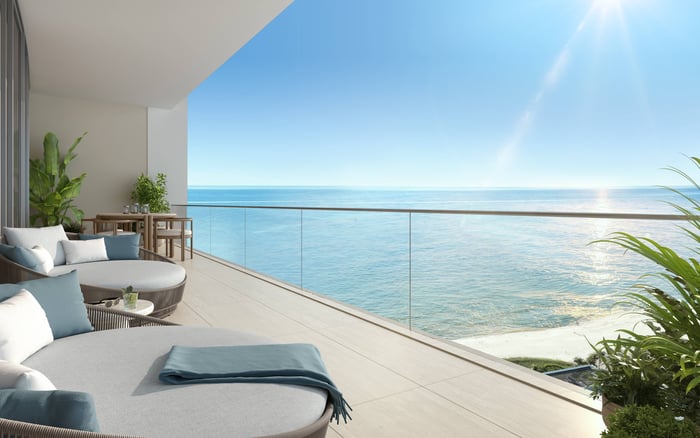
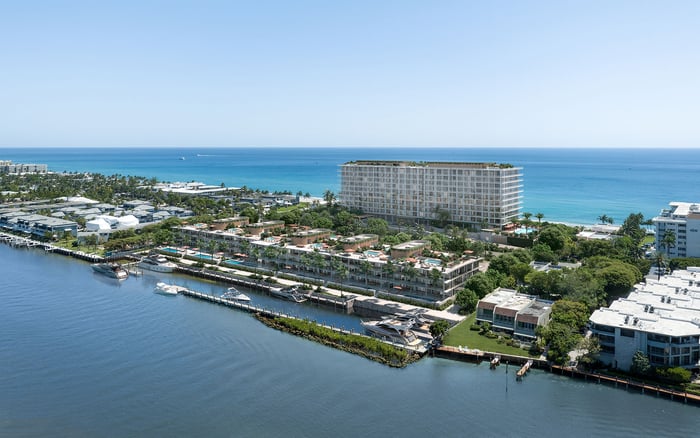
A disciplined framework for testing whether brand prestige at Waldorf Astoria Residences Pompano Beach is supported by enforceable service, sound economics and durable resale appeal.

At Waldorf Astoria Residences Pompano Beach, the central question is not whether the name carries prestige. It is whether that prestige creates measurable value for the specific residence, its ownership documents and the buyer's intended holding period.
That distinction matters across branded residences. A celebrated identity may shape expectations, but the buyer ultimately owns real estate governed by contracts, budgets and operating rules. A disciplined analysis separates the residence's intrinsic qualities from the premium attached to the flag.
For a buyer considering Pompano Beach, the decision calls for both pre-construction diligence and pricing analysis. The objective is not to dismiss emotion, but to determine whether durable substance supports it.
Begin with a simple exercise: value the residence as if the brand name had been removed from the presentation. Examine the floor plan, orientation, view exposure, privacy, arrival sequence, parking arrangement, storage, finish obligations and practical livability. Only then assign separate value to service, identity and potential resale distinction.
This two-step method prevents the brand from obscuring compromises that would matter in any luxury acquisition. It also gives the buyer a clearer basis for negotiation. If the real estate stands on its own, the brand can enhance a strong proposition rather than compensate for an uncertain one.
Test every branded promise against the documents that control it. Counsel should identify which entity licenses the name, which manages the property, how long those arrangements remain in effect and what happens if either relationship changes.
Buyers should also establish where service standards are defined, who can revise them, how owner charges are approved and what remedies exist if delivery falls short. Marketing language may describe an atmosphere; governing documents establish obligations.
Apply the same scrutiny to use restrictions, leasing rules, transfer requirements and any provisions affecting owner access. These terms can shape flexibility, carrying strategy and the future buyer pool. This document-first discipline is especially important when a hospitality identity forms part of the purchase rationale.
Luxury service is not merely a collection of amenities. It is an operating system built on staffing, training, response standards, maintenance and accountability. Ask for a precise explanation of which services are included in common charges, which are billed separately and which depend on availability.
Then pressure-test the experience through ordinary scenarios. How would an owner manage an arrival, a guest, a delivery, a maintenance request or an extended absence? The strongest answers define responsibility and process rather than relying on adjectives.
Privacy warrants equal attention. Buyers should understand how residents, guests, staff and any other users move through shared areas. The relevant issue is not the number of amenities, but whether circulation and operations deliver the discretion expected at this level.
The difference in purchase price is only one component of a brand premium. Buyers should model recurring common charges, optional service costs, insurance exposure, reserves, taxes and likely interior upkeep. The analysis should include a conservative case in which expenses rise faster than anticipated.
Next, test the resale logic. A future buyer may value the name, but will also compare views, layouts, condition, monthly costs and competing inventory. The premium is most defensible when several layers of value align: compelling real estate, disciplined operations, contractual continuity and a credible exit narrative.
Do not assume that every residence in the building merits the same percentage uplift. Premiums can vary by line, elevation, outlook, privacy and plan efficiency. Underwriting should be residence-specific.
The most useful comparisons are not confined to one label or launch period. They should isolate what the buyer is paying for: location, waterfront positioning, design, service structure, scarcity or brand affiliation.
Within the local market, The Ritz-Carlton Residences® Pompano Beach and Armani Casa Residences Pompano Beach can frame questions about alternative brand propositions. W Pompano Beach Hotel & Residences broadens the inquiry into how different operating concepts may shape ownership expectations.
The purpose is not to declare a universal winner. It is to compare like for like at the residence level and identify the proposition that best matches the buyer's priorities.
A rational premium is personal, but not arbitrary. Assign value separately to the residence, service model, contractual protections and anticipated resale distinction. Then compare that total with the asking terms and realistic alternatives.
The right purchase is one in which the name adds confidence to an already persuasive asset. If the case rests primarily on recognition, further diligence is warranted.
What is a brand premium in luxury real estate? It is the amount a buyer may pay above a comparable unbranded proposition for identity, service expectations and potential market distinction.
How should buyers value the Waldorf Astoria name? Value the underlying residence first, then assign a separate amount to enforceable services, operating quality and resale relevance.
Which documents deserve the closest review? Counsel should review the purchase agreement, condominium documents, budget, brand-related agreements, management terms and use restrictions.
Can a brand relationship change? Buyers should determine from the governing agreements how the name and management arrangements may be renewed, modified or terminated.
Are common charges part of the premium analysis? Yes. Recurring charges and separately billed services can materially alter the total cost of ownership over time.
Should every residence receive the same premium? No. Layout, exposure, privacy, elevation and usability can produce materially different value conclusions within a single property.
How can service quality be tested before closing? Ask for written service definitions, staffing responsibilities, fee treatment and escalation procedures for common owner scenarios.
Why compare other Pompano Beach projects? Local alternatives help separate the value of location and physical real estate from the amount attributed to a particular brand.
Does a prestigious name guarantee resale performance? No. Future value also depends on the individual residence, operating costs, property condition, competition and buyer demand.
What is the clearest sign that the premium is justified? The strongest case combines excellent real estate, documented service obligations, sustainable costs and a credible resale rationale.
For a tailored shortlist and next-step guidance, connect with MILLION.
If branded residences are on your mind — as a home or as an allocation — we would be glad to share what we are seeing, privately.
Begin a quiet conversation