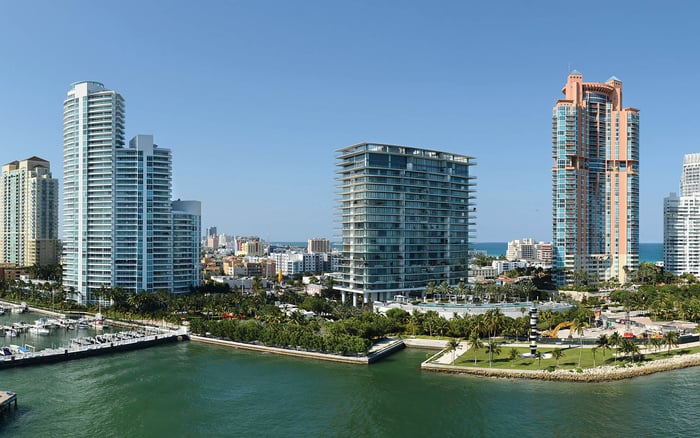
A South Beach residence should be evaluated as an operating system, not simply an address. School-day logistics, recurring travel, building access, privacy, and household staffing can materially reshape which home feels effortless in practice.
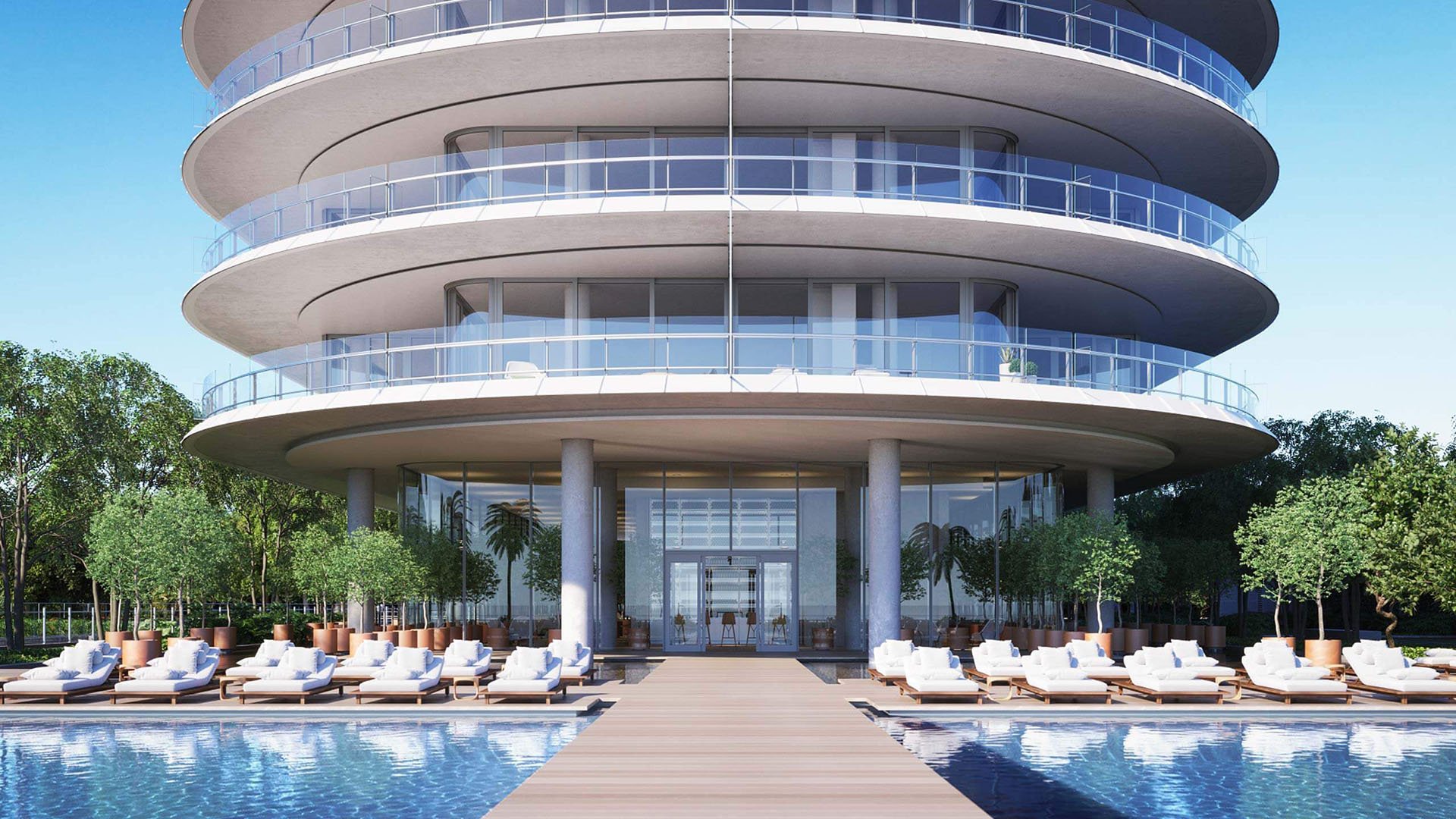
South Beach ownership is often defined by views, architecture, services, and proximity to the water. For a family, principal resident, or frequent visitor, however, the more decisive considerations may emerge between the property line and the rest of the week. Private-school schedules, recurring mainland commitments, household staffing, guest access, and security protocols can reshape the practical value of an otherwise compelling residence.
This is the distinction between purchasing an impressive property and selecting a home that performs elegantly. In Miami Beach, lifestyle value is highly personal. A residence suited to spontaneous weekends may prove less persuasive when measured against weekday departures, children’s activities, executive travel, or the expectations of a multigenerational household.
The ownership equation should therefore begin with use. Buyers should define who will occupy the home, when they will arrive, where they must go, and which moments demand the greatest discretion. Only then should floor plans and finishes take center stage.
A private-school decision is not merely about distance on a map. The relevant measure is the complete school-day sequence: elevator wait, vehicle retrieval, departure procedure, route choice, drop-off timing, afternoon pickup, activities, and the return home. A seemingly modest inconvenience, repeated twice daily, can become more consequential than an amenity used only occasionally.
Test likely routes during the household’s actual travel windows rather than relying on an idealized drive. Consider whether one child’s schedule overlaps with another’s, whether a driver has a practical place to wait, and how weather or a late dismissal affects the day. If caregivers or tutors visit regularly, examine how readily they can be admitted without compromising privacy.
A buyer comparing Apogee South Beach with Continuum on South Beach should apply the same written school-day scenario to each property. The goal is not to declare a universal winner, but to identify which arrival, parking, access, and handoff sequence best suits the family’s established rhythm.
Commute analysis should account for frequency, timing, and tolerance. A trip made five mornings a week deserves more weight than a destination visited twice a month. Likewise, a household with flexible hours may experience South Beach differently from one structured around fixed meetings, school bells, court times, or flight departures.
Build a seven-day mobility diary before making an offer. Record recurring destinations, preferred departure windows, who is driving, and what happens when plans overlap. Then test the highest-friction journeys in person. The exercise is less about predicting an exact travel time than understanding variability, decision points, and the attention each trip demands.
For buyers considering Five Park Miami Beach, the residence should be evaluated within that broader diary rather than in isolation. Ask whether the household can depart smoothly, receive a second vehicle, accommodate a driver, and manage deliveries while residents are in transit. Convenience is cumulative, and minor points of friction often reveal themselves only through repetition.
A second-home buyer may place less weight on the weekday commute, but more on airport-day coordination, property preparation, and effortless arrival after an absence. The same location can therefore present a different value proposition depending on the occupancy pattern.
Security is most meaningful when examined as a chain rather than a single amenity. Buyers should walk every relevant path: resident arrival, guest entry, service access, deliveries, parking, elevator use, amenity circulation, and entry into the residence. The objective is to understand where identity is confirmed, where movement is observed, and how exceptions are handled.
Request clear explanations of visitor authorization, after-hours procedures, staff access, package handling, key control, and emergency communication. If privacy is paramount, consider how the system performs when several events occur at once-for example, when a guest arrives as a delivery is made and household staff change shifts.
When touring The Ritz-Carlton Residences® South Beach, buyers can ask management to describe these scenarios step by step. Brand recognition should not replace operational due diligence. The relevant question is whether protocols are consistent, discreet, and aligned with the owner’s expectations.
Waterfront appeal is immediate, but ownership should also be assessed through maintenance, privacy, and household routines. Ask how residents move from the beach or pool back to the residence, how wet equipment is handled, and whether family members can circulate comfortably without crossing service activity.
Beach access can be especially important for households with children, guests, or staff. Buyers should physically trace the route and consider supervision, storage, entry control, and the transition into private living areas. A beautiful amenity becomes more valuable when its use feels intuitive.
The purchase price is only one line in a more personal calculation. Buyers should also account for the value of time, the need for drivers or household staff, vehicle strategy, property management, privacy expectations, and the ease of opening and closing the residence. None of these factors automatically argues for or against South Beach. Together, they determine which form of ownership is appropriate.
Create a weighted scorecard before comparing homes. School logistics, commute reliability, security, guest handling, parking, staffing, and lock-and-leave readiness should each receive a weight based on the household’s actual priorities. Score every finalist using the same questions, then revisit the weakest category before proceeding.
This approach preserves the emotional pleasure of buying while placing it within a disciplined framework. The strongest choice is often not the residence with the longest amenity list, but the one that removes the most friction from the owner’s real life.
Should buyers test school routes before making an offer? Yes. Test the complete door-to-door routine during the hours the household expects to travel.
Is the closest school always the most practical choice? Not necessarily. Arrival procedures, activities, sibling schedules, and route variability can matter as much as nominal distance.
How should a flexible work schedule affect the analysis? It may reduce sensitivity to peak travel periods, but recurring meetings and family commitments should still be tested separately.
What should buyers ask about guest security? Ask how visitors are authorized, identified, directed, and handled after hours or during simultaneous arrivals.
How should household staff factor into a purchase? Review access, parking, shift changes, service circulation, storage, and the family’s expected privacy boundaries.
Does a second residence require a different checklist? Yes. Emphasize property preparation, remote oversight, deliveries, guest authorization, and ease of arrival after an absence.
What parking questions deserve attention? Confirm how resident, guest, staff, and driver vehicles are accommodated during both routine days and busy periods.
How can buyers compare security between buildings? Use identical arrival, delivery, guest, and emergency scenarios, then ask each property to explain its procedures in sequence.
Should beach routines influence the floor-plan decision? Yes. Consider storage, circulation, supervision, privacy, and the transition from shared amenities into the residence.
What is the most useful final step before buying? Revisit the property using the household’s most demanding real-life scenario and assess every point of friction.
If you'd like a private walkthrough and a curated shortlist, connect with MILLION.
If branded residences are on your mind — as a home or as an allocation — we would be glad to share what we are seeing, privately.
Begin a quiet conversation