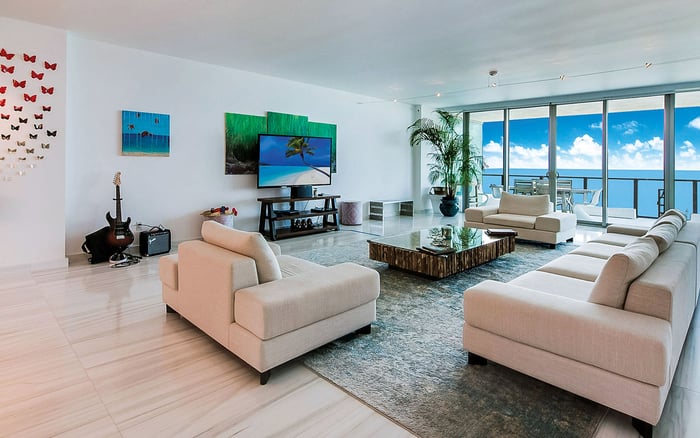
A buyer-focused comparison of Avenia Aventura, La Maré Bay Harbor Islands, and Oceana Key Biscayne through the operational details that shape daily luxury living: pets, service circulation, staff access, deliveries, and condominium rule flexibility.

For buyers comparing Avenia Aventura, La Maré Bay Harbor Islands, and Oceana Key Biscayne, the decision extends beyond architecture, amenities, or the emotional pull of a waterfront address. At the upper end of the South Florida market, daily ease is a defining form of luxury. The wrong pet protocol, elevator rule, delivery window, or vendor approval process can make an otherwise beautiful residence feel less effortless than expected.
That is why this comparison is best treated as an operational due-diligence exercise, not a ranking. Avenia Aventura is the Aventura option, La Maré Bay Harbor Islands is the Bay Harbor Islands option, and Oceana Key Biscayne is the Key Biscayne option. Each may suit a different buyer profile, but none should be presumed more accommodating or more restrictive without a review of its governing documents.
The central question is simple: which building’s rules best match the way you actually live?
Begin with three columns: pets, service circulation, and house-rule flexibility. Under pets, confirm how many animals are permitted, whether weight or breed limits apply, whether interviews are required, what fees may be charged, which elevators pets may use, and whether dog-walkers are treated as vendors. When written rules are available, do not rely on conversational summaries.
Under service circulation, clarify whether there is a dedicated service elevator, whether reservations are required for moves or large deliveries, whether blackout hours apply, and whether housekeeping, dog-walkers, drivers, contractors, and private staff must follow separate access procedures. A residence that works beautifully for an owner-occupant may be less convenient for a household with frequent vendors or seasonal service needs.
Under house-rule flexibility, ask how exceptions are granted, who approves them, whether enforcement sits with management, the board, or a committee, and whether fines are published. Resale buyers should be especially careful to distinguish what a current owner has been informally allowed to do from what a future owner will be entitled to do.
Avenia Aventura should be evaluated through the lens of Aventura condo living, where convenience, mobility, service routines, and pet logistics often intersect. A buyer considering Avenia Aventura should request the condominium declaration, bylaws, rules and regulations, pet addenda, move-in and move-out procedures, and elevator reservation policy before relying on marketing language or informal assurances.
For pet owners, the first task is not to ask whether the building is “pet friendly.” That phrase is too broad to be useful. Instead, ask for the exact written pet policy and confirm limits, procedures, elevator expectations, dog-walker access, registration requirements, and any applicable fees. If a pet is central to the household, these details belong in the first round of due diligence, not near closing.
Service elevator questions carry the same weight. Buyers should verify whether moves, deliveries, dog-walkers, staff, vendors, housekeeping, and contractors must use a service elevator or separate entry protocol. A household with frequent deliveries, design installations, visiting staff, or rotating service providers may value predictable logistics as much as the floor plan.
For Aventura buyers who prize ease, the best fit will be the building whose written operations align with everyday habits.
La Maré Bay Harbor Islands should be assessed as the Bay Harbor Islands choice in this comparison. The appeal of Bay Harbor Islands living often rests on a quieter, more residential rhythm, but that does not eliminate the need for document-level clarity. Boutique environments can feel highly personal, yet they still operate under formal rules.
Here, buyers should ask the same core questions with particular care: What is the written pet policy? Are there pet addenda? Which elevators or circulation paths apply to pets? Are dog-walkers considered vendors? Are there procedures for deliveries, contractors, housekeeping, and move-ins? If the buyer expects a discreet, low-friction lifestyle, the building’s operating culture matters.
La Maré Bay Harbor Islands may speak to buyers who want a more intimate setting, but intimacy does not automatically mean flexibility. The only reliable measure is the language in the declaration, bylaws, rules and regulations, pet documents, and elevator policies. If exceptions are possible, buyers should know who grants them, whether approval is written, and whether similar requests have a formal procedure.
The practical takeaway is that the Bay Harbor Islands decision should not be made on atmosphere alone. It should be made on whether the rules support the household’s actual patterns.
Oceana Key Biscayne enters the comparison as the Key Biscayne option, where lifestyle expectations can include resort-like privacy, outdoor routines, household staff, visiting guests, and a high premium on calm. Those expectations make operational rules especially important.
Pet owners should verify all written pet requirements before purchase. That includes confirming limits, registration, elevator use, access routes, dog-walker treatment, fees, and any management approvals. Without building documents or management confirmation, it would be unwise to assume exact pet limits, breed rules, pet-walk routes, or service-animal procedures.
Service logistics deserve equal scrutiny. Buyers should confirm whether moves, deliveries, housekeeping, private staff, vendors, dog-walkers, and contractors are directed through a service elevator or separate access point. They should also ask whether elevator reservations are required, whether restricted hours apply, and whether staff can access a residence when the owner is not present.
For the Key Biscayne buyer, the core issue is not whether Oceana Key Biscayne feels luxurious. It is whether its documented operating rules support the particular lifestyle the buyer intends to maintain.
Pets can be among the most personal parts of a purchase decision, but the inquiry must be precise. Ask how many pets are allowed, whether weight or breed restrictions apply, whether pets must be registered, whether interviews are required, whether fees or deposits apply, and which elevators pets may use.
Then move beyond the animal itself. If a dog-walker will come daily, is that person treated as a vendor? Can they enter without the owner present? Are there insurance or identification requirements? Can pets pass through common areas at any hour, or are there preferred routes? These details may determine whether a residence supports a household’s real routine.
No buyer should label Avenia Aventura, La Maré Bay Harbor Islands, or Oceana Key Biscayne as the easiest or strictest choice without written confirmation.
In luxury buildings, the service elevator is not a back-of-house footnote. It is the spine of household operations. Moves, furniture deliveries, art installation, housekeeping, grocery delivery, dog-walking, repairs, and vendor appointments may all depend on how service circulation is managed.
Ask whether reservations are required, how far in advance they must be made, whether deposits or certificates of insurance are needed, whether blackout hours apply, and whether weekend or holiday access is limited. If the buyer plans to renovate, entertain frequently, or maintain a staffed residence, these rules can materially affect convenience.
A building’s elegance is often measured by what residents do not have to think about. The paperwork reveals whether that elegance is supported by practical systems.
House-rule flexibility is not the same as informality. A well-run condominium may allow exceptions, but serious buyers should understand the approval chain. Is management empowered to decide, or does the board review requests? Are committees involved? Are fines published? Are seasonal owners handled differently from full-time residents?
The best outcome is not necessarily the loosest rulebook. It is a clear rulebook, consistently enforced, with a transparent path for reasonable exceptions. That level of clarity protects both privacy and property value.
Which building is best for pet owners? None should be ranked without the written pet policy. Buyers should compare pet limits, fees, elevator use, and dog-walker access in the documents.
Should I rely on sales language about pets? No. Request the pet addenda, rules and regulations, and management confirmation before assuming any pet privilege applies.
Why do service elevator rules matter? They affect moves, deliveries, housekeeping, dog-walkers, vendors, contractors, and private staff access.
Can staff enter when the owner is away? That depends on the building’s access policy. Buyers should confirm written procedures for staff, vendors, keys, and authorization.
Are Avenia Aventura rules the same as La Maré Bay Harbor Islands rules? No assumption should be made. Each condominium must be reviewed through its own governing documents.
Is Oceana Key Biscayne automatically more flexible because of its lifestyle setting? No. Lifestyle appeal does not establish house-rule flexibility, which must be verified in writing.
What documents should buyers request first? Ask for the declaration, bylaws, rules and regulations, pet addenda, move procedures, and elevator reservation policy.
Who approves exceptions to house rules? It may be management, the board, or a committee. The approval authority should be confirmed before purchase.
Do seasonal owners need different due diligence? Yes. Seasonal owners should pay close attention to guest access, staff authorization, deliveries, and vendor scheduling.
What is the safest way to choose among the three? Match the written rules to your household’s daily operations rather than relying on assumptions about luxury.
If you'd like a private walkthrough and a curated shortlist, connect with MILLION.
If branded residences are on your mind — as a home or as an allocation — we would be glad to share what we are seeing, privately.
Begin a quiet conversation