A buyer-focused look at La Maré Bay Harbor Islands through the practical lens of lock-and-leave confidence, from staffing and governance to storm readiness, security, and bayfront ownership.
For a South Florida owner who lives well and travels often, the most valuable luxury may be the ability to close the door and leave with confidence. At La Maré Bay Harbor Islands, that idea deserves a practical reading. The question is not only whether the residence feels serene when occupied. It is whether the home, the building, the association culture, and the operating protocols feel dependable when the owner is in Aspen, London, New York, or aboard a yacht for several weeks.
La Maré Bay Harbor Islands is a luxury condominium project in Bay Harbor Islands, a setting that naturally appeals to buyers who want a quieter residential atmosphere near Bal Harbour, Surfside, and Miami access routes. That location matters for lifestyle, but it also matters operationally. Owners who travel frequently tend to think beyond finishes and views. They ask how a property performs when no one is inside the residence, when weather changes quickly, when a delivery needs coordination, or when management must communicate with precision.
That is why La Maré Bay Harbor Islands belongs in a conversation that includes Bay Harbor discretion, Bal Harbour access, Surfside proximity, boutique scale, and waterview ownership. The vocabulary may be aspirational, but the diligence should be concrete.
The phrase lock-and-leave can be overused in luxury real estate. For full-time owners, it should mean the ability to leave a primary residence unoccupied for days, weeks, or months while relying on layered security, stable building systems, and responsive management. This is different from occasional second-home use. A full-time owner may keep clothing, art, wine, documents, vehicles, and personal routines centered in the residence. The cost of poor coordination is not theoretical.
Diligence should begin with building access and communication. Buyers should understand how visitors are handled, how resident absences are noted, how packages or service providers are managed, and how staff escalate issues. The most reassuring buildings tend to have a culture of awareness rather than anonymity. In a boutique condominium, that can be a meaningful advantage if the staff and association know residents well enough to recognize what is normal and what is not.
The next layer is governance. A beautiful lobby matters less than the discipline behind maintenance schedules, reserve planning, insurance discussions, vendor relationships, and emergency protocols. Lock-and-leave confidence depends on what happens when no one is making a dramatic presentation. It is built through routine, repetition, documentation, and accountability.
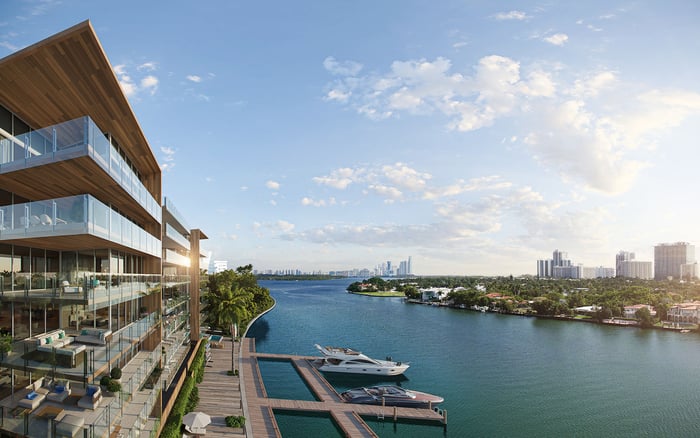
La Maré’s bayfront setting is central to its appeal. Water views, softer light, and a calmer residential rhythm are part of the emotional draw. Yet bayfront ownership in South Florida also asks buyers to be exacting. Waterfront condominium ownership should include questions about storm resilience, flood exposure, drainage, and the protection of mechanical systems.
For owners who travel during hurricane season, the question becomes more specific: how is the building sealed, monitored, and managed when residents are away? Buyers should ask how notices are delivered, how preparation timelines are communicated, and what owners are expected to handle inside their residences before departure. They should also clarify what the association handles for common areas and what remains the responsibility of each individual owner.
This does not mean treating waterfront living as fragile. It means treating it as serious. In South Florida, the most sophisticated buyers often accept climate realities without drama. They simply want to know whether the building’s operating culture is disciplined enough to manage them.
Security in a lock-and-leave context is not defined by one door, one camera, or one amenity. It begins with the broader neighborhood context, continues through controlled building access, and depends on staff awareness of resident absences. The practical buyer wants to know whether a building can distinguish routine activity from irregular activity.
For a full-time owner, discretion is part of security. Travel patterns, service schedules, deliveries, and guest access should be handled with care. A residence that will sometimes sit unoccupied needs policies that do not depend on improvisation. Owners should understand how keys or access credentials are controlled, how contractors are logged, and how management communicates with residents while they are away.
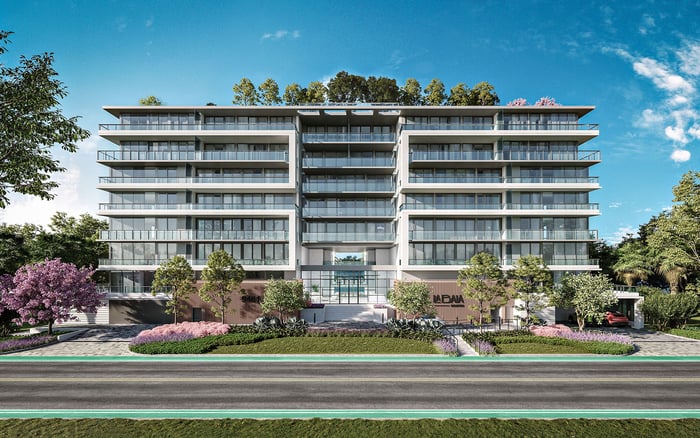
A boutique setting can be helpful here, not because smaller is automatically better, but because scale can influence behavior. In a large resort-style tower, the daily rhythm may be energetic, transient, and more anonymous. In a more residential boutique environment, a staff-aware culture may make it easier to notice the small details that protect peace of mind.
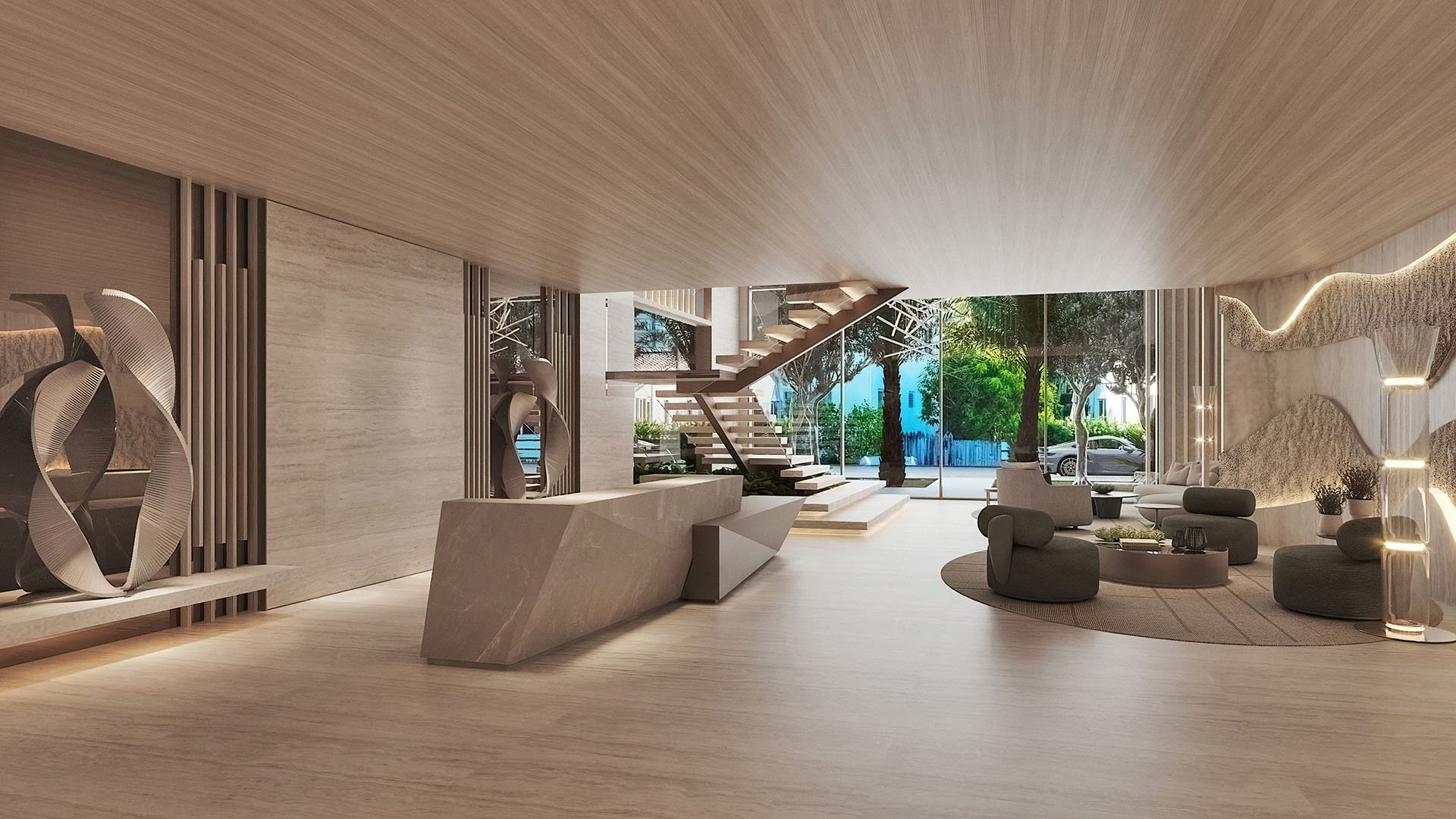
Luxury buyers are often trained to evaluate what they can see: stone, glass, ceiling heights, terraces, arrival sequences, and water views. For lock-and-leave living, the invisible qualities may matter more. Management culture is one of them.
A well-run building should make ordinary questions feel easy. Who is contacted in an emergency? How quickly are residents notified about building issues? What is the procedure if a leak is suspected in a unit while the owner is abroad? How are vendors approved? How does the association coordinate before and after major weather events? These are not anxious questions. They are the questions of a buyer who expects the property to operate at the same level as it presents.
Operational reliability can matter as much as design, branding, and views in South Florida’s luxury condominium market. At this tier, the buyer is not merely purchasing a residence. The buyer is joining an operating environment. The quality of that environment becomes most visible when the owner is not there.
Before committing to any lock-and-leave lifestyle, buyers should request clarity on several categories. First, they should review association documents, rules, and owner responsibilities for unit access, maintenance, and emergency entry. Second, they should ask about communication protocols, including how notices are issued during weather events or building service interruptions. Third, they should understand insurance requirements, service-provider rules, and any procedures related to extended absences.
Fourth, buyers should evaluate building systems in a waterfront context. Mechanical-equipment protection, drainage logic, common-area resilience, and storm preparation policies deserve careful attention. Fifth, they should ask how the building expects owners to prepare residences before longer trips, especially during hurricane season.
The best outcome is not a verbal reassurance. It is a clear sense that the building has treated absence as a normal ownership pattern. For many affluent South Florida residents, travel is not occasional. It is part of life.
La Maré may resonate with buyers who want the calm of Bay Harbor Islands without giving up proximity to Bal Harbour, Surfside, and Miami. It may also suit owners who prefer a more residential scale over the atmosphere of a large resort-style tower. For these buyers, the appeal is not only the bayfront setting. It is the possibility of living in a place that feels composed when occupied and organized when vacant.
Still, the right buyer should proceed with precision. Lock-and-leave confidence is earned through verification. The strongest purchase decision will come from pairing the emotional appeal of bayfront living with a sober review of governance, communication, staffing, security, and resilience.
What does lock-and-leave mean for a full-time owner? It means the residence can be left unoccupied for extended periods while the owner relies on security, management, communication, and building stability.
Is La Maré Bay Harbor Islands positioned for owners who travel often? The topic is best understood through that lens, especially for buyers who want to evaluate how the building may support frequent absences.
Why does Bay Harbor Islands matter for this kind of ownership? It offers a quieter residential setting near Bal Harbour, Surfside, and Miami access routes, which can appeal to owners seeking calm without isolation.
What should buyers ask about storm readiness? Buyers should ask how the building is sealed, monitored, communicated with, and managed before, during, and after major weather events.
Why is bayfront due diligence important? Waterfront ownership brings lifestyle advantages, but buyers should also evaluate flood exposure, drainage, resilience, and mechanical-system protection.
Does boutique scale automatically improve lock-and-leave confidence? Not automatically, but boutique scale can support a more residential, staff-aware operating culture when management is disciplined.
What security layers matter most? Buyers should consider the neighborhood context, controlled access, visitor procedures, contractor protocols, and staff awareness of resident absences.
Should owners rely only on smart-home features? No. Technology can help, but lock-and-leave confidence also depends on governance, staffing, maintenance routines, and emergency procedures.
What documents should be reviewed before purchase? Association documents, rules, insurance requirements, emergency access policies, and maintenance responsibilities should all be reviewed carefully.
Who is the ideal buyer for this kind of residence? The ideal buyer values bayfront living, residential quiet, and a management culture that can support frequent travel with minimal friction.
When you're ready to tour or underwrite the options, connect with MILLION.
If branded residences are on your mind — as a home or as an allocation — we would be glad to share what we are seeing, privately.
Begin a quiet conversation