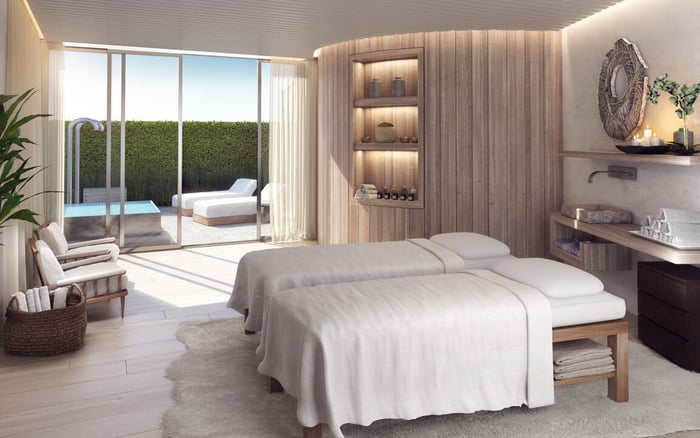
A discreet buyer’s guide to the distinct resort-residential personalities of Auberge Beach Residences and Four Seasons in Fort Lauderdale.
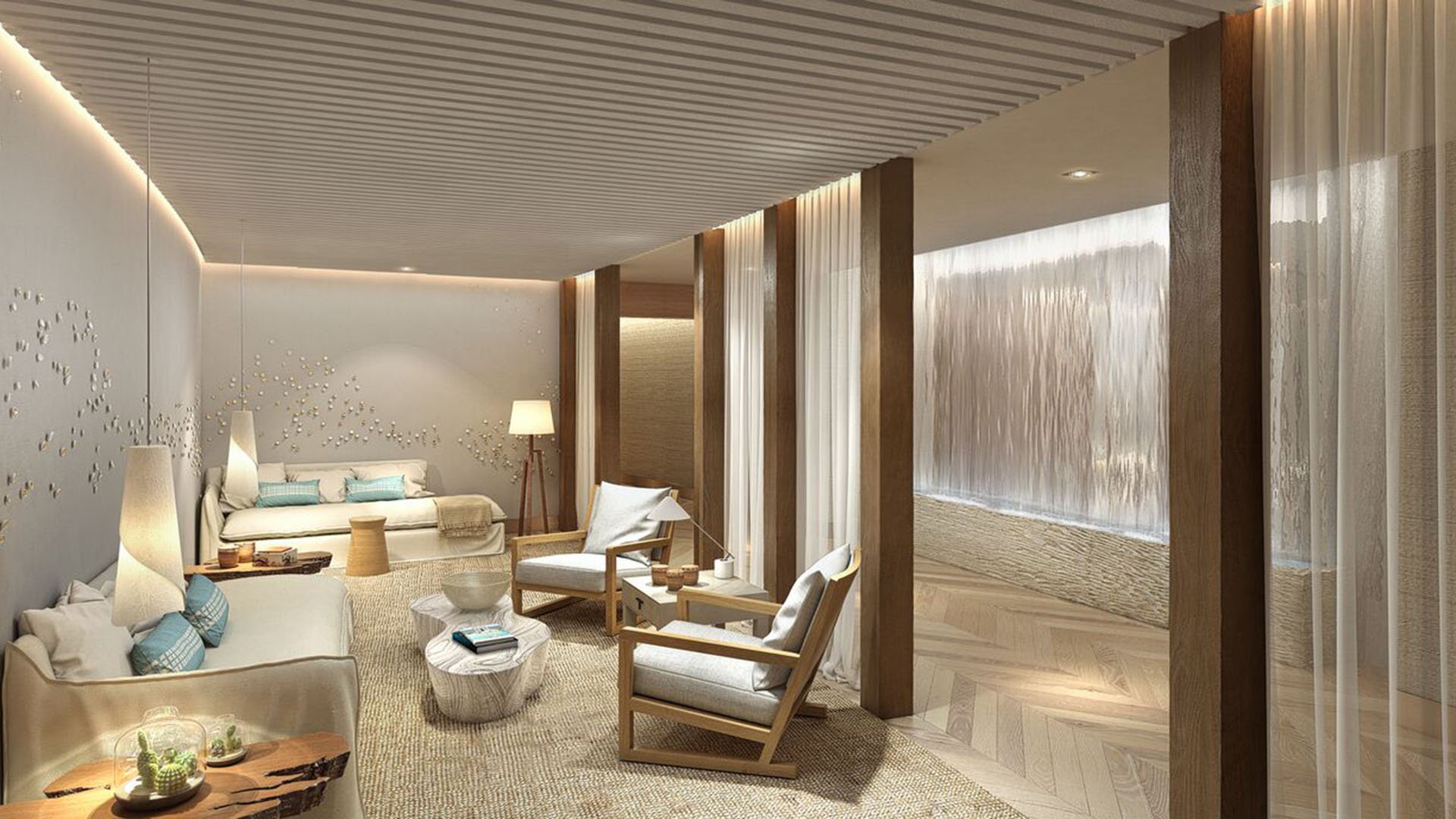
For buyers considering Fort Lauderdale’s most recognizable resort-residential addresses, the choice between Auberge Beach Residences & Spa Fort Lauderdale and Four Seasons Hotel & Private Residences Fort Lauderdale is not simply a question of which name sounds more prestigious. Both belong in the conversation for refined beachfront living, yet they speak to different instincts: one buyer may want a residence shaped by a beach-club rhythm, while another may prefer the familiarity and ceremonial polish of a global hospitality flag.
That distinction matters because ultra-premium buyers rarely purchase only a floor plan. They purchase a daily pattern. Morning light, arrival sequence, staff interaction, lobby energy, privacy expectations, hosting style, and ease of seasonal use all become part of the asset. In portfolio language, the decision often sits at the intersection of Fort Lauderdale, oceanfront, beach access, and second-home priorities.
Auberge Beach Residences Fort Lauderdale tends to resonate with buyers who want the residence to feel inseparable from the shore. The name signals a lifestyle built around beach and spa sensibility, a framing that can be compelling for owners who imagine their South Florida home as a calm counterpoint to more urban holdings elsewhere.
This buyer is often less interested in theatrical formality and more interested in atmosphere. The ideal day begins without friction: coffee, ocean air, wellness, a quiet lunch, and an evening that feels polished but not performed. For a seasonal owner, that ease can be the point. The residence does not need to announce itself loudly if it delivers the emotional utility of being on the sand.
Auberge also fits buyers who think in terms of long-stay comfort. They may host family for school breaks, invite close friends for weekends, or use the property as a warm-weather retreat where the beach is the primary amenity. In that sense, the brand conversation is less about a hotel stay and more about a residential mood.
Four Seasons Hotel & Private Residences Fort Lauderdale speaks to a different, equally sophisticated buyer. The Four Seasons name carries a strong association with service choreography, hospitality consistency, and a more internationally legible ownership experience. For many buyers, that familiarity is not incidental. It is why the address enters the shortlist.
This buyer may travel frequently and value the sense of returning to a known service culture. They may prefer a property that feels intuitive for guests, advisors, and family members who already understand what a Four Seasons environment implies. The appeal is not only luxury, but predictability. In the high-end market, predictability is its own form of comfort.
For some owners, the hotel component suggested by the name is part of the draw. It can create a more animated arrival experience and a stronger resort cadence, particularly for buyers who enjoy feeling connected to a broader hospitality ecosystem. Others may weigh that same quality carefully if they prefer a quieter residential posture. The right answer depends on temperament.
The most useful comparison is not Auberge versus Four Seasons as brands. It is privacy versus energy, softness versus structure, and retreat versus hospitality fluency. A buyer who wants a serene residential canvas may read Auberge as more emotionally aligned. A buyer who wants a globally recognizable service framework may lean toward Four Seasons.
Couples should also consider how they entertain. If the residence is primarily for intimate family time, a calmer residential feeling may matter more than a high-profile arrival. If the property will host friends, business associates, or multigenerational guests, the service association of Four Seasons may feel reassuring. Neither priority is inherently superior. Each describes a different owner profile.
This is where a seasoned advisor becomes useful. The best purchase is not always the one that photographs most dramatically. It is the one whose operating rhythm feels natural after the third month, the third visit, and the third holiday season.
Fort Lauderdale has matured into a serious luxury-residential market in its own right, not merely an alternative to Miami. Its waterfront identity, boating culture, and resort-oriented coastline give buyers a proposition distinct from Brickell, Coconut Grove, South Beach, or Palm Beach. The city can feel more relaxed than Miami Beach while still offering a polished coastal lifestyle.
That broader context helps explain why buyers also look laterally at projects such as Andare Residences Fort Lauderdale, St. Regis® Residences Bahia Mar Fort Lauderdale, and The Ritz-Carlton Residences® Fort Lauderdale when calibrating brand appetite and lifestyle fit. These comparisons do not replace the Auberge versus Four Seasons decision, but they sharpen it.
If the buyer’s heart is set on sand, sea air, and a resort-residential rhythm, the shortlist narrows quickly. If the buyer is evaluating Fort Lauderdale as part of a larger South Florida portfolio, branded residences across the city become useful reference points for tone, positioning, and personal use.
Start with use case. A primary or frequent-use residence should be judged by daily comfort, not brand prestige alone. A seasonal residence should be evaluated for lock-and-leave ease, guest comfort, and the emotional pull that will make the owner actually use it. A legacy purchase should be tested against family habits: grandchildren, visiting adult children, holiday routines, and long weekends.
Then consider the buyer’s tolerance for energy. Some owners want the soft pulse of a resort environment. Others want a more residential calm. The names Auberge and Four Seasons both suggest luxury, but the lived experience can feel different depending on how each owner responds to service, arrival, shared spaces, and the social atmosphere around them.
Finally, look beyond the first impression. A beautiful lobby matters, but so does how it feels on a busy weekend. A strong brand matters, but so does whether it matches the owner’s idea of privacy. The most elegant decision is the one that makes the residence feel effortless.
Is Auberge Beach Residences Fort Lauderdale better than Four Seasons Residences Fort Lauderdale? Not universally. Auberge may suit buyers seeking a softer beach-residential mood, while Four Seasons may suit buyers who value a globally familiar hospitality environment.
Who is the typical Auberge buyer? The Auberge buyer often prioritizes calm, wellness, and a residence that feels closely connected to the beach lifestyle.
Who is the typical Four Seasons buyer? The Four Seasons buyer often values service recognition, hospitality polish, and an ownership experience that feels familiar across markets.
Are both appropriate for a second-home strategy? Yes, both can make sense for a second-home buyer, provided the residence matches how often the owner will visit and how they prefer to live while in Fort Lauderdale.
Should buyers compare other Fort Lauderdale branded residences too? Yes. Nearby branded options can help clarify whether the buyer prefers beachfront resort energy, marina-oriented living, or a more urban residential rhythm.
Is brand more important than floor plan? No. Brand can support confidence, but light, layout, view orientation, privacy, and daily comfort remain central to the ownership experience.
Does a hotel component matter to private-residence buyers? It can. Some owners appreciate hospitality energy and service familiarity, while others prefer a quieter purely residential feeling.
Which option is more discreet? Discretion depends on the specific residence, arrival experience, and owner expectations rather than the name alone.
What should international buyers focus on first? They should focus on ease of use, service expectations, travel patterns, and whether the building’s rhythm fits family and guest needs.
What is the smartest way to decide? Walk both properties with a clear use case, then judge which one feels more natural for the way you will actually live.
When you're ready to tour or underwrite the options, connect with MILLION.
If branded residences are on your mind — as a home or as an allocation — we would be glad to share what we are seeing, privately.
Begin a quiet conversation