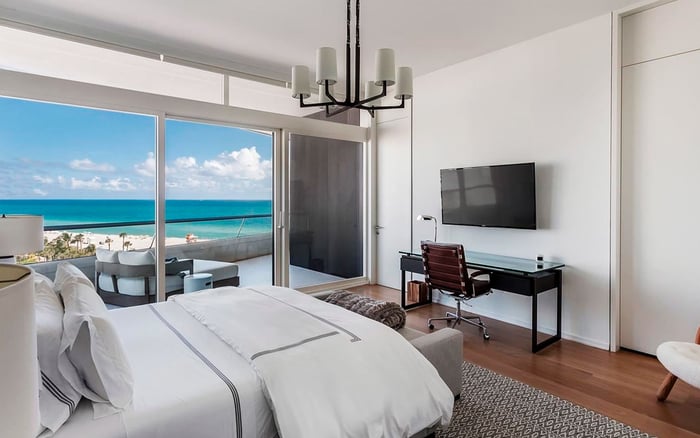
A discreet, buyer-oriented playbook for organizing household staffing in a service-led Brickell Key residence, from coverage planning and privacy controls to payroll cadence and contingency.

At The Residences at Mandarin Oriental, Miami, the “schedule” isn’t a spreadsheet you revisit only when something breaks. It’s a living operations system designed to protect your time, privacy, and the tone of the home. In a luxury setting, a well-run staff calendar should feel nearly invisible to the owner-yet remain precise enough to absorb travel weeks, guests, maintenance cycles, and Miami’s seasonal tempo.
For buyers and owners coming from single-family staffing, the high-rise environment adds a second layer of choreography: access protocols, elevator timing, deliveries, and coordination with on-site teams. The objective is a staffing rhythm that respects residential privacy while still delivering hotel-grade consistency.
A useful mindset: you are not “staffing tasks.” You are staffing outcomes-a residence that stays guest-ready, secure, and maintained, supported by a predictable weekly cadence and clear escalation paths.
Before you assign shifts, build a service map that reflects how the residence is actually used. The same headcount can perform very differently depending on whether the home is a primary residence, a frequent pied-à-terre, or an entertaining-forward property.
Build your map around four operating modes:
Away mode: low-visibility upkeep, security checks, plant care, humidity control, preventive maintenance, and a weekly deep-clean rotation.
Arrivals and departures: pre-arrival staging, pantry stocking, linens, fragrance neutrality, laundry readiness, and a post-departure reset.
Entertaining mode: event prep, vendor coordination, service flow, coat management, staging, and end-of-night breakdown.
Lifestyle mode: daily housekeeping, laundry, personal assistance, errands, light cooking support, and ongoing organization.
Once these modes are defined, roles are easier to right-size. In many ultra-premium residences, the core roster can remain intentionally lean when it’s supported by a dependable bench of vetted part-time help for peak periods.
To benchmark expectations across Miami’s most service-driven product, owners often look at how hospitality-adjacent buildings in Brickell and beyond structure consistency and discretion, from Baccarat Residences Brickell to other high-touch towers.
A refined schedule is built on coverage blocks and overlap windows.
Start by defining what requires continuous coverage versus what can be handled in set windows.
Continuous coverage examples: daily turnover readiness, package/delivery coordination, security-sensitive access management, urgent maintenance triage.
Windowed work examples: deep cleaning, wardrobe organization, vendor walkthroughs, non-urgent repairs, inventory counts.
In a luxury home, the most valuable minutes are the overlap minutes-when handoffs happen cleanly and nothing is lost in translation.
Add a brief overlap between morning and afternoon coverage for clear transitions.
Add a larger overlap before entertaining nights to stage, coordinate, and pre-brief.
Quiet hours aren’t only for the owner. They are operational boundaries that preserve the residence’s calm.
Limit heavy vacuuming, drilling, furniture moves, and multi-vendor activity.
Use quiet hours for low-noise work: light tidying, laundry folding, admin, and supply restock.
A strong high-rise rule: schedule the most visible activity for times when owners are predictably out-or least likely to move through main areas.
In a tower environment, scheduling and access control are inseparable. The schedule determines who is in the residence, when they are there, and what they can access.
Design the system around:
Role-based access: who holds keys, who can authorize entry, and who can admit vendors.
Two-person rules for high-sensitivity moments: jewelry closets, art handling, safe access, or inventory movement.
Check-in and check-out rituals: a simple staff arrival protocol reduces ambiguity and creates a consistent log.
Vendor escorting: treat vendor time as a scheduled service block-not a casual drop-in.
Even with robust building security, in-home privacy should be treated as an active practice. The more predictable the system, the less intrusive it feels.
For owners comparing service cultures across Miami, the same privacy-forward mindset often appears in Miami Beach and waterfront product, including residences such as The Perigon Miami Beach, where discretion is part of the lived experience.
Scheduling fails most often when communication stays casual. In luxury residences, “text me when you get there” isn’t a system. The goal is clarity without chatter.
Consider establishing:
A single operations channel (one app, one thread) for daily notes and handoffs.
A daily closeout: a short end-of-shift summary confirming completed tasks, noting exceptions, and previewing tomorrow.
A weekly planning note: travel, guest arrivals, scheduled vendor visits, special laundry, and anything that shifts the normal cadence.
A household standard for how to communicate around the owner: when to speak, when to write, and when to wait.
The most sophisticated homes run on “silent service”: staff communicates with each other precisely, so the owner rarely needs to be involved.
In a luxury residence, the real expense isn’t payroll itself-it’s inconsistency: rework, missed maintenance, rushed turnovers, and elevated risk.
Operationally, many owners benefit from treating staffing as a standing retainer plus controlled surge capacity:
Baseline schedule: predictable core hours for housekeeping and household management.
Surge schedule: pre-approved on-call coverage for events, guest weeks, and intensive turnovers.
Keep “hours worked” separate from “availability.” If you need guaranteed coverage on certain days, structure the schedule for it rather than relying on last-minute asks.
If the residence is part-time occupied, be cautious about cutting Away mode too aggressively. Miami’s climate makes preventive routines especially valuable; keeping materials, finishes, and mechanical systems stable and monitored protects long-term condition.
A high-end residence naturally brings a steady ecosystem of vendors: HVAC, appliance service, window treatments, AV, art handling, florals, and specialty cleaning. The schedule is what keeps that ecosystem from turning into a revolving door.
Practical logistics that elevate the experience:
Batch vendor visits into a dedicated weekly block when possible.
Pre-stage access: elevator reservations, loading procedures, and protective coverings.
Define “white-glove rules”: shoe covers, surface protection, trash removal, and photo restrictions.
Closeout checklist: confirm what was touched, what was replaced, and what requires follow-up.
Treat the vendor block like a mini project-management sprint: one point of contact, and a written summary afterward.
In Brickell-where many owners split time between multiple residences-this calendar discipline often marks the difference between a home that’s always ready and one that constantly needs a full day to catch up. The same consideration applies to nearby vertical living like 2200 Brickell.
The most common scheduling pressure comes from supply gaps: a missing specialty cleaner, an out-of-stock linen category, or pantry basics that weren’t reordered before guests arrived.
Create a lightweight inventory rhythm:
Weekly: household consumables, paper goods, core pantry staples.
Biweekly or monthly: linens, laundry products, guest amenities, batteries, filters.
Quarterly: deep pantry review, refresh of emergency supplies, and seasonal rotation.
Tie inventory checks to the staff schedule-not to memory. A recurring “inventory block” prevents urgent errands from cannibalizing service hours.
An elevated schedule is resilient. In Miami, resilience means anticipating weather disruption, seasonal peaks, and owner travel patterns.
Build contingencies for:
Travel weeks: pre-arrival intensives, post-departure resets, and a mid-stay refresh for longer visits.
Event weekends: extended coverage windows, runner support, and staged recovery the next morning.
Severe weather: securing terraces, checking window seals, managing humidity, and maintaining a clear protocol for power or access interruptions.
Staff transitions: cross-training, written standards, and a shadow period before any one person becomes the sole holder of critical knowledge.
The signature of a well-managed home isn’t perfection. It’s the ability to absorb change without drama.
Every household is different, but a buyer-oriented template makes the logistics easier to visualize.
Household manager (or lead housekeeper): anchors the week, runs the calendar, coordinates vendors, and owns handoffs.
Housekeeper coverage: set days for daily upkeep, with deeper rotation tasks assigned to specific days.
Laundry block: scheduled-not squeezed in.
Vendor block: one predictable window each week.
On-call bench: a small roster for events and guest peaks.
Owners who entertain often find a dedicated “pre-guest day” more effective than spreading prep across multiple shorter visits. It concentrates disruption into a single controlled window and keeps the rest of the week quieter.
For those balancing multiple South Florida addresses, the same staffing logic can extend to oceanfront properties where turnover standards are equally exacting, including 57 Ocean Miami Beach.
Scheduling excellence starts at acquisition. Before you close, think through the operational realities you want from day one.
How often will the residence be occupied, and what does “guest-ready” mean for you?
Do you want a single lead who can run everything, or a tighter division of roles?
What is your preferred privacy posture: minimal staff presence, or continuous coverage?
What are your non-negotiables: linens, fragrance, pet care, wardrobe standards, terrace presentation?
Answering these questions early makes hiring and scheduling feel tailored-rather than improvised.
What is the first step in building a staff schedule for a luxury condo residence? Define how you use the home across away, arrival, entertaining, and lifestyle modes.
How many days per week should housekeeping be scheduled in a part-time residence? Enough to maintain a consistently guest-ready baseline, with deeper rotation on set days.
Should the household manager be on-site every day? Not necessarily; many homes succeed with a manager-led cadence and planned coverage blocks.
How do I keep staff service discreet when I am home? Use quiet hours, windowed tasks, and written handoffs so work happens without conversation.
What is the best way to handle vendors in a high-rise building? Batch visits into a weekly vendor block and require escorting with a closeout checklist.
How can I reduce last-minute errands that disrupt the schedule? Add recurring inventory blocks and tie reordering to a weekly rhythm.
What should be documented so the home runs smoothly during travel? Maintain a simple household standards sheet plus arrival, departure, and escalation protocols.
How do I plan staffing for entertaining nights? Schedule overlap time for staging and add on-call support for setup and recovery.
What is the biggest risk in staffing a luxury residence? Inconsistency, which can create privacy gaps, rework, and rushed turnovers.
How do I make the schedule resilient during staff transitions? Cross-train and require a shadow period before any single person holds all key knowledge.
For a confidential assessment and a building-by-building shortlist, connect with MILLION Luxury.
If branded residences are on your mind — as a home or as an allocation — we would be glad to share what we are seeing, privately.
Begin a quiet conversation