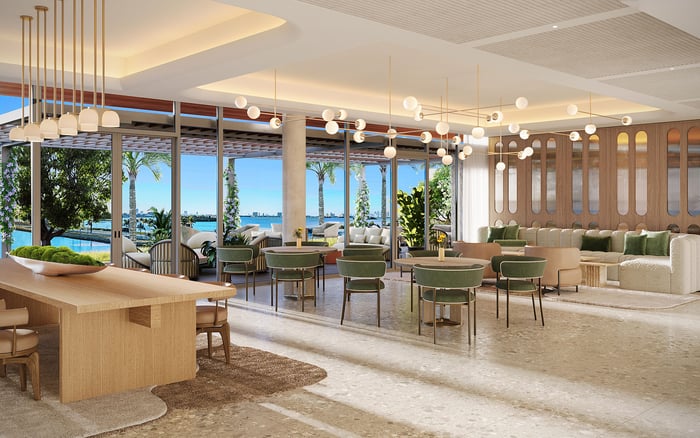
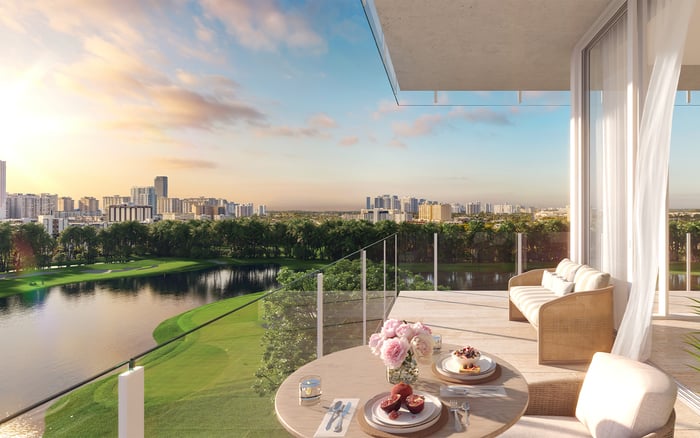
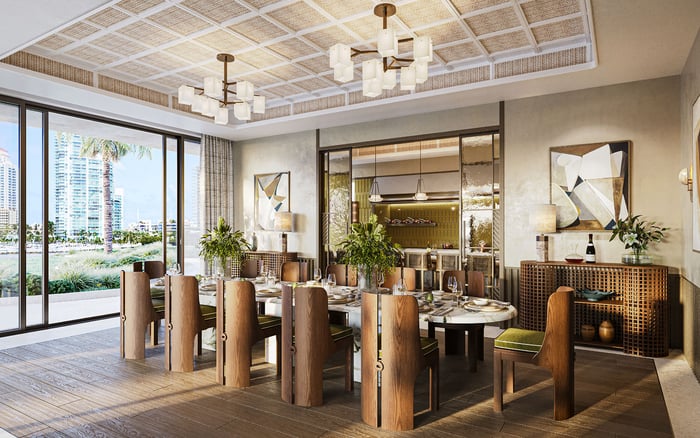
In South Florida’s next-generation wellness centers, cold plunge and cryotherapy are evolving from novelty to baseline expectation. For buyers, the distinction in 2026 is not whether a building offers thermal recovery, but how intelligently it’s delivered: privacy, hygiene, sound control, staffing, and thoughtful adjacency to training, treatment, and relaxation spaces. This guide outlines what “standard” will mean for ultra-premium residential wellness, what to ask during tours, and how to evaluate these amenities as lifestyle infrastructure and long-term value.
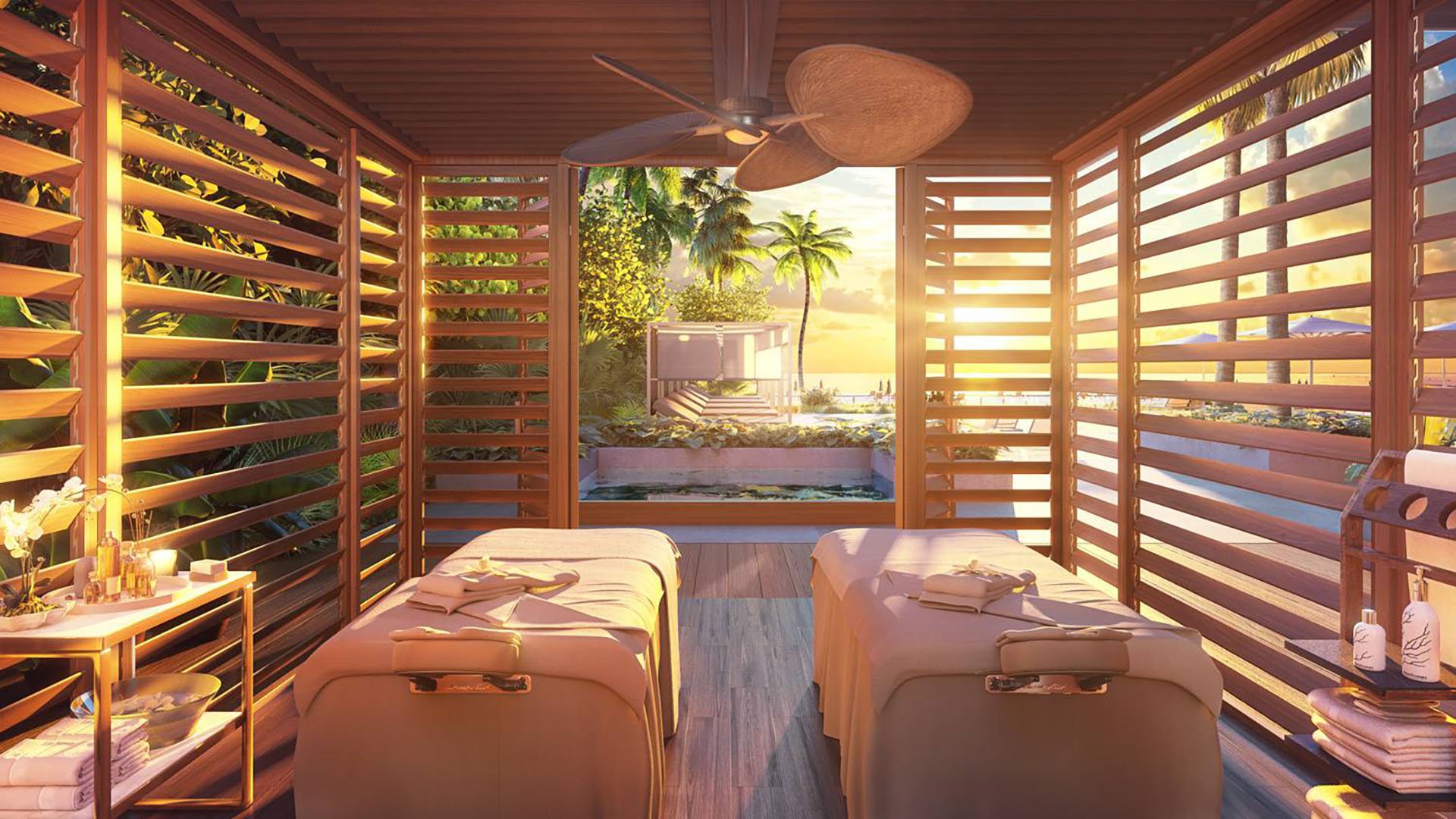
Cold exposure has moved from a niche ritual to a mainstream wellness habit, and South Florida’s newest residential wellness centers are keeping pace. By 2026, the question for discerning buyers is less “Does the building have a cold plunge or cryotherapy?” and more “Is it executed like a true recovery suite-or treated as an afterthought off the gym?”
In ultra-premium buildings, wellness amenities are now judged the way kitchens and baths have always been judged: by layout, materials, mechanical systems, maintenance, and how the space performs on a Tuesday morning when you’re in a hurry-not just during a marketing tour.
A cold plunge that photographs beautifully but is awkwardly placed, noisy, poorly ventilated, or difficult to book will feel dated fast. A well-planned thermal suite, by contrast, becomes daily infrastructure-an amenity that removes friction from your routine and quietly elevates quality of life.
Cold plunge and cryotherapy are often packaged together, but they deliver different experiences for residents-and different operational demands for a building.
A cold plunge is tactile and straightforward: water, temperature control, filtration, and a setting that supports calm entry and exit. It encourages repetition. In residential environments, it’s also easier for guests and family to understand, and it pairs naturally with a sauna, steam room, or hot tub sequence.
Cryotherapy is a more technical experience. At its best, it feels clinical in the right way-ideal for residents who want quick sessions, consistent parameters, and a true “walk in, walk out” rhythm. It also brings more operational complexity, including equipment servicing, safety practices, and a more structured user flow.
For buyers, the distinction matters because it predicts what will actually be usable day to day. A building can “have cryo” and still deliver a compromised experience if access, staffing, or upkeep is murky. Likewise, a cold plunge can exist on paper but be undermined by poor acoustics, slippery circulation paths, or inadequate mechanical design.
In 2026, a credible wellness center is less about a single headline amenity and more about a complete recovery ecosystem. Cold exposure performs best when it’s integrated into a sequence-not stranded in the corner of a fitness room.
Look for a purposeful circuit. Ideally, cold sits adjacent to heat (sauna and or steam), plus a recovery lounge where you can normalize your breathing before re-entering the pace of your day. In the most refined executions, there’s also a transition zone that protects privacy and modesty: changing rooms, towel service, and a clear separation between wet and dry areas.
The sensory environment should read as calm and intentional. Lighting should be controllable and flattering, not harsh. Surfaces should be slip-resistant and easy to sanitize. Sound matters more than many buyers expect; the acoustic signature of a high-end wellness suite is quiet enough to hear your own breath.
In Brickell, where vertical living and tight schedules dominate, buildings that position recovery as an extension of performance tend to resonate. A project like 2200 Brickell sits within an ecosystem where residents often balance work, training, and travel-making efficient, well-managed wellness amenities especially valuable.
Luxury buyers are trained to read finishes. In wellness, the invisible systems deserve the same scrutiny.
Start with ventilation. Cold, wet environments require excellent HVAC to manage humidity and odor. A space that reads even slightly “pool-like” can point to insufficient air movement or dehumidification. Mechanical performance isn’t glamorous, but it’s the difference between a spa that ages gracefully and one that perpetually feels damp.
Next, evaluate circulation. You shouldn’t have to walk dripping through a public corridor to reach a towel station. The best layouts contain wet traffic with intuitive routes that don’t cut across the main gym floor.
Then look closely at materials and detailing. Corners, drains, and transitions should feel deliberate. Sloped floors and discreet trench drains suggest the developer planned for real operations. If the plunge area looks stunning but skips practical essentials-hooks, bench space, non-slip thresholds-it will be less comfortable in daily use.
In oceanfront markets like Miami Beach, design teams often elevate wellness into a broader lifestyle narrative, but the same operational fundamentals still apply. When a building delivers a serene, hospitality-forward environment, recovery feels like part of the home rather than a facility. For example, 57 Ocean Miami Beach reflects a buyer profile that values privacy, calm, and a true sense of retreat-expectations that should show up in how thermal amenities are zoned and acoustically buffered.
A cold plunge is only as appealing as it is clean. In 2026, residents will be more educated about water quality, and expectations will keep rising.
Ask how the water is filtered and maintained, and how often testing and cleaning take place. You don’t need a chemistry lesson-you need confidence that there’s a routine and clear accountability. A well-run building will have established operating procedures, documented maintenance, and staff trained to keep the experience consistent.
For cryotherapy, ask about safety protocols and equipment servicing. A high-end wellness center shouldn’t rely on improvisation. Clear signage, staff guidance when appropriate, and a straightforward process for residents to understand contraindications all signal operational maturity.
Also ask about towels, showers, and sanitation between users. In premium buildings, the standard is a seamless experience where cleanliness is evident without feeling performative.
As cold exposure becomes more common, the differentiator shifts to privacy. The most desirable wellness centers will treat cold plunge and cryotherapy less like gym equipment and more like personal care.
Look for design and policies that minimize exposure to strangers: separated zones, booking systems that prevent crowding, and recovery lounges that don’t feel like overflow seating. If a building offers a private treatment room adjacent to the thermal suite, it can elevate recovery into a discreet ritual.
This is especially relevant in boutique coastal markets where residents value low-density living and controlled access. In Hallandale Beach, for instance, refined, service-oriented amenity programs can be a deciding factor for second-home buyers. A property such as 2000 Ocean Hallandale Beach aligns with the expectation that wellness should feel curated and quiet-not busy.
A cold plunge is a fixture; a wellness center is a program. By 2026, premium buildings will increasingly treat thermal recovery as part of an integrated schedule built around residents’ routines.
Consider whether the amenity culture supports consistency. Are hours designed for real-life use, including early mornings? Is there a credible plan for peak times? Are there adjacent offerings that make the visit worthwhile, such as stretching zones, massage rooms, or calm lounge seating?
For buyers, this matters because the most expensive amenity is the one you never use. A well-considered program reduces decision fatigue: you know where to go, what to do, and how long it will take.
In West Palm Beach, where many residents split time between business and leisure, the strongest wellness centers feel like an extension of a private club. A building like Alba West Palm Beach speaks to a lifestyle where convenience and polish matter-and where recovery amenities should be designed for both efficiency and ease.
Cold plunge and cryotherapy can look compelling in renderings, but your decision should rest on operational reality. When evaluating a new development-or a resale with upgraded amenities-ask questions that reveal how the experience will hold up.
Start with access: Is it first-come, first-served, or reserved? If it’s reserved, is the system app-based and fair? Next, ask about staffing: Is anyone responsible for monitoring the wellness suite during peak hours, or is it entirely self-service?
Then ask about rules. Are guests permitted? Are there age restrictions? What happens when a resident treats the plunge like a social pool? The best-managed buildings protect the calm of the space.
Finally, ask about long-term maintenance and replacement. Cryotherapy equipment, in particular, isn’t decorative-it requires service and eventual reinvestment. A well-capitalized, well-managed condominium will have a realistic plan to keep advanced wellness amenities functional year after year.
In 2026, cold plunge and cryotherapy will increasingly appear in the amenity narrative of luxury residential projects across South Florida. But “standard” won’t mean identical. The difference between a wellness center that photographs well and one that genuinely supports a high-performance life comes down to fundamentals: air, water, acoustics, privacy, scheduling, and management.
For buyers, the smartest approach is to tour these spaces the way you’d evaluate a kitchen: open cabinets, study the workflow, and pressure-test daily use. The best wellness suites make recovery feel inevitable-not aspirational.
Is a cold plunge now a must-have amenity in luxury South Florida? It is increasingly expected, but the quality of design and management matters more than mere presence.
Is cryotherapy better than cold plunge for recovery? They serve different preferences; cryotherapy is more technical, while cold plunge is simpler and often easier to repeat.
What makes a cold plunge feel truly high-end? Quiet acoustics, excellent ventilation, slip-safe detailing, and a calm transition area elevate the experience.
Should buyers prioritize buildings with both heat and cold amenities? Yes, a complete thermal circuit typically feels more intentional and supports broader wellness routines.
How can I tell if hygiene will be taken seriously? Ask about cleaning schedules, water maintenance routines, and whether staff actively oversee the suite.
Do booking systems improve the experience? When implemented well, reservations reduce crowding and protect privacy, especially at peak hours.
Are these amenities more valuable in Brickell than in beach markets? They can be, because time-efficient recovery supports performance-driven routines common in urban cores.
Will these features affect resale appeal by 2026? Likely, because buyers increasingly compare wellness amenities the way they compare fitness and pool decks.
What red flags should I watch for on a tour? Persistent damp odor, noisy mechanical spaces, awkward wet-to-dry circulation, and unclear operating rules.
Can a well-designed wellness center replace a private club membership? For many residents, yes, if access is reliable and the space is managed for calm, consistent use.
For a discreet conversation and a curated building-by-building shortlist, connect with MILLION Luxury.
If branded residences are on your mind — as a home or as an allocation — we would be glad to share what we are seeing, privately.
Begin a quiet conversation