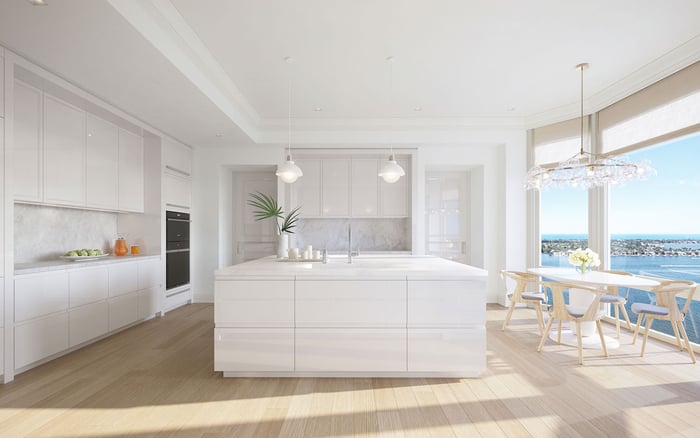
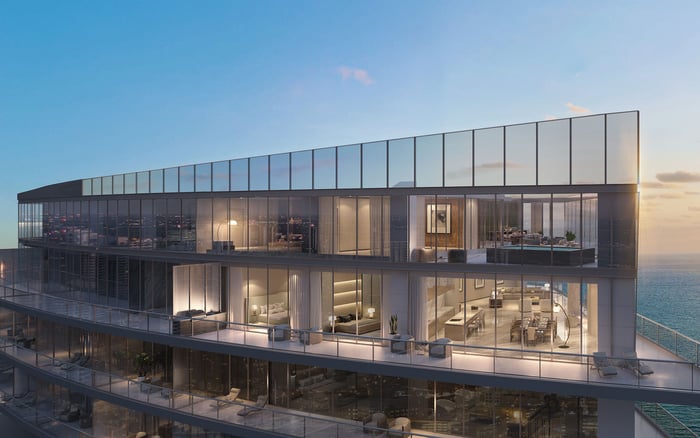
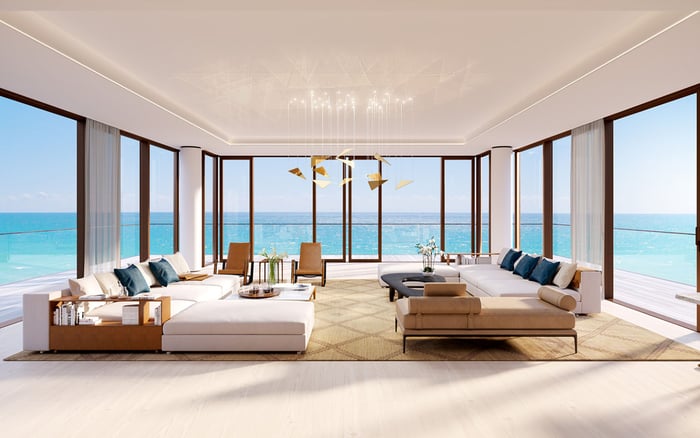
A discreet buyer’s guide to comparing Arte Surfside and Armani Casa Sunny Isles Beach through the practical lens of balcony rules, outdoor kitchen expectations, and terrace weather tolerance.
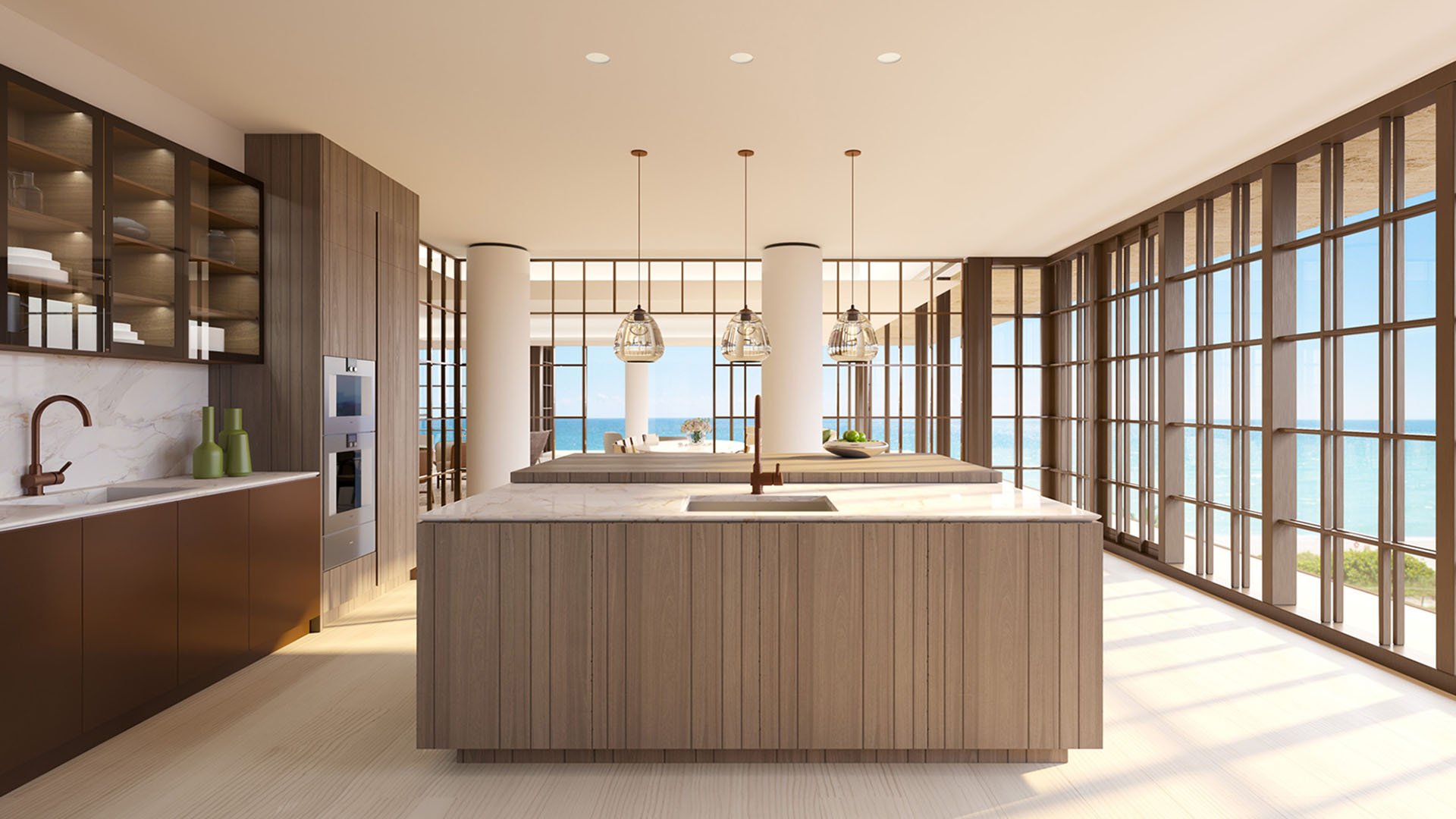
For buyers comparing Arte Surfside and Armani Casa Sunny Isles Beach, the obvious conversation begins with design language, address identity, and the emotional pull of the coast. The more revealing conversation is quieter: what can actually happen on the balcony, how often a terrace feels comfortable, and whether an outdoor kitchen becomes a daily pleasure or a compliance puzzle.
At this level of the market, ownership is not measured by interior finishes alone. It is measured by friction. Can you leave furniture outside with confidence? Are grills or cooking elements permitted in the manner you expect? Does the terrace invite breakfast in shoulder-season breezes, or does it become a sculptural space used mostly for photographs? These questions may sound technical, but they shape the lived experience of a residence.
The Arte Surfside versus Armani Casa Sunny Isles Beach comparison is therefore not simply a matter of taste. It is a study in how two luxury coastal lifestyles may ask different things of an owner. The best buyer will look past the romance of the terrace and examine the rules, exposure, maintenance expectations, and comfort thresholds that govern daily use.
Balcony rules are often treated as a closing-stage detail. For a luxury buyer, that is too late. A balcony can be a dining room, a lounge, a garden edge, a sunset observatory, or a mostly decorative extension of glass and stone. The difference is usually found in the condominium documents, association rules, safety requirements, and the building’s culture of enforcement.
The key is to separate architectural promise from permitted use. A generous terrace does not automatically allow every form of furnishing, cooking, planting, shading, storage, sound, or lighting. Some associations may regulate what is visible from the exterior. Others may have standards for storm preparation, railing attachments, planters, cushions, umbrellas, or seasonal furniture removal. For buyers who entertain outdoors, these details are not minor. They define whether the terrace supports the lifestyle being purchased.
Arte Surfside buyers may be drawn to the intimacy and discretion implied by Surfside, while Armani Casa Sunny Isles Beach buyers may be evaluating a more vertical Sunny Isles Beach experience. Neither preference is inherently better. The practical question is which set of balcony rules aligns with the buyer’s habits. A residence that feels perfect during a showing can feel restrictive if the owner later discovers limits on heat-producing appliances, decorative elements, or outdoor storage.
Outdoor kitchens occupy a special place in South Florida real estate imagination. They suggest ease, hospitality, and a life in which dinner moves naturally from indoor preparation to open-air service. Yet they also raise questions around ventilation, fire safety, electrical and gas infrastructure, association restrictions, insurance expectations, and long-term maintenance.
The term itself can be misleading. For one buyer, an outdoor kitchen means a built-in grill, sink, refrigeration, cabinetry, lighting, and counter space. For another, it may mean a summer kitchen aesthetic without open-flame cooking. Before assigning value to any terrace cooking concept, buyers should confirm what is physically installed, what is legally permitted, what the association allows, and what can be maintained without compromising finishes.
In the Arte Surfside and Armani Casa Sunny Isles Beach discussion, this matters because the outdoor kitchen is not merely an amenity. It is a behavioral promise. If a buyer expects to host relaxed evenings with food prepared outside, the documents must support that expectation. If the terrace is more about morning coffee, reading, and quiet air, the absence or limitation of cooking infrastructure may be irrelevant.
The most sophisticated buyers are not disappointed by rules. They are disappointed by surprises. A careful review before contract removes ambiguity and clarifies whether the terrace is a true entertaining platform or a refined open-air sitting room.
Terrace weather tolerance is one of the least glamorous but most important tests in coastal condominium ownership. A terrace can be beautifully proportioned and still be uncomfortable at certain times of day, in certain wind conditions, or during seasonal humidity. Exposure, height, orientation, overhang, railing design, and furniture selection all affect how often the space is genuinely usable.
South Florida buyers often focus on view direction, but comfort may be just as important. Direct sun can be magnificent in small doses and punishing over a long lunch. Ocean breezes can feel restorative on one day and forceful on another. Rain patterns, salt air, and storm preparation all become part of the ownership rhythm. For seasonal residents, the question becomes even sharper: will the terrace perform during the months they actually occupy the home?
This is where in-person testing matters. Visit at different times if possible. Stand outside rather than simply viewing the terrace from behind glass. Notice how sound moves. Notice whether the outdoor furniture layout feels natural or staged. Ask how cushions, covers, planters, and movable pieces are handled before weather events. Luxury is not fragile, but it should be planned.
For a Sunny Isles buyer, tower height and exposure may be part of the attraction. For a Surfside buyer, the scale and atmosphere of the setting may carry equal weight. The right answer depends on the owner’s tolerance for wind, sun, humidity, and preparation.
The comparison should begin with a personal use case. If you are a morning terrace person, test light and comfort before noon. If you entertain in the evening, focus on dining depth, noise rules, lighting permissions, and food-service practicality. If you travel frequently, ask how outdoor furnishings are secured and whether staff or property management routines can support your absence.
Then move into documents. Review balcony, terrace, and exterior-use rules with the same seriousness applied to financial statements and insurance. Ask specifically about grills, cooking equipment, heat sources, umbrellas, planters, pets, music, exterior decor, and holiday installations. A beautifully designed residence can still be the wrong fit if its rules conflict with daily rituals.
Finally, compare maintenance appetite. Outdoor kitchens and furnished terraces require care in a coastal environment. Surfaces, metals, fabrics, cabinetry, and equipment must be selected and maintained for salt air, moisture, and sun. Owners who want a turnkey lifestyle may prefer a simpler terrace program with fewer systems. Owners who entertain often may accept the additional care because the lifestyle return is worth it.
This is the quiet trade-off: not which building is more luxurious, but which one asks less compromise from the specific way you intend to live.
A buyer leaning toward Arte Surfside may value discretion, restraint, and a sense of residential calm. In that case, the terrace may function as a private retreat rather than a production stage. The highest priority may be serenity, shade, and the ability to enjoy outdoor space without the feeling of a large-scale resort rhythm.
A buyer leaning toward Armani Casa Sunny Isles Beach may be drawn to a branded design environment and the energy associated with Sunny Isles Beach. The terrace may be imagined as part of a polished, high-floor lifestyle, where views, architecture, and entertaining expectations intersect. In that scenario, balcony permissions and weather tolerance become essential to confirming that the visual promise translates into daily use.
Neither buyer should assume that price alone resolves the issue. At the ultra-premium level, the right residence is the one that matches behavior. Balcony rules, outdoor kitchen permissions, and terrace comfort are not secondary. They are the fine print of pleasure.
Why do balcony rules matter in a luxury condo comparison? They determine how the outdoor space can actually be furnished, used, lit, planted, and maintained. For many buyers, those rules shape daily enjoyment as much as the interior plan.
Should I assume an outdoor kitchen is allowed if the terrace is large? No. Size does not confirm permission, infrastructure, or fire-safety compliance, so buyers should review the governing documents before relying on that use.
What is terrace weather tolerance? It is the practical comfort of the terrace under sun, wind, humidity, rain, and seasonal conditions. A beautiful space may still be uncomfortable at certain times.
Is Arte Surfside automatically quieter than Armani Casa Sunny Isles Beach? Not automatically. Buyers should evaluate the specific residence, exposure, building rules, and personal expectations rather than relying on assumptions.
How should a buyer test a terrace before purchasing? Spend time outside during the hours you expect to use it most. Notice wind, sound, shade, heat, furniture placement, and privacy.
Can balcony restrictions affect resale value? They can affect perceived usability for buyers who prioritize outdoor living. Clear, flexible outdoor use may broaden appeal when presented accurately.
Are grills always prohibited on condominium balconies? Rules vary by building and applicable requirements. Confirm the exact policy before planning any cooking use.
What should seasonal owners ask about terraces? They should ask how furniture is secured, how storm preparation works, and what maintenance is needed during long absences.
Does a branded residence change the balcony due diligence process? No. Branding may shape design and service expectations, but exterior-use rules still need direct review.
What is the best way to choose between these two buildings? Define how you want to live outdoors, then test that vision against rules, exposure, comfort, and maintenance requirements.
For a discreet conversation and a curated building-by-building shortlist, connect with MILLION.
If branded residences are on your mind — as a home or as an allocation — we would be glad to share what we are seeing, privately.
Begin a quiet conversation