A buyer-focused comparison of Faena House Miami Beach and Armani Casa Sunny Isles Beach through the practical lens of balcony rules, outdoor kitchen permissions, and terrace durability rather than brand gravity alone.
In the upper register of South Florida real estate, the first seduction is often the name. Faena House Miami Beach carries the cultural charge of Miami Beach glamour, while Armani Casa Sunny Isles Beach suggests a more polished, fashion-led calm along the northern oceanfront. Both names can draw a buyer into the showroom before the practical questions begin.
Yet the buyer who intends to live outside, dine outside, furnish generously, and entertain against salt air should start with a more disciplined framework. The decision is less about which building photographs better and more about which private outdoor space can support the owner’s intended use. Balcony rules, outdoor kitchen permissions, furnishing limits, wind exposure, and maintenance expectations can shape daily satisfaction more than any lobby mood.
For a purchaser comparing Faena House Miami Beach with Armani Casa Sunny Isles Beach, the intelligent path is to treat branding as atmosphere, then examine governance and exposure as the real architecture of ownership.
A balcony is never just an architectural projection. In a luxury condominium, it is also a governed zone. Associations may regulate furniture type, storage, grills, planters, coverings, visible accessories, sound, lighting, and the movement of items during severe weather. Those restrictions may seem minor during a tour, but they become material when a second-home owner wants a fully dressed terrace ready for a weekend arrival.
At Faena House Miami Beach, the emotional promise is tied to Miami Beach’s theater of ocean, culture, and design. At Armani Casa Sunny Isles Beach, the attraction is often read through a more linear oceanfront rhythm, where Sunny Isles buyers may be seeking height, water views, and a resort-like residential cadence. Neither interpretation answers the essential legal question: what exactly may stay outside, what must come in, and who decides?
Buyers should request current condominium documents, rules and regulations, alteration policies, hurricane protocols, and any guidance on balcony furnishings or cooking equipment. The best terrace is not necessarily the largest one. It is the one whose rules match the owner’s habits with the least friction.
Outdoor kitchens are among the most misunderstood luxuries in vertical oceanfront living. A terrace may look capable of hosting a culinary installation, but that does not mean one is allowed. Gas, electric, venting, drainage, waterproofing, fire safety, structural loading, and association approval all matter. Even where cooking features are possible, the permissible equipment may be narrower than a buyer imagines.
This is where branding can blur judgment. A residence associated with fashion, hospitality, or cultural cachet may feel as though it should naturally accommodate open-air entertaining. But condominium life is not a private estate. It is a shared envelope, shaped by common systems, neighboring residences, insurance requirements, and board oversight.
A buyer drawn to the social energy of Miami Beach should verify whether the intended terrace program is compatible with the building. A buyer drawn to Sunny Isles for a quieter oceanfront routine should do the same. The question is not, “Can I imagine a chef’s station here?” The question is, “Is this specific use permitted in writing, and under what conditions?”
A terrace on the South Florida coastline is exposed to beauty and punishment in equal measure. Salt, sun, humidity, wind, and seasonal storms test every material choice. Cushions fade. Metals pit. Stone can stain. Planters become maintenance obligations. Umbrellas, screens, and decorative objects may be restricted or impractical depending on exposure and association rules.
This is why terrace weather tolerance should be examined like a technical specification, not an afterthought. Orientation, railing design, overhead cover, depth, wind patterns, drainage, and access from interior rooms all influence whether the outdoor space is used daily or admired from behind glass. Even the most cinematic ocean view loses some value if the terrace is difficult to furnish, uncomfortable in common weather conditions, or heavily restricted during storm preparation.
In oceanfront ownership, the ideal is not simply exposure to the Atlantic. It is usable exposure. The difference is subtle during a tour and decisive after closing.
The neighborhood choice deserves equal discretion. Miami Beach offers a layered lifestyle of culture, dining, hotels, beach clubs, architecture, and a more textured urban rhythm. A buyer studying The Perigon Miami Beach or 57 Ocean Miami Beach may be weighing that same desire for beach proximity with a refined residential tone.
Sunny Isles, by contrast, often appeals to the buyer who wants a more vertical oceanfront environment, broad water orientation, and a sense of retreat from the more performative parts of Miami Beach. Nearby comparisons such as St. Regis® Residences Sunny Isles can help a buyer understand how different towers along the same coastline position privacy, services, and outdoor living expectations.
The most disciplined buyer does not ask which area is more prestigious. Prestige shifts with taste. The better question is which daily pattern feels natural: the cultural pulse of Miami Beach or the oceanfront composure of Sunny Isles.
Begin with documents. Ask for the balcony rules, terrace alteration requirements, outdoor cooking policies, storm procedures, insurance-related restrictions, and any approval history for comparable owner requests. If a seller or representative describes a possibility, ask whether it is permitted by the documents and whether board approval is still required.
Then walk the terrace at different times if possible. Notice glare, wind, noise, privacy, and the relationship between indoor rooms and outdoor space. A terrace reached only from a secondary room may be less valuable to an owner who entertains often. A terrace with beautiful exposure but difficult furniture logistics may feel less effortless over time.
Finally, separate brand pleasure from operational reality. Faena House Miami Beach and Armani Casa Sunny Isles Beach each carry a distinct aura, but aura does not secure permission for an outdoor kitchen, protect cushions from salt air, or determine whether storm preparation is simple. The strongest purchase is the one where the name, the rules, the exposure, and the owner’s private rituals align.
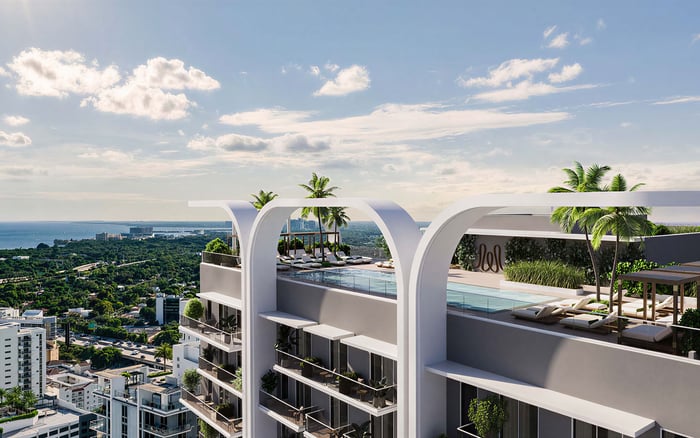
Faena House Miami Beach may speak to the buyer who values Miami Beach identity, cultural proximity, and a residence that feels connected to a broader design conversation. For this buyer, outdoor space should be evaluated as part of an expressive lifestyle: morning air, evening guests, and a setting that complements the intensity of the neighborhood.
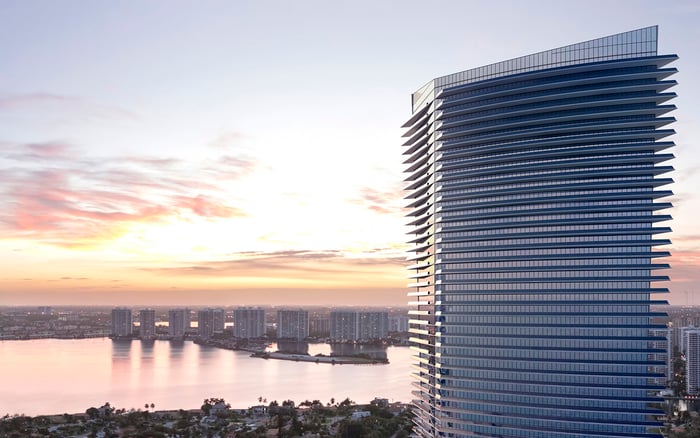
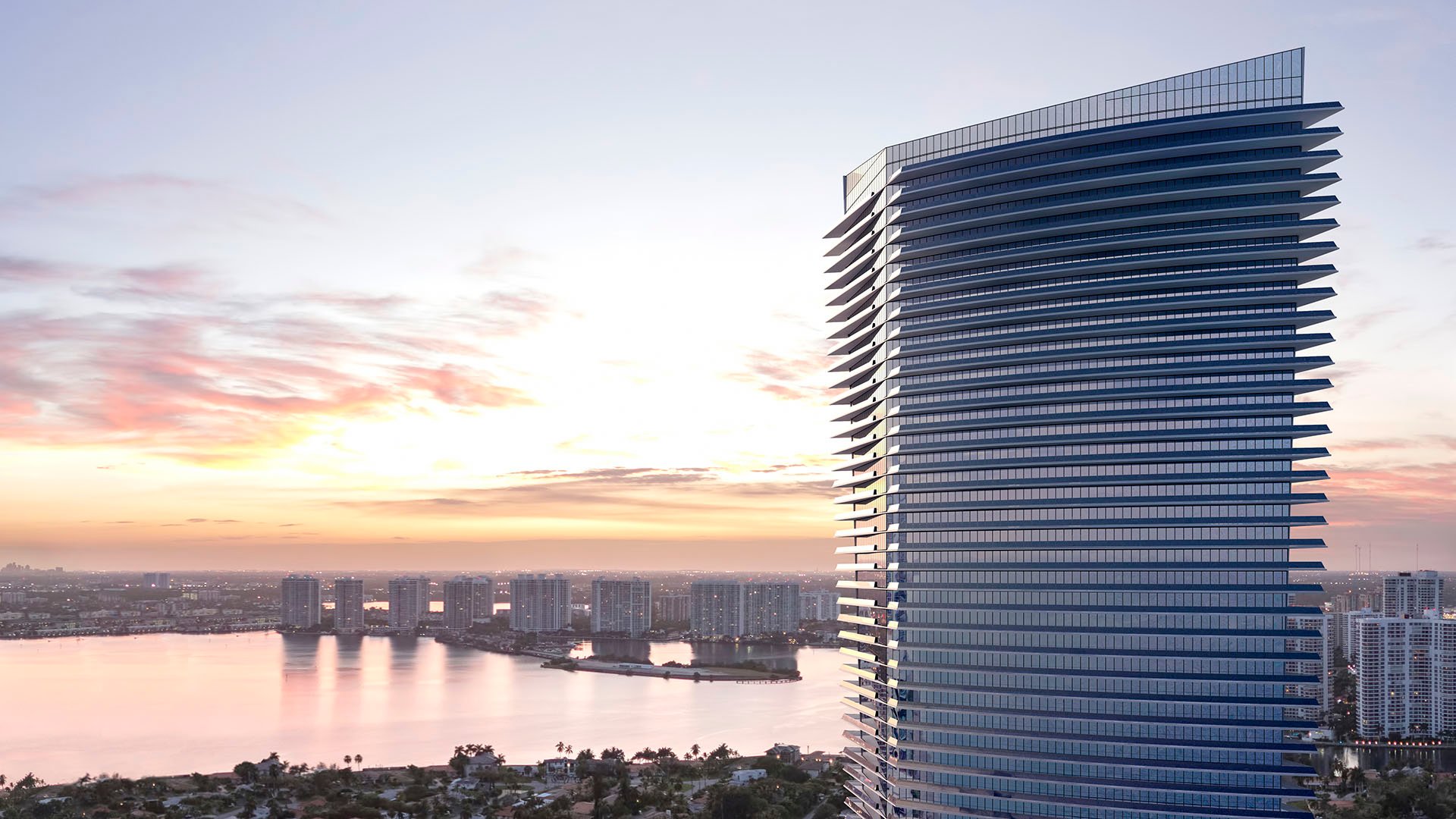
Armani Casa Sunny Isles Beach may appeal to the buyer who prefers a more composed oceanfront atmosphere, with the residence functioning as a polished retreat. For this owner, terrace usability may be tied to routine: coffee, reading, family time, and quiet entertaining with the Atlantic as backdrop.
Neither profile is superior. The distinction is behavioral. If the terrace is meant to be a stage, the rules must allow that stage to function. If the terrace is meant to be a sanctuary, the exposure and maintenance expectations must support serenity rather than create work.
Should branding be the deciding factor between these buildings? No. Branding helps define atmosphere, but rules, exposure, and permitted outdoor use should drive the final decision.
Can I assume an outdoor kitchen is allowed on a large terrace? No. Outdoor cooking must be verified through the building’s governing documents and approval process.
Why do balcony rules matter so much in luxury condos? They control how the outdoor area may be furnished, used, altered, and secured during severe weather.
Is Miami Beach better for buyers who entertain often? It may suit buyers who want cultural energy nearby, but the building’s terrace rules still determine what entertaining can look like.
Is Sunny Isles better for a quieter oceanfront lifestyle? It can appeal to buyers seeking a calmer high-rise oceanfront rhythm, subject to the specific building and residence.
What should I review before making an offer? Review condominium rules, balcony policies, alteration procedures, outdoor cooking restrictions, and storm protocols.
Does a larger terrace always mean better outdoor living? Not always. Usability, cover, wind, privacy, access, and permitted furnishings can matter more than size alone.
How should second-home owners think about terrace maintenance? They should prioritize materials, storage plans, and storm procedures that can be managed even when they are away.
Can association rules change after purchase? Rules can evolve through the condominium governance process, so buyers should understand both current policies and amendment procedures.
What is the most practical way to choose between the two? Match the building’s outdoor-use rules and weather realities to the way you expect to live, not simply to the brand you admire.
For a discreet conversation and a curated building-by-building shortlist, connect with MILLION.
If branded residences are on your mind — as a home or as an allocation — we would be glad to share what we are seeing, privately.
Begin a quiet conversation