A buyer-oriented editorial on why pet-relief rules belong at the center of luxury condominium governance at Armani Casa Sunny Isles Beach, where quiet design, sensory discipline, and resale perception are part of the value proposition.

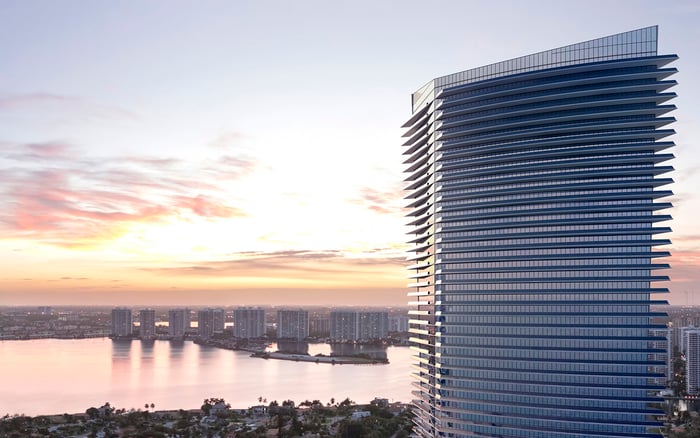
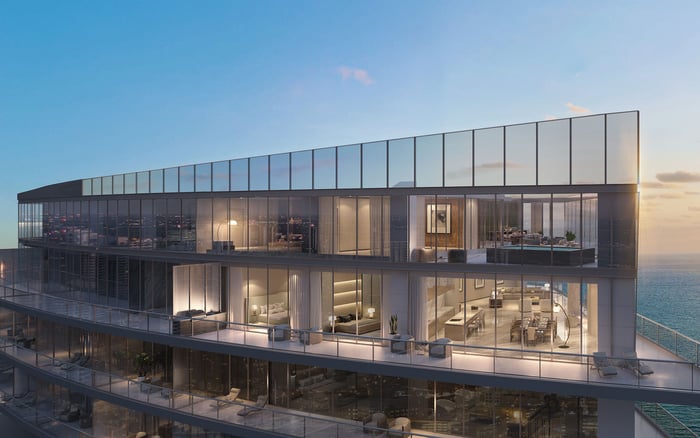
Armani Casa Sunny Isles Beach occupies a distinct place in South Florida’s ultra-luxury oceanfront condominium conversation. It is not simply a tower with a name attached. The Residences by Armani/Casa in Sunny Isles Beach are positioned around a refined residential ideal, where design, calm presentation, and understated luxury matter as much as location.
That is why pet-relief rules deserve a more serious place in the discussion. In a conventional building, a pet incident in a corridor or elevator may be treated as a housekeeping inconvenience. In a branded luxury condominium, it touches something larger: the integrity of the experience.
Quiet luxury is fragile. It depends on what residents see, smell, hear, and feel from the moment they enter the lobby or step out of a private elevator bank. Odor, stains, and visible pet waste can disrupt that composition instantly. The issue is not whether affluent buyers love their animals. Many do. The issue is whether the building’s operating culture is precise enough to welcome pets without allowing common areas to lose their polish.
For Sunny Isles buyers, the premium is emotional as well as architectural. The best buildings feel controlled without feeling severe, elegant without becoming theatrical, and residential without slipping into disorder. Pet-relief policy belongs inside that framework.
Oceanfront living in South Florida is built around atmosphere. The arrival sequence, elevator ride, corridor, terrace threshold, and transition from residence to amenity space all contribute to perceived value. In a trophy condominium, small failures rarely remain small for long.
Pet relief is one of those operational details that can either remain invisible or become disproportionately visible. When it is managed well, residents barely discuss it. When it is unmanaged, it becomes a source of friction among pet owners, non-pet-owning residents, staff, guests, and prospective buyers.
This is why the conversation should move beyond punishment and toward preservation. A strong policy does not have to be anti-pet. In fact, the most sophisticated version is pro-pet because it gives responsible owners clarity. It says, in effect, that pets are welcome within a building culture that protects shared spaces, finishes, and the sensory quality of daily life.
The quiet-luxury buyer notices residue, scent, and inconsistency. That buyer also notices when a building has disciplined operations that do not announce themselves. In the Armani/Casa context, the rules should feel aligned with the brand proposition: discreet, exacting, and designed to prevent conflict before it becomes part of the residential atmosphere.
Luxury buyers increasingly expect a condominium to accommodate the realities of modern life, and pets are part of that reality. The mistake is framing pet-relief rules as a moral judgment on ownership. The better framing is design and operations policy.
A branded tower does not need to feel like a dog park to be pet-inclusive. The distinction matters. Pet owners want dignity and convenience. Non-pet owners want clean, calm common areas. Both groups benefit when expectations are clear, consistently communicated, and enforced without drama.
The most effective approach is not theatrical enforcement. It is quiet consistency. Residents should understand that common areas are part of the asset. They are not leftover space between private residences. They are the shared visual and sensory fabric that supports the building’s market identity.
That is especially true in a development associated with Armani/Casa, where the promise is not excess for its own sake. It is restraint, finish, and composure. A resident should not have to wonder whether an elevator cab, corridor carpet, or lobby corner has been compromised by unmanaged pet relief. That uncertainty can weaken trust in the building’s standards.
In ultra-luxury condominiums, the common area is not merely functional. It is part of the architecture of value. The lobby, corridors, amenity transitions, and service pathways form a daily ritual. They also form a memory for guests and a first impression for future buyers.
Pet-relief incidents threaten that memory because they are sensory. A scratch on a wall may be overlooked for a moment. A lingering odor is harder to ignore. A visible stain changes how a resident interprets maintenance, staffing, and neighbor behavior. Once that perception forms, it can be difficult to reverse.
This is why governance belongs in the same conversation as design. Beautiful materials require disciplined use. Calm spaces require behavioral standards. A building that invests in presentation but tolerates avoidable disorder sends a mixed message to the market.
For Armani Casa Sunny Isles Beach, the argument is not that pet relief is the largest issue in condominium life. It is that it is a revealing issue. It shows whether a luxury association understands that brand integrity lives in daily details, not only in renderings, finishes, or private residences.
Resale perception is shaped by more than floor height, views, and interior condition. Buyers also read the atmosphere of a building. They notice whether staff interactions are smooth, whether public spaces are immaculate, and whether resident behavior seems aligned with the price point.
Pet-relief rules help protect that perception by reducing the chance that preventable incidents become part of the building’s reputation. They can also protect finishes and common-area presentation, both of which matter in a market where buyers compare not only residences, but entire residential cultures.
A lax approach can create avoidable tension. A heavy-handed approach can feel inhospitable. The ideal is a middle path: visible standards, discreet enforcement, and a tone that respects responsible pet owners while making clear that shared space is not negotiable.
This is the governance equivalent of tailoring. The rule should fit the building. It should feel precise, not performative. It should support the owner experience rather than dominate it. In a quiet-luxury environment, the best policy is one residents rarely need to discuss because it works.
Prospective buyers should not stop at whether a building is pet-friendly. The more important question is how pet living is managed. Are expectations clear? Is the tone resident-oriented? Does the building protect shared spaces without making pet ownership feel unwelcome? Does the culture reduce conflict before it reaches the lobby conversation stage?
These questions matter because a luxury condominium is a shared asset. Even the most private residence is connected to a collective standard. Balcony etiquette, elevator etiquette, guest etiquette, and pet etiquette all meet in the same place: the resident experience.
For buyers who value discretion, pet-relief rules can be a positive signal. They suggest that management understands the difference between accommodation and abdication. They also suggest that the building sees policy as part of design, not as an afterthought.
At Armani Casa Sunny Isles Beach, that distinction is central to the quiet-luxury case. The building’s appeal depends on a calm, curated atmosphere. Pet-relief rules, when properly framed, are not about exclusion. They are about preserving the very qualities that make pet-owning and non-pet-owning residents want to live there in the first place.
Why do pet-relief rules matter in a luxury condominium? They protect the sensory quality of common areas, including cleanliness, odor control, and visual presentation.
Are pet-relief rules anti-pet? No. Well-designed rules can support responsible pet ownership while preserving shared spaces for all residents.
Why is this especially relevant to Armani Casa Sunny Isles Beach? The residence is associated with a refined, understated luxury identity where calm presentation is central to the experience.
Can pet incidents affect buyer perception? Yes. Odors, stains, or visible waste can make buyers question maintenance standards and resident culture.
Should buyers ask about pet policy before purchasing? Yes. Buyers should understand how pet living is managed, not only whether pets are permitted.
What makes a pet policy feel luxury-appropriate? Clarity, discretion, consistent enforcement, and a tone that respects both pet owners and non-pet owners.
Do rules need to be harsh to be effective? No. The best policies often work quietly by setting expectations before problems become visible.
How do pet-relief rules support community harmony? They reduce friction by giving residents a shared standard for behavior in common areas.
Why are common areas so important to resale? They shape first impressions and signal whether a building is managed at the level buyers expect.
What should affluent pet owners look for? They should look for a building that welcomes pets while clearly protecting the atmosphere, finishes, and resident experience.
For a tailored shortlist and next-step guidance, connect with MILLION.
If branded residences are on your mind — as a home or as an allocation — we would be glad to share what we are seeing, privately.
Begin a quiet conversation