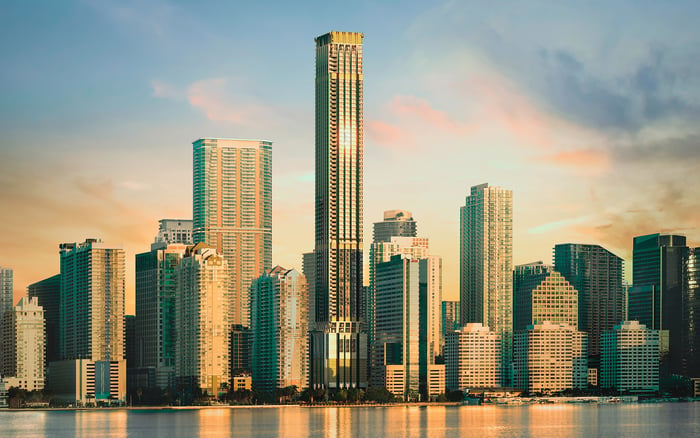
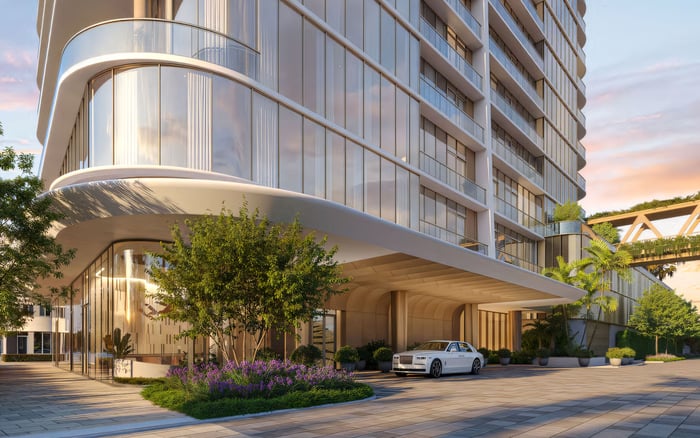
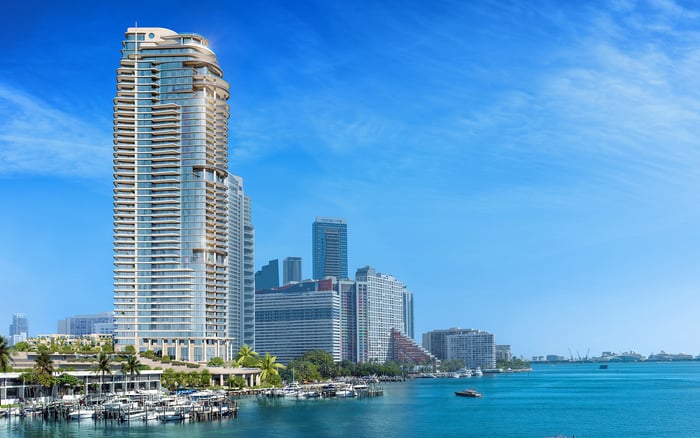
A discreet buyer’s guide to the ownership and due diligence questions behind Brightline proximity at The Residences at 1428 Brickell.
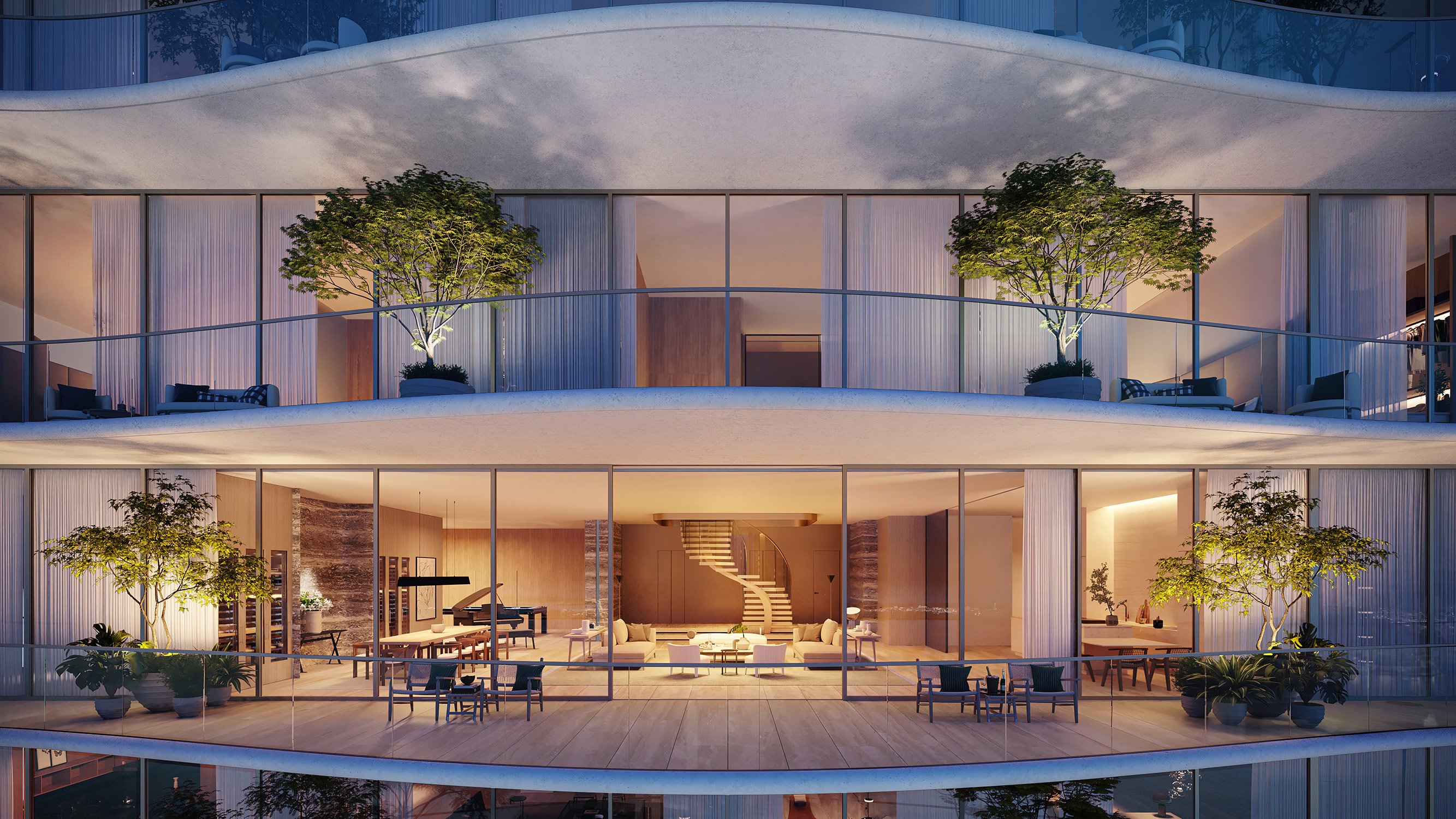
The Residences at 1428 Brickell invites a more careful kind of buyer analysis because rail proximity is not simply a lifestyle headline. For a luxury purchaser in Brickell, the sharper question is how nearby land, infrastructure rights, easements, and future activity could shape the residential experience over time.
That does not make transit access inherently positive or negative. In an urban luxury setting, proximity to mobility can add convenience, walkability, and a stronger sense of connection to the surrounding district. It can also prompt questions about privacy, sound, vibration, view corridors, construction activity, and resale perception.
The key ownership point is simple: buyers should not assume that proximity explains control. The due-diligence process should clarify what is known, what is documented, and what remains uncertain before a purchase decision becomes emotional.
Brickell buyers often evaluate more than interior finish, skyline outlook, and amenity programming. They also study how daily life functions around the building: access, traffic patterns, nearby services, pedestrian convenience, and the overall rhythm of the neighborhood.
For a residence in this part of Miami, the appeal is typically urban rather than isolated. Buyers are not only seeking a private home; they are selecting a position within a dense South Florida district. That makes context especially important. A polished building experience can be strengthened by convenience, but it can also be tested by surrounding activity if the relevant issues are not understood in advance.
This is why rail adjacency belongs in the same conversation as glazing, orientation, floor height, parking, service access, and building management. It is part of the lived experience, not a separate footnote.
For some buyers, the presence of nearby rail service may support a more efficient urban lifestyle. It can reduce dependence on driving for certain trips, make the surrounding district feel more connected, and reinforce the appeal of a lock-and-leave Miami residence.
For others, the questions will be more practical. How will sound be experienced inside the residence? How will outdoor terraces feel? Could future work nearby affect quiet enjoyment? Are views dependent on assumptions about surrounding parcels? These are not reasons to reject a property; they are reasons to review the details before relying on broad market language.
A sophisticated buyer should separate distance from impact. The fact that infrastructure is nearby does not, by itself, answer how the home will live. Orientation, construction quality, window systems, elevation, surrounding massing, and the condominium documents all matter.
The deeper issue is control. Adjacent parcels can influence future construction, service routes, view conditions, and neighborhood intensity. Easements and rights-of-way can create practical effects that are not always visible during a sales presentation. Air-rights questions can also matter in a vertical market where the surroundings may evolve.
This is especially relevant for buyers comparing a pre-construction or newly delivered residence with established resale inventory. Newer luxury offerings may promise a refined experience, but the surrounding ownership and infrastructure picture still deserves careful review.
The prudent path is to examine the documents and ask targeted questions: what rights affect nearby land, what activity could reasonably occur, what has been disclosed, and how those items may influence privacy, sound, access, views, and long-term liquidity.
An end user should begin with livability. The question is whether the residence can deliver the expected level of calm, privacy, service, and daily convenience in an urban setting. If rail proximity enhances access without compromising the feel of the home, it may support the lifestyle case. If uncertainty remains, it should be resolved before contract decisions harden.
A resale-focused buyer should look at the issue through the eyes of a future purchaser. Some future buyers may value transit access; others may focus on perceived exposure to noise, vibration, or nearby development. The stronger the documentation today, the easier it may be to explain the property’s position later.
The ownership question is therefore not about fear of infrastructure. It is about clarity. Luxury buyers can accept complexity when it is understood, priced appropriately, and documented.
The cleanest way to evaluate Brightline proximity at The Residences at 1428 Brickell is to separate lifestyle appeal from legal and physical context. Convenience is subjective. Control is documentary. A buyer may like the idea of nearby mobility, but the more durable value question lies in the records and the built environment.
Before proceeding, buyers should ask their advisors to review the condominium documents, disclosures, nearby ownership patterns, known easements, rights-of-way, and any issues that could affect noise, access, construction activity, view assumptions, or future resale narratives.
In Brickell, the strongest luxury decisions are not made by ignoring urban complexity. They are made by understanding it before it becomes part of the ownership experience.
Does Brightline own The Residences at 1428 Brickell site? This article does not establish Brightline ownership of the site. Buyers should treat any rail-adjacent ownership question as a matter for document review and professional due diligence.
Why does Brightline proximity matter to luxury buyers? It may affect how buyers think about convenience, access, sound, vibration, privacy, and future neighborhood activity. Each item should be evaluated against the specific residence and building conditions.
Is rail proximity always negative for an ultra-luxury residence? No. In an urban setting, nearby mobility can be an amenity when the residence still delivers privacy, quiet, and a polished daily experience.
What should buyers review before purchasing? Buyers should review condominium documents, adjacent parcels, easements, rights-of-way, disclosures, and any practical issues tied to access, sound, views, and construction activity.
Why is Brickell different from resort-style luxury markets? Brickell is evaluated heavily through an urban lens, with buyers weighing walkability, convenience, services, and access alongside the residence itself. That makes surrounding context especially important.
Could future development affect views at 1428 Brickell? In dense urban markets, view assumptions should be verified rather than taken for granted. Buyers should review surrounding ownership and potential development context before relying on a specific outlook.
Can rail proximity affect resale confidence? It can influence resale conversations if future buyers have questions about noise, vibration, access, or neighborhood intensity. Clear documentation can help reduce uncertainty.
What is the main ownership issue behind the address? The central issue is not only how close rail may be, but who controls nearby land and rights. Control can shape how the building’s surroundings evolve.
How should end users approach the decision? End users should focus on daily livability, including quiet enjoyment, privacy, services, and the practical benefits of urban access. The right answer depends on the specific residence and the documented context.
What is the best way to shortlist comparable options for touring? Start with location fit, delivery status, and daily lifestyle priorities, then compare stacks and elevations to validate views and privacy.
To compare the best-fit options with clarity, connect with MILLION.
If branded residences are on your mind — as a home or as an allocation — we would be glad to share what we are seeing, privately.
Begin a quiet conversation