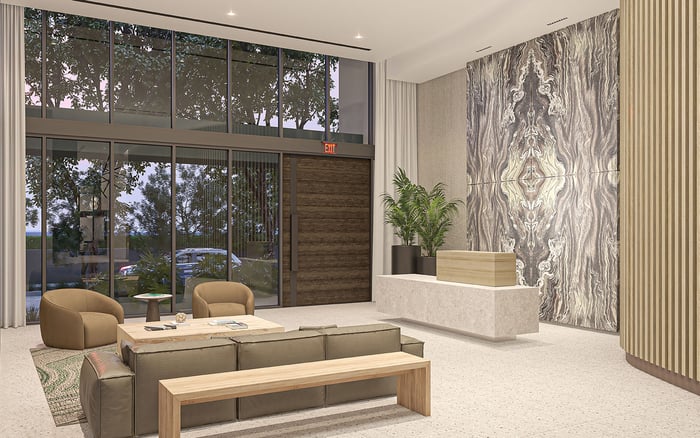
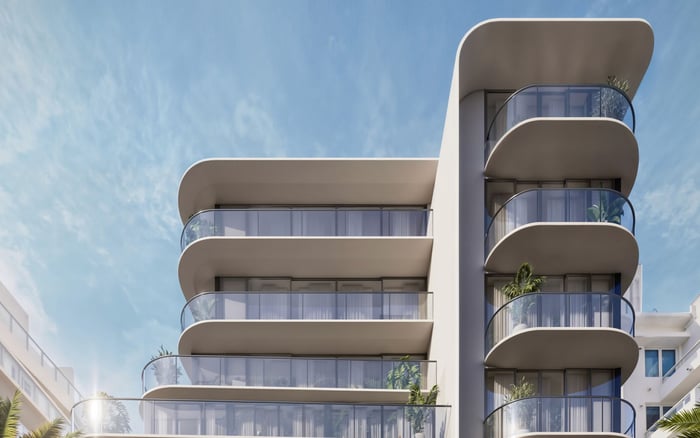
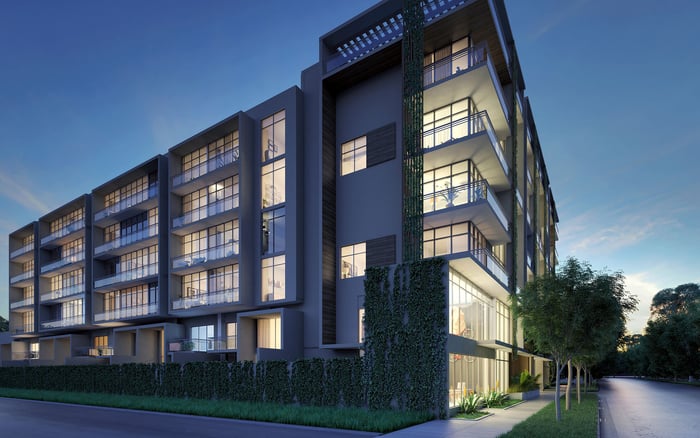
A discreet 2026 buyer’s lens on Arbor Coconut Grove, Mr. C Tigertail Coconut Grove, and Mila Bay Harbor Islands, focused on practical beach access, terrace wind comfort, and how each setting lives during South Florida’s peak winter and holiday periods.
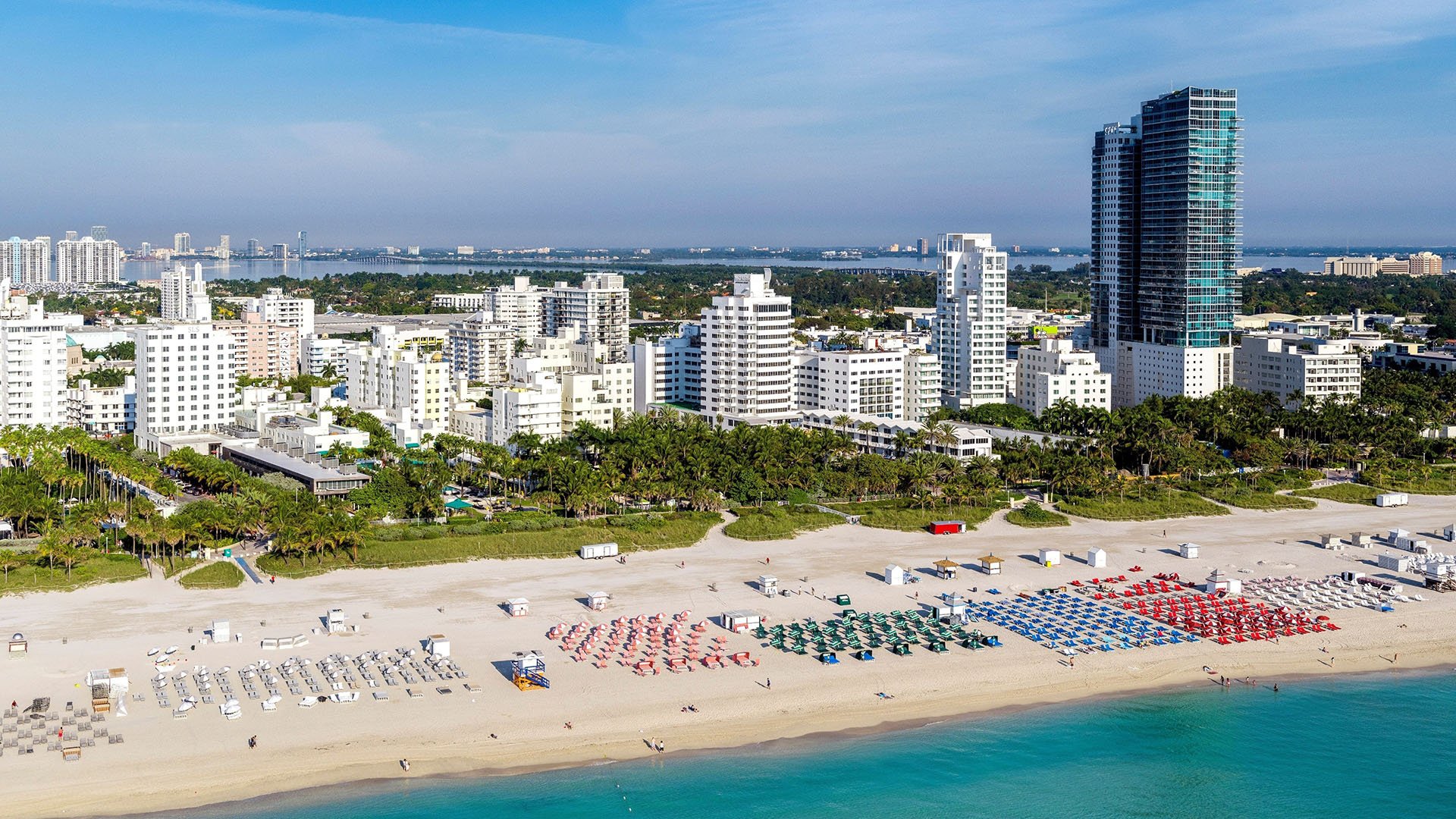
For South Florida’s high-end condominium buyer, 2026 due diligence is less about a single trophy adjective and more about daily use. Arbor Coconut Grove, Mr. C Tigertail Coconut Grove, and Mila Bay Harbor Islands sit within the broader Miami luxury conversation, but they do not answer the same lifestyle question. One buyer may value the Grove’s urban waterfront rhythm. Another may want a setting more naturally aligned with walkable ocean-beach access. A third may be focused on how a residence feels in January, during holiday weeks, or when terrace comfort matters as much as interior finish.
That is the right frame for this comparison. Arbor Coconut Grove and Mr. C Tigertail Coconut Grove belong to the Coconut Grove side of the discussion, where beach access is practical but not immediate oceanfront positioning. Mila Bay Harbor Islands belongs to a different geographic pattern, with a Bay Harbor Islands setting that changes the access, crowding, and seasonal-use profile. None is inherently superior. Each asks the buyer to choose a specific version of privacy, convenience, exposure, and seasonal energy.
Beach-access should be treated as a lifestyle question, not a marketing shortcut. Arbor Coconut Grove is best understood as a Coconut Grove option within Miami’s urban waterfront belt, not as a direct oceanfront beach product. Its appeal should therefore be considered through the lens of Grove living: neighborhood texture, urban waterfront proximity, and a more layered relationship to the beach.
Mr. C Tigertail Coconut Grove, also referred to as Mr. C Residences Coconut Grove, follows a similar geographic logic. Buyers looking at Mr. C Tigertail Coconut Grove should evaluate Grove-area access patterns rather than assume the immediate beach adjacency associated with barrier-island or oceanfront buildings. That distinction matters for second-home owners who imagine spontaneous beach days, as well as for primary residents who may prefer the Grove’s more residential cadence.
Mila Bay Harbor Islands sits on the other side of the comparison. It is the Bay Harbor Islands project in this three-property set, and the one most naturally aligned with walkable ocean-beach access. That does not automatically make it the better choice. It simply means the buyer’s daily map may feel different, especially for those who want beach access to be part of the ordinary routine rather than an occasional outing.
Wind diligence in South Florida should be practical, not theatrical. Buyers should consider everyday comfort, storm-period exposure, and how terraces and shared outdoor spaces behave across seasons. A beautiful outdoor area is only as useful as its comfort profile, particularly for owners who expect to dine outside, entertain guests, or use amenity decks regularly.
For Arbor Coconut Grove, the diligence question is how the building’s position within the Grove’s urban waterfront belt translates into daily outdoor use. The buyer should focus on exposure at the specific residence level, including the relationship between orientation, outdoor space, and common areas. The same logic applies to Mr. C Tigertail Coconut Grove, where the analysis should include terrace usability, the feel of open-air amenities, and the way the building lives in winter-high periods.
Mila Bay Harbor Islands deserves a different read because its Bay Harbor Islands setting creates another exposure profile. A residence closer in spirit to walkable beach living may offer a more direct connection to coastal routines, but buyers should still ask how wind affects terrace comfort, pool-deck enjoyment, and the practical use of outdoor space during unsettled weather. The correct question is not whether a location is breezy. It is whether the spaces a buyer will actually use remain comfortable enough for the intended lifestyle.
Peak-season crowding is one of the most underweighted variables in luxury purchase decisions. South Florida residences can feel markedly different during winter-high and holiday periods than they do in quieter months. Restaurants, valet areas, sidewalks, beaches, and amenity spaces all become part of the ownership experience.
In Coconut Grove, Arbor Coconut Grove and Mr. C Tigertail Coconut Grove should be assessed through neighborhood rhythm. The Grove is not being positioned here as immediate ocean-beach adjacency, so the crowding question is less about beach-day bottlenecks and more about how the district feels when seasonal demand rises. Buyers should think about arrival patterns, common-area use, and whether the atmosphere in high season feels energizing or intrusive.
For Mila Bay Harbor Islands, the crowding analysis changes. Its Bay Harbor setting and more natural alignment with walkable ocean-beach access mean the buyer should consider the seasonal pull of beach-oriented routines. The benefit is clear: beach access may feel more embedded in daily life. The trade-off is that the surrounding pattern can be more influenced by peak-season beach demand. For some owners, that energy is part of the appeal. For others, it may require more careful timing and expectations.
Arbor Coconut Grove may appeal to the buyer who wants a Coconut Grove base within Miami’s urban waterfront belt and is not trying to purchase an oceanfront beach identity. The due-diligence conversation is about how the property supports everyday living, how practical beach outings feel, and whether the Grove’s seasonal tempo suits the household.
Mr. C Tigertail Coconut Grove is similar in geographic logic, but its branded-residence identity may lead buyers to scrutinize the way the building lives in season. For this buyer, the question is whether the residence balances hospitality-inflected convenience with the calmer expectations of a private home. Wind comfort on terraces and shared outdoor spaces should be part of that discussion.
Mila Bay Harbor Islands is the more natural fit for buyers who want beach access to feel closer to the daily script. Its distinction is not that it defeats the Grove options. Its distinction is that the trade-off profile is different. A buyer prioritizing walkable beach access may gravitate toward Mila, while a buyer prioritizing the Grove’s neighborhood character may prefer Arbor or Mr. C Tigertail.
The most refined buyers will avoid asking, “Which is best?” The sharper question is, “Which friction will I accept?” With Arbor Coconut Grove, the friction may be less immediate beach access in exchange for the Coconut Grove setting. With Mr. C Tigertail Coconut Grove, it may be the same Grove-area access pattern, paired with a careful review of how the property performs during winter-high and holiday periods. With Mila Bay Harbor Islands, it may be the seasonal implications of a setting more closely tied to beach-oriented routines.
The 2026 lens is therefore disciplined. Beach access should be tested against actual habits. Wind exposure should be reviewed through the specific residence, not the neighborhood headline. Peak-season crowding should be considered as part of ownership, not as an afterthought. In that sense, Arbor, Mr. C Tigertail, and Mila are not rivals on a single line. They are three distinct answers to how one wants to live in Miami.
Is Arbor Coconut Grove an oceanfront beach product? Arbor Coconut Grove is better viewed as a Coconut Grove option within Miami’s urban waterfront belt, not as direct oceanfront beach positioning.
How should buyers think about Mr. C Tigertail Coconut Grove? Mr. C Tigertail Coconut Grove should be evaluated through Grove-area access patterns, terrace comfort, and how it lives during peak winter and holiday periods.
Is Mr. C Tigertail Coconut Grove the same as Mr. C Residences Coconut Grove? The project is also referred to as Mr. C Residences Coconut Grove, so buyers may see both names used in discussion.
What distinguishes Mila Bay Harbor Islands in this comparison? Mila Bay Harbor Islands is the Bay Harbor Islands option and is most naturally aligned with walkable ocean-beach access among the three.
Does better beach access automatically make Mila the better choice? No. It makes Mila different, especially for buyers who want beach routines to be part of daily life.
Why does wind exposure matter for luxury buyers? Wind affects terrace use, common outdoor areas, and comfort during both ordinary days and storm-aware periods.
Should peak-season crowding influence the purchase decision? Yes. Winter-high and holiday periods can change how neighborhoods, amenities, and access points feel in daily use.
Which project is best for a Coconut Grove lifestyle? Arbor Coconut Grove and Mr. C Tigertail Coconut Grove are the two Coconut Grove options in this comparison.
Which project is best for beach-oriented routines? Mila Bay Harbor Islands is the strongest fit in this set for buyers prioritizing walkable ocean-beach access.
What is the best way to shortlist comparable options for touring? Start with location fit, delivery status, and daily lifestyle priorities, then compare stacks and elevations to validate views and privacy.
When you're ready to tour or underwrite the options, connect with MILLION.
If branded residences are on your mind — as a home or as an allocation — we would be glad to share what we are seeing, privately.
Begin a quiet conversation