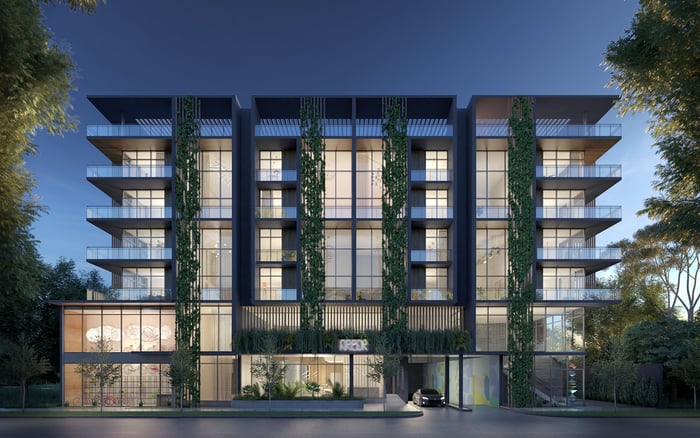
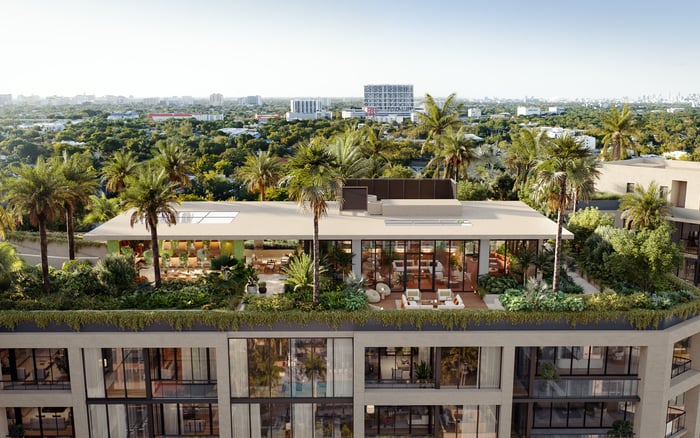
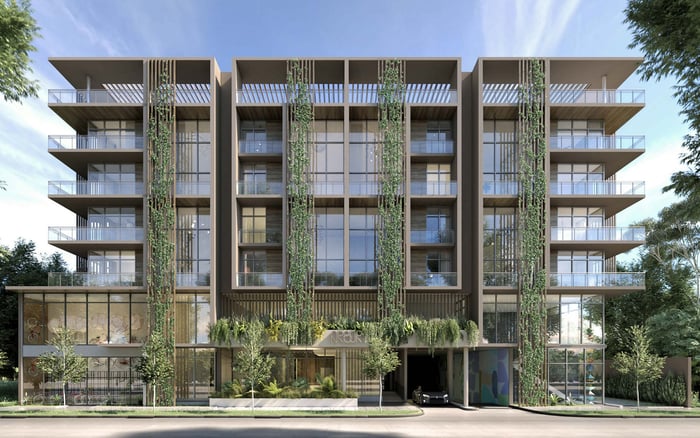
Arbor Coconut Grove captures a distinct luxury proposition: boutique-scale residences shaped by Coconut Grove’s canopy, walkability, and enduring appetite for privacy. For buyers considering Coconut Grove, the project stands out for its low-density character, sustainability-minded design language, and indoor-outdoor living ethos in a neighborhood where waterfront leisure, culture, and village-scale convenience remain central to value.
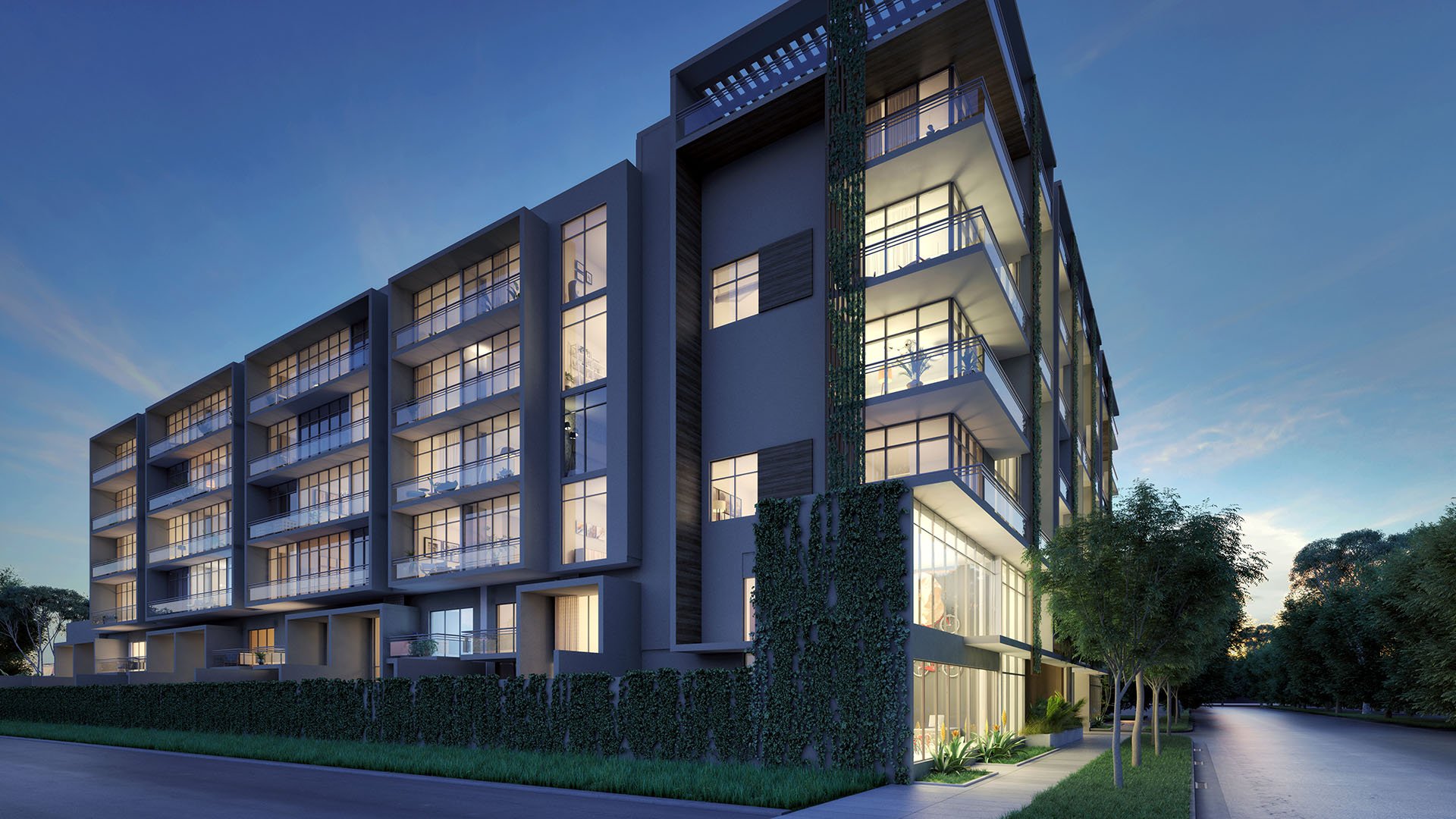
In Miami’s luxury conversation, scale often takes center stage. Taller towers, broader amenity decks, and increasingly theatrical branding often define the skyline from Brickell to the beaches. Arbor Coconut Grove presents a different expression of prestige. It is positioned as an ultra-luxury boutique development in Coconut Grove with fewer than 50 residences, placing it firmly among intimate, highly selective residential offerings rather than mass-market condominium inventory.
That distinction matters. For many buyers, especially those considering a primary residence or polished second home in Coconut Grove, privacy now holds as much value as spectacle. Arbor is geared toward purchasers who favor a discreet arrival, a smaller ownership community, and a living environment that feels tailored rather than institutional. In a market where new construction often leans toward vertical density, the project’s low-density positioning becomes central to its luxury appeal.
The development also aligns with the broader mood of the neighborhood. Coconut Grove has long attracted residents who want access to Miami’s social and commercial core without giving up greenery, walkability, and a stronger sense of local texture. In that context, Arbor reads less like a typical condo launch and more like a calibrated response to what sophisticated buyers already value about the area.
Coconut Grove occupies a rare niche in South Florida. It is village-like yet internationally recognized, lush yet urban, and connected to the wider city without feeling overtaken by it. The neighborhood’s appeal is reinforced by tree-lined streets, waterfront parks, yacht clubs, and regular access to Biscayne Bay recreation. It also offers a rhythm that feels more walkable and less performative than several of Miami’s more traffic-heavy luxury districts.
For residents, that translates into daily quality of life. Dining, shopping, and entertainment around CocoWalk contribute to a sense of ease, while nearby cultural landmarks give the neighborhood depth beyond the usual luxury shorthand of restaurants and marinas. This is one reason Coconut Grove continues to command a premium pricing tier: buyers are not simply paying for square footage, but for a residential setting with emotional permanence.
That same appeal has supported a new wave of highly designed projects in the district. Developments such as Four Seasons Residences Coconut Grove, The Well Coconut Grove, and Opus Coconut Grove reflect the area’s continued draw for buyers seeking a more refined, neighborhood-driven luxury experience. Arbor enters that conversation with an even more boutique proposition.
Arbor’s identity is closely tied to the Grove’s mature landscape. Its concept emphasizes integration with the neighborhood’s green canopy and village-scale character, a notable departure from the glass-first, skyline-centric language common elsewhere in Miami. The appeal is not merely visual softness. It is the sense that the architecture belongs to Coconut Grove rather than simply occupying land within it.
This approach tends to resonate with buyers who are less interested in transient design trends and more focused on contextual value. A residence framed by native landscaping, landscaped courtyards, and a calmer outdoor vocabulary can feel more enduring than one designed solely for immediate visual impact. In practical terms, that means Arbor’s setting is part of the product. The experience begins before the front door, through the relationship between building, shade, garden, and street.
Neighborhood context also matters in Coconut Grove more than in many other luxury submarkets. Development is shaped by planning, zoning, land-use, and character considerations that reinforce the area’s more intimate urban form. For buyers, this often strengthens confidence that new construction is expected to engage with its surroundings rather than overpower them.
Arbor is marketed around the domestic features affluent buyers increasingly treat as non-negotiable. Reported interiors include open layouts, high ceilings, private terraces, premium chef’s kitchens, and spa-style bathrooms. These are familiar luxury components, but in a boutique building they tend to register differently. The smaller resident count can make private outdoor space, quiet circulation, and customization feel more meaningful because they are not diluted by the scale of the property.
There is also a clear indoor-outdoor intent embedded in the concept. In Coconut Grove, terraces are not merely decorative appendages. They are part of how residents live, entertain, and connect to the climate. Arbor’s landscaped courtyards and emphasis on outdoor living suggest a residential experience oriented toward filtered light, garden views, and the softer atmosphere that distinguishes the Grove from more hard-edged urban districts.
This is where Arbor’s positioning becomes especially clear. Buyers comparing it with other Coconut Grove offerings may find Arbor attractive precisely because it narrows the focus: fewer residences, more intimacy, and a more explicitly ecological design narrative.
In the upper tier of South Florida residential design, sustainability is no longer a niche preference. At projects like Arbor, it has become part of the definition of thoughtful luxury. Reported themes include native landscaping, energy-efficient systems, and green-building or LEED-aligned construction priorities. The project is also associated with resilience-minded features such as water-conservation systems, permeable surfaces, and solar-ready infrastructure.
For discerning purchasers, these elements do more than satisfy a philosophical preference. They can enhance long-term livability, support a more responsible relationship to the site, and signal that the project has been conceived with contemporary expectations in mind. In a climate-sensitive region, ecological intelligence and resilience increasingly sit alongside finish quality and floor plan efficiency as markers of sophistication.
The key appeal is that Arbor’s sustainability message appears integrated into its design character rather than appended as a checklist. When native planting, outdoor rooms, permeability, and energy performance support the architecture itself, the result feels less promotional and more authentic.
Arbor is generally positioned in the roughly $2 million to $5 million-plus range, consistent with its ultra-luxury boutique profile. As with many projects in pre-launch or early sales phases, public information can evolve, and the finest level of pricing or inventory detail may remain limited until the sales cycle matures. Even so, the market message is clear: Arbor is not competing on volume. It is competing on rarity.
That makes the likely buyer profile relatively easy to understand. The development should appeal to purchasers who prioritize discretion, design coherence, and a more residential atmosphere than the typical high-rise tower can provide. This includes local move-down buyers who want elegance without excess, out-of-market purchasers seeking a second home in Coconut Grove, and design-conscious households drawn to boutique new construction with a greener sensibility.
It also speaks to a broader market shift. Luxury demand in Coconut Grove has remained compelling as buyers increasingly seek neighborhoods that offer identity, walkability, and a sense of retreat without sacrificing access to Miami’s cultural and commercial gravity. Arbor fits that moment neatly.
What is Arbor Coconut Grove? Arbor Coconut Grove is presented as an ultra-luxury boutique residential development in Coconut Grove with a low-density character and a design language tied to the neighborhood’s canopy.
How large is the project? The development is described as having fewer than 50 residences, reinforcing its intimate and private feel.
What type of buyer is Arbor designed for? It is aimed at buyers seeking privacy, customization, and a more discreet residential experience than a typical Miami high-rise.
What is the general price positioning? Residences are generally placed in the roughly $2 million to $5 million-plus range, subject to current availability and release timing.
What interior features define the residences? Reported highlights include open layouts, high ceilings, private terraces, chef’s kitchens, and spa-style bathrooms.
How does Arbor reflect Coconut Grove’s identity? Its concept emphasizes integration with the Grove’s mature trees, village-scale setting, and strong indoor-outdoor lifestyle.
Does the project incorporate sustainable design? Yes. Reported features include native landscaping, energy-efficient systems, water conservation measures, permeable surfaces, and solar-ready infrastructure.
Why is Coconut Grove so appealing to luxury buyers? The neighborhood offers walkability, waterfront access, a historic atmosphere, and a lifestyle that feels both cultivated and relaxed.
How does Arbor compare with larger Miami towers? Its boutique scale and lower density make it appealing to buyers who prefer intimacy and quiet over grand-scale amenity environments.
Is Arbor best suited for a primary home or second home? It can suit both, particularly for buyers who value refined design, privacy, and a residential setting with lasting neighborhood character.
When you're ready to tour or underwrite the options, connect with MILLION Luxury.
If branded residences are on your mind — as a home or as an allocation — we would be glad to share what we are seeing, privately.
Begin a quiet conversation