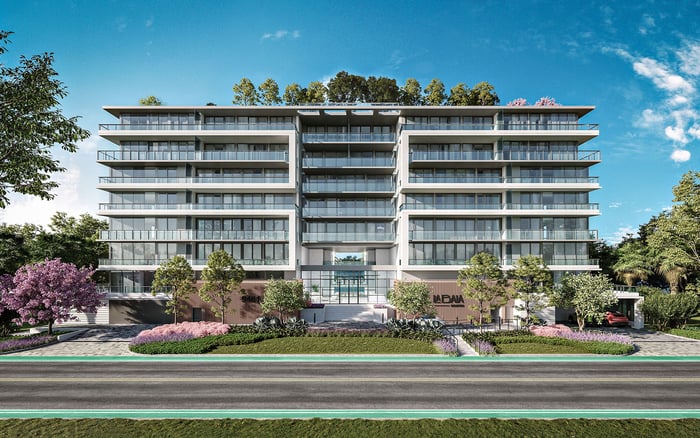
A family-focused due diligence guide to clarifying Alma Bay Harbor Islands turnover timing, occupancy milestones, amenity availability, association handover, and relocation risk before planning a move.

For family buyers considering Alma Bay Harbor Islands, turnover timing is not a background detail. It is the hinge between contract, closing, school calendars, lease commitments, childcare plans, and the first day a household can live normally in a new residence. In a luxury setting, the question is rarely whether the home is desirable. The sharper question is whether the timing is precise enough to support the way a family actually moves.
The first rule is straightforward: confirm the project’s stated turnover timing in writing through official project and contract documents. Verbal sales guidance can help orient the conversation, but it should not become the basis for terminating a lease, transferring children between schools, booking movers, or arranging temporary housing. Families should ask for written language that identifies the relevant milestone and explains what must occur before closing, occupancy, and daily use of the residence can begin.
That discipline is especially important when phrases such as “near completion” and “move-in ready” sound definitive while still leaving room for separate approvals, finishing work, or phased community delivery. Family buyers should treat those phrases as prompts for more questions, not as substitutes for legal occupancy approval or full community completion.
“Turnover” can mean different things depending on who is using the term. For one party, it may refer to unit or home delivery. For another, it may mean building completion, amenity availability, municipal approvals, or association handover. Those are not always the same milestone, and a family’s risk profile changes depending on which definition is in play.
A practical first question is: when you say turnover, do you mean the residence itself is ready for delivery, the building is complete, the amenities are open, the certificate of occupancy is in place, or control is shifting from developer to residents? The answer should be documented. Families should also ask whether final municipal approvals, inspections, or certificates of occupancy are already complete or still pending for the specific residence or phase they expect to occupy.
This distinction matters because a family may be able to close before every element of community life feels settled. Punch-list work, shared infrastructure completion, elevator scheduling, utility hookups, or phased delivery factors may still influence the practical move-in date. The most useful answer is not a broad season or a marketing phrase. It is a single written timeline with clearly separated milestones.
Luxury buyers often begin with architecture, views, finishes, and privacy. Families must add a second layer: calendar reliability. Before aligning school enrollment, lease termination, household staff schedules, childcare, storage, travel, or relocation plans, buyers should request the latest construction, closing, and occupancy schedule.
The stakes are personal. A delayed delivery can mean an extended rental, a hotel stay, a storage contract, or a second round of moving logistics. It can also affect school attendance boundaries, commute patterns, after-school routines, and caregiver availability. For buyers balancing private-school decisions with household relocation, written timing is not administrative. It is part of the purchase decision.
Families should also build contingencies into their plans. Closing and move-in timing should be coordinated with school calendars and childcare needs, but not pinned to an unverified verbal date. If delivery shifts, temporary housing should already be part of the plan, even if the family hopes never to use it.
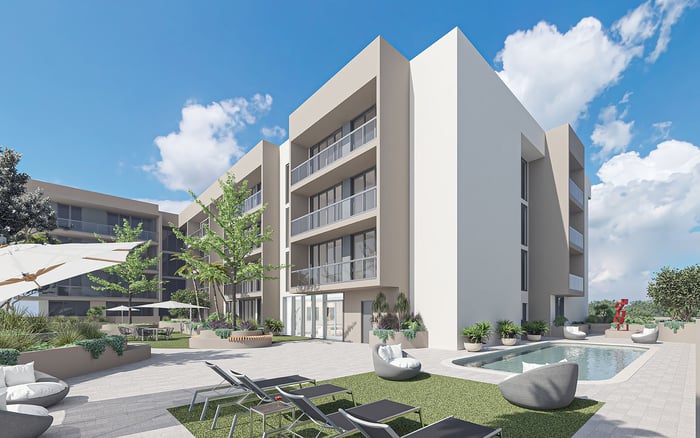
A family’s daily life depends on more than the residence. Before committing to a move timeline at Alma Bay Harbor Islands, buyers should ask which amenities will be open at first occupancy and which may be delivered later. Family-relevant spaces deserve particular attention: pool areas, recreation spaces, parking, lobbies, corridors, elevators, common areas, and any outdoor spaces central to the household routine.
The key is to separate access from aspiration. An amenity may be presented beautifully in marketing materials, but the question for a parent is whether it will be open, safe, staffed, permitted, and practically usable when the family moves in. Buyers should ask whether any rules will limit use during the early occupancy period and whether hours, access paths, reservations, or supervision policies will be different while work continues.
Temporary construction activity is another essential line of inquiry. Families should verify whether work will continue after early residents move in, including possible noise, access restrictions, parking impacts, contractor circulation, service elevator limits, or closed common areas. These factors can be manageable when understood in advance. They become disruptive when discovered on move-in week.
Bay Harbor Islands living carries a particular appeal for families seeking a refined residential rhythm in Miami-Dade. Lifestyle priorities may include new construction, proximity, pool access, and water-view preferences, but those goals still depend on functioning infrastructure.
Families should ask whether waterfront, drainage, life-safety, security, and access systems are complete before occupancy or scheduled for later phases. These elements are not merely technical. They shape resident confidence, circulation, emergency planning, and the everyday sense of readiness.
Shared systems can also influence timing. Elevator availability, utility connections, access controls, garage operations, and building services should be understood before movers are booked. A residence can feel finished while a shared component is still being completed, tested, or handed over. The family buyer’s goal is not to avoid all complexity. It is to know which complexities may still exist on day one.
Turnover is not only physical. It can also be administrative. Buyers should request a written explanation of any developer-controlled association period and when resident governance is expected to begin. This matters because the experience of ownership can evolve as the association matures, budgets stabilize, and residents begin participating in governance.
Families should ask what association budgets, reserves, insurance estimates, maintenance obligations, and potential assessments will look like at turnover. These questions are not meant to challenge the project’s quality. They are part of prudent ownership, particularly for buyers who want predictability in annual household planning.
The association conversation should be specific. What expenses are estimated? What services are expected to be active at first occupancy? What obligations begin at closing? Could assessments arise from incomplete, deferred, or newly identified needs? Buyers should also understand who makes decisions during any developer-controlled period and how information will be shared with residents.
The cleanest way to reduce uncertainty is to request one written timeline that brings every moving part into a single document. It should show deposit deadlines, closing triggers, walkthrough timing, inspection status, move-in rules, elevator reservations, utility readiness, amenity openings, parking availability, construction activity, and association transition milestones.
Legal counsel should review purchase agreements for remedies if turnover, occupancy, or amenity delivery is delayed beyond promised dates. The review should focus not only on the headline delivery language, but also on extensions, notice requirements, closing conditions, buyer remedies, and how amenity or common-area delays are treated.
For family buyers, the best posture is calm but exacting. Alma Bay Harbor Islands can be evaluated as a lifestyle decision, a design decision, and a location decision. But before any family turns that decision into a relocation plan, turnover timing should be converted from conversation into documentation.
What should family buyers ask first about Alma Bay Harbor Islands turnover timing? Ask for the stated turnover timing in writing through official project and contract documents, not only through verbal guidance.
Does turnover always mean the same thing as move-in readiness? No. It may refer to residence delivery, building completion, amenity availability, municipal approvals, or association handover.
Why should families request the latest schedule before planning a move? School enrollment, lease endings, childcare, and relocation logistics can all be affected if construction, closing, or occupancy timing shifts.
Which amenities should families confirm before first occupancy? Confirm the status of pools, recreation areas, parking, common areas, elevators, and any family-relevant shared spaces.
Can construction continue after early residents move in? It can, so buyers should ask about possible noise, access limits, parking impacts, and restricted common areas.
Should buyers ask about municipal approvals? Yes. Buyers should clarify whether inspections, final approvals, or certificates of occupancy are complete or still pending.
What could delay a practical move-in date after closing plans begin? Phased delivery, punch-list work, utility hookups, elevator availability, and shared infrastructure completion can all affect timing.
Why does association handover matter to families? Governance timing can influence budgets, rules, maintenance obligations, communication, and the resident experience after move-in.
Should legal counsel review delay language? Yes. Counsel should review remedies, extensions, closing triggers, and amenity delivery provisions before a buyer relies on any timeline.
What is the most useful document to request? Ask for one written timeline covering deposits, closing, walkthroughs, move-in rules, amenity openings, and association transition milestones.
When you're ready to tour or underwrite the options, connect with MILLION.
If branded residences are on your mind — as a home or as an allocation — we would be glad to share what we are seeing, privately.
Begin a quiet conversation