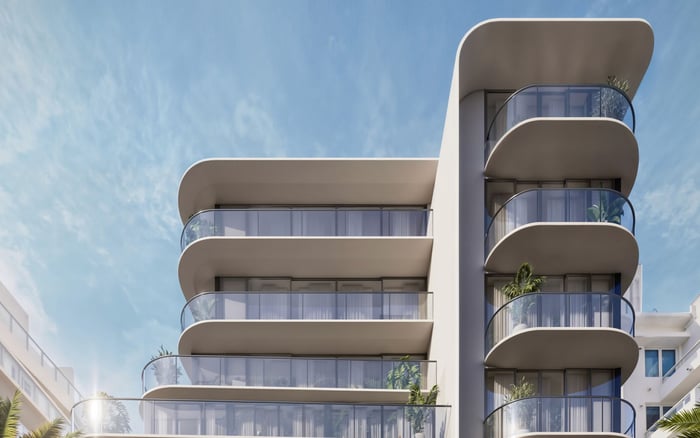
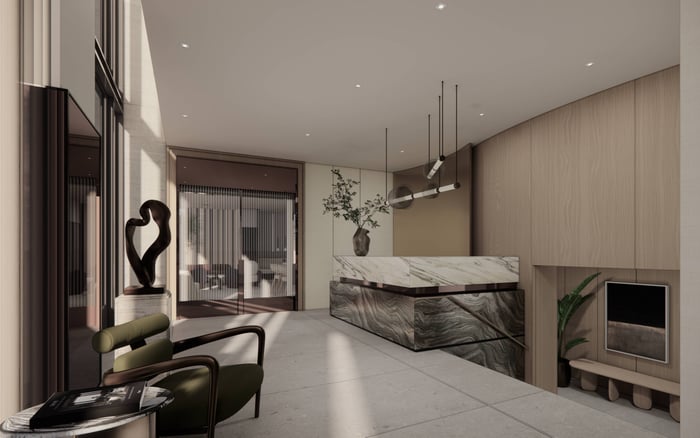
A discreet buyer’s guide to Alma Bay Harbor Islands as a boutique, seasonal-use residence for owners who value lock-and-leave practicality, professional oversight, and quieter Miami-area access.
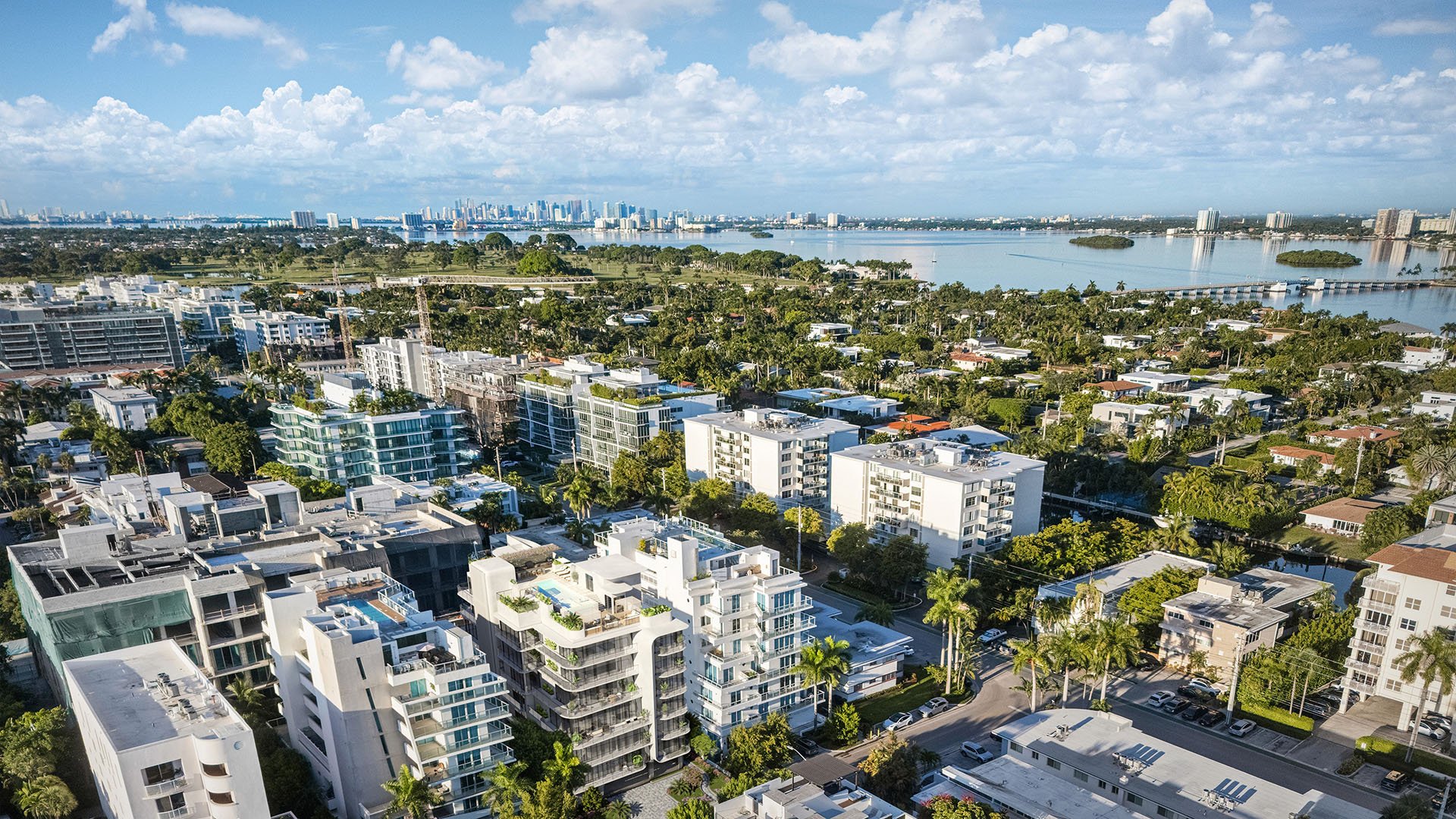
For the buyer who treats South Florida as a seasonal base rather than a full-time address, the ideal residence is not simply beautiful. It must be manageable. Alma Bay Harbor Islands belongs in that conversation as a luxury residential option shaped by flexible use, quieter surroundings, and the practical realities of owners who may be away for extended periods.
That distinction matters. A seasonal home asks different questions than a primary residence. Who watches the property when the owner is away? How easily can a trusted manager inspect, maintain, and prepare the residence before arrival? Does the building feel composed and private, rather than sprawling and anonymous? Alma speaks directly to this buyer: someone who wants Miami-area climate and lifestyle access without the obligations of constant occupancy.
Lock-and-leave living is not a slogan for affluent second-home buyers. It is an operating requirement. A residence that sits empty for weeks or months needs a clear plan for access, maintenance, security awareness, cleaning, deliveries, climate control, and arrival readiness. The more polished the residence, the more important the behind-the-scenes protocol becomes.
Alma’s appeal is tied to this seasonal-use logic. It suits owners who may be absent for long stretches and who rely on professional property management to safeguard and maintain the home while they are away. That makes it especially relevant for buyers who do not want their South Florida residence to become another demanding asset on the calendar.
Bay Harbor Islands reinforces the thesis. Its residential character is quieter than many of the region’s more kinetic waterfront and resort corridors. For a buyer who wants access to the Miami area without placing daily life in the center of a mega-tower district, that calm can be part of the luxury.
Alma is a boutique condominium rather than a large-scale tower. For seasonal owners, that can change the emotional and practical texture of ownership. A more intimate building may feel easier to understand, easier to enter, and easier for a property manager to service discreetly. It can also appeal to buyers who prefer a residential atmosphere over the pace and density of a major vertical resort.
The boutique conversation is not only about fewer neighbors or a quieter arrival sequence. It is about the relationship between service expectations and owner confidence. Buyers who leave a residence unattended for long intervals often place a premium on clarity: who has access, how the residence is cared for, and how quickly an issue can be addressed.
In this sense, Alma fits a broader Bay Harbor second-home buyer profile: design-conscious, privacy-oriented, and practical about the responsibilities of seasonal ownership. It is not merely about having a South Florida address. It is about having one that can be lived in intensely, then left responsibly.
Alma belongs to a newer generation of design-forward mid-rise residential projects. That positioning matters for buyers who want a home that feels current but not overwhelming. The appeal is less about spectacle and more about composure, proportion, and a lifestyle that can expand and contract with the owner’s schedule.
Flexible usage patterns sit at the center of the value proposition. A buyer might arrive for winter months, long weekends, school holidays, art season, or a spontaneous warm-weather escape. The residence must be ready when needed and protected when not. For some households, that means a personal property manager coordinating cleaning, inspections, and vendor access. For others, it may mean a broader estate-management structure that includes homes in several cities.
New-construction expectations often influence this buyer’s checklist, even when the final decision depends on specific building documents and delivery details. Seasonal owners tend to look for residences that support modern routines: reliable access, low-friction maintenance, and a built environment that feels elegant without becoming overly complicated.
A property manager-friendly residence is defined less by one feature than by an ecosystem. Before buying at Alma, a seasonal owner should evaluate how the residence can be managed in practice. Access procedures matter. So do building rules, vendor protocols, insurance requirements, maintenance responsibilities, and the ability to conduct periodic checks during extended absences.
The best buyers approach this with the discipline of an investment, even when the primary motivation is lifestyle. They ask how the residence will perform operationally during the months when it is not being used. They also ask whether the building culture aligns with discreet professional oversight.
If monetization is part of the plan, caution is essential. Alma may appeal to owners who want a residence that can be maintained, protected, and potentially monetized while they are away, but rental assumptions should never be made casually. Rent policies, minimum lease periods, approval procedures, and any restrictions should be reviewed through the applicable condominium documents and official sales guidance before a buyer models income or offset potential.
Alma is most compelling for a sophisticated luxury buyer who wants the Miami-area lifestyle without full-time presence. This may be a seasonal owner seeking winter use, a family that wants a calmer base near the coast, or a couple who prefers a boutique building to a high-density condominium environment.
It is also relevant for buyers who already understand the rhythm of seasonal ownership. They know that the purchase price is only part of the decision. The true measure is whether the residence can be cared for gracefully when the owner is away, then feel effortless upon return.
For this profile, Alma’s combination of boutique scale, design-forward positioning, flexible use, and Bay Harbor Islands’ quieter residential character creates a refined alternative to larger Miami-area condominium towers. The result is a residence that can function as both retreat and managed asset, provided the buyer verifies the operational details that matter most.
Is Alma Bay Harbor Islands intended for seasonal buyers? Alma suits buyers seeking seasonal use in South Florida, especially those who may not occupy the residence full time.
What does lock-and-leave mean for an Alma buyer? It refers to ownership where the residence can be left for extended periods with professional oversight, maintenance, and preparation for the owner’s return.
Is Alma a large condominium tower? Alma is described as a boutique condominium rather than a large-scale mega-tower, which may appeal to buyers seeking a more intimate setting.
Why does Bay Harbor Islands matter for this buyer profile? Bay Harbor Islands offers a quieter residential character, which can suit seasonal owners who want Miami-area access without constant intensity.
Can a property manager oversee an Alma residence while the owner is away? Alma may appeal to buyers who rely on professional property management, but specific access and building protocols should be verified before purchase.
Is Alma suitable as a second home? Yes, Alma’s positioning aligns with buyers who want a seasonal South Florida residence supported by flexible usage and practical ownership planning.
Can Alma be rented when the owner is not using it? Potential monetization may be part of the appeal for some buyers, but rental rules, minimum lease periods, and approvals must be confirmed in the governing documents.
What should seasonal buyers review before signing? They should review condominium rules, management procedures, insurance obligations, vendor access, maintenance responsibilities, and any rental restrictions.
Is Alma more lifestyle-driven or investment-driven? It can be both, but the core appeal is lifestyle access paired with the practical discipline required to manage a residence during owner absences.
Who is the ideal Alma buyer? The ideal buyer values boutique scale, design-forward living, quieter surroundings, and a residence that can be professionally cared for when not in use.
If you'd like a private walkthrough and a curated shortlist, connect with MILLION.
If branded residences are on your mind — as a home or as an allocation — we would be glad to share what we are seeing, privately.
Begin a quiet conversation