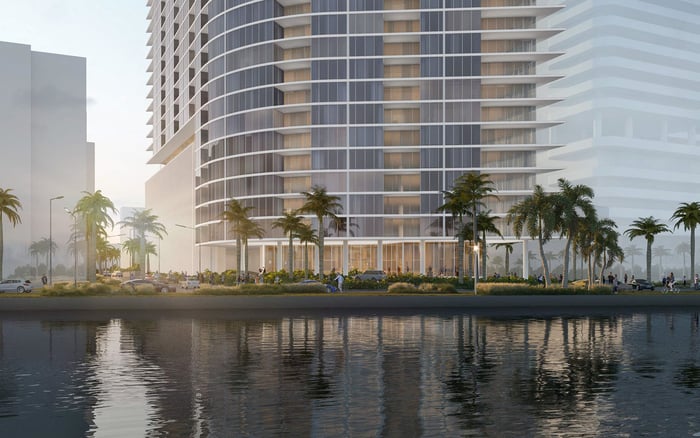
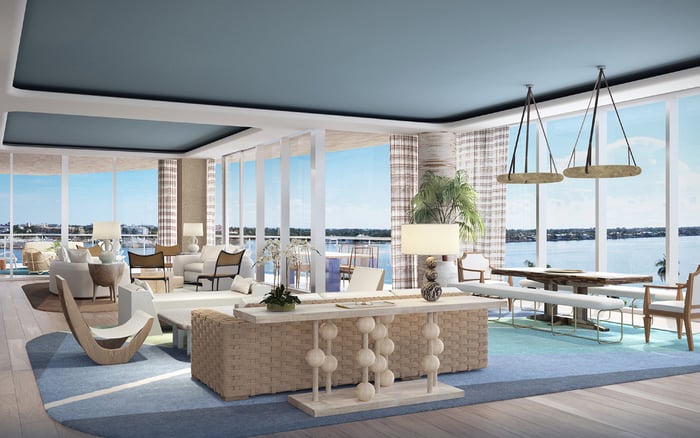
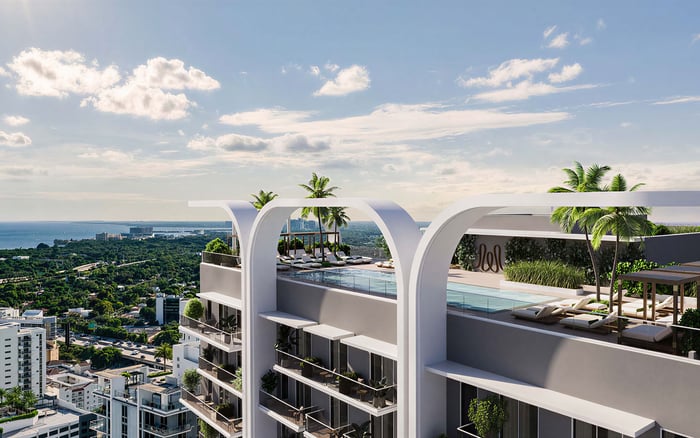
A buyer-oriented, design-forward comparison of two West Palm Beach residential choices, focused on how orientation, elevation, glazing, and waterfront geometry influence daily light quality and Intracoastal view corridors.
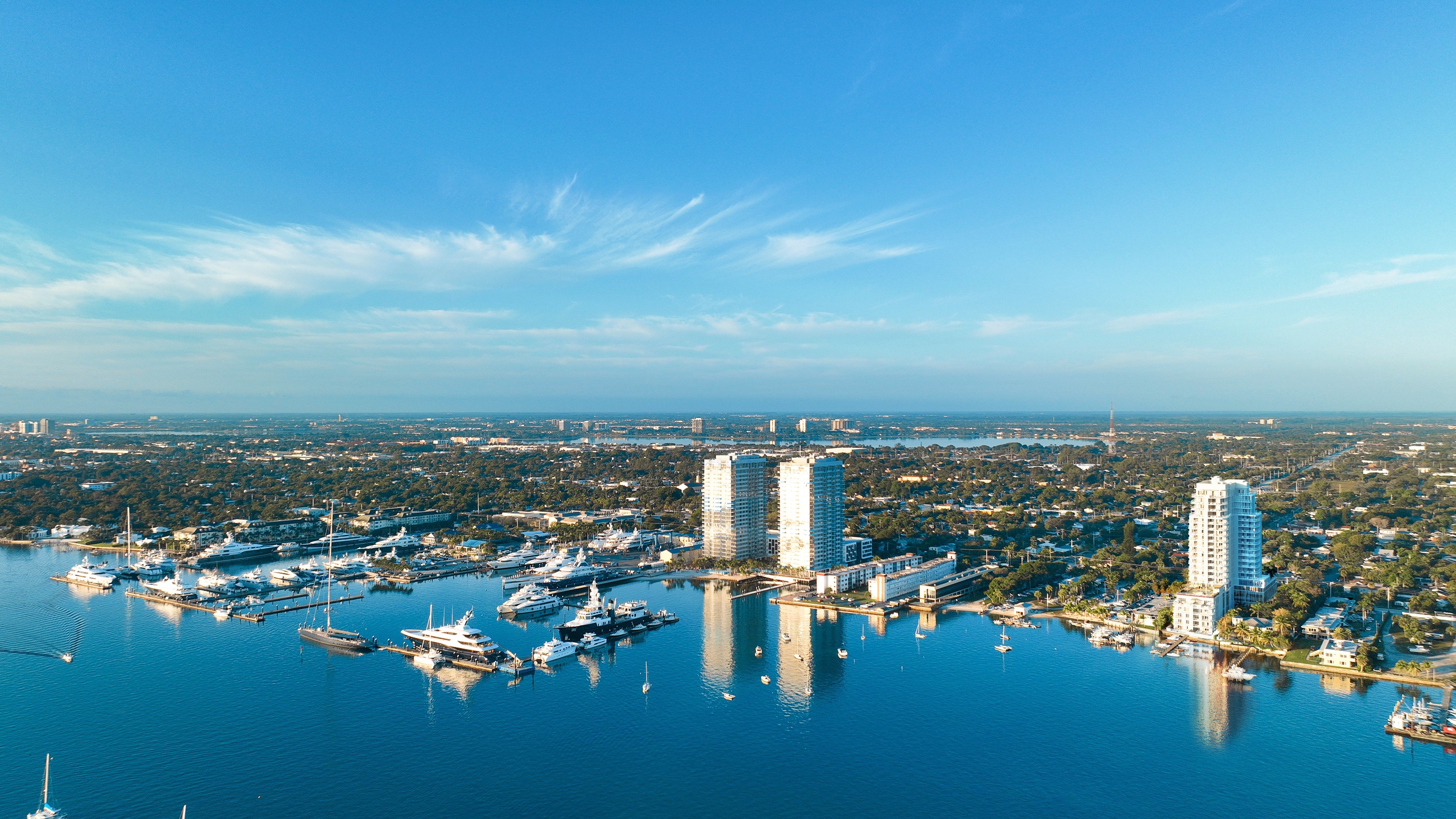
In West Palm Beach, two residences can share a ZIP code and a price band yet deliver entirely different day-to-day experiences. The difference is rarely the lobby or the amenities package. It’s the waterfront physics: how a building’s position, angle, and elevation determine what you see, when you see it, and how comfortable the light feels as it moves across the Intracoastal.
That’s why a comparison like Alba West Palm Beach versus Shorecrest Flagler Drive West Palm Beach is less about which is “better” and more about which matches your natural rhythm: sunrise softness or late-day glow, a wide cinematic sweep or a framed, architectural view, a terrace you actually use or one that becomes a seasonal photo set.
Consider this a buyer’s lens for interpreting Intracoastal living: sightline geometry, solar exposure, privacy layers, and how floor height changes the emotional scale of the water.
Set marketing language aside. There are a few consistent, repeatable ways to evaluate any Intracoastal-facing residence.
Start by breaking “water view” into three parts:
Corridor width: How wide is the slice of water you can see from your primary living areas? A wider corridor typically comes from clearer lateral angles and fewer competing structures.
Horizon depth: On higher floors, the horizon line drops and the view feels longer, cleaner, and less interrupted by nearby edges. On lower floors, the water reads as more immediate, with more surface detail and a stronger sense of movement.
Foreground texture: Boat traffic, seawalls, palms, and promenade activity can either animate the view or erode serenity, depending on how close they feel.
Then layer in sunlight:
Morning sun
often reads crisp and flattering, with glare easing once it climbs.
Afternoon sun
can bring warmth and drama, but it’s also the period most likely to challenge terrace comfort due to heat load and low-angle glare.
Through this lens, Alba and Shorecrest present two distinct light-and-water propositions. Your preference typically tracks lifestyle: early risers and calm-water readers often prioritize morning light and controlled glare; sunset diners and entertainers tend to want late-day color and an after-hours skyline feel.
The Intracoastal isn’t the open ocean. It’s a working, living channel. Your view becomes a composition-part water, part everything between you and the water.
When evaluating Alba West Palm Beach, focus on how your likely corridor behaves from the living room and from the terrace. In a showing, test two things: (1) whether the primary seating area naturally faces the strongest view without furniture gymnastics, and (2) whether the terrace rail height and depth let you see water while seated-not only while standing.
For Shorecrest Flagler Drive West Palm Beach, the defining variable is often the framing effect. Along Flagler Drive, even subtle differences in setback and angle can determine whether the Intracoastal reads as a broad panorama or as a curated boulevard-plus-water vignette. Many buyers love the city-meets-water layering because it adds dimension; others prefer a cleaner, water-first corridor.
Practical technique: stand at the kitchen island, then at the sofa wall, then at the bed pillow line. If the water remains present in all three positions, you’re buying a view you’ll feel all day-not one you only notice at cocktail hour.
In South Florida, luxury terraces aren’t judged by square footage alone. They’re judged by how many months of the year you’ll choose to use them.
Sunlight exposure shapes three factors buyers often underestimate:
Glare management:
Low-angle sun can turn water into a mirror. Even the most elegant interiors can feel visually “hot” when sun hits polished stone, glass, and water at once. Bring sunglasses for a second visit; if you need them indoors, you’ll likely rely heavily on shading.
Thermal comfort:
Afternoon sun can compress terrace use into early mornings and cooler months unless there’s meaningful shade, an overhang, or a naturally protected orientation.
Interior lighting quality:
Morning light tends to read neutral and clear, making art and finishes feel crisp. Late-day light can be romantic, but it may skew warm-which matters if you collect contemporary art or favor cooler palettes.
In West Palm Beach, the “best” exposure is often the one you can modulate. Look for rooms where you can build layers: sheer for daylight, blackout for heat, and exterior shading for terrace comfort. If a residence gives you only one tool, you’ll feel that constraint on bright days.
Floor height is a surprisingly personal choice.
Lower floors
emphasize Intracoastal immediacy. You hear and see more: water texture, passing boats, palms moving in the wind. With landscaping that buffers the street layer, it can feel intimate-almost like a villa on a canal.
Higher floors
recast the water as a broader, quieter ribbon. Boat traffic becomes choreography rather than noise. Privacy improves, and the skyline can feel more “owned” than shared.
When comparing residences at Alba versus Shorecrest, don’t assume higher is automatically better. If your ideal morning includes coffee with a closer read of the channel and a sense of proximity to the promenade, a mid-level height can be ideal. If you entertain at night and want city lights to register like a jewel box, height becomes the differentiator.
Intracoastal living comes with an unspoken reality: you’re not the only one with a view.
Two common privacy pitfalls:
Sightlines into you: Boats, neighboring buildings, and even roadway sightlines can create a feeling of being on display. Confirm whether the primary bedroom sits on a direct line from another façade.
Terrace exposure: A beautiful terrace can be less usable if it lands in a direct visual corridor. The solution isn’t always curtains. Often, the cleanest fix is selecting a different stack, a different floor, or a terrace that’s naturally recessed.
At the ultra-premium end, privacy should feel effortless. If you have to work to feel comfortable in your main living space, the view is dictating your life rather than enhancing it.
Some buyers cross-shop not only between two projects, but between two waterfront narratives: an Intracoastal vantage versus the more formal, legacy-facing tone of South Flagler.
If you’re also considering Forté on Flagler West Palm Beach, apply the same framework: corridor width, horizon depth, and terrace performance. The difference often comes down to the foreground-whether the visual composition leans toward a more formal boulevard-and-water layer or a movement-forward channel read.
The goal isn’t to choose the most famous address. It’s to choose the light you want to live inside.
A serious evaluation takes two visits.
On your first visit, focus on geometry:
From each primary room, identify your anchor view. If you have to stand in a corner to see water, the view isn’t truly integrated.
Sit down. The seated view is the lived view.
Walk the terrace perimeter. Note where the strongest view is-and whether it’s also the most comfortable spot.
On your second visit, focus on sun:
See the home at a different time of day than your first visit.
Track where sunlight lands in the living room and bedroom; watch for reflections off the water.
Consider your actual schedule. If you’re rarely home before 6 p.m., morning light is a nice-to-have, not the driver.
Finally, decide based on use, not fantasy. The most luxurious home is the one that supports your real habits: reading, hosting, working, sleeping, and being unbothered.
How should I compare Intracoastal views between Alba and Shorecrest? Break the view into corridor width, horizon depth, and foreground texture from the primary rooms you’ll use most.
Do higher floors always deliver the best Intracoastal view? Higher floors often extend the horizon and privacy, but mid-level floors can feel more immersive and connected to the water.
What’s the best way to judge sunlight and glare before choosing a unit? Tour at two different times of day and pay attention to water reflections on glass, stone, and the main seating areas.
How can I tell if a terrace will be comfortable in warm months? Look for natural shade, recesses/overhangs, and the ability to add layered shading so you’re not forced indoors during peak sun.
Does an Intracoastal view always feel cooler than a city-facing view? Not necessarily-water can intensify low-angle glare and increase perceived brightness depending on orientation.
What’s the biggest mistake buyers make when evaluating a water view? Falling in love with a standing “wow” moment and ignoring the seated view from the sofa, dining table, and bed.
How do I evaluate privacy when living on the Intracoastal? Check direct sightlines from neighboring buildings, the roadway layer, and the water to see whether your primary rooms feel exposed.
Does more glass automatically mean more glare indoors? It can, but glazing type and shading strategy matter as much as window size.
Should I prioritize sunrise light or sunset light in West Palm Beach? Choose the light you’ll actually use: mornings for a calmer routine, evenings for entertaining mood and late-day color.
Can two units in the same building have very different view corridors? Yes-stack position, terrace geometry, and subtle angle changes can materially change what stays in-frame from room to room.
To compare the best-fit options with clarity, connect with MILLION Luxury.
If branded residences are on your mind — as a home or as an allocation — we would be glad to share what we are seeing, privately.
Begin a quiet conversation