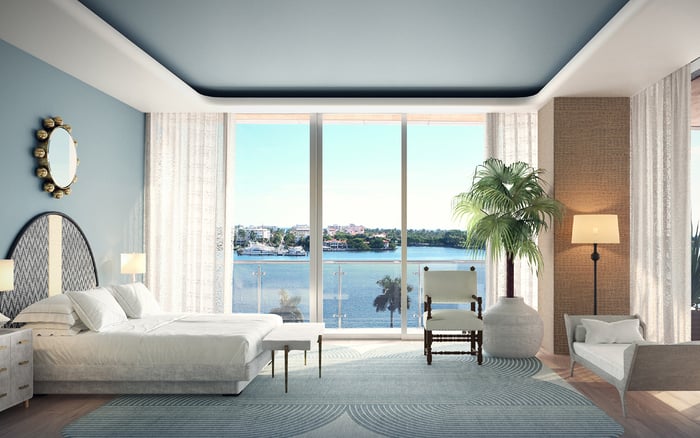
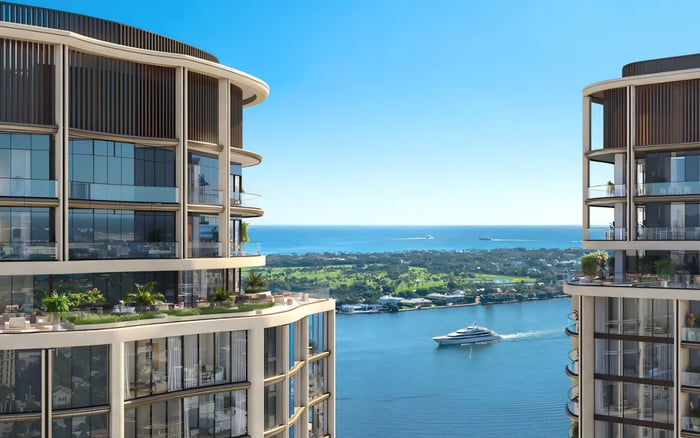
A practical West Palm Beach buyer guide comparing Alba West Palm Beach and Forté on Flagler through the lens of terrace language, roof-rights diligence, and outdoor-room verification.
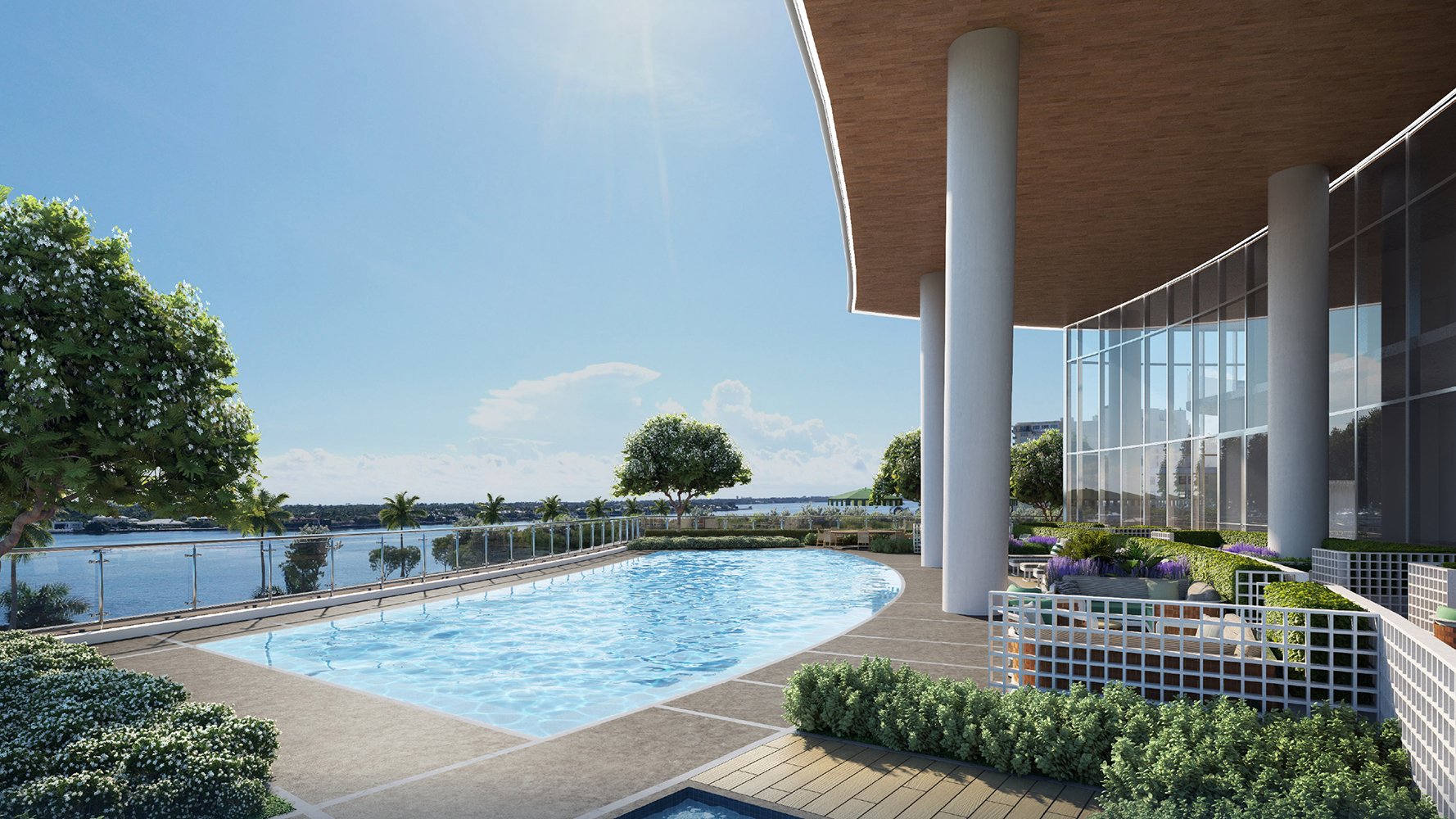
At first glance, the question sounds simple: should a buyer favor the sky-house appeal associated with Alba West Palm Beach, or the high-floor condominium discipline associated with Forté on Flagler West Palm Beach? In practice, the comparison is less about taste than verification. Penthouse scale, roof access, private terraces, and protected outdoor rooms are valuable only when the buyer can identify the exact rights being conveyed.
That is the essential luxury lesson. A rendering, sales description, or listing phrase may shape the dream, but the recorded condominium documents define the asset. The buyer’s job is to connect the lifestyle being marketed with the legal rights, maintenance duties, and practical use conditions that will remain after closing.
At the upper end of West Palm Beach, scale is rarely just interior square footage. The most compelling residences often depend on how indoor living continues outdoors: a dining terrace, a lounge area, a view corridor, or an exterior room that feels integrated into the home rather than incidental to it.
For a practical purchaser, the issue is not whether that idea is desirable. It is whether the idea is documented. If roof rights, sky-level outdoor space, or a terrace-room concept is central to value, the buyer should ask how that space is described in the condominium declaration, exhibits, unit plans, and any applicable association documents.
The same discipline applies whether the residence is being evaluated at Alba, Forté, or another West Palm Beach luxury project. A large outdoor area can be emotionally persuasive, but certainty comes from the documents that explain ownership, access, alteration rights, maintenance, and restrictions.
The words roof, terrace, deck, balcony, exclusive use, and appurtenant right are not interchangeable in a condominium. A buyer may experience these spaces similarly during a showing, but the legal treatment can be different. A space can feel private without being separately deeded. A terrace can be tied to a residence while still being structured as a limited common element. An exclusive-use area can be valuable, but it may carry rules, repair obligations, and association oversight.
That is why the sharper question is not simply, “How much outdoor space comes with the residence?” The better question is, “What exactly does the owner own, control, or have the exclusive right to use?” Each answer affects daily enjoyment, resale explanation, insurance review, and long-term maintenance expectations.
If a buyer is considering any claim related to rooftop use, the first step is to confirm whether the claimed right appears in current, operative condominium language. Without that confirmation, roof-rights language should be treated as a diligence item rather than a settled feature.
In South Florida, outdoor living is not just a postcard promise. Wind, rain, heat, glazing, structural design, and terrace exposure all shape whether an outdoor area can be used with confidence. For penthouse-scale buyers, the question is often whether the outdoor space behaves like an extension of the residence or like an exposed balcony with limited practical use.
The phrase “wind-protected” deserves careful handling. It should not replace a review of plans, approvals, warranties, maintenance manuals, and condominium documents. The question is not whether a space photographs beautifully. The question is whether it performs as represented and whether the obligations tied to that performance are allocated clearly among the owner, association, and building systems.
A sophisticated buyer should ask how the outdoor room is enclosed or shielded, what surfaces and assemblies are maintained by whom, and whether any future changes require association approval. The more important the exterior room is to the purchase decision, the more carefully it should be documented before the buyer assigns premium value to it.
The West Palm Beach luxury market has become fluent in the language of terraces, waterfront outlooks, and high-floor residential drama. A buyer comparing Alba and Forté may also encounter nearby searches such as Shorecrest Flagler Drive West Palm Beach and South Flagler House West Palm Beach, where the same rule applies: read the documents before falling in love with the skyline.
High floors are often marketed with emotion, but the better investment conversation is quieter. Does the terrace belong to the residence in a legally meaningful way? Is the outdoor space part of the unit, a limited common element, or another form of exclusive use? Are the views, access points, and protected-room claims supported by the instruments that will govern ownership after closing?
This is the practical advantage of disciplined diligence. It allows a buyer to separate design language from enforceable control. The best luxury purchase is not merely the most dramatic residence on paper; it is the residence whose rights can be explained cleanly to the next buyer.
Before comparing lifestyle premiums, a serious buyer should isolate the outdoor rights. Ask for the declaration, exhibits, floor plans, unit-boundary language, limited-common-element schedules, terrace maintenance provisions, alteration rules, and any language governing roof or terrace use. If a roof, terrace, or exterior room is central to the value, the buyer’s attorney should read the documents with that specific space in mind.
Next, ask practical operating questions. Who repairs waterproofing? Who maintains railings, pavers, drains, glazing, and exterior assemblies? Can furniture, planters, outdoor cooking elements, screens, or wind-shielding features be added? Are there weight, noise, hours, access, or appearance restrictions? Can association rules change the owner’s use later?
Finally, separate lifestyle from legal title. A terrace may be emotionally part of the home, but the recorded documents define the asset. The strongest purchase decision marries both: a residence that lives beautifully and a bundle of rights that can be defended, maintained, and resold with clarity.
The practical answer is not “Alba or Forté” in the abstract. It is: which residence gives the buyer enforceable control over the outdoor life being sold? At the top of the market, that is where romance becomes real estate.
For buyers comparing penthouse scale, roof language, and wind-protected outdoor rooms, the right process is document-first. Treat every outdoor-living claim as a question to be tested against the condominium instruments, construction records, association rules, and legal review. A beautiful terrace is most valuable when the buyer understands exactly what is owned, what is shared, what is restricted, and what may change over time.
What is the practical Alba versus Forté buyer question? The central question is which residence offers clearly documented control over the outdoor living experience being marketed.
Why does penthouse scale require extra diligence? Large high-floor spaces can be valuable, but buyers need to confirm how interior area, terrace area, and outdoor-use rights are legally described.
Are roof rights and terrace rights the same thing? No. Roof rights, terrace rights, balconies, decks, and exclusive-use areas can be treated differently in condominium documents.
What should a buyer ask about a private terrace? The buyer should ask whether the space is part of the unit, a limited common element, an exclusive-use area, or another documented right.
Why do wind-protected outdoor rooms matter in West Palm Beach? They influence how usable an outdoor space may feel, especially when comfort, exposure, and building systems matter to the buyer.
Can marketing language replace condominium documents? No. Marketing language may describe a lifestyle, but the condominium documents define the rights that transfer with the residence.
What documents should be reviewed before assigning value to outdoor space? Buyers should review the declaration, exhibits, floor plans, unit-boundary language, terrace provisions, alteration rules, and maintenance obligations.
Who should review roof or terrace language for a buyer? A qualified real-estate attorney should review the governing documents, especially when outdoor space is a major part of the purchase value.
How should buyers compare Alba, Forté, and nearby West Palm Beach projects? They should compare the legal rights, maintenance duties, restrictions, and practical usability behind the outdoor spaces rather than relying only on presentation.
What is the best way to shortlist comparable options for touring? Start with location fit, delivery status, and daily lifestyle priorities, then compare stacks and elevations to validate views and privacy.
For a confidential assessment and a building-by-building shortlist, connect with MILLION.
If branded residences are on your mind — as a home or as an allocation — we would be glad to share what we are seeing, privately.
Begin a quiet conversation