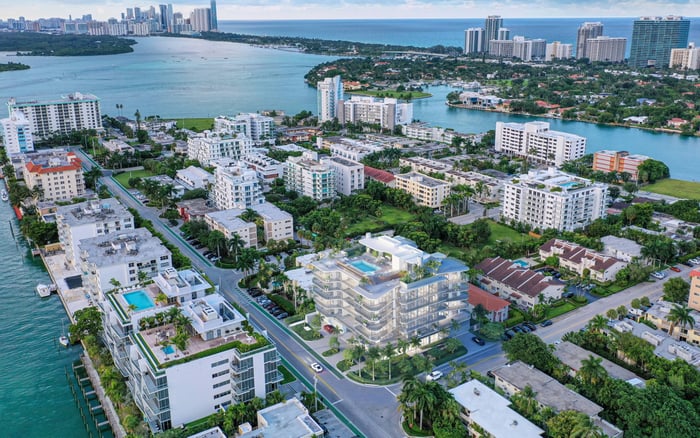
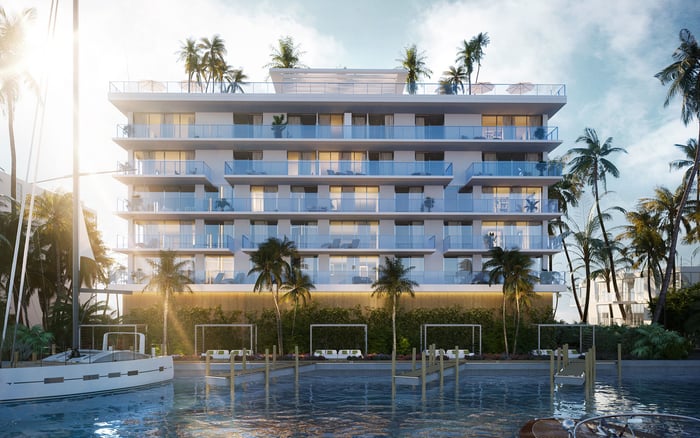
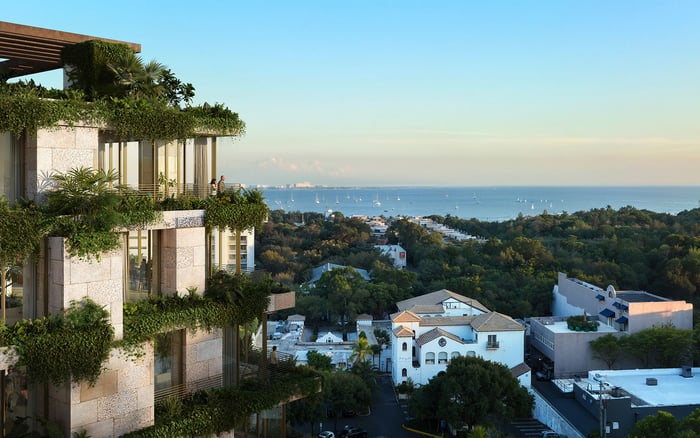
A buyer-focused comparison of Alana Bay Harbor Islands, Origin Bay Harbor Islands, and The Well Coconut Grove through the lens of wellness design, natural light, and humidity-aware residential decision-making.
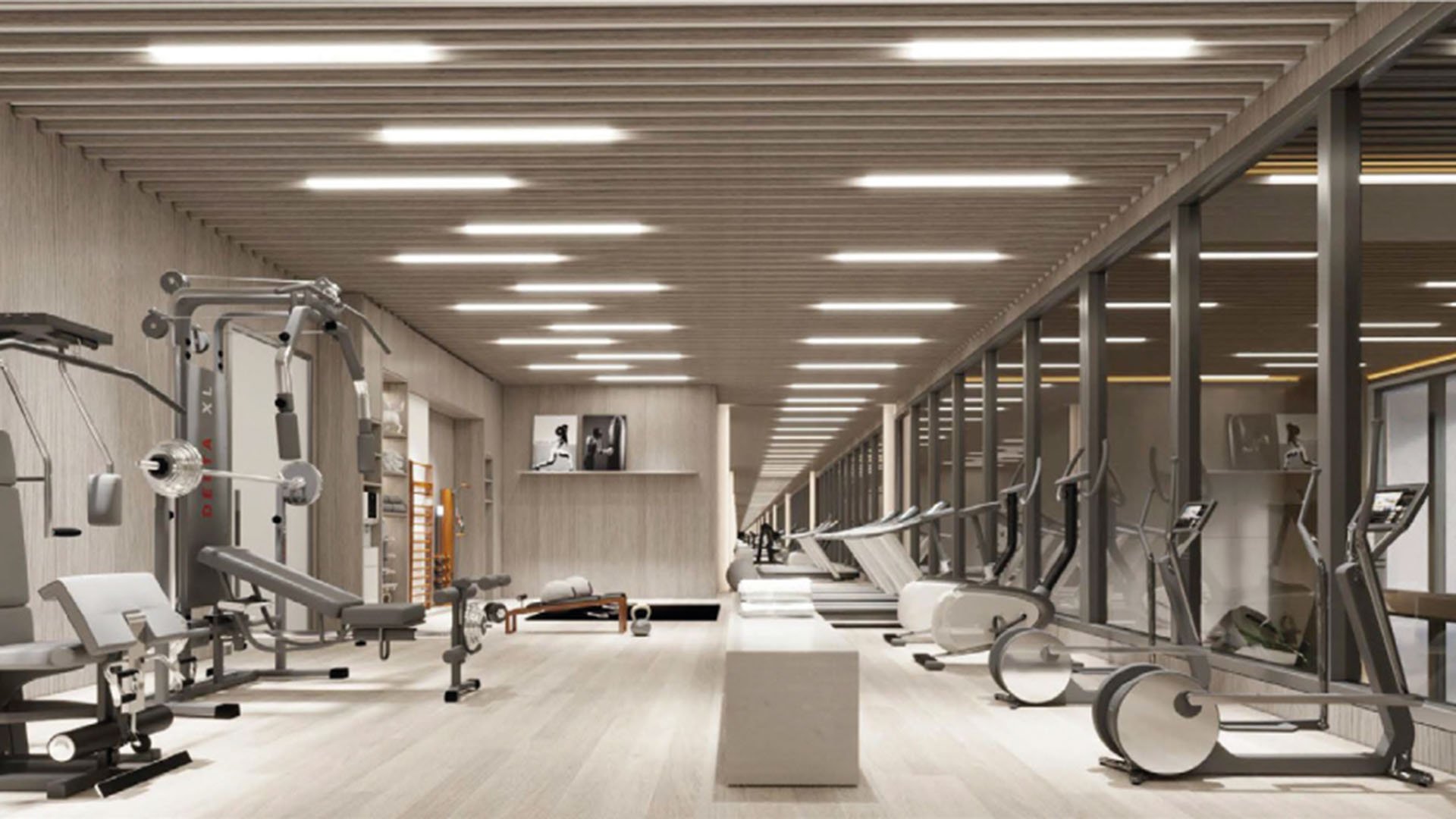
For South Florida’s luxury buyer, wellness design is no longer a decorative idea. It is a way to evaluate how a residence supports calm, privacy, natural light, and the practical realities of living near the coast. That is the useful frame for comparing Alana Bay Harbor Islands, Origin Bay Harbor Islands, and The Well Coconut Grove: three projects, two neighborhoods, and three distinct approaches to the relationship between daily comfort and architectural intention.
This comparison is not about declaring a universal winner. It is about understanding the design question each project helps answer. Alana Bay Harbor Islands and Origin Bay Harbor Islands share the same island-market context, giving buyers a Bay Harbor Islands lens on wellness-oriented luxury living. The Well Coconut Grove introduces a different Miami-area setting and the most explicit wellness identity of the three by name and positioning.
In simple terms, this is a Bay Harbor Islands and Coconut Grove conversation for new-construction buyers who are not only asking what a residence looks like, but how it may feel in the morning, how it manages brightness, and how thoughtfully it addresses the coastal indoor environment.
Bay Harbor Islands has long appealed to buyers who prefer a quieter residential mood while remaining connected to Miami’s broader luxury map. Within that context, Alana Bay Harbor Islands and Origin Bay Harbor Islands offer two distinct project-specific lenses on the same buyer concern: how to live with light, wellness cues, and coastal comfort without turning the residence into a clinical concept.
That distinction matters. Wellness in a luxury residence should not feel like a checklist imposed on the architecture. It should feel integrated. The strongest residential experiences tend to make daylight, proportion, outdoor connection, and interior calm feel natural rather than announced. In Bay Harbor Islands, the buyer’s evaluation should begin with the rhythm of daily life: arrival, views, privacy, openness, and the way the home is intended to transition between social and restorative moments.
Alana Bay Harbor Islands can be read as one pathway to wellness-oriented living in this coastal setting. Origin Bay Harbor Islands can be read as another. Their shared neighborhood frame makes the comparison especially useful because it keeps the question focused: when two projects occupy the same island-market conversation, the difference is less about geography and more about how each project expresses residential comfort.
Alana Bay Harbor Islands belongs in this discussion because it provides a project-specific lens for wellness design, natural light, and humidity control in a coastal luxury setting. For buyers, the operative word is not simply “wellness.” It is continuity. A wellness-oriented residence should feel considered from the moment one enters, with natural light supporting atmosphere rather than overwhelming it.
The appeal of Alana Bay Harbor Islands is best understood through restraint. In a market where luxury is often communicated through spectacle, a more refined interpretation of wellness can be quieter: clean spatial logic, residential ease, and the possibility of interiors that support both entertaining and retreat. Buyers evaluating Alana should pay close attention to how the home’s light exposure works with intended room use. Morning routines, dining, remote work, and evening entertaining all place different demands on brightness and privacy.
Humidity control, in this context, is not a claim about a specific system. It is a buyer priority attached to coastal living. The right questions are practical: how does the residence support comfort over time, how does the building experience feel during different seasons, and how does the interior mood remain composed in a waterfront or near-water environment? Alana’s role in the comparison is to show how wellness can be approached as a calm residential condition rather than a branded statement.
Origin Bay Harbor Islands is the second Bay Harbor Islands case study in this comparison, and that parallel is valuable. When two projects share the same island setting, buyers can look beyond the neighborhood headline and focus on design priorities. Origin Bay Harbor Islands becomes a separate pathway to the larger question: how should a South Florida luxury residence handle light, wellness, and indoor-environment performance without losing elegance?
For many buyers, natural light is one of the most emotional parts of a home. It shapes how materials read, how spacious rooms feel, and how the residence supports a sense of ease. Yet in coastal luxury design, light is not just about brightness. It is also about control, softness, and sequence. Origin’s place in this article is to encourage that more nuanced reading. A residence can be luminous without feeling exposed, open without feeling indiscreet, and wellness-oriented without relying on overt messaging.
The buyer comparing Origin Bay Harbor Islands with Alana Bay Harbor Islands should therefore consider the lived experience: where the quietest rooms are, how social areas are likely to function, how the residence balances openness with privacy, and how the overall environment supports daily restoration. Origin’s strength in this editorial frame is not that it duplicates Alana’s role, but that it gives buyers a second Bay Harbor Islands route into the same wellness conversation.
The Well Coconut Grove changes the comparison by moving the lens to Coconut Grove and presenting the most explicitly wellness-branded identity of the three. That matters because Coconut Grove carries a different residential character from Bay Harbor Islands. It suggests a softer, greener, more established Miami rhythm, and The Well Coconut Grove uses wellness-centered positioning as a defining part of its residential story.
For buyers drawn to wellness as an organizing principle, The Well Coconut Grove may feel more direct. Its name and positioning place wellness at the center rather than treating it as one component among many. That does not automatically make it the right answer for every buyer, but it clarifies the decision. Some buyers want wellness embedded quietly in the residence. Others want it to be a visible part of the project’s identity from the outset.
This is where the Coconut Grove context becomes important. A wellness-centered project in Coconut Grove speaks to buyers who may value calm, landscape, neighborhood texture, and a residential pace that feels distinct from denser urban corridors. The Well Coconut Grove is therefore the comparison’s clearest example of wellness as a guiding brand and lifestyle proposition, not merely as an interpretive design layer.
The most sophisticated buyers will resist reducing this topic to amenities alone. Amenities matter, but wellness design begins inside the daily experience of the home. The first question is light: does the residence support the buyer’s preferred rhythm, or does it simply photograph well? Natural light can elevate a home, but its value depends on how it interacts with privacy, room depth, furnishings, and the way residents actually live.
The second question is wellness language. Alana Bay Harbor Islands and Origin Bay Harbor Islands suggest two Bay Harbor Islands interpretations of wellness-oriented luxury. The Well Coconut Grove makes wellness the more explicit residential thesis. That contrast is useful because it helps buyers identify their own preference: discreet wellness integration or a more declared wellness identity.
The third question is coastal comfort. Humidity control should be treated as part of due diligence, especially when evaluating residences in coastal South Florida. Without relying on unverified technical claims, buyers can still ask the right questions during private showings and project consultations. How is comfort described? How does the interior environment feel? How does the residence support a composed atmosphere over time? These are practical questions, and they belong in the same conversation as finishes, views, and location.
Alana Bay Harbor Islands, Origin Bay Harbor Islands, and The Well Coconut Grove are best understood as three different answers to one elevated buyer question: what should wellness-minded luxury feel like in South Florida today?
Alana offers a Bay Harbor Islands pathway where wellness can be interpreted through calm, light, and coastal residential ease. Origin offers a second Bay Harbor Islands pathway, useful for buyers who want to compare similar neighborhood context through a different project lens. The Well Coconut Grove shifts the discussion to Coconut Grove and places wellness at the center of the project identity.
For a buyer, the decision should be less about which name sounds most wellness-oriented and more about which environment aligns with the way the home will actually be used. The best residence is the one where light feels intentional, comfort feels continuous, and the wellness story supports daily life rather than competing with it.
What is the shared design question across these three projects? Each project helps buyers evaluate wellness design, natural light, and humidity-aware comfort in a South Florida luxury residential context.
Why compare Alana Bay Harbor Islands with Origin Bay Harbor Islands? Both sit within the Bay Harbor Islands market frame, making them useful parallel case studies for buyers focused on island living and design feel.
How is The Well Coconut Grove different in this comparison? The Well Coconut Grove brings the most explicit wellness-branded positioning and shifts the setting from Bay Harbor Islands to Coconut Grove.
Is this comparison about ranking the three projects? No. It is about understanding three different approaches to wellness-oriented luxury rather than naming one universal best fit.
Why does natural light matter so much in luxury residences? Natural light shapes atmosphere, perceived space, privacy, and the emotional experience of daily living.
Should buyers ask about humidity control? Yes. In a coastal luxury setting, humidity comfort belongs in the same due diligence conversation as layout, finishes, and neighborhood fit.
Does Alana represent a wellness-focused Bay Harbor Islands option? Yes. Alana Bay Harbor Islands can be framed as one pathway to wellness-oriented luxury living in that island setting.
Does Origin offer the same role as Alana? Origin Bay Harbor Islands offers a separate Bay Harbor Islands pathway to similar questions around light, wellness, and indoor comfort.
Who may be drawn to The Well Coconut Grove? Buyers who want wellness to be central to the project identity may find The Well Coconut Grove especially aligned with that preference.
What should buyers prioritize during a private evaluation? Focus on how the residence feels in real use: light quality, privacy, calm, neighborhood context, and the continuity of everyday comfort.
For a discreet conversation and a curated building-by-building shortlist, connect with MILLION.
If branded residences are on your mind — as a home or as an allocation — we would be glad to share what we are seeing, privately.
Begin a quiet conversation