A discreet look at Alana Bay Harbor Islands as a case study in matching a luxury condominium purchase with the practical rhythms of a South Florida domicile plan.
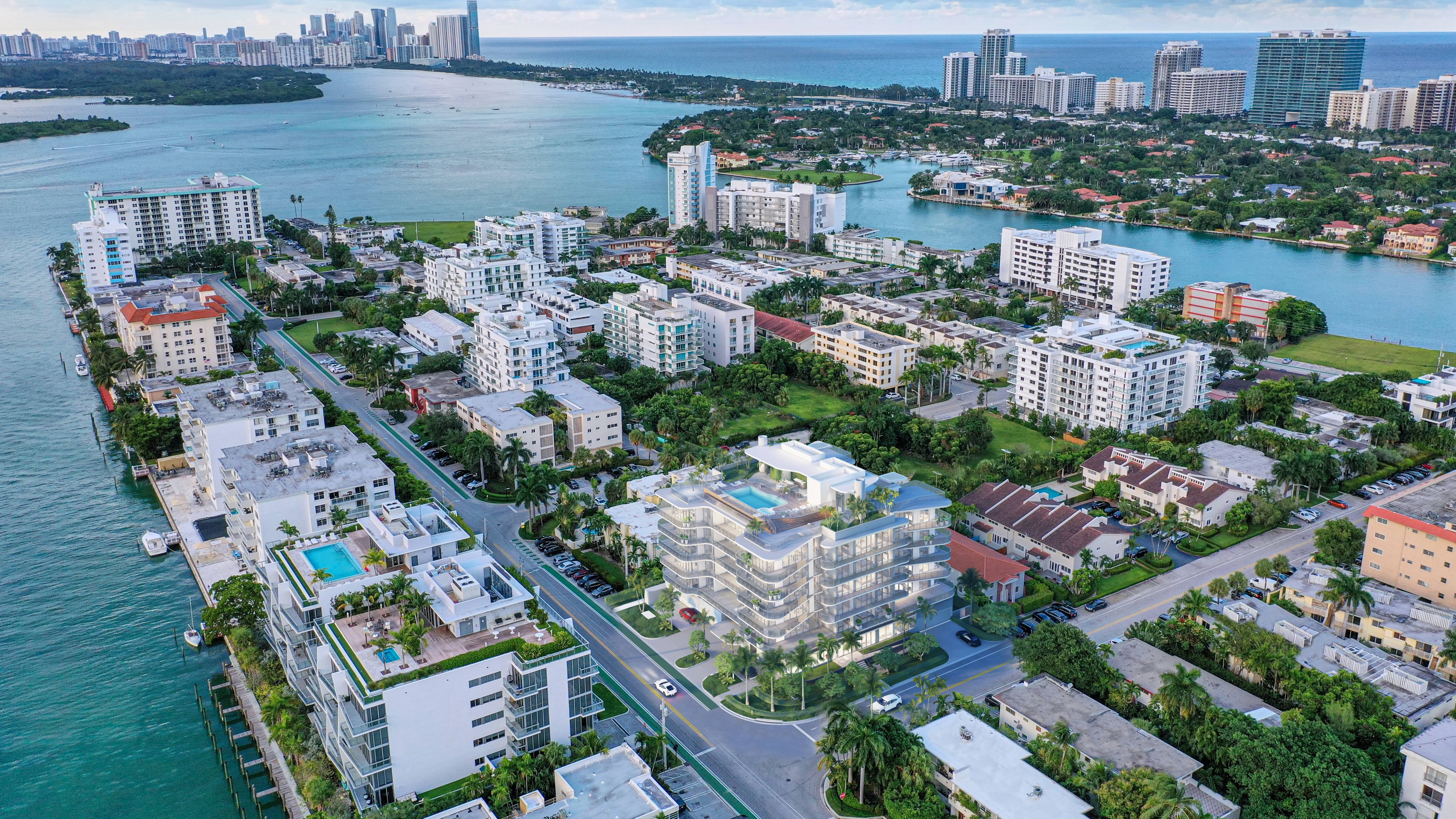
For a high-net-worth buyer considering South Florida as a primary base, the condominium is not merely a real estate decision. It becomes part of a larger personal architecture: where one sleeps, receives guests, organizes family life, consults advisers, stores important records, and returns after travel. That is why Alana Bay Harbor Islands is an instructive case study. It is not presented as a large-scale waterfront supertower or a transient trophy perch. It is framed as a boutique, mid-rise condominium in Bay Harbor Islands, with the residential scale and neighborhood setting to support a more grounded South Florida life.
The distinction matters. A Florida domicile plan is not created by design language, amenity programming, or a glamorous closing alone. It depends on whether the residence can operate as the practical and legal center of life, with the appropriate professional guidance. Alana’s appeal within that conversation is less about spectacle than usability: a modern condominium, a quieter luxury market, and a low-density character that may feel more compatible with daily living than occasional arrival.
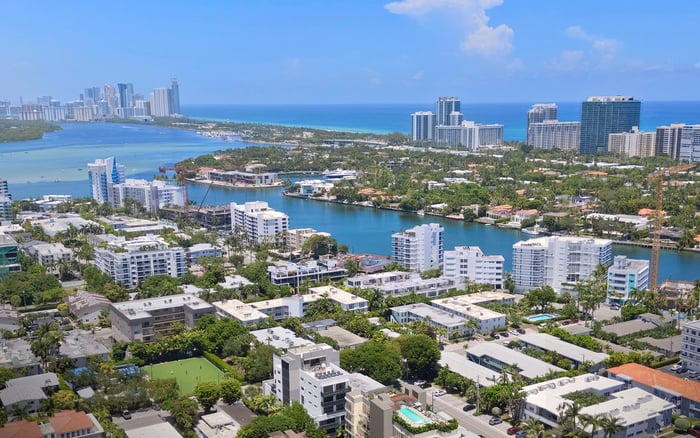
Bay Harbor Islands occupies a distinct place on the South Florida luxury map. It offers proximity to the region’s broader coastal lifestyle without the same sense of performance associated with more spectacle-driven waterfront corridors. For buyers relocating from higher-tax jurisdictions, that quieter tone can be valuable. Establishing a convincing center of life is often easier when the residence feels like a home base rather than a stage set.
The Bay Harbor Islands conversation is also about scale. In this micro-market, buyers often compare boutique residential buildings with larger, more resort-oriented towers elsewhere in Miami-Dade. Nearby projects such as Origin Bay Harbor Islands and The Well Bay Harbor Islands reinforce the area’s role as a residential alternative within the luxury ecosystem, rather than a place defined solely by beachfront visibility.
That does not make Bay Harbor Islands a universal answer. A buyer who wants constant hotel-style energy may prefer another address. But for families, executives, and estate-planning households seeking a South Florida residence that can absorb normal routines, the neighborhood setting becomes part of the thesis.
Boutique condominium living can be especially relevant when the goal is to make a property function as a true primary residence. Alana is described as a mid-rise residential building, and that scale may support a day-to-day rhythm that feels more personal and less transient. In a domicile context, that rhythm is not cosmetic. It touches how often the owner is present, how naturally the household uses the property, and whether the address becomes the place around which life is organized.
This is where low-density residential character can be meaningful. A building does not establish domicile by itself, and buyers should avoid treating any address as a shortcut. Still, the environment can either encourage or discourage the habits that make a relocation credible. Regular use, local routines, family logistics, and social patterns all benefit from a home comfortable enough to be lived in, not merely shown.
New-construction buyers often focus on finishes, views, and amenities. Those elements matter, but the domicile lens adds another question: will this residence support ordinary life over time? If the answer is yes, the condominium becomes more than an acquisition. It becomes infrastructure.
A South Florida domicile plan is usually evaluated through a constellation of actions and evidence, not a single purchase. Buyers should align the residence with homestead designation, day-count tracking, schooling decisions where relevant, lifestyle patterns, and estate planning. These are not decorative details. They are the connective tissue between intent and conduct.
The strongest property choice is one that makes those actions plausible. If a buyer expects to spend significant time in Florida, entertain family here, direct personal affairs from here, and integrate with the community, the residence should support that pattern. In Alana’s case, the boutique scale and Bay Harbor Islands setting are the reasons it belongs in the conversation. The building is presented as appealing to buyers seeking a true primary residence rather than only a pied-à-terre.
Professional advice is essential. Tax counsel, estate counsel, and other advisers should determine the formal steps appropriate to a buyer’s circumstances. The real estate role is different but still important: to provide a home that is credible, livable, and consistent with the life the buyer intends to demonstrate.
South Florida offers several forms of ultra-premium ownership. A buyer may gravitate toward branded skyline residences, oceanfront towers, or discreet neighborhood condominiums. None is inherently superior. The right answer depends on whether the building matches the buyer’s lifestyle evidence.
A Brickell buyer considering The Residences at 1428 Brickell may be prioritizing an urban financial-district lifestyle, while a Bay Harbor Islands buyer may be seeking privacy, residential calm, and a smaller-building experience. Within the same coastal orbit, La Maré Bay Harbor Islands speaks to the continued interest in this quieter luxury pocket, although each project should be assessed on its own terms.
Alana’s distinction is that it can be read through a practical lens. It is not presented as the loudest entry in the market. Its relevance comes from how its residential character may align with the requirements of a household trying to make Florida the genuine center of life.
The likely Alana buyer is not simply searching for a South Florida address. The buyer is evaluating how a home will function across weekdays, family obligations, advisory meetings, travel schedules, and long-term wealth planning. That profile may include entrepreneurs, principals, private investors, and families leaving higher-tax jurisdictions who need the property to support more than seasonal leisure.
For this audience, the question becomes subtle: does the building make it easy to live here with consistency? Does the neighborhood feel like a place where the owner will develop routines? Does the home support privacy without isolation? A boutique mid-rise in Bay Harbor Islands can answer those questions differently from a high-velocity resort tower.
That is the editorial significance of Alana Bay Harbor Islands. It reframes luxury from maximum visibility to maximum fit. In domicile planning, fit is often the more durable luxury.
Is Alana Bay Harbor Islands a condominium? Yes. Alana Bay Harbor Islands is a condominium project located in Bay Harbor Islands, Florida.
Is Alana positioned as a large waterfront supertower? No. It is positioned as a boutique condominium rather than a large-scale waterfront supertower.
Why is Alana relevant to a domicile plan? Its relevance comes from residential scale, neighborhood setting, and the potential to function as a true home base.
Does buying at Alana automatically establish Florida domicile? No. A purchase alone is not enough, and buyers should coordinate formal domicile steps with qualified advisers.
What issues should buyers align with the residence choice? Homestead designation, day-count tracking, schooling, lifestyle patterns, and estate planning should be considered.
Who may find Alana especially relevant? It may appeal to high-net-worth buyers relocating from higher-tax jurisdictions who want a practical primary residence.
How does Bay Harbor Islands differ from flashier luxury markets? It offers a quieter residential setting compared with more spectacle-driven South Florida waterfront towers.
Why does boutique scale matter? Boutique scale may support a more residential daily lifestyle than buildings designed around resort-style transience.
Should amenities drive the domicile decision? Amenities matter, but the deeper question is whether the home supports consistent, credible daily living.
Is Alana best viewed as a case study? Yes. It is best understood as a case study in matching building selection with a broader South Florida domicile strategy.
For a tailored shortlist and next-step guidance, connect with MILLION.
If branded residences are on your mind — as a home or as an allocation — we would be glad to share what we are seeing, privately.
Begin a quiet conversation