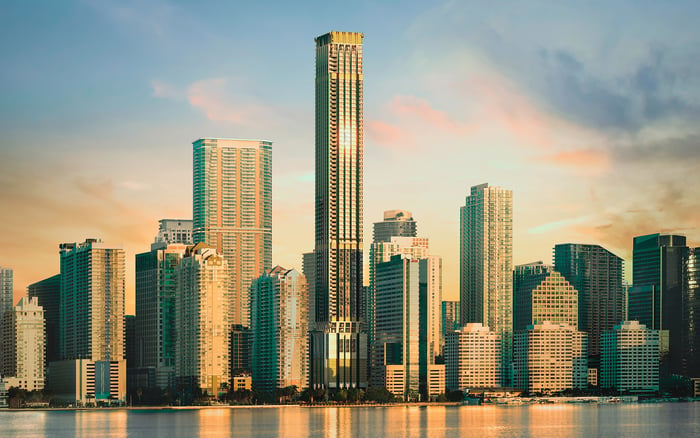
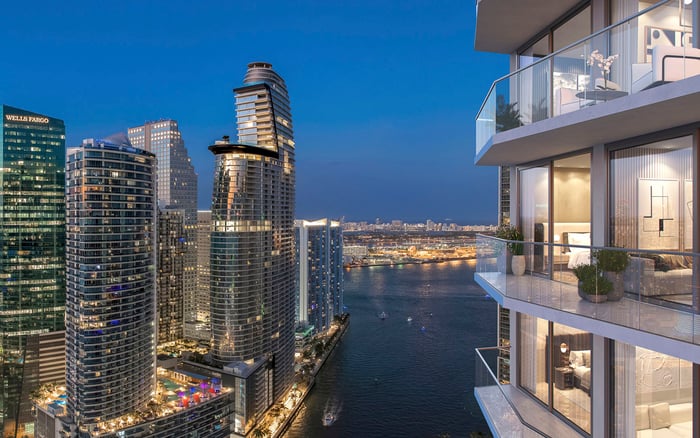
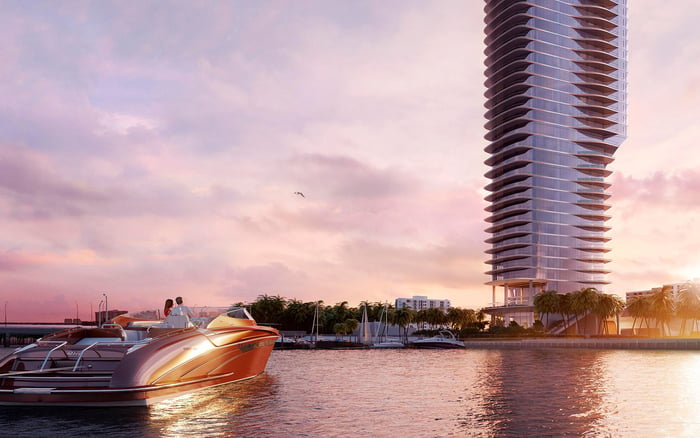
A refined 2026 second-home strategy in South Florida can treat Brightline-connected travel as more than convenience. For luxury buyers, rail access may support smarter market selection, easier personal use, and more resilient ownership planning.
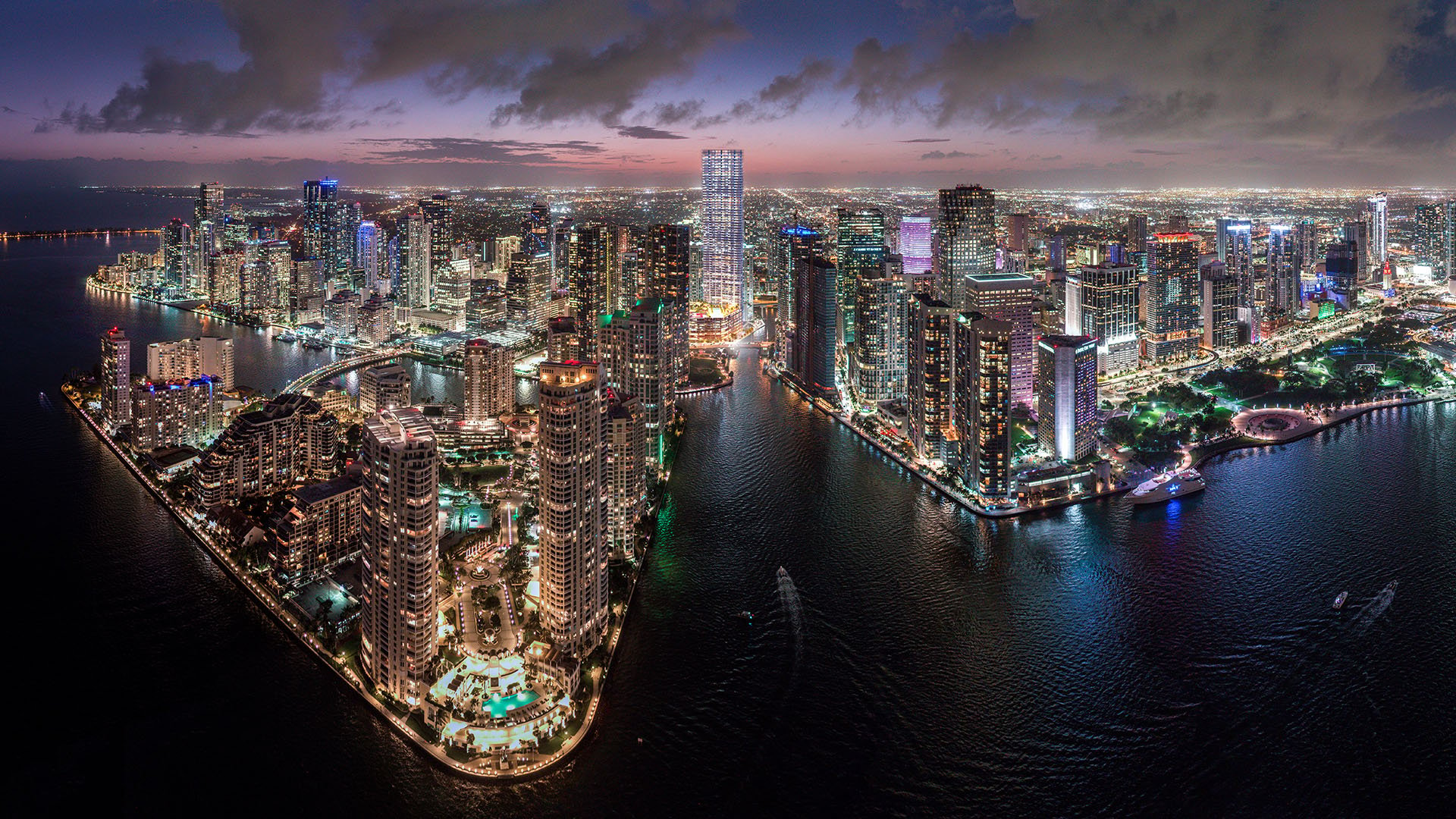
For the ultra-premium buyer, a second home is rarely just a place to escape. It is a personal operating base, a family gathering point, a tax and lifestyle consideration, and often a long-view asset. In 2026, Brightline-connected travel can sharpen that equation by making access feel less like a compromise and more like a design principle.
The strongest second-home strategies begin with a simple question: how often will the residence actually be used? A spectacular home that creates friction at every arrival can quietly become ceremonial. A well-positioned residence that fits naturally into a buyer’s movement between business, family, dining, cultural events, boating, beaches, and airports can become part of life with far greater frequency.
That is the strategic value of connected travel. It does not replace waterfront, architecture, privacy, or service. It helps determine whether those qualities are easy to enjoy.
Luxury buyers have always paid for scarcity. In South Florida, that scarcity often appears as water, views, private amenities, low-density design, brand pedigree, or immediate access to a preferred social orbit. The newer layer of scarcity is time. The less a buyer has to plan around traffic, parking, transfers, and fragmented schedules, the more usable a second home becomes.
A Brightline-connected mindset encourages buyers to think corridor first, then residence. Instead of asking only which city feels most prestigious, the sharper question is which locations create the best personal circuit. A buyer may value a morning meeting in Brickell, dinner near the coast, a weekend north of Miami, and the ability for family members to move independently without turning every journey into a production.
In a private search brief, that may translate into Brickell for office adjacency, Fort Lauderdale for marina culture, West Palm Beach for an estate-minded cadence, new construction for lock-and-leave simplicity, a second home for personal use, and investment for longer-term optionality. The words are practical, but the outcome is emotional: a residence that feels easier to choose.
The strongest second homes are not necessarily the largest or the most theatrical. They are the ones that remove hesitation. If a buyer can arrive for two nights without treating the trip like an expedition, usage naturally changes. Shorter stays become worthwhile. Midweek arrivals become plausible. Family members can coordinate with less dependency on one driver or one itinerary.
That matters for households with adult children, visiting parents, business partners, or staff. A connected residence can support a more fluid way of occupying South Florida. One owner may fly in for meetings, another may come later for the weekend, and guests may arrive separately. The home remains the center, but the burden of access is distributed.
This is especially relevant for buyers who split time among multiple residences. When a property is one of several homes, convenience becomes a form of luxury maintenance. The residence must be protected, serviced, and ready, but it must also be easy enough to enjoy spontaneously. Rail access can strengthen the case for a location that might otherwise sit slightly outside a buyer’s default routine.
Brightline-connected thinking does not mean every buyer should live in a dense downtown setting. For many affluent households, the best answer may be a quieter residential enclave with efficient access to a station district, private aviation, a marina, a beach club, or a favored school and family network. The point is not to live on top of transit. The point is to use connectivity as one more layer of control.
A waterfront buyer may still prioritize dockage, privacy, sunrise exposure, and building service. A condominium buyer may prioritize security, wellness amenities, valet, storage, and staff continuity. A family buyer may focus on bedrooms, pet comfort, outdoor space, and proximity to established routines. Connected travel simply tests how these preferences operate in real life.
The most disciplined approach is to map a buyer’s actual year. Where are the repeated trips? Which months matter most? Who uses the home when the principal owner is away? Does the property need to support remote work, entertaining, grandparent visits, or a seasonal social calendar? The right second-home purchase should answer those questions without needing constant explanation.
A refined 2026 acquisition plan should weigh access with the same seriousness as views and finishes. Buyers should examine the complete arrival sequence, not just the headline location. That includes the ride from residence to station, the ease of luggage handling, the quality of building arrival, the availability of reliable car service, and the comfort of returning late after dinner, events, or travel delays.
The residence itself should also match the access thesis. A lock-and-leave condominium with strong staffing may serve one buyer better than a larger home that requires more oversight. Another buyer may accept more maintenance in exchange for land, privacy, and family scale. The key is coherence. A connected strategy fails if the home’s operating demands erase the convenience gained through travel.
Financially, access may support broader appeal over time, but it should not be treated as a shortcut to speculation. The most resilient second-home decisions still rest on irreplaceable fundamentals: location quality, architectural integrity, governance, service, privacy, maintenance discipline, and a clear understanding of personal use. Connectivity is a multiplier when the underlying real estate is already desirable.
The appeal of South Florida has long been its ability to offer multiple lifestyles within one region: cosmopolitan dining, oceanfront leisure, boating culture, wellness, art, golf, and private residential enclaves. The challenge has been stitching those experiences together without losing time. A Brightline-connected second-home strategy directly addresses that challenge.
For 2026, the question is less about whether a buyer wants Miami, Fort Lauderdale, Boca Raton, Palm Beach, or another preferred setting. The better question is how the home will function within a connected life. When movement becomes easier, ownership can feel more natural. When ownership feels more natural, the residence becomes more than a trophy. It becomes a working part of a well-composed life.
Why does connected travel matter for a second home? It can reduce friction, making shorter stays and more frequent use feel worthwhile.
Should every 2026 buyer focus on rail-adjacent property? No. The priority is practical access that fits the buyer’s routines, privacy needs, and lifestyle.
Is a connected location better for personal use or resale? It can support both, but the purchase should first satisfy personal use and property quality.
How should buyers compare different South Florida markets? They should map real travel patterns, preferred amenities, family needs, and arrival logistics.
Does connectivity replace waterfront or neighborhood prestige? No. It adds another layer of utility to the traditional luxury criteria.
What type of residence benefits most from this strategy? Lock-and-leave condominiums and well-serviced homes often align especially well with easier travel.
Can this approach work for families? Yes. It can help family members coordinate separate schedules with less dependence on one itinerary.
What should buyers inspect beyond the residence itself? They should evaluate station access, car service options, building arrival, storage, and staff support.
Is this mainly a Miami strategy? No. It can apply across South Florida when the buyer’s lifestyle depends on regional movement.
What is the main risk of overvaluing connectivity? Buyers may ignore fundamentals such as privacy, quality, governance, service, and long-term fit.
For a confidential assessment and a building-by-building shortlist, connect with MILLION.
If branded residences are on your mind — as a home or as an allocation — we would be glad to share what we are seeing, privately.
Begin a quiet conversation