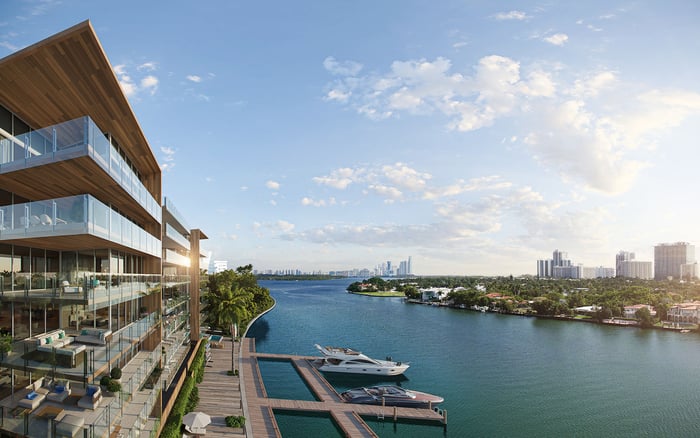
A discreet buyer’s guide to portfolio financing, cash reserves, collateral exposure, and liquidity planning before purchasing at Mila Bay Harbor Islands.
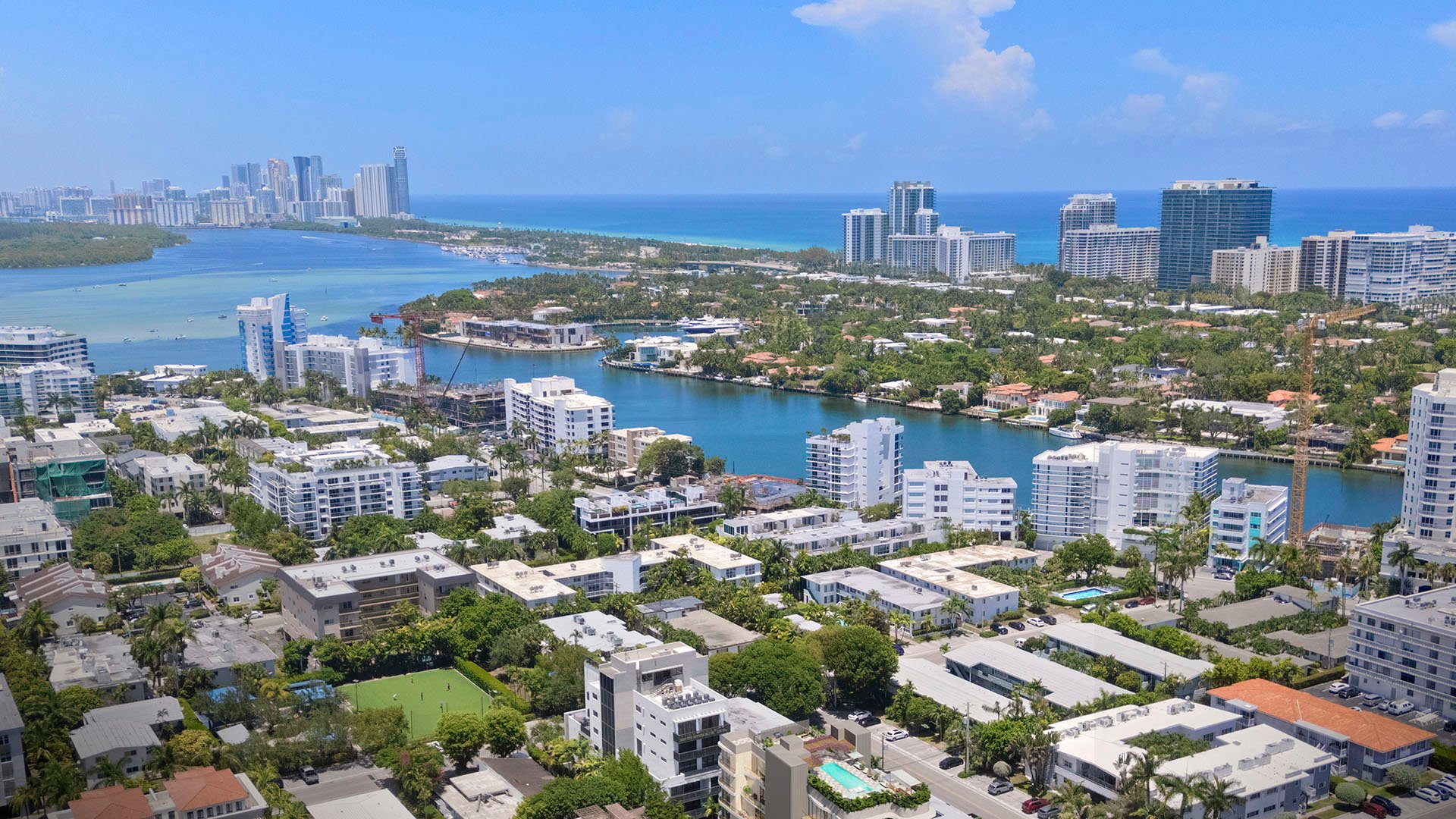
For buyers considering Mila Bay Harbor Islands, the most elegant financing strategy is not always the one with the lowest stated rate. In the ultra-premium market, portfolio financing can preserve flexibility, reduce the need to sell appreciated assets, and create a more discreet path to closing. It can also introduce complexity when a buyer has not fully examined how collateral, reserves, liquidity calls, and loan terms behave under pressure.
The essential question is simple: after the purchase, will the buyer still have the liquidity to live well, invest opportunistically, and withstand market volatility without being forced into a sale? That question belongs at the beginning, before a contract is signed and before a lender begins underwriting. This is a Bay Harbor conversation as much as a financial one, because boutique coastal ownership often attracts buyers whose wealth is held across securities, private businesses, real estate, carried interests, and trust structures rather than idle cash.
High-net-worth buyers often think of liquidity broadly. A private banker may define it more narrowly. Cash, Treasuries, publicly traded securities, restricted stock, private fund interests, and business distributions may all be treated differently. Before relying on portfolio financing, ask which assets count toward liquidity, which assets can be pledged, and which receive a haircut in underwriting.
The answer can materially change purchasing power. A buyer may have substantial net worth but less bank-recognized liquidity than expected. If a residence requires a meaningful deposit, closing funds, a furnishing budget, insurance, association obligations, and reserves, the lender’s definition matters. It is prudent to ask for a written liquidity analysis that separates available cash, pledged assets, retirement assets, restricted assets, and assets the bank will not count.
Portfolio financing often uses marketable securities or other eligible assets as collateral. The benefit is that the buyer may avoid selling holdings. The risk is that a decline in collateral value can trigger a demand for additional collateral or principal reduction, depending on the loan structure.
Before buying, ask whether the loan is secured only by the residence, by pledged portfolio assets, or by both. Ask whether there is cross-collateralization with other loans, personal guarantees, or borrowing arrangements. A buyer comparing Mila with nearby boutique options such as Alana Bay Harbor Islands should not assume the same financing strategy fits every acquisition. Purchase price, deposit structure, timing, and the buyer’s balance sheet all influence the right approach.
A polished term sheet is only the starting point. The more important exercise is the stress test. Ask the lender to model what happens if pledged assets decline by 10 percent, 20 percent, or more. Ask what notice periods apply, what remedies are available, and whether additional cash or securities would be required quickly.
This is especially important when a buyer’s portfolio is concentrated in a single public company, sector, private business, or illiquid investment. Investment strength on paper does not always translate into available cash on a deadline. The goal is not to avoid leverage entirely. The goal is to use it without allowing the home purchase to dictate the timing of unrelated asset sales.
Liquidity planning depends on timing. If the purchase structure includes staged deposits, the buyer needs to know when each payment is due and how those payments will be funded. If the purchase is closer to closing, the focus shifts to final cash to close, loan approval conditions, insurance, title, and post-closing reserves.
Ask whether the lender can commit within the required timeframe and whether approval is subject to future market conditions. Ask how long the rate, spread, or credit terms remain valid. Buyers evaluating La Maré Bay Harbor Islands alongside Mila should compare not only residences, but also the calendar of capital calls associated with each potential purchase.
A luxury residence should not leave the buyer financially rigid. After closing, the owner may want to renovate, furnish, acquire art, purchase a boat, support family office commitments, or move quickly on another real estate opportunity. A purchase that consumes too much cash can become costly even when it is affordable.
Ask your advisory team to define a minimum liquidity floor after closing. That floor should account for personal lifestyle needs, tax obligations, insurance, association costs, travel, philanthropy, family commitments, and a margin for unexpected events. The discipline is not defensive. It is strategic. The buyer who maintains liquidity can act when others are forced to pause.
Many affluent buyers do not show income in a conventional way. They may receive K-1 income, distributions, dividends, capital gains, trust income, deferred compensation, or business proceeds. Lenders may view each differently. Before making an offer, ask what documentation will be required and whether the lender is underwriting based on income, assets, global cash flow, or a combination.
This is where private banking can be valuable, but it should still be scrutinized. Ask who has credit authority, whether an exception is needed, and what conditions must be satisfied before closing. If approval depends on a committee, additional documentation, or asset transfers, the buyer should know early.
The best financing outcomes usually come from coordination among the private banker, wealth advisor, accountant, attorney, and real estate advisor. Each sees a different piece of the balance sheet. The banker may focus on collateral. The accountant may see tax consequences. The attorney may identify trust or entity issues. The real estate advisor understands timing, negotiation posture, and local expectations.
For buyers comparing Onda Bay Harbor, Bay Harbor Towers, and Mila, early coordination can prevent a financing structure from becoming the weakest part of an otherwise elegant acquisition. The question is not simply, “Can I buy?” It is, “What is the cleanest way to buy while preserving optionality?”
Before committing, ask for a written summary of the proposed loan structure, collateral requirements, reserve requirements, expected closing costs, rate mechanics, and key risks. Ask what happens if markets move before closing. Ask whether refinancing, recasting, or paying down the loan is permitted without friction. Ask whether the loan affects other credit lines or investment strategies.
Most importantly, ask whether the financing still makes sense if circumstances change. A well-structured purchase should be resilient. It should allow the buyer to enjoy the residence, protect the broader balance sheet, and preserve the freedom that made the acquisition possible in the first place.
What is portfolio financing? Portfolio financing generally uses eligible financial assets as part of a borrowing strategy, allowing a buyer to preserve cash or avoid selling investments.
Is portfolio financing the same as a mortgage? Not always. Some structures are residence-secured, some are asset-secured, and some combine multiple forms of collateral.
Why does liquidity matter before buying at Mila Bay Harbor Islands? Liquidity determines whether a buyer can fund deposits, close comfortably, and retain flexibility after ownership begins.
What should I ask a lender first? Ask what assets count as liquidity, what assets can be pledged, and what reserves must remain after closing.
Can pledged assets create risk? Yes. If pledged assets fall in value, the lender may require more collateral or a reduction in the loan balance.
Should I use cash instead of financing? That depends on tax planning, investment strategy, opportunity cost, and personal liquidity preferences.
Who should review the financing structure? A private banker, wealth advisor, accountant, attorney, and real estate advisor should each review their respective parts.
What if my income is irregular? Ask whether the lender can underwrite based on assets, global cash flow, or documented distributions rather than salary alone.
How much liquidity should remain after closing? The right level depends on lifestyle, obligations, taxes, reserves, and future investment plans.
What is the best way to shortlist comparable options for touring? Start with location fit, delivery status, and daily lifestyle priorities, then compare stacks and elevations to validate views and privacy.
When you're ready to tour or underwrite the options, connect with MILLION.
If branded residences are on your mind — as a home or as an allocation — we would be glad to share what we are seeing, privately.
Begin a quiet conversation