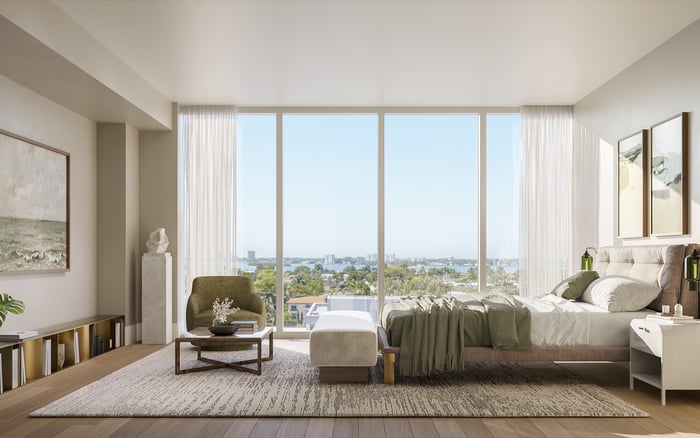
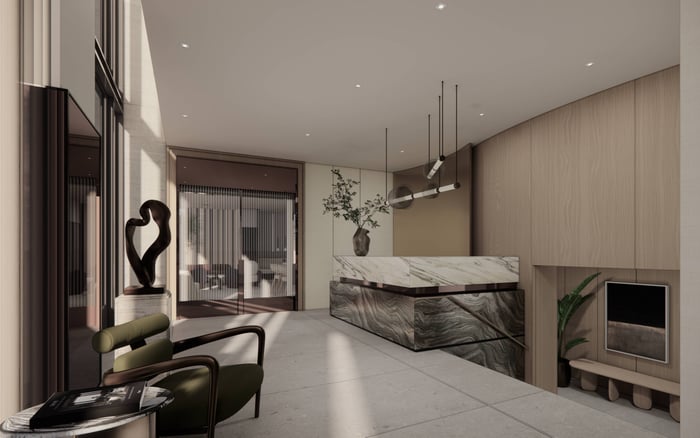
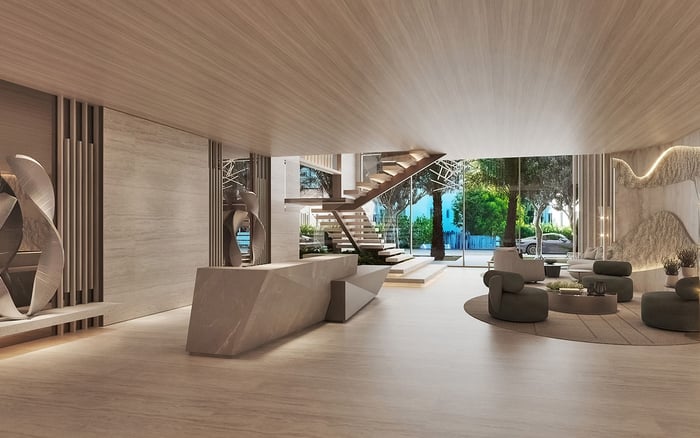
A buyer-focused look at Alana Bay Harbor Islands as a boutique, seasonal-use candidate where privacy, design, and property-manager logistics should be reviewed before purchase.
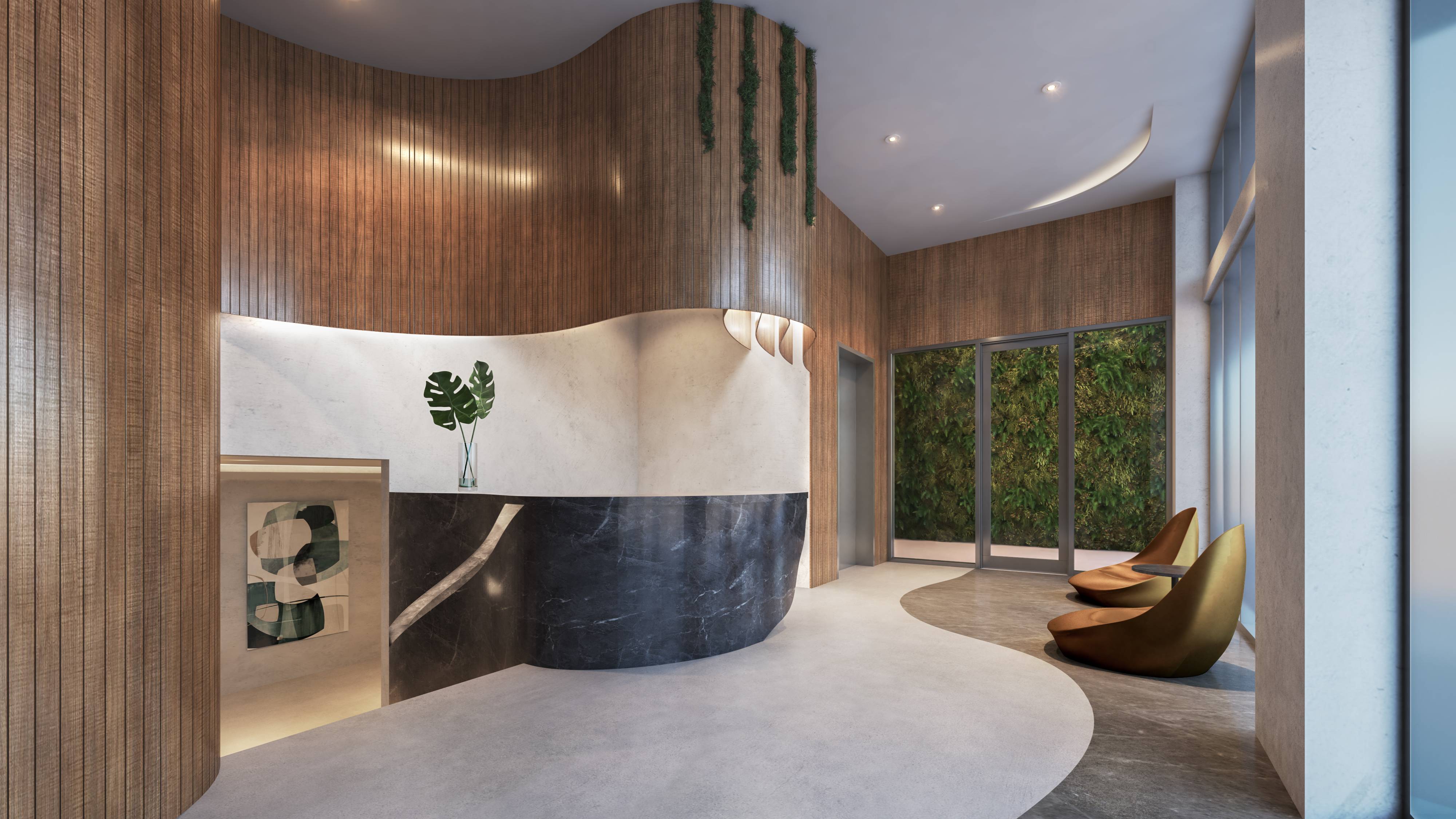
Alana Bay Harbor Islands occupies a precise place in the South Florida luxury conversation: a boutique condominium in Bay Harbor Islands for buyers who want a refined residence in a low-key island setting, rather than the intensity of a larger urban tower. For a seasonal owner, that distinction matters. The strongest second residence is not only beautiful when occupied; it is also calm, manageable, and predictable when the owner is away.
That is why the property-manager-friendly question is central. A buyer considering Alana should look beyond finishes, views, and design language to the daily mechanics of ownership. Who can access the residence when the owner is not in town? How are deliveries handled? Can a professional representative coordinate vendors, inspections, and pre-arrival preparation with minimal friction? These details often determine whether a seasonal home feels effortless or becomes another operational obligation.
Alana is especially relevant for buyers who want privacy and a lock-and-leave lifestyle. In this context, lock-and-leave does not mean passive ownership without diligence. It means selecting a building whose governance, procedures, and association culture align with the realities of absentee ownership.
The boutique character of Alana is part of its appeal. In South Florida, boutique scale often attracts buyers who want discretion, design focus, and a more residential atmosphere than they might find in denser luxury condo corridors. Bay Harbor Islands reinforces that sensibility. The location offers a quieter alternative to more crowded Miami-area luxury markets while still keeping the owner within the broader rhythm of coastal Miami living.
For the Bay Harbor buyer, the question is rarely whether the address feels glamorous enough. It is whether the setting supports the intended lifestyle. Seasonal residents often want a home base that is polished but not performative, private but not remote, and elegant without requiring constant attention. Alana’s low-key island positioning gives it credibility with that profile.
Design-forward residences can also help seasonal owners feel immediately at home when they return. The visual experience, sense of proportion, and boutique environment all contribute to the emotional value of a seasonal residence. Yet even strong design cannot compensate for unclear access rules or cumbersome maintenance coordination. The best seasonal purchase balances aesthetics with administration.
A property-manager-friendly residence is not defined by marketing language. It is defined by documents, procedures, and actual building operations. Before signing a contract at Alana, a seasonal buyer should review the condominium documents, association rules, and any limitations on owner representatives. The goal is to understand exactly how a third-party property manager may act on the owner’s behalf.
Key questions include whether a professional manager can receive deliveries, supervise vendors, arrange routine inspections, and prepare the residence before arrival. Buyers should also understand building access protocols, registration requirements, insurance expectations for vendors, and any notice periods for service appointments. These are not minor administrative details. They shape the lived experience of owning from another city or country.
Absentee-owner logistics should be evaluated with the same seriousness as floor plan and finishes. If the building’s procedures are clear, responsive, and compatible with professional management, seasonal ownership becomes materially easier. If procedures are restrictive or ambiguous, the buyer should know that before closing, not after the first service call.
Second-home ownership has a different rhythm from full-time residency. The owner may arrive for a few concentrated periods each year, expecting the residence to feel fresh, secure, and prepared. Between visits, the home still needs attention: climate oversight, vendor coordination, delivery management, maintenance follow-up, and periodic inspections.
Alana may suit end-users who want a private seasonal base rather than a full-time primary residence. That does not make it purely an investment object or a casual pied-à-terre. It means the buyer should analyze the residence through the lens of intermittent use. A beautiful unit that is difficult to manage remotely may not serve the seasonal owner as well as a slightly simpler residence in a building with clearer operational procedures.
The most sophisticated buyers often create a pre-purchase ownership plan. That plan identifies who will hold keys or access credentials, how vendors will be approved, how the association communicates with the owner’s representative, and what happens before each arrival. The residence then functions less like a static asset and more like a carefully maintained private retreat.
Investment considerations should be handled with precision. Buyers who may want to monetize the residence while away should review rental and management policies before making assumptions. It is especially important not to assume short-term rental flexibility, in-house management, or unrestricted third-party access unless those rights are confirmed through current condominium documents and applicable rules.
Long-term rentals may be part of a buyer’s broader planning, but the details matter. Minimum lease periods, approval procedures, tenant registration, fees, and restrictions on frequency can materially affect the financial profile of ownership. The same is true for management policies. If a property manager is expected to coordinate leasing, turnover, vendor work, or inspections, the buyer should confirm that the building’s procedures support those activities.
For many Alana buyers, the primary motivation may remain lifestyle rather than yield. Still, optionality has value. A residence that can be privately enjoyed in season and responsibly managed out of season may offer a more complete ownership experience, provided the rules align with the plan.
The strongest due diligence for an Alana buyer begins with governance. Condominium documents, association rules, rental policies, access procedures, and representative permissions should be reviewed early. The buyer should understand not only what is prohibited, but also what is practical.
A seasonal owner should confirm how the building handles deliveries when the owner is absent, whether representatives can meet vendors, and what procedures apply for maintenance coordination. Pre-arrival preparation is another important category. If the owner expects the residence to be cooled, stocked, inspected, and ready before arrival, the manager’s ability to execute those tasks must be supported by building operations.
The broader local context also matters. Alana should be evaluated within Bay Harbor Islands’ local rules and condominium governance, not only through the lens of unit-level features. Luxury buyers sometimes focus on the emotional experience of the residence and defer operational questions until later. For seasonal use, the sequence should be reversed: confirm the operating environment first, then decide whether the residence fits the lifestyle.
Alana is most compelling for the buyer who wants a private, design-forward island residence that can serve as a seasonal base. This buyer values calm over scale, discretion over spectacle, and a lock-and-leave rhythm over constant on-site management by the owner personally.
The right buyer will also be comfortable with detailed diligence. Rather than assuming that a boutique luxury building automatically accommodates absentee ownership, the buyer will ask direct questions about access, vendors, association procedures, rental policy, and management permissions. That discipline is not a sign of hesitation. It is the mark of a buyer who understands how luxury real estate actually performs in daily life.
For seasonal owners, Alana’s appeal rests on a refined balance: the privacy of Bay Harbor Islands, the design emphasis of a boutique condominium, and the possibility of a residence that can be professionally managed when vacant. The opportunity is attractive, but the decision should be document-led and operations-aware.
Is Alana Bay Harbor Islands a good fit for seasonal use? It may be, particularly for buyers who value privacy, boutique scale, and a lock-and-leave lifestyle. The fit should be confirmed through building operations and governing documents.
Can a property manager handle the residence while the owner is away? Buyers should confirm the building’s rules on owner representatives before relying on that arrangement. Access, vendor coordination, and delivery procedures are key due-diligence items.
Does Alana allow short-term rentals? Buyers should not assume short-term rental flexibility without reviewing current condominium documents and rules. Rental policy should be verified before contract signing.
Why does Bay Harbor Islands appeal to seasonal owners? Bay Harbor Islands offers a quieter luxury setting than denser Miami-area condo markets. That calm can be attractive to buyers seeking a private seasonal base.
What documents should buyers review first? Condominium documents, association rules, rental policies, and procedures for owner representatives should be reviewed early. These materials shape how the residence can be used and managed.
Is design an important part of Alana’s appeal? Yes. Alana is positioned as design-forward, and that aesthetic quality is part of its boutique appeal. Seasonal buyers should balance design with operational ease.
What does lock-and-leave mean in this context? It means the residence should be manageable when vacant and ready when the owner returns. The concept depends on practical building procedures, not just attractive finishes.
Should buyers evaluate rental rules even if they plan personal use? Yes, because future flexibility can matter. Understanding rental and management policies helps preserve optionality.
What is the biggest risk for absentee owners? The biggest risk is assuming that access, maintenance, and vendor coordination will be simple without confirming procedures. Operational clarity should come before closing.
Who is the ideal buyer for Alana? The ideal buyer wants a private, design-conscious seasonal residence in a low-key island setting. They should also be prepared to verify management logistics in detail.
For a confidential assessment and a building-by-building shortlist, connect with MILLION.
If branded residences are on your mind — as a home or as an allocation — we would be glad to share what we are seeing, privately.
Begin a quiet conversation