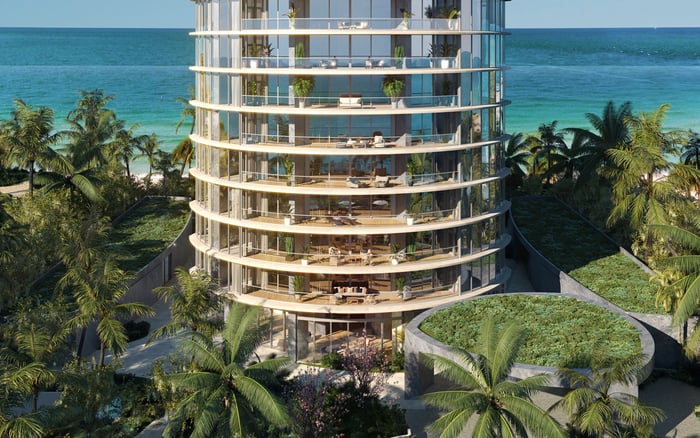
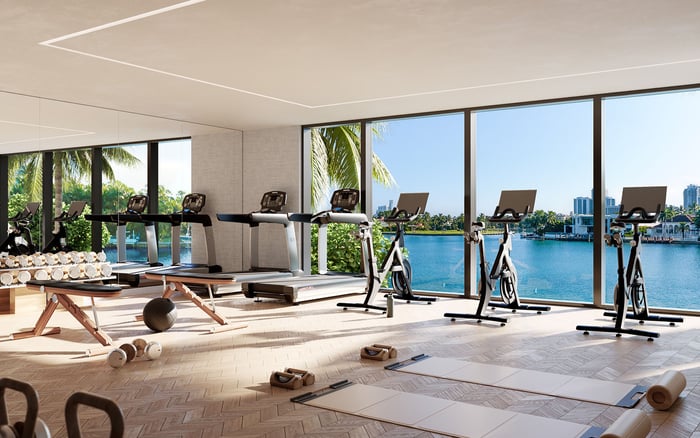
A buyer-focused framework for evaluating whether a full-floor residence delivers meaningful privacy through its layout, access controls, sightlines, acoustics, technology, operations, and governing documents.
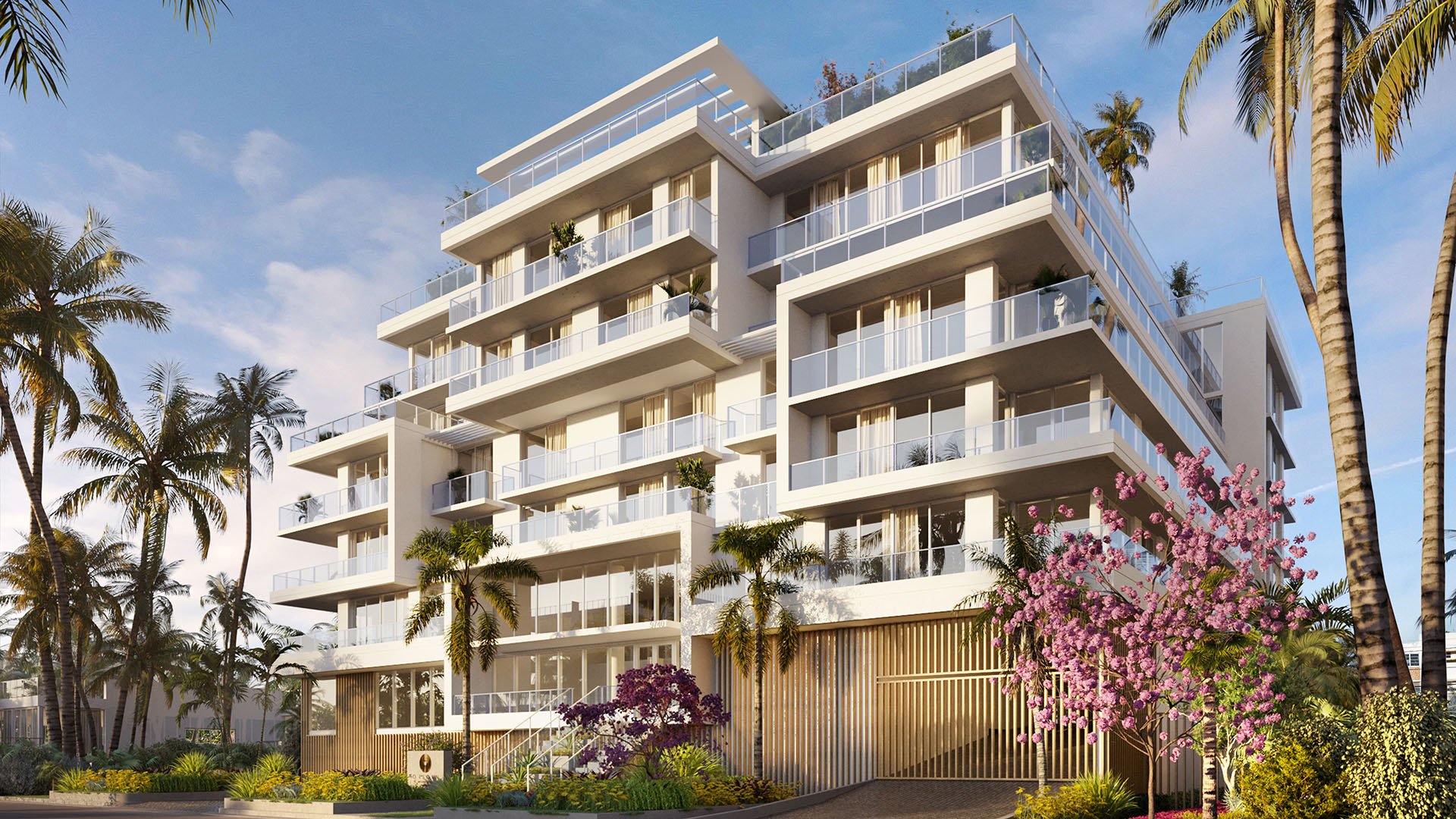
Buyers considering Origin Bay Harbor Islands should distinguish architectural exclusivity from operational discretion. A full-floor layout can eliminate same-level residential neighbors and reduce incidental corridor encounters, but the residence still depends on shared elevators, building systems, staffing, security procedures, emergency protocols, and management practices.
The floor plan may establish physical separation. Meaningful privacy, however, also depends on how access, service, maintenance, information, and technology are managed. That distinction should guide any analysis of a full-floor premium.
Residence count and building scale can influence lobby and elevator activity, but they do not establish discretion by themselves. Buyers should ask who can access residential levels, how visitors are announced, where deliveries wait, whether vendors follow separate procedures, and how management handles resident and guest information.
Local comparisons should be purposeful rather than superficial. Reviewing Alana Bay Harbor Islands and Onda Bay Harbor can help purchasers organize questions about circulation, exposure, terraces, and daily operations. The objective is not to assume that different properties are equivalent, but to identify which privacy features matter most to the buyer.
Private elevator access or a private foyer can reduce corridor exposure, but buyers should determine what “private” means in practice and in the governing documents.
Counsel can review whether a foyer is part of the residence or a common element. Security advisers can examine credentialing, override authority, emergency access, maintenance procedures, delivery protocols, record retention, and administrator permissions. Buyers should also understand what happens during inspections, system failures, and other non-routine events.
Marketing language should be tested against enforceable rights and written operating procedures.
Expansive glazing can improve outward views while increasing interior visibility. Buyers should assess daytime and nighttime sightlines from neighboring buildings, waterways, streets, boats, and surrounding parcels. Window treatments, room orientation, façade transparency, and interior lighting can all influence privacy after sunset.
Terraces create another privacy boundary. Buyers should examine railings, nearby sightlines, permitted camera positions, maintenance access, and any rules affecting screening or landscaping. They should also consider how future construction on surrounding parcels could change views, daylight, and seclusion.
A review of The Well Bay Harbor Islands may help frame questions about floor plates and indoor-outdoor relationships without assuming that one project provides a direct comparison with another.
A lack of same-floor neighbors does not establish acoustic performance. Sound transmission can involve the façade, floor and ceiling assemblies, elevators, plumbing, mechanical equipment, service areas, and terrace doors. An architectural or acoustic review should consider bedrooms, entertaining spaces, and back-of-house areas under realistic conditions.
Connected-home systems add a separate privacy layer. Buyers should establish who holds administrator privileges, where data is stored, how credentials transfer after closing, and whether installers or building personnel retain remote access. Entry controls, cameras, climate systems, lighting, shades, and connected appliances should be treated as parts of the residence’s privacy perimeter.
The useful comparison is broader than full-floor versus non-full-floor. Purchasers should compare usable interior area, exposure, terraces, elevator arrangements, circulation, service access, operating practices, and price per square foot with relevant alternatives.
The condominium declaration, prospectus, rules, floor plans, specifications, and purchase agreement should be reviewed for support of the marketed experience. Legal, architectural, acoustic, security, and technology advisers can help determine whether the premium reflects durable protections, a distinctive layout, or a combination of both.
Does full-floor living eliminate residential neighbors? It can eliminate same-floor residential neighbors, but it does not remove shared building systems, staff, or operating procedures.
Is private elevator access completely private? Not necessarily. Buyers should verify credentialing, override authority, emergency access, maintenance rights, and delivery protocols.
Who may access a private elevator foyer? Access can depend on the governing documents and building procedures, so buyers should ask about staff, vendors, emergency personnel, inspectors, and maintenance teams.
Does a smaller building guarantee discretion? No. Building scale may influence traffic, but access controls, staffing practices, and information handling shape actual discretion.
Can expansive glazing reduce privacy? Yes. Buyers should consider surrounding sightlines, nighttime lighting, window treatments, room orientation, and façade transparency.
What should buyers examine around the property? They should review nearby parcels and applicable development rules for potential effects on views, daylight, terraces, and interior visibility.
Does a full-floor layout ensure better acoustics? No. Acoustic performance depends on construction assemblies, equipment, plumbing, elevators, service areas, and the façade.
Why do connected-home systems matter to privacy? These systems may store data or allow remote administration, making credential transfer and control permissions important parts of due diligence.
Which documents should support privacy claims? Buyers should examine the declaration, prospectus, rules, floor plans, specifications, and purchase agreement with qualified advisers.
How should buyers evaluate a full-floor premium? Compare area, exposure, circulation, elevator access, terraces, operations, and price per square foot with relevant alternative layouts.
If you'd like a private walkthrough and a curated shortlist, connect with MILLION.
If branded residences are on your mind — as a home or as an allocation — we would be glad to share what we are seeing, privately.
Begin a quiet conversation