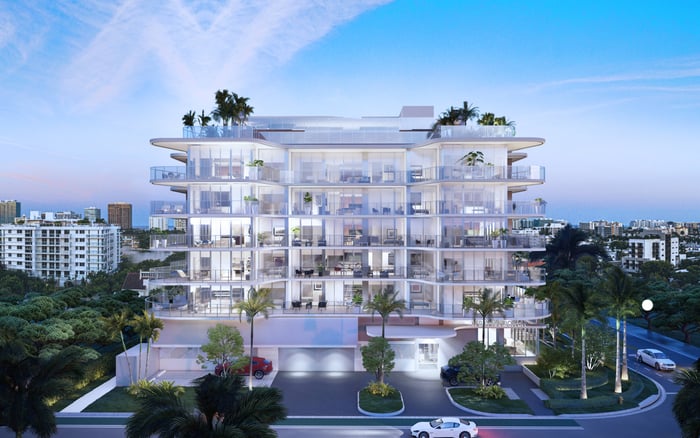
A buyer-focused comparison of The Cove Residences Edgewater and Alana Bay Harbor Islands through the practical lens of parking rights, EV charging readiness, and private-driver logistics.
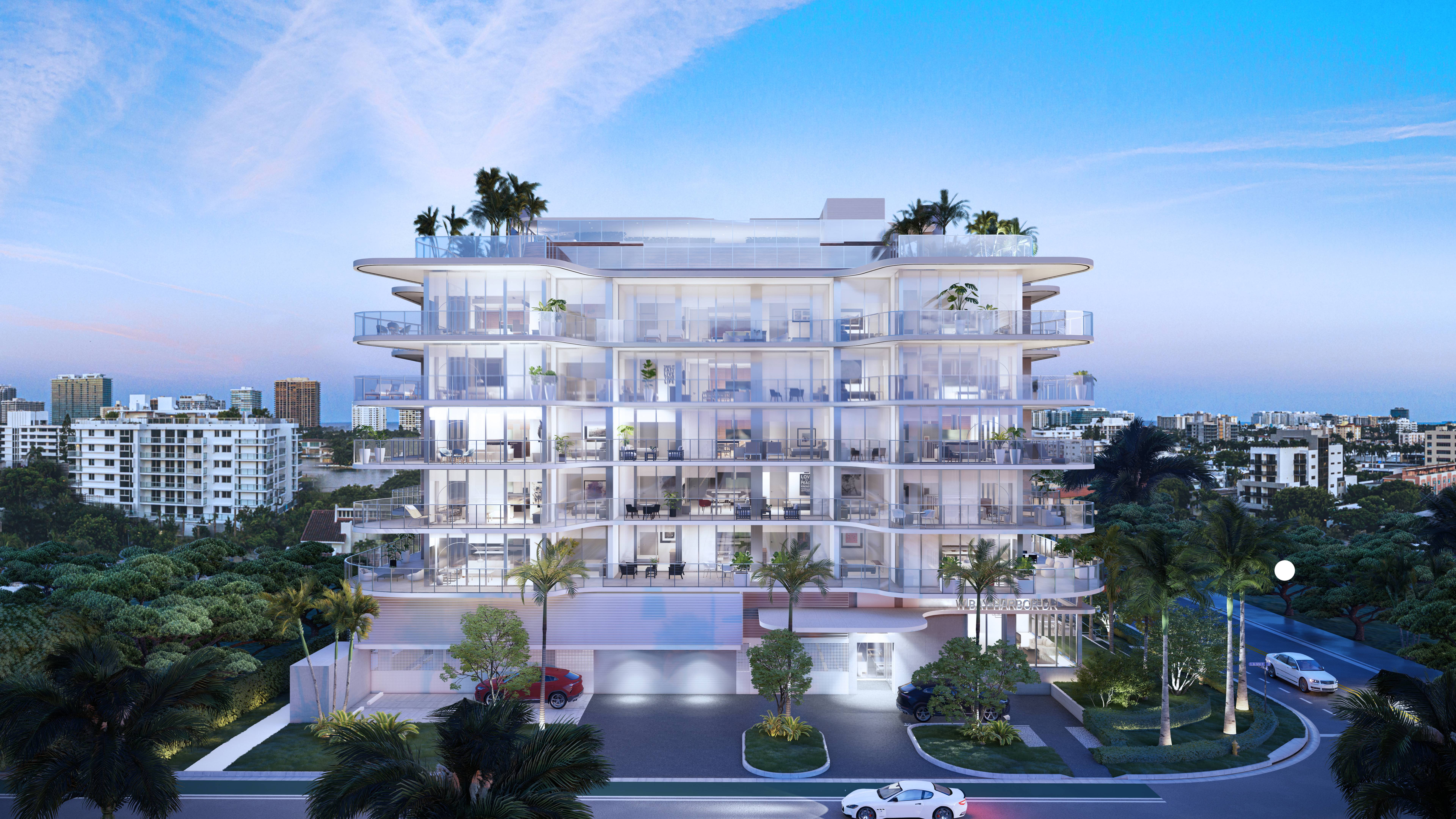
For luxury condominium buyers in South Florida, the car is no longer a secondary detail. Parking rights, EV charging, and private-driver logistics can shape daily comfort, resale positioning, and the practical meaning of ownership. The Cove Residences Edgewater and Alana Bay Harbor Islands invite a useful comparison because each speaks to a buyer thinking beyond finishes and floor plans.
The question is not simply whether a residence includes parking. It is whether the parking is deeded, assigned, licensed, transferable, rentable, separately taxable, or tied to a limited common element. It is also whether EV infrastructure is already available, merely anticipated, or subject to future board approval and electrical-capacity constraints. For a buyer with a private driver, family office, security team, visiting guests, or multiple vehicles, these distinctions become part of the residence itself.
In a market where service, discretion, and timing carry real value, mobility infrastructure should be treated as an ownership issue. The most elegant residence can feel compromised if arrivals are awkward, charging is uncertain, or a second vehicle depends on policy rather than right.
The Cove Residences Edgewater sits in an urban luxury context where arrival planning matters. Buyers considering The Cove Residences Edgewater should look closely at how the building documents define parking and how the arrival sequence functions during peak hours, guest visits, deliveries, and chauffeured movement.
The most important exercise is documentary, not visual. A sales gallery may present a polished motor court or garage experience, but the ownership answer is in the declaration, purchase agreement, parking exhibit, rules, budget, and any EV-related addenda. If a space is deeded, the buyer may hold a different long-term position than if it is assigned by the association or licensed under a revocable arrangement. If parking is bundled into the unit price, the transfer mechanics should still be clear. If additional spaces are available, the buyer should understand whether they are sold, rented, waitlisted, or controlled by the association.
For an Edgewater buyer, private-driver logistics are equally important. The test is not only whether a driver can pull in. It is where the vehicle waits, how long it may remain, whether the building has a defined pick-up protocol, how security handles repeated drivers, and whether visitor parking can absorb domestic staff, medical support, tutors, trainers, and guests. These questions may feel operational, but they are deeply tied to privacy and daily ease.
Alana Bay Harbor Islands is a condominium project in Bay Harbor Islands and a relevant point of comparison for buyers evaluating parking, EV readiness, and driver logistics. It is framed as a boutique, design-forward Miami-area project aimed at affluent end-users and second-home buyers, which makes the mobility discussion especially important. The buyer may not live there every day, but when they arrive, they expect the residence to function with precision.
In a smaller or more boutique condominium environment, the parking question can feel more personal because each space, guest area, and service movement may carry greater significance. Buyers should review whether a residence includes specific parking rights, whether those rights are tied permanently to the unit, and whether any future changes require association approval. For second-home owners, the practical issue is continuity. A property manager, family member, driver, or visiting guest should be able to operate within clear rules rather than informal understandings.
Alana Bay Harbor Islands also shows why EV readiness should not be treated as a mere amenity label. The stronger question is whether the building’s structure, electrical capacity, allocation policy, and cost-sharing approach can support the buyer’s real vehicle profile. An EV charger assigned to one space is different from a conduit-ready garage, which is different from a future association plan. For a buyer with one electric vehicle today and another likely tomorrow, that distinction is material.
Parking is often presented as a convenience, but in condominium ownership it can behave like a legal asset, a governed privilege, or something in between. The buyer should ask what exactly is being purchased. Is the space described in the legal documents? Is it a limited common element? Can it be sold separately, transferred with the unit, leased to another owner, or reassigned by the association? Are tandem spaces allowed? Are lifts, oversized vehicles, or exotic cars restricted by dimension, weight, or clearance?
These issues matter for both The Cove Residences Edgewater and Alana Bay Harbor Islands because the high-end buyer often owns more than one vehicle. A primary residence may need daily vehicles, a collector car, and staff access. A pied-à-terre may need simple, guaranteed use even when the owner is absent for weeks. In both cases, a vague parking promise is weaker than a defined parking right.
Buyers should also examine guest parking and valet rules. Guest parking is not only about entertaining. It touches private instructors, nurses, chefs, security consultants, and family offices. If a building depends heavily on valet or shared staging, the buyer should understand hours, liability, insurance, tipping culture, damage protocols, and how the system performs during holidays and high-demand evenings.
New-construction and pre-construction buyers often hear EV language early in the sales process. The careful buyer asks what the language actually means. EV-ready may mean conduit access, shared charging stations, assigned chargers, electrical panel capacity, or a pathway to request installation. Each version has a different ownership consequence.
The most valuable arrangement is not always the most visible one. A shared charger in a prominent garage may be less useful than a dedicated solution connected to the buyer’s assigned space. Conversely, a dedicated charger may be limited if electrical capacity, billing, or maintenance responsibility is unclear. Buyers should ask who pays for installation, who pays for electricity, who maintains the equipment, whether smart metering is available, and whether the association can impose future rules.
For Alana Bay Harbor Islands buyers, EV readiness and parking rights belong within the ownership value equation. That is the right lens. For The Cove Residences Edgewater buyers, the same discipline applies, especially if the residence will serve as a primary urban base with daily vehicle use. The best due diligence turns a marketing phrase into a durable answer.
Private-driver logistics are easy to underestimate because they often sit outside the floor plan. Yet the experience of being received at a residence is one of the clearest expressions of luxury. A good building makes the sequence feel invisible: approach, recognition, entry, transfer, waiting, and departure all happen without friction.
Buyers should consider whether the arrival point protects privacy, whether there is enough depth for a chauffeured vehicle, and whether the security desk can manage known drivers without repeatedly compromising discretion. If the owner travels with children, aging parents, pets, luggage, or security, the quality of the drop-off matters. If the driver must circle the block, park off-site, or negotiate changing rules, the residence becomes less effortless.
In Bay Harbor Islands, the buyer may value a more residential rhythm and a sense of controlled calm. In Edgewater, the buyer may prioritize connectivity, speed, and a seamless transition from city movement to private space. Neither model is automatically superior. The better choice is the one whose documents and operations match the buyer’s mobility pattern.
The comparison between The Cove Residences Edgewater and Alana Bay Harbor Islands should begin with lifestyle, then move to documents. A buyer who drives daily, keeps multiple vehicles, and expects frequent staffed arrivals should prioritize defined parking rights and disciplined building operations. A buyer who visits seasonally may place greater weight on simple, reliable access for caretakers, family, and guests.
The next layer is resale. Future buyers will increasingly ask about EV charging, extra spaces, visitor protocols, and ease of arrival. A residence with clear rights and flexible infrastructure may speak to a broader pool of affluent owners. A residence with beautiful amenities but uncertain mobility rules may require more explanation later.
The final layer is governance. Luxury ownership is shaped by the association as much as the architecture. Rules can evolve, budgets can shift, and infrastructure can require assessment or approval. The buyer who clarifies these issues before contract signing is not being difficult. They are protecting the quality of the ownership experience.
Why do parking rights matter in a luxury condominium purchase? Parking can be a defined ownership interest or a more limited use right, and that distinction affects control, transferability, and resale appeal.
Is an assigned parking space the same as a deeded space? Not necessarily. A deeded space is typically stronger than an assignment that may be governed or changed under association rules.
What should EV-ready mean to a buyer? It should mean a documented path to charging access, including capacity, installation rules, billing, and maintenance responsibility.
Why compare The Cove Residences Edgewater with Alana Bay Harbor Islands? The comparison helps buyers think about two different ownership contexts through parking, charging, and arrival logistics.
What is distinctive about Alana Bay Harbor Islands for this discussion? Alana Bay Harbor Islands is a condominium in Bay Harbor Islands framed for affluent end-users and second-home buyers, making mobility details part of the ownership equation.
Should private-driver logistics be reviewed before contract signing? Yes. Drop-off access, waiting rules, guest parking, and security procedures can materially affect daily comfort and privacy.
Are valet services a substitute for parking rights? Valet can enhance convenience, but it does not replace the certainty of clearly documented parking ownership or use rights.
What should second-home buyers ask about access? They should ask how family, drivers, managers, and guests are handled when the owner is away or arriving after long absences.
How does Edgewater influence the parking conversation? Edgewater buyers often need to understand urban arrival flow, garage access, guest management, and the timing of daily vehicle movement.
What is the best way to shortlist comparable options for touring? Start with location fit, delivery status, and daily lifestyle priorities, then compare stacks and elevations to validate views and privacy.
To compare the best-fit options with clarity, connect with MILLION.
If branded residences are on your mind — as a home or as an allocation — we would be glad to share what we are seeing, privately.
Begin a quiet conversation