In ultra-prime real estate, the address itself becomes an asset class. Here is how ZIP codes, street names, access controls, and cultural capital translate into pricing power, and how South Florida buyers can apply these signals with precision.
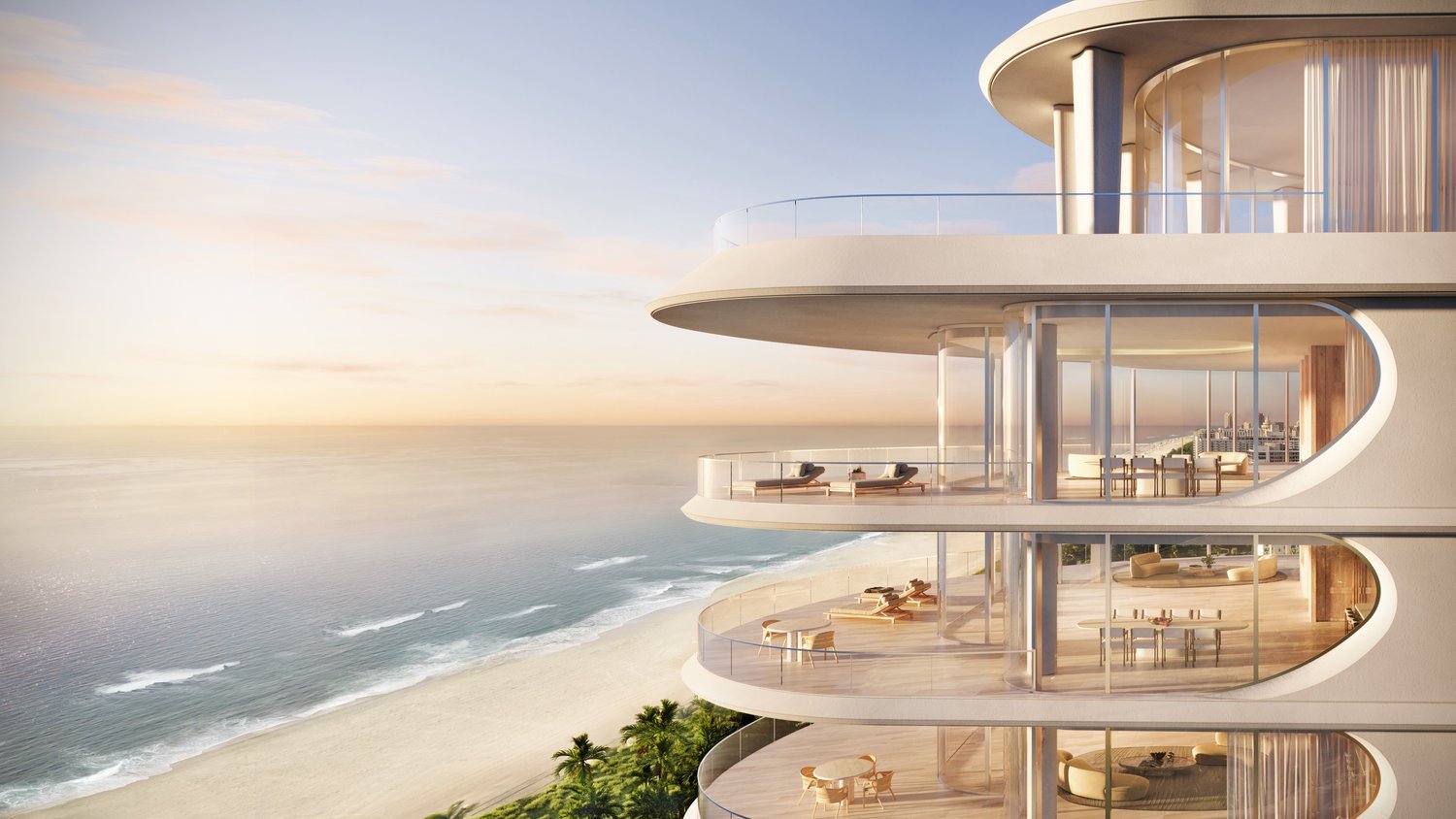
For most buyers, an address is simply a way to find a front door. In ultra-prime real estate, it functions more like an asset class: a compressed signal of scarcity, privacy, and lifestyle that can be recognized instantly by the market. At this level, the address itself can operate like shorthand for the entire investment thesis.
The strongest address premiums are rarely explained by finishes alone. They are typically underwritten by constraints that are difficult to copy: limited developable land, restricted access, a protected streetscape, or a neighborhood name that has become globally legible. In a world where high-end design and construction quality can be sourced almost anywhere, the feature that resists commoditization is often the location line on the deed.
For South Florida buyers, this premium is also more dynamic than it was a decade ago. What once looked like a straightforward coastal hierarchy centered on a few legacy enclaves now responds to wealth migration, branded hospitality, and evolving second-home and primary-home behavior. Miami Beach, in particular, continues to absorb year-round residents while retaining the discretion, service culture, and international familiarity that made it a global resort market in the first place.
National “most expensive ZIP code” lists can be useful, but only if you read them like an analyst rather than a headline. The most important detail is usually in the methodology: these rankings are typically based on median closed sale prices during a recent period, not asking prices. In luxury, that distinction is critical because list prices can be aspirational and a single trophy trade can warp perception.
Different reports may also use different time windows, property types, and data sources. A ZIP code can move up or down on a list even when the underlying desirability is unchanged. The practical value for a buyer is not the exact ranking number. It is understanding why the ZIP code stays expensive over time and why buyers keep paying a premium through cycles.
The durable drivers are consistent: barriers to entry, disciplined supply, and a coherent identity. If a ZIP code is expensive because it is fashionable, it can fade when attention moves. If it is expensive because it is structurally constrained and socially legible, its premium tends to persist.
South Florida’s recent visibility in these conversations is instructive. When Florida appears at the very top of national ZIP code discussions, it signals more than a short-term surge. It suggests the market has produced at least one enclave where scarcity and status have become national, and even global, points of reference.
To see how an address becomes a moat, look at Fisher Island. Fisher Island, Florida (ZIP 33109) has recently been cited as the most expensive ZIP code in the U.S., with a median sale price reported around $9.5M. The number is attention-grabbing, but the mechanism behind it is the real lesson for South Florida buyers.
First, access is structurally constrained. Fisher Island is reachable via water transport or helicopter. That friction is not a minor inconvenience. It is identity-defining. In high-end markets, a controlled threshold separates exclusivity as marketing language from exclusivity as operating reality.
Second, the barriers extend beyond the purchase price. Publicly reported club-style economics, including a membership buy-in in the hundreds of thousands and ongoing annual fees, add a gatekeeping layer that further narrows the buyer pool. These carrying costs do more than fund amenities. They reinforce a culture of commitment and continuity that functions as brand protection for the enclave itself.
The takeaway is not that Fisher Island is the right answer for every buyer. The takeaway is how the premium is created. It is not only waterfront views or interior square footage. It is the deliberately narrow funnel of access, requirements, and expectations. The more a place can regulate its own experience, the more durable its pricing power tends to be.
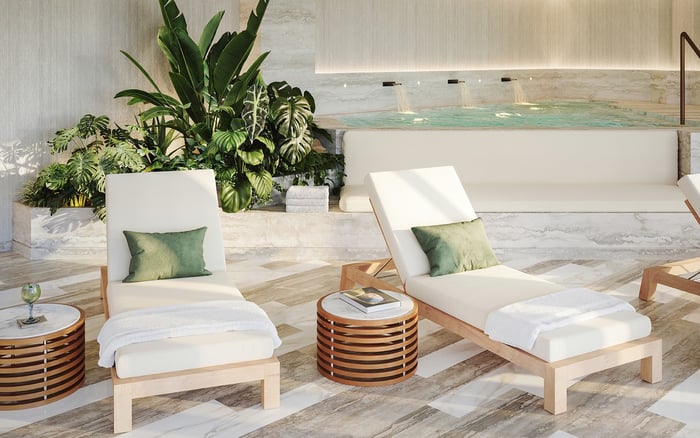
In Miami Beach, you can see a softer version of the same logic when a residence curates privacy through service, arrival sequences, and ownership culture. For buyers who want the feel of controlled access without the literal island threshold, a hospitality-forward building can act as a proxy. Consider the discretion-first positioning of The Ritz-Carlton Residences® Miami Beach, where value is expressed as much through how you live and arrive as through what you own.
Two other ZIP codes frequently cited near the top of national lists illustrate that an address premium can be built through very different cultural machinery. For South Florida buyers, they are useful reference points because they show that “most expensive” can come from different kinds of permanence.
Atherton, California (94027) is widely reported among the most expensive U.S. ZIP codes, often near the top tier. Its pricing power is typically associated with strict community character and the gravity of nearby wealth creation. In practice, it is a model of permanence created through regulation, limited supply, and long-term consistency.
Sagaponack, New York (11962) is consistently ranked among the most expensive ZIP codes as well, reflecting East Coast legacy prestige. The Hamptons model is partly seasonal and partly generational, with social history embedded into the market’s identity. The outcome is similar: an address that functions like a credential, regardless of what is being built elsewhere.
These two models clarify a buyer question that applies directly to Miami: are you purchasing into a place whose prestige is enforced primarily by policy and scarcity, or by culture and tradition? Miami’s best neighborhoods and buildings increasingly blend both. As South Florida’s luxury market matures, it tends to reward coherence, not just novelty.
At the highest tier, prestige often compresses further, from ZIP code to a single roadway. That is where the address premium becomes exceptionally specific and pricing begins to reflect micro-location more than broad neighborhood branding.
In the Hamptons, “most expensive street” discussions highlight how ocean adjacency and privacy can concentrate on a few narrow stretches. Dune Road in Quogue has been reported as the Hamptons’ most expensive street by median sale price in recent years, around $11M, with other streets like Marine Boulevard and Bluff Road in Amagansett cited among the priciest.
These medians should be treated as directional rather than definitive. Street-level metrics can be sensitive to small sample sizes and outlier trades. Still, the concept transfers cleanly to South Florida. A street name becomes a pricing signal when it communicates three things at once: the precise relationship to the water, the likelihood of estate-scale parcels, and what the neighbors will tolerate in terms of use, visibility, and disruption.
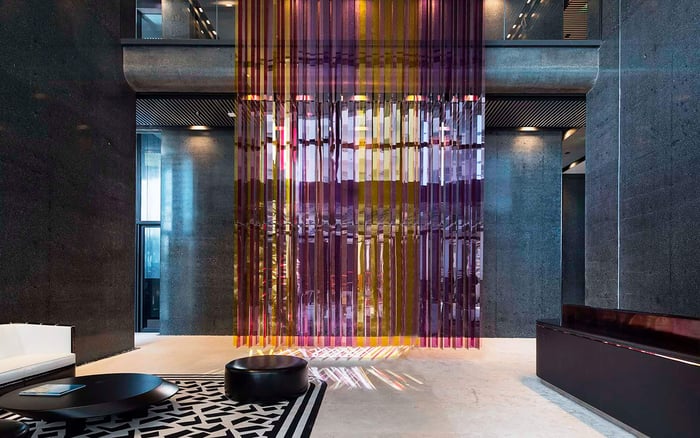
In Miami Beach, this logic shows up in how buyers talk about micro-locations and walk-to profiles. A few blocks can change noise, traffic patterns, and the daily feel of proximity to the ocean. It also appears in the way certain oceanfront buildings become shorthand for a lifestyle. A residence such as Setai Residences Miami Beach can function like a street name in conversation: a single phrase that implies service standards, buyer profile, and a particular kind of calm.
A helpful way to evaluate the address premium is to separate “the ceiling” from “the rules.” Both matter, but they influence value differently.
The ceiling is defined by trophy sales that reset expectations and expand what buyers believe is possible in a market. In 2025, widely reported roundups of the priciest U.S. home transactions highlighted an approximately $133M beachfront compound sale in Naples. The scale, the multiple-parcel configuration, and the extreme frontage reinforced a familiar principle: the rarest commodity is often not the house, but the land arrangement.
The rules, by contrast, are defined by what the market consistently rewards. Over time, the patterns are clear: direct water presence, privacy, and the ability to influence what gets built nearby. A beachfront holding with unusual acreage is not just expensive. It is hard to replicate, which is the essence of a durable premium.
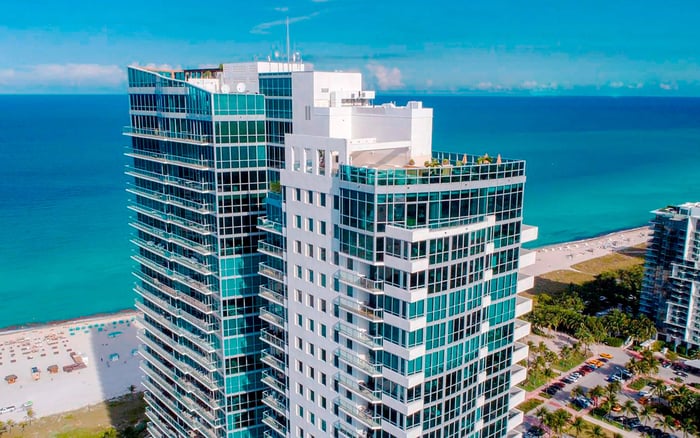
This distinction matters in South Florida because “Oceanfront” is not a generic checkbox. It is a spectrum. On-sand positioning, protected sightlines, and long-term neighborhood continuity can produce materially different value trajectories. In Miami Beach, projects like 57 Ocean Miami Beach appeal to buyers who want a clean thesis anchored in frontage scarcity rather than an amenity arms race.
Not every address premium in South Florida is created by water. Some are created by rules, and others by story. Two quieter amplifiers are preservation and provenance, both of which can support pricing power when they align with genuine scarcity.
Historic district and landmark designations can produce measurable price effects. Research discussed by ULI has found roughly a 20% premium for properties in areas that are or will become historic districts, after controls, while noting that effects can vary by submarket. The practical implication for buyers is simple: regulation can be additive when it protects the streetscape continuity, scale, and visual character that high-net-worth owners value.
Provenance matters, too. Luxury marketing consistently shows that celebrity and name association can amplify perceived value and buyer interest. That does not mean every celebrity connection is investable. It means narrative can function like a multiplier when it is attached to true scarcity and a coherent property story.
South Florida’s most common form of “provenance” often arrives through hospitality brands and cultural gravity. A building becomes a reference point because it anchors a recognizable standard of service, discretion, and design. In Miami Beach, a project such as Shore Club Private Collections Miami Beach taps into this name association effect in a way that feels native to the market: understated, design-led, and globally intelligible.
The national conversation about elite ZIP codes is useful, but South Florida buyers win by translating it into on-the-ground underwriting. The goal is not to purchase something that reads luxurious today. It is to purchase something whose premium remains defensible when sentiment shifts.
First, underwrite the barriers to entry, not the brochure. Ask what truly limits supply: geography, zoning discipline, access controls, or simply fashion. Fisher Island’s lesson is that friction can be a feature, and that structural constraints create a different kind of durability than trend-driven demand.
Second, distinguish “exclusive” from “controlled.” Controlled environments can be physical, such as restricted access, or operational, such as service-driven privacy, arrival choreography, and a strong ownership culture. In practice, many buyers who once defaulted to single-family compounds now prioritize residences that deliver security and discretion with fewer operational burdens.
Third, treat micro-location as a primary feature, not a footnote. Street-level prestige is real even when the metrics are imperfect. In Miami Beach, a few blocks can change walkability, daily noise, and the lived experience of the water. Paying attention to those differences is often the difference between a property that is merely expensive and one that holds a premium.
Fourth, track the national ceiling without confusing it for your own underwriting. Naples is instructive because it has proven Florida can support nine-figure pricing when land scarcity and frontage align at the trophy level. Even if your purchase sits far below that tier, the existence of those trades tends to lift confidence across the state’s top coastal markets.
Finally, buy the identity you want to keep. The most durable address premiums are those that stay legible in any market cycle. Whether that identity is resort-caliber service, hyper-private access, or a protected architectural context, coherence is one of the strongest hedges you can buy in luxury real estate.
Is the “most expensive ZIP code” based on asking price? Usually not. These rankings are typically built on median sale prices over a defined period, which can differ by data source and timeframe.
Why can Fisher Island command such a large premium? Restricted access and reported club-style buy-ins and dues add layers of scarcity and gatekeeping that reinforce the address itself.
Do street names really affect pricing? At the ultra-high end, they can. In places like the Hamptons, specific ocean-adjacent streets have been reported with markedly higher medians than nearby areas, reflecting privacy and beach proximity.
How should South Florida buyers apply these signals? Focus on what cannot be replicated: true Oceanfront positioning, enduring neighborhood identity, and mechanisms that protect privacy and limit supply.
For discreet guidance on South Florida’s most defensible address premiums, connect with MILLION Luxury.
If branded residences are on your mind — as a home or as an allocation — we would be glad to share what we are seeing, privately.
Begin a quiet conversation