A practical Surfside buyer’s guide to distinguishing private elevator foyers from access control, confirming visitor authorization, and tracing service circulation before committing to a residence.
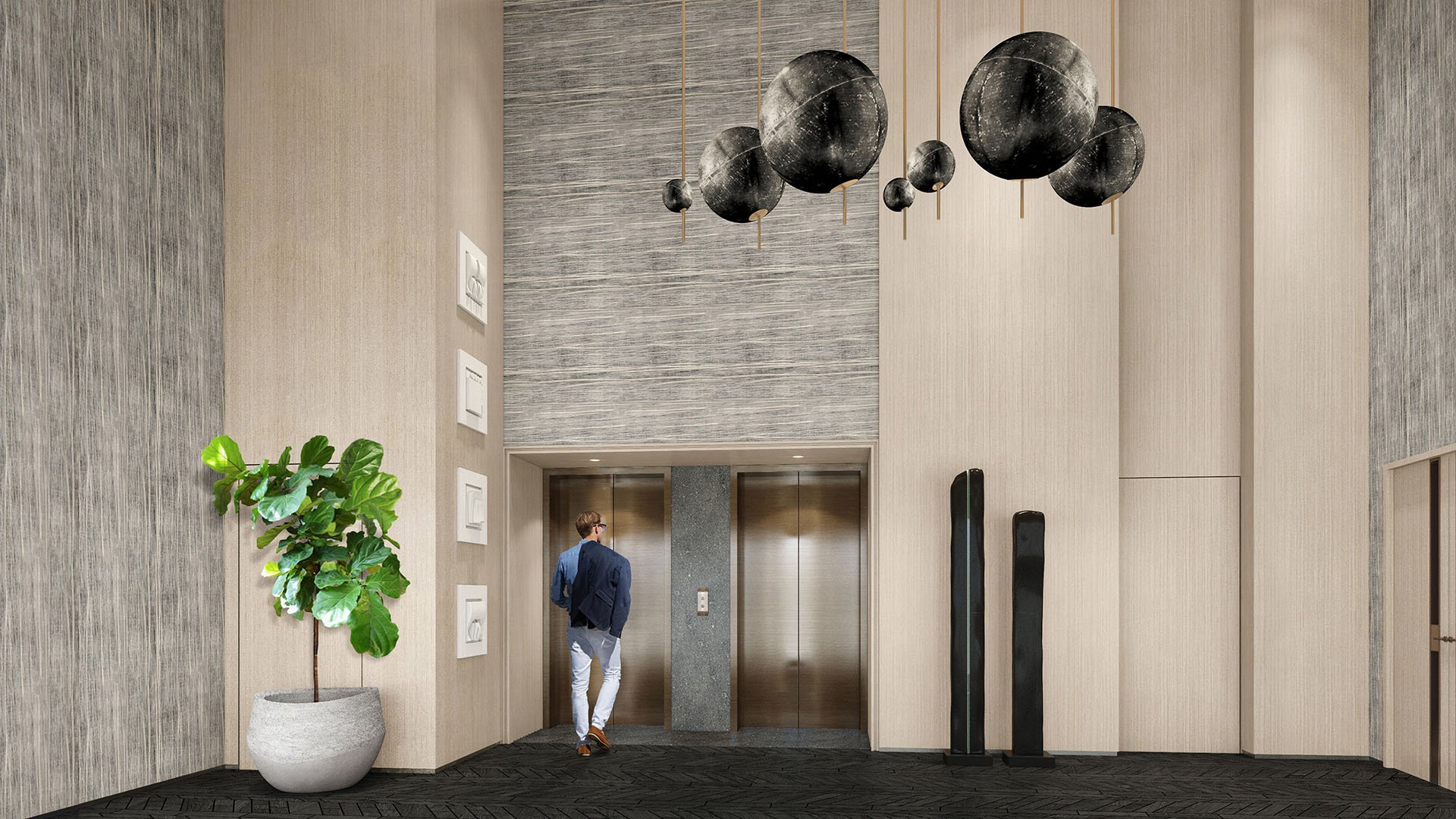
In Surfside, a private arrival can be central to an oceanfront residence’s appeal. Yet stepping from an elevator into a quiet foyer answers only one question: where you arrive. It does not necessarily establish who else can reach that space, how a visitor receives permission, or whether a delivery follows the same route.
For a buyer, privacy has three connected layers: elevator authorization, visitor authentication, and service circulation. Advertised amenities are a starting point, not confirmation of current operating conditions. The task is to connect the residence’s physical plan with the rules and controls governing everyday access.
A private foyer describes an arrival space. A dedicated elevator describes an elevator arrangement. Exclusive elevator control concerns authorization. These terms are not interchangeable.
Ask management to explain the arrangement for the specific residence under consideration. Does a credential authorize a floor, an individual residence landing, or an elevator bank? Is calling the elevator different from authorizing its destination? What permissions apply to household staff, guests, and building personnel?
Request an authorized demonstration using management-provided credentials and agreed scenarios. Pair it with a written explanation of the access permissions management can appropriately share. A successful arrival shows that one credential works; it does not define the limits of every other credential. Keep the review focused on your prospective home, without seeking other residents’ access details or sensitive system information.
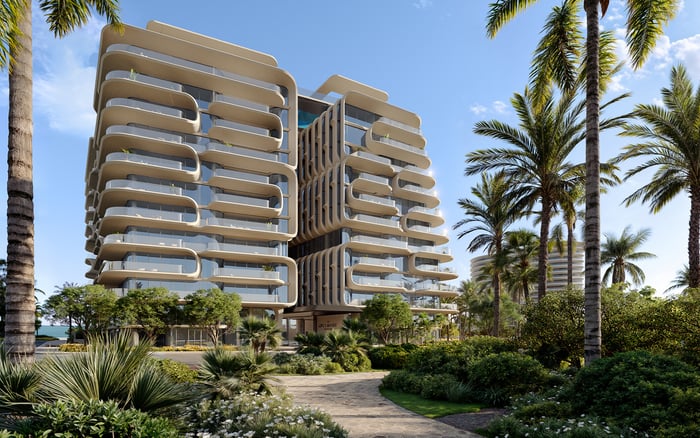
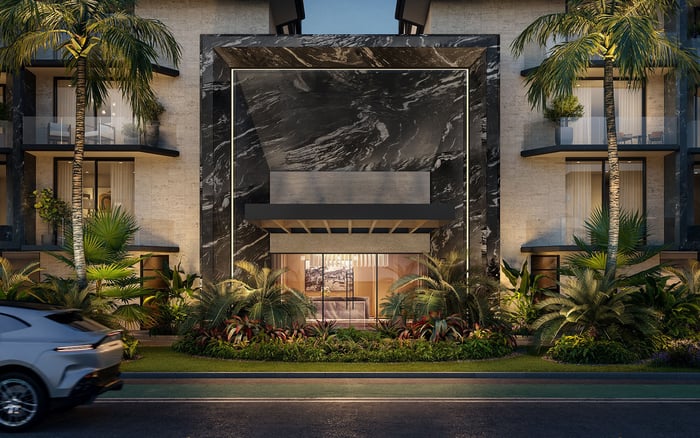
At The Surf Club Four Seasons Surfside, marketed at 9001-9111 Collins Avenue, advertised features include secured electronic access to elevators and the garage, dedicated private arrival and valet entry for each building, and private elevator lobbies for residences. Service elevators and 24-hour security are also advertised.
Those features provide a clear diligence agenda. Begin where a vehicle is received, then follow the permitted route to the residential elevator and landing. Ask where resident authorization is checked and whether garage access carries additional elevator permissions. Evaluate dedicated arrival and valet arrangements separately from destination controls.
Have management distinguish routine access from exceptional access. Ask who may authorize an exception, what resident notification applies, and how emergency access is handled. The goal is to understand the boundary between owner privacy and building responsibilities-not to secure a promise that no one else can ever enter.
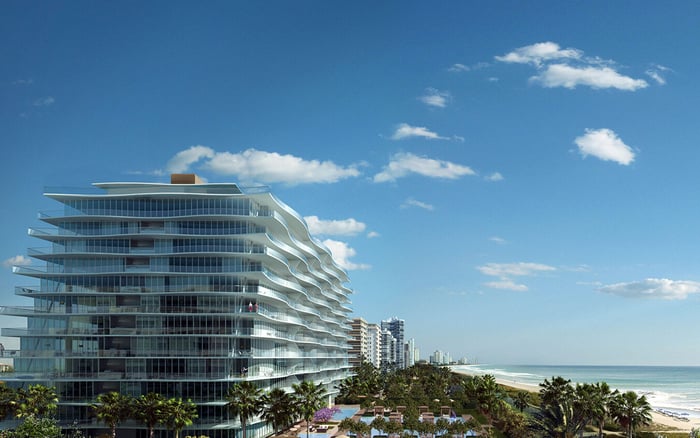
Fendi Château Residences Surfside, at 9349 Collins Avenue, is marketed as a 58-residence building with dedicated elevators opening into private foyers for all residences. Its advertised gated entrance and 24-hour security add another point to examine along the arrival route. They do not establish a particular visitor-authentication policy.
Ask management to walk through a prearranged guest visit, an unannounced visitor, and an arrival when the owner cannot be reached. In each scenario, distinguish identity checking from resident approval. Recognizing a visitor and receiving permission to admit that visitor are different decisions.
Useful questions include:
How is the resident contacted, and what constitutes approval?
Can a standing guest authorization be limited or revoked?
Is any temporary credential restricted by destination or time?
Where must a visitor wait if authorization is unavailable?
Is an escort required for any part of the journey?
Treat each answer as a policy to confirm, not a feature implied by a staffed entrance. Where possible, request written confirmation of the rules relevant to your household, without requesting confidential security procedures.
At Ocean House Surfside, at 9317 Collins Avenue, advertised features include private elevators with dedicated lobbies and electronic-fob-controlled access throughout. Advertised arrival and delivery amenities include a covered porte-cochère, package-receiving services, and 24-hour valet service.
The description of fob access does not specify floor-, residence-, elevator-bank-, or time-based restrictions. Do not infer those restrictions from the amenity language. Ask which permissions accompany an owner’s credential and whether different user categories receive different permissions.
Include credential administration in the discussion. Who may request an additional fob? What authorization is required to replace one? How are lost credentials or former household employees’ credentials deactivated? If any controls remain proposed rather than operational, request written clarification of their status and the documents describing the intended arrangement. Seek a demonstration where the system is operational and management authorizes it.
At Solimar, advertised features include high-speed elevators with computerized key technology controlling access to private entry foyers, a separate service-elevator arrangement, a 24-hour staffed security station, and closed-circuit monitors in each lobby. These are distinct features, each requiring its own verification.
A service elevator alone does not establish a fully separate journey from the street or garage to the residence. Ask to trace the permitted route for a contractor, a furniture delivery, and routine household service. Identify where these routes meet resident circulation and where they reach the home.
Distinguish package receiving from delivery to the residence. A receiving service does not tell you whether a courier, building employee, or resident completes the final leg. Likewise, ask whether service personnel use a different entrance, a different lift, a different residence door, or only a different scheduling procedure. Each represents a different kind of separation; an affirmative answer to one should not substitute for the others.
Before committing, assemble a concise access record for the residence: the relevant arrival plan, management’s written description of permissions, visitor rules, service-delivery procedures, and any unresolved questions. Ask your advisers which representations should be clarified in the transaction documents. Do not treat a sales conversation as a complete operating policy.
Reconcile that record with an authorized walkthrough. Consider how your household will function: occasional guests, recurring caregivers, domestic staff, contractors, or periods when the home is unoccupied. The right arrangement should accommodate those needs without relying on unexplained informal exceptions.
The strongest buying decision is not based on which building uses the word private most often. It rests on understanding who may authorize entry, where that authorization applies, and how residential and service journeys intersect. In a carefully chosen home, discretion should be understandable as well as beautifully expressed.
For a considered approach to your Surfside residence search, connect with MILLION.
If branded residences are on your mind — as a home or as an allocation — we would be glad to share what we are seeing, privately.
Begin a quiet conversationNo. A private foyer describes an arrival space, while exclusive access depends on the permissions and procedures governing entry.
Ask which destinations it serves and who can authorize access to the prospective residence. A dedicated elevator description alone does not establish exclusive owner control.
Advertised features include secured electronic elevator and garage access, dedicated private arrival and valet entry for each building, private elevator lobbies, service elevators, and 24-hour security.
Fendi Château advertises dedicated elevators opening into private foyers for all residences, along with a gated entrance and 24-hour security. Those features do not establish its detailed visitor-approval rules.
Ask whether permissions are restricted by floor, residence, elevator bank, or time. Its advertised electronic-fob-controlled access does not specify those restrictions.
Solimar advertises computerized-key-controlled access to private entry foyers, separate service elevators, and a 24-hour staffed security station with closed-circuit monitors in each lobby.
No. Buyers should trace the entire permitted route from arrival to the residence to identify any shared spaces or entrances.
Ask management to explain identity checking, resident approval, and what happens when the resident cannot be reached. Confirm any temporary-credential and escort policies separately.
Request a management-authorized walkthrough using agreed scenarios and management-provided credentials. Pair the demonstration with a written explanation of relevant permissions.
Request the relevant arrival plan, access permissions, visitor rules, and service-delivery procedures. Ask your advisers to help clarify unresolved representations in the transaction documents.