Waldorf Astoria’s advertised residential arrival and round-the-clock services establish an appealing foundation. Long-term buyers should look deeper into event-week access, valet priority, guest authorization and the authority to change operating rules.
For a long-term owner, luxury is partly the freedom to arrive without negotiation. At Waldorf Astoria Residences Downtown Miami, the ownership question is not simply whether valet and concierge services are offered. It is how residential access would work when demand peaks, visitors arrive together and an owner needs a car at a specific time.
The project at 300 Biscayne Boulevard combines branded residences with a Waldorf Astoria hotel. The relationship between residential and hotel arrivals is therefore an essential diligence topic. A private entrance is a physical feature; queue priority, visitor authorization and authority over shared operations are separate matters.
Advertised services provide a starting point, not verified operating performance. Buyers should distinguish what is offered, what is defined in governing documents and what still needs clarification. An unspecified procedure calls for a written question, not an assumption that no procedure will exist.
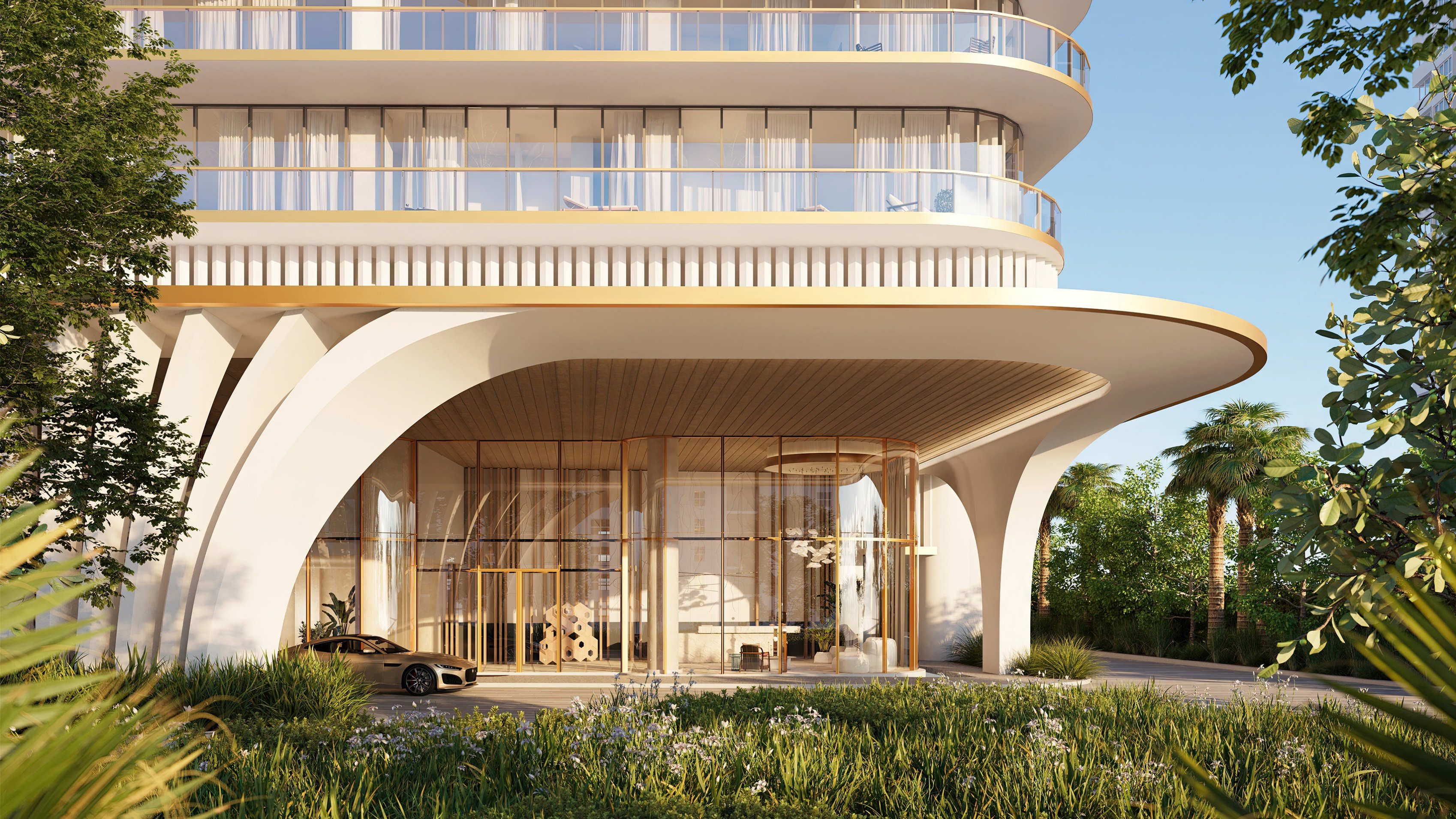
Advertised amenities include a private residential porte cochère, private residential entry, 24-hour valet service and a third-level residential lobby with panoramic bay views. Together, these features outline a distinct residential arrival experience.
The service offering includes 24-hour doormen and lobby desk attendants, a live-in resident manager and 24-hour security. Residents are also offered 24-hour concierge services through an on-site concierge and a building app. These are meaningful provisions, but they do not establish event-week staffing levels or maximum waiting times.
Ask for an arrival plan tracing the route from the street to the residential lobby. It should clarify where owners, visitors, chauffeurs and ride-share vehicles would stop, and whether any part of their route intersects with hotel arrivals. Private residential entry does not, by itself, establish protection from hotel-event spillover or external traffic delays.
The practical test is a busy evening, not an uncluttered rendering. Ask management to walk through a hypothetical scenario in which an owner returns as hotel or private-event vehicles arrive. Who directs traffic, where would a waiting vehicle remain, and who could intervene if the residential approach were obstructed?
Advertised security does not establish vehicle-screening procedures, temporary barricades, resident-only lanes or ride-share staging arrangements. Treat each as a question, not an existing feature. Request any proposed event-week operating plan and distinguish building-controlled measures from conditions outside the property's control.
Owners should also ask how temporary restrictions would be communicated, how much notice would be provided when practicable and what alternative arrival arrangements would apply. The central issue is accountability: identify the role authorized to resolve a conflict between residential access and hotel operations.
For buyers also considering Aston Martin Residences Downtown Miami, apply the same arrival questions independently. A useful comparison examines each property's documented arrangements rather than relying on assumptions about branding or location.
The residential porte cochère is advertised with 24-hour valet service, and the service offering includes complimentary 24-hour valet parking. Neither establishes unlimited vehicles, complimentary guest parking or guaranteed retrieval times.
Request written answers on resident priority, peak-period retrieval targets and the handling of simultaneous requests. Clarify whether any stated time is a service objective or a contractual commitment. Ask whether requesting a vehicle through the app changes its place in the queue and what alternative exists if the interface is unavailable.
Parking rights deserve equal attention. Establish the included vehicle allowance, second-car treatment, oversized-vehicle restrictions, guest charges and any self-parking rights. Ask whether event-related exceptions could alter the ordinary arrangement or expose an owner to additional charges during those periods.
Finally, distinguish responsibility from convenience. Who supervises the valet provider, who receives complaints and who can require corrective action? Round-the-clock availability answers when service is offered-not how it is prioritized or how recurring delays would be addressed.
The advertised resident-service interface supports valet access, house-car reservations, package delivery and other requests. Advertised features also include Savant smart-home technology and touch-screen and iPad access to concierge offerings through a custom app. These functions do not confirm a guest-preclearance system.
No documented procedure is established here for advance guest names, digital passes, license-plate registration or unregistered visitors. Buyers should request a guest-access policy covering both ordinary days and event periods. It should clarify whether advance registration would be mandatory and whether telephone authorization would remain available.
Test the policy against everyday situations: a dinner guest arrives early, a driver changes vehicles, or a visitor reaches the entrance while the owner cannot answer. Ask where the visitor would wait, who could approve entry and whether approval covers pedestrian access, vehicle access or both.
Second-home buyers should also clarify how authorized family members and household personnel would manage visitors during the owner's absence. For any proposed digital credential, ask about expiration, revocation and the fallback process. The goal is a controlled welcome, not dependence on one device or one available resident.
Request the declaration, bylaws, rules, parking plan and valet agreement, together with the hotel/residential operating agreement and any shared-facilities agreement. Have counsel identify which documents govern residential access, parking entitlements, operating costs and dispute resolution.
A written operating answer is useful, but its durability matters. Ask who may amend access rules, whether owners receive notice and what approvals are required. Clarify whether a service description appears in a governing document, a provider agreement or a changeable operating policy. These distinctions matter for ownership measured in years rather than weekends.
If One Thousand Museum Downtown Miami is also on the shortlist, apply the same document-led review without presuming identical governance or service arrangements. A consistent diligence framework can reveal differences that an amenities comparison leaves unresolved.
Before committing, assemble a written record covering the arrival route, event-week controls, valet priority, parking allowances, guest authorization and escalation responsibility. Classify each answer as an advertised feature, a proposed procedure or a documented right, and have counsel assess the distinctions.
The appeal of Waldorf Astoria's advertised service offering is clear. The long-term ownership decision turns on whether that offering is supported by arrangements suited to the buyer's routines. Predictability deserves the same scrutiny as privacy, outlook and interior planning.
For a considered approach to South Florida residential ownership, explore MILLION.
If branded residences are on your mind — as a home or as an allocation — we would be glad to share what we are seeing, privately.
Begin a quiet conversationThe project is in Downtown Miami at 300 Biscayne Boulevard.
Yes, it combines branded residences with a Waldorf Astoria hotel. Buyers should clarify how residential and hotel arrivals would interact during busy periods.
Yes, advertised amenities include a private residential porte cochère and private residential entry. These features do not establish event-week queue priority.
The residential arrival is advertised with 24-hour valet service. Maximum retrieval times and peak-period resident priority are not established.
Complimentary 24-hour valet parking is advertised, but vehicle allowances, guest charges and exceptions are not established. Buyers should request written parking terms.
Resident-only lanes, temporary barricades and event-week vehicle screening are not established by the advertised security offering. Buyers should request any proposed event-week access plan.
No documented guest-preclearance procedure is established by the advertised app functions. Digital passes, advance registration and telephone authorization require separate clarification.
The offering includes 24-hour doormen, lobby desk attendants, concierge services and security, plus a live-in resident manager. These provisions do not specify event-week staffing levels.
Request the declaration, bylaws, rules, parking plan, valet agreement, hotel/residential operating agreement and any shared-facilities agreement. Counsel should review access rights, amendment powers and dispute procedures.
No. An unspecified procedure is a reason to seek written clarification, not evidence that management will have no procedure.