The Delmore Surfside advertises advanced biometric security, but luxury buyers should look beyond convenience and obtain written answers about enrollment, visitor records, app permissions, retention, deletion, alternatives, and administrative control.
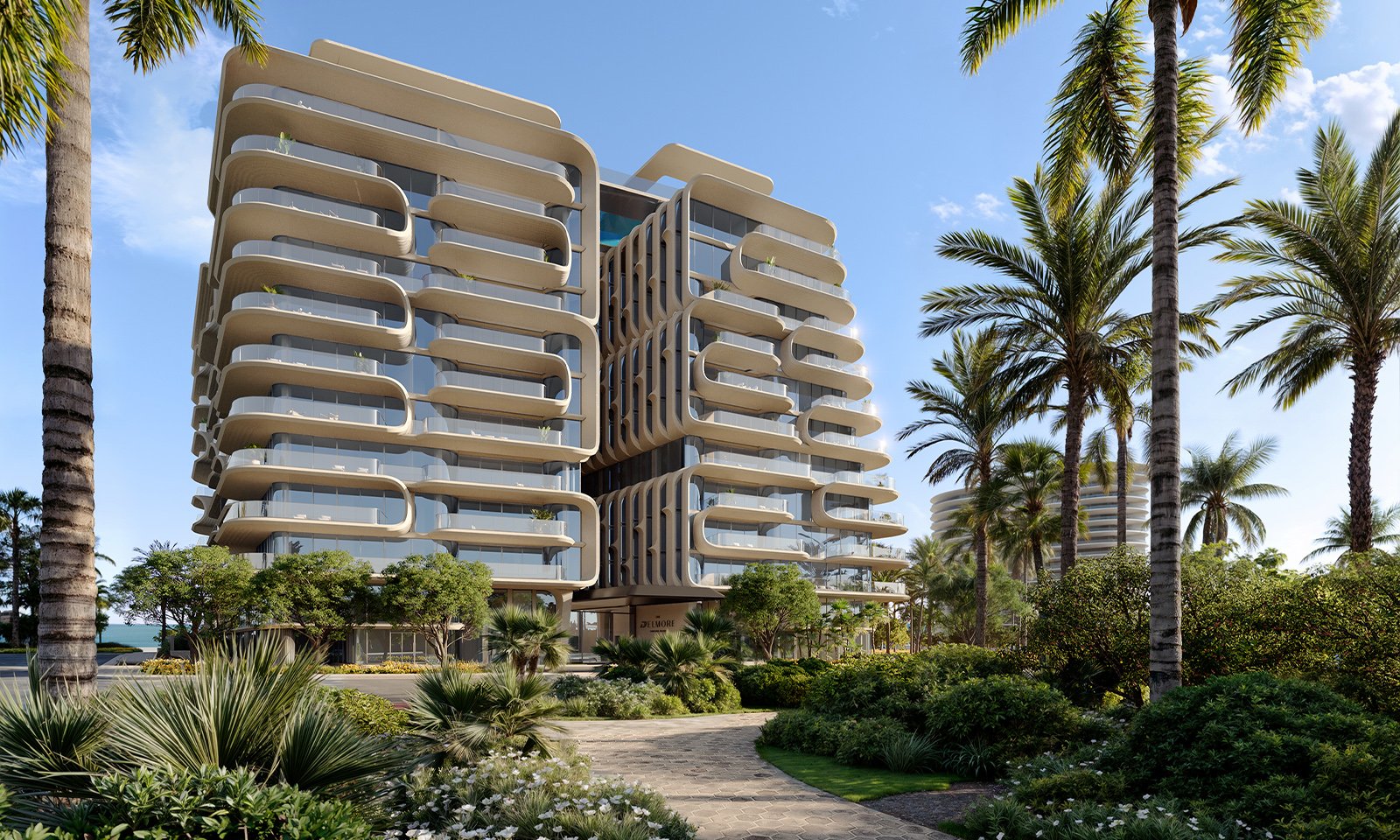
At The Delmore Surfside, the promise of privacy and discretion is paired with advertised next-generation security, including biometric access, facial recognition, and iris scanning. For a luxury buyer, those features may suggest effortless entry and closely managed circulation. They also invite a more exacting question: what happens to the personal data required to deliver that convenience?
This is especially relevant in Surfside, where privacy is integral to the residential proposition. Buyers comparing The Delmore with established and newer options such as Arte Surfside should evaluate digital access architecture with the same rigor applied to structural specifications, service protocols, and ownership documents. This addition to MILLION's Buyer's Guides examines the operational layer easily overlooked during a polished presentation.
In a private residence, convenience should never obscure who controls the record of daily life.
The central due-diligence issue is not whether biometric access sounds sophisticated. It is whether the final installed configuration, vendor relationships, storage design, retention period, and deletion process are documented. The available description of The Delmore Surfside does not establish those details, so buyers should request current written materials rather than infer policy from feature language.
Ask which advertised capabilities will be active at closing and which may be added, disabled, or reconfigured later. Facial recognition can enable hands-free door entry, but the system must verify facial biometric data. Iris scanning requires parallel clarity. Buyers should establish whether biometric templates are stored locally or elsewhere, which entities can access them, and what procedure governs deletion after a sale or revoked enrollment.
For new-construction purchasers, the distinction between a planned feature and a final operating rule is material. The technology may be selected before the condominium association assumes control, while subsequent administration could involve a property manager, security contractor, or technology vendor. Written responsibility carries more weight than a general assurance that the system is secure.
Modern access systems can coordinate entry across gates, lobbies, parking areas, amenity rooms, package spaces, and other controlled zones. A single event may appear routine, yet a sequence of entries can reveal household schedules, staffing patterns, guest frequency, and amenity use. Centralization streamlines the resident experience, but it can also make the resulting record more revealing.
Buyers should request a plain-language data map covering every credential and interface. This means identifying the biometric system, resident app, visitor-management tool, parking controls, web portal, and any property-management workflow connected to access. Several vendors may participate in what appears to the resident as a single seamless tap, scan, or digital pass.
This question belongs within the broader oceanfront purchasing conversation. A prospective owner weighing privacy expectations at The Surf Club Four Seasons Surfside or Ocean House Surfside may also wish to compare how each property manages credentials and guest entry, without assuming that similar service levels rely on similar technology or policies.
Visitor-management systems can log each guest, show who is currently inside, and issue temporary mobile or QR credentials. At The Delmore, a buyer should verify whether the building records a visitor's name, host, arrival and departure times, access points, and credential history. The next questions are how long each field remains available and who can search, review, or export it.
The inquiry should extend to household staff, contractors, delivery personnel, and recurring service providers. Temporary access does not necessarily mean temporary data. QR codes and limited-duration credentials can still create identifiable trails after the credential itself stops opening a door.
A discreet operating policy should also explain what residents can see about their own guests, what building personnel can see across all residences, and when records may be exported. Visitor privacy is not peripheral to the resident's lifestyle. In an ultra-premium building, it forms part of the household's own privacy perimeter.
A system marketed as requiring no app may still enroll a user through an email address and submitted selfie before issuing QR-based mobile access. Conversely, an app can serve as a practical control center while introducing questions about account security and permissions. The relevant issue is not simply whether an app appears on a phone, but what information enters the broader access environment.
Request a list of resident and administrator interfaces, including mobile apps and browser-based portals. Confirm whether multifactor authentication is available, how administrator privileges are assigned, and who can create, suspend, reactivate, or export credentials. Buyers should also ask whether a compromised resident account could expose only that household's information or a wider set of building functions.
South Florida access-control products can support facial recognition, mobile credentials, RFID fobs, QR codes, cards, and PINs within a single system. A Delmore purchaser should therefore ask whether residents, children, guests, and household staff may decline biometric enrollment and use another practical credential without reduced access or unreasonable friction.
Alternatives should be tested as operating workflows, not accepted as a one-word promise. Which doors, elevators, parking zones, and amenities will a fob, card, mobile credential, or PIN open? Who issues replacements? What happens when a phone is lost, a child lacks a device, or a guest declines to submit a selfie? A privacy-respecting alternative must function throughout the relevant journey.
Before closing, request the current privacy notice, biometric consent form, vendor agreements, retention schedule, deletion procedure, incident-response terms, and credential policy. The documents should identify every party with a role in access, biometric processing, visitor management, parking, and the resident platform.
They should also answer five practical questions. Who administers credentials? Who can review or export records? How long are resident and visitor records retained? What triggers deletion rather than mere deactivation? What happens to the data when ownership, staff, vendors, or building management changes?
Credential revocation deserves particular attention. A former employee, contractor, guest, or owner may lose entry rights immediately, while associated records remain in one or more systems. Buyers should request separate explanations for disabling access and deleting related data, including the expected process after a sale or staffing change.
Biometric entry and integrated building tools can provide meaningful convenience. The more elegant the experience feels, however, the more important it becomes to understand the systems behind it. At The Delmore Surfside, the appropriate standard is not technology for its own sake, but documented choice, limited access, intelligible retention, and dependable deletion.
For discreet guidance on South Florida luxury residences and the questions to raise before closing, connect with MILLION.
If branded residences are on your mind — as a home or as an allocation — we would be glad to share what we are seeing, privately.
Begin a quiet conversationThe project is advertised with biometric access, facial recognition, and iris scanning. Buyers should confirm which features will be installed and active.
The available project description does not identify the final vendor, storage architecture, retention period, or deletion process. Those points should be established in current written materials.
A system may record names, hosts, arrival and departure times, access points, and credential histories. Buyers should verify the exact fields and retention periods at The Delmore.
Yes. Temporary QR codes and mobile credentials can create identifiable entry records for guests, contractors, staff, and delivery personnel.
No. An app-free process can still use an email address, selfie, QR credential, or other personal information for enrollment and access.
Administration could involve the developer, condominium association, property manager, security contractor, or technology vendor. Buyers should obtain a written allocation of responsibility.
Buyers should ask for workable fob, mobile, card, or PIN alternatives for residents, children, staff, and guests who do not enroll biometrically.
Request privacy notices, consent forms, vendor agreements, retention schedules, deletion procedures, incident-response terms, and credential policies.
Not necessarily. Buyers should confirm separately when access ends and when associated identity, biometric, visitor, and credential records are deleted.
Administrators may be able to create, suspend, review, or export credentials and records. Buyers should verify permission levels, account protections, and audit controls.