A discreet guide for estate owners considering Surfside, focused on privacy, scale, service, terraces, storage, and the day-to-day shift from land to a refined coastal residence.
For buyers leaving large estates, Surfside should not be framed as a compromise. The more precise question is how much of the estate lifestyle should be preserved, and how much should be intentionally released. Land, staff coordination, guest wings, gated drives, and deep storage can be difficult to replicate in a coastal residence. Privacy, daily ease, lock-and-leave confidence, and proximity to the water can be elevated when the building is chosen with discipline.
Surfside occupies a particular role for estate owners who want a quieter residential tone without abandoning the ceremonial feeling of arrival. The best buyers in this category are not simply seeking a smaller footprint. They are pursuing a more edited life, where the home performs beautifully without requiring the constant management that often accompanies a significant estate.
The move from Estates & Single-Family ownership begins with a candid inventory. Which rooms are essential to your life, and which have become symbolic? A formal dining room may matter deeply if you host often. A large lawn may be less important if it is maintained mostly for appearance. A private office, a morning terrace, secure parking, staff-friendly circulation, art walls, and generous primary storage may matter more than raw square footage.
The strongest Surfside searches begin with lifestyle mapping. How do you enter the home? Where does luggage go after travel? Can deliveries be handled discreetly? Is there enough separation between family rooms and guest rooms? Does the residence allow a couple to live comfortably when alone, yet expand elegantly when children or guests arrive? These questions are more useful than asking whether a condominium can imitate an estate. It should not imitate one. It should replace complexity with precision.
Estate owners tend to respond to Surfside buildings that feel composed rather than crowded. A residence at The Delmore Surfside, for example, belongs in the conversation for buyers who want a contemporary Surfside address considered through privacy, proportion, and long-term livability. The right question is not only how the residence presents on a tour, but how it will live through a full season of family visits, travel, entertaining, and quiet weekdays.
For buyers who prefer a more intimate sense of place, Ocean House Surfside offers another way to think about the transition. Boutique scale can appeal to former estate owners because it may feel less anonymous than a larger tower environment. Boutique does not automatically mean better, but it often prompts the right questions about elevator experience, common-area cadence, and the personality of the building.
Design-driven buyers may also study Arte Surfside as part of a broader comparison of architectural identity and residential atmosphere. A buyer leaving a custom estate may be especially sensitive to ceiling height, materiality, room sequence, light, and the way the residence frames the horizon. These are not decorative concerns. They determine whether the home feels settled or temporary.
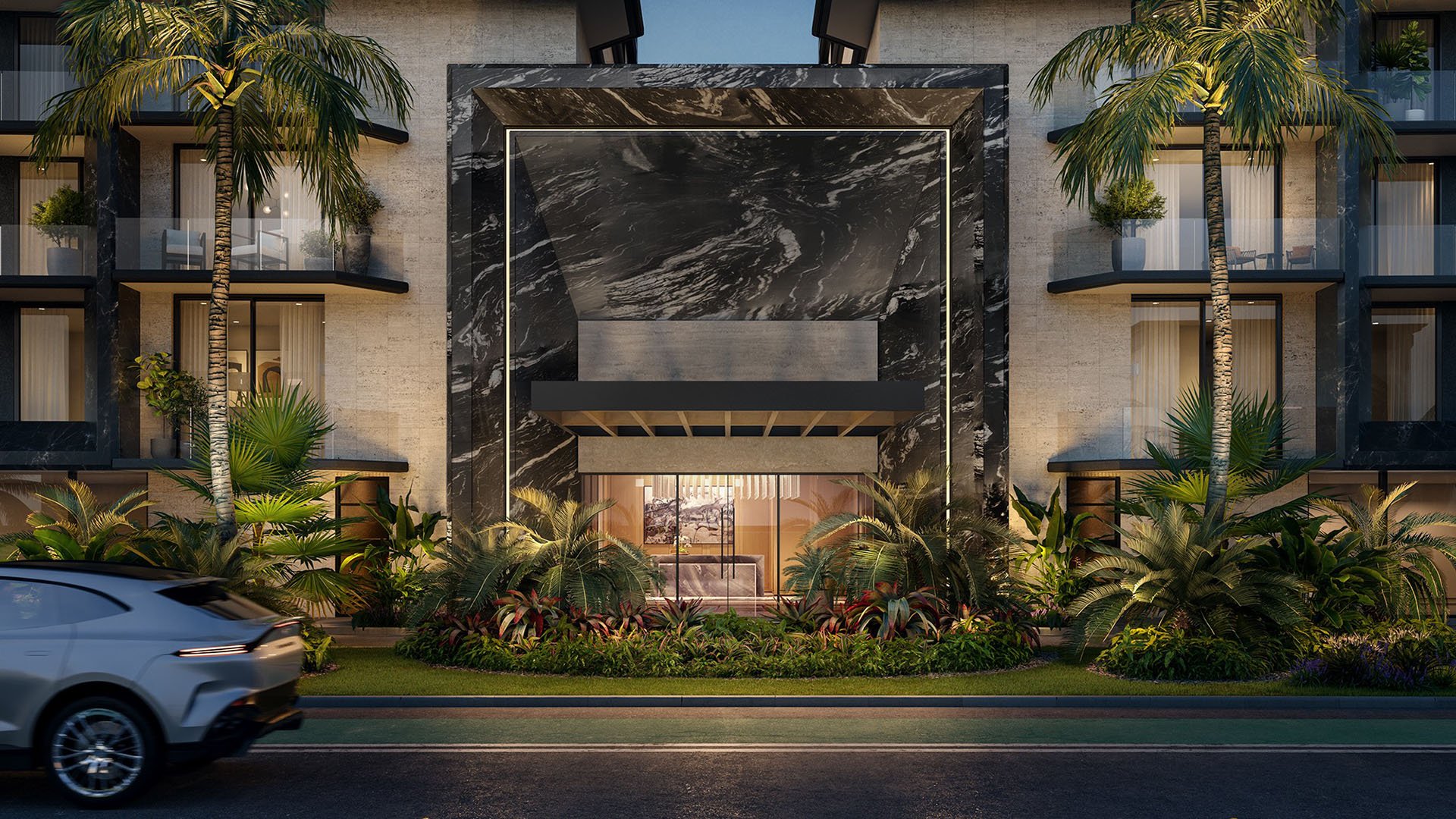
Large estates often create privacy through distance: gates, driveways, hedges, guest houses, and acreage. In Surfside, privacy is created through building culture, arrival choreography, elevator experience, residence layout, terrace depth, staff protocol, and the separation of public and private areas. The buyer should study how one moves from car to lobby to residence, and whether that sequence feels calm or exposed.
Oceanfront living also changes the meaning of privacy. The view becomes expansive, but the home itself must still feel protected. This is why terrace configuration, bedroom placement, and the relationship between entertaining spaces and service areas deserve unusual care. A beautiful view cannot compensate for a home that feels too visible or operationally awkward.
Estate owners are accustomed to control. In a high-service building, that control shifts from owning every system to trusting a well-run residential environment. The goal is not theatrical service. It is consistency. The building should make the owner’s life easier without announcing itself at every moment.
When comparing Surfside options, consider how the building handles daily arrivals, guests, maintenance access, packages, beach routines, pets, and periods when the owner is away. Former estate owners should ask how the residence functions during quiet months, peak family visits, and last-minute travel. A polished amenity deck is pleasant, but operational clarity is what sustains the lifestyle.
Leaving a large estate is often presented as a financial or logistical decision, but it is also psychological. A house with grounds can become part of a family’s identity. Moving to Surfside requires a different definition of permanence. Instead of land, permanence may come from a view, a routine, a favorite table, a morning walk, a terrace at dusk, or the simplicity of closing the door and leaving without worry.
For some buyers, Fendi Château Residences Surfside may enter the conversation because brand, design language, and residential intimacy can help bridge the emotional gap between a private estate and a serviced coastal home. For others, the appeal may be less about branding and more about discretion, scale, and the feeling that the residence is substantial without being burdensome.
The most successful Surfside buyer leaving a large estate resists the urge to react to finishes first. Begin with the plan. Confirm storage. Walk the arrival sequence. Stand in the primary bedroom at different times of day. Imagine a holiday visit, a quiet Monday, a dinner for close friends, and a month spent away. Ask whether the home supports all four versions of life.
Buyers should also be honest about what they will miss. If a private garden is central to daily happiness, a terrace alone may not replace it. If staff support is essential, building policies and service circulation deserve early attention. If children and grandchildren visit often, guest accommodations and acoustic separation become more than conveniences. They become the difference between elegance and friction.
A Surfside purchase should feel edited, not reduced. The right residence will not reproduce the acreage, but it can preserve the dignity, privacy, and rhythm that made the estate meaningful in the first place.
Is Surfside a natural fit for buyers leaving large estates? It can be, especially for buyers who want privacy, coastal living, and a more manageable residential format without abandoning a refined sense of home.
What should estate owners evaluate first? Start with arrival, privacy, storage, floor plan logic, terrace usability, and how the residence functions during both quiet weeks and family visits.
Is square footage the most important factor? Not always. Layout, ceiling height, bedroom separation, storage, and service flow can matter more than a larger but less efficient plan.
Should buyers prioritize an Oceanfront residence? Oceanfront living can be compelling, but the residence still needs privacy, usable outdoor space, and a daily rhythm that suits the owner.
Are Boutique buildings better for former estate owners? Boutique buildings may feel more personal and less anonymous, but buyers should compare operations, staffing, privacy, and long-term comfort.
How important is the arrival sequence? Very important. Former estate owners often miss a private driveway, so the transition from car to residence should feel calm and discreet.
What storage issues should buyers anticipate? Art, wine, luggage, seasonal wardrobes, sporting gear, and family items should be discussed early, before the emotional pull of finishes takes over.
Can a Surfside condominium replace a large estate? It should not try to duplicate an estate. The better goal is to preserve privacy and comfort while removing excess maintenance and complexity.
How should buyers compare Surfside residences? Compare daily life scenarios, not just renderings or views. Imagine hosting, traveling, working privately, and living quietly in the same home.
When should a buyer bring in advisory support? Early. A thoughtful advisor can help separate emotional attraction from practical fit before a buyer commits to the wrong residence.
To compare the best-fit options with clarity, connect with MILLION.
If branded residences are on your mind — as a home or as an allocation — we would be glad to share what we are seeing, privately.
Begin a quiet conversation