
A generous terrace deserves equally precise ownership terms. For buyers comparing these two Ritz-Carlton residential opportunities, the essential diligence concerns exterior maintenance, residence-specific exposure and written storm-preparation responsibilities.

An expansive terrace promises a particular South Florida luxury: breakfast beside the water, an outdoor dining room and living space that extends beyond the glass. For a discerning buyer, that appeal deserves an equally clear understanding of who maintains it, who pays for repairs and who prepares it when a storm approaches.
At The Ritz-Carlton Residences® Palm Beach Gardens and The Ritz-Carlton Residences® Fort Lauderdale, that is the central comparison. Branding does not define exterior responsibilities. Nor does hurricane-window marketing establish arrangements for furniture storage or storm preparation when an owner is away. Confirm the current construction stage and sales availability directly before making a purchase decision.
The most useful question is not simply how much outdoor space accompanies a residence. It is whether that space can be maintained and secured on terms that fit the buyer’s life.
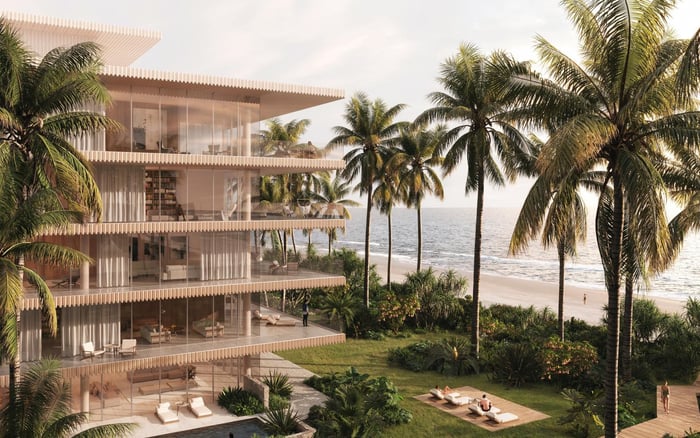
Palm Beach Gardens is planned at 2200 PGA Boulevard with 106 residences across three seven-story towers. Approximately 850 feet of waterfront and expansive Intracoastal views frame its outdoor-living appeal. The stated design includes floor-to-ceiling hurricane windows and generous terraces.
Yet outdoor space is not a uniform category. The terrace-residence plans label balconies and terraces separately. One plan identifies a balcony measuring 12′7″ × 77′9″ and a terrace measuring 76′4″ × 15′6″. Those dimensions belong to that plan, not to every residence.
For a buyer, the distinction is practical. Request the exact plan attached to the proposed purchase and reconcile its labels with the governing documents. Ask whether each outdoor area carries the same maintenance obligations, alteration restrictions and access requirements. Two spaces serving the same apartment should not be assumed to receive identical treatment.
Prices, plans and specifications are subject to change, making the current purchase documents more consequential than an earlier layout.
An Intracoastal setting gives Palm Beach Gardens a clear starting point for exposure diligence. It does not, however, quantify the wind, rain or salt burden on an individual terrace. Ask the project team to address the selected residence’s orientation, elevation and outdoor configuration rather than offer a building-wide assurance.
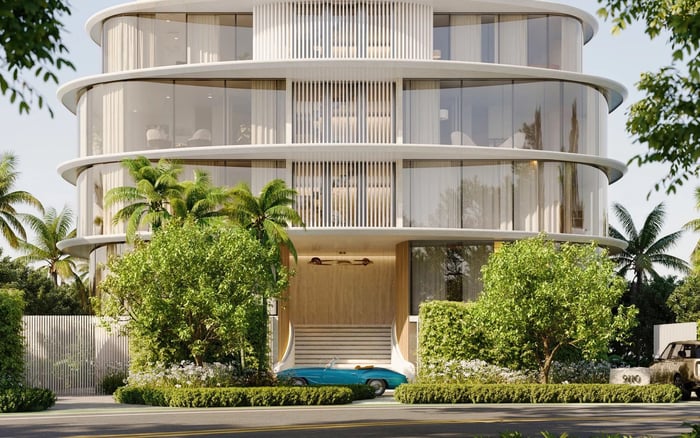
For Fort Lauderdale, first confirm the precise residential site and its relationship to the ocean. The contact listing at 505 N. Fort Lauderdale Beach Boulevard, #CU-7, does not by itself verify the residential building’s address. The existing Ritz-Carlton hotel at 1 North Fort Lauderdale Beach Boulevard should not be treated as the residences’ location by association.
Until the site and selected residence are established, a claim that Fort Lauderdale necessarily requires more maintenance would be premature. Seek residence-specific guidance on exposure and cleaning needs, along with any applicable inspection requirements. The objective is a defensible ownership plan, not a generalized ocean-versus-Intracoastal verdict.
Request the declaration, amendments, bylaws and a written maintenance matrix. Review them together to determine who performs the work, who authorizes it and who ultimately pays. A promise that management can arrange a service does not confirm that its cost is included.
Address terrace slabs, waterproofing, drains, railings, coatings, windows, doors and protective hardware individually. For each component, ask about routine cleaning, inspection, repair and eventual replacement. Responsibility for one task does not necessarily settle the others.
For Fort Lauderdale, a property-specific schedule for terrace washing, waterproofing inspections, railing maintenance and post-storm inspections remains a document request-not an established service commitment. At Palm Beach Gardens, hurricane-window specifications do not settle maintenance responsibility or replacement costs.
Also request the current budget, reserves and insurance documents. Have advisers reconcile the proposed responsibility matrix with those financial provisions. No particular terrace-maintenance fee or reserve allocation should enter the comparison as a fact until documented.
A useful hurricane manual translates broad preparedness language into instructions an owner or authorized representative can execute. Request a written schedule identifying the activation trigger, completion deadline and responsible party for each task.
The schedule should specify which terrace items must be removed, which may remain and which securement methods are permitted. Furniture weight or a salesperson’s reassurance should not substitute for written permission. No verified furniture exemption is established here for either property.
Storage deserves a separate answer. Ask where removable items may be placed, whether storage or moving services are available, how they are reserved and what they cost. Confirm whether a service commitment covers the selected residence and its outdoor furnishings rather than merely offering general assistance.
Finally, clarify access authorization, charges and post-storm reporting. Who may enter if the owner is away? Who confirms completion? Who inspects afterward and communicates damage or restrictions? These questions seek enforceable clarity; they do not imply that either project already provides those services.
For an owner who travels frequently, storm readiness should not depend on returning to South Florida at short notice. Ask management to describe the arrangements available to an absent owner, then obtain their scope and limitations in writing.
A practical review should cover authorization to enter, an alternate contact, approved contractors, payment authority and completion documentation. Ask what happens if a preferred contractor is unavailable or a service request arrives after a deadline. Clarify whether management performs the work, coordinates it or leaves it entirely to the owner.
The same discipline can guide buyers also considering Four Seasons Hotel & Private Residences Fort Lauderdale. The comparison rests on written obligations, not an assumption that different branded residences share operating rules or service inclusions.
The strongest purchase comparison separates three things: the outdoor space being acquired, its residence-specific exposure and the contractual responsibilities attached to ownership. A beautiful terrace may satisfy the first without resolving the other two.
For Palm Beach Gardens, begin with the selected balcony-and-terrace plan and reconcile it with maintenance and storm documents. For Fort Lauderdale, establish the residential site and selected residence before assessing exposure or service expectations. For both, request written answers rather than assign value to presumed inclusions.
The buyer’s priority is straightforward: make the terrace as clear on paper as it is compelling in person. That clarity allows outdoor living to remain a pleasure rather than an unresolved management assignment.
For a discreet conversation about South Florida residences and ownership priorities, connect with MILLION.
If branded residences are on your mind — as a home or as an allocation — we would be glad to share what we are seeing, privately.
Begin a quiet conversationThe development site is identified as 2200 PGA Boulevard.
The plan comprises 106 residences across three seven-story towers, with approximately 850 feet of waterfront.
No uniform terrace size is established. Published plans distinguish balconies and terraces, so buyers should review the exact residence plan.
No. Palm Beach Gardens’ hurricane-window specifications do not establish furniture removal, storage services or absent-owner storm preparation.
The contact listing at 505 N. Fort Lauderdale Beach Boulevard, CU-7, does not independently establish the residential building’s site address. Buyers should confirm the site before assessing exposure.
A quantified comparison is not established. Confirm the Fort Lauderdale residential location and evaluate the selected residence at each property before drawing conclusions.

That allocation remains a document-level question for each property. Request the declaration, amendments and maintenance matrix to distinguish service responsibility from payment responsibility.
No verified furniture exemption is established for either property. Obtain written removal requirements and permitted securement methods rather than assuming weight provides an exemption.
Request written terms addressing activation triggers, deadlines, entry authorization, responsible parties, storage, charges and completion documentation. Clarify what happens when a service request arrives late.
Request the current budget, reserves and insurance documents alongside the governing documents. No specific terrace-maintenance fee or reserve allocation is established here.