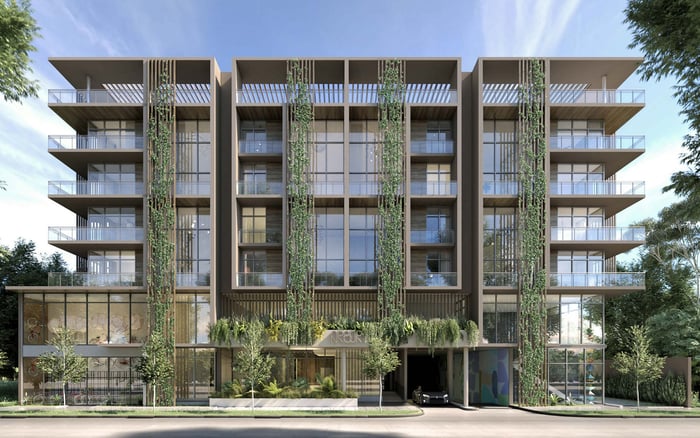
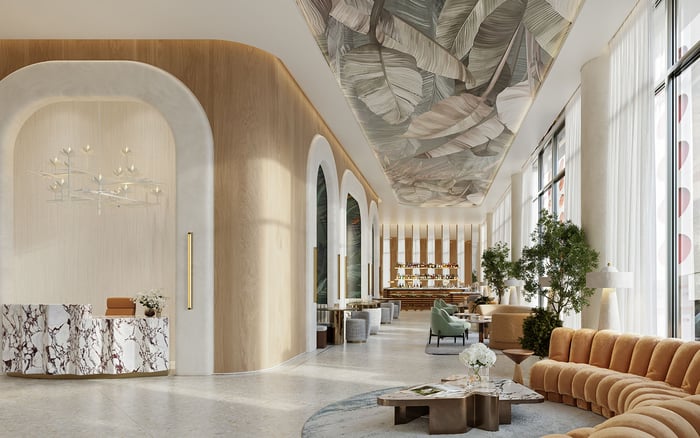
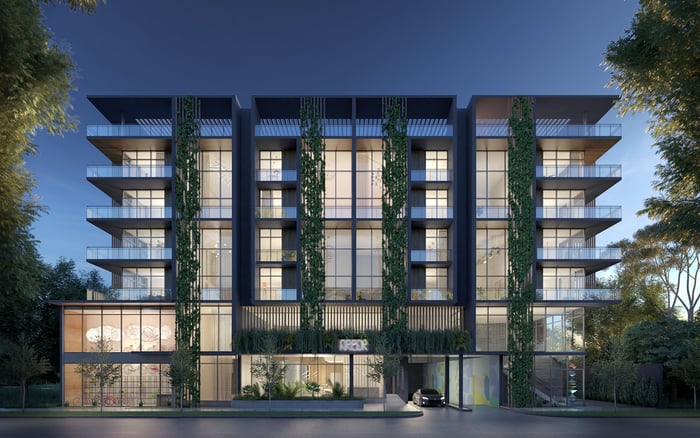
A practical editorial comparison of 888 Brickell by Dolce & Gabbana and Opus Coconut Grove through the lens of absentee ownership, security, package handling, vendor control, maintenance access, and South Florida climate risk.
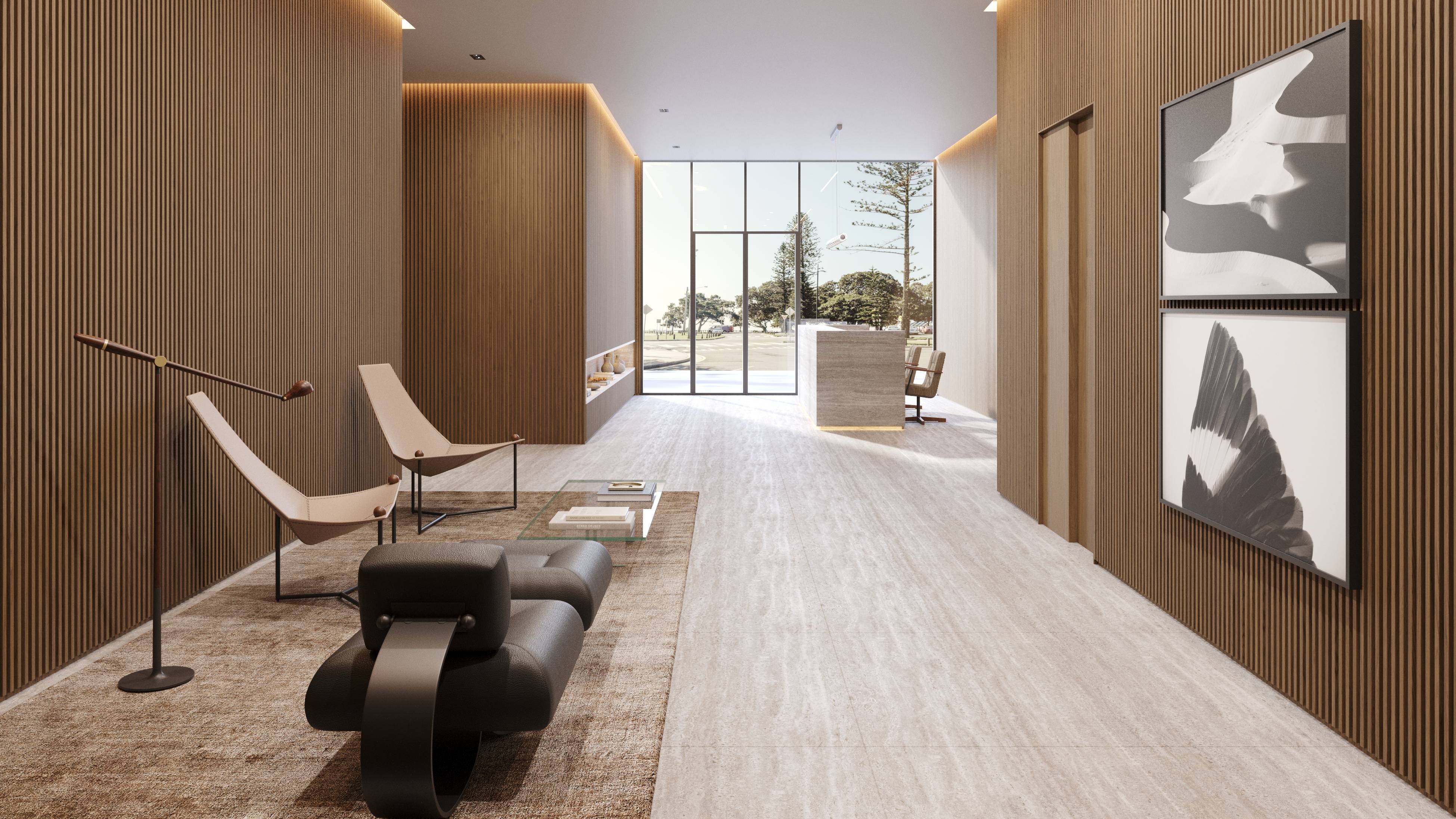
For the buyer weighing 888 Brickell by Dolce & Gabbana against Opus Coconut Grove, the obvious conversation starts with architecture, branding, location, and lifestyle. The more practical question is quieter, and often more important: what happens when the owner is not there?
In South Florida’s luxury condominium market, lock-and-leave ownership is not simply a lifestyle phrase. It is an operating standard. It shapes how a building receives packages, screens visitors, releases keys, manages food deliveries, grants vendor access, and responds when a residence needs attention during an owner’s absence. Heavy rain, humidity, salt air, and hurricane exposure make those procedures more than conveniences. They are part of the ownership experience.
This is where 888 Brickell by Dolce & Gabbana and Opus Coconut Grove appear to diverge. One is framed around a branded, high-service urban tower model in Brickell. The other is positioned as a quieter, more private boutique residential experience in Coconut Grove. Both may appeal to sophisticated buyers, but they answer different practical needs.
888 Brickell by Dolce & Gabbana is positioned around the scale and service expectations of a branded Brickell condominium. For a buyer who travels frequently, splits time between cities, or treats a Miami residence as a second home, that operating model can be central to the appeal.
The expected advantage is not only glamour. It is structure. A large, branded, mixed-use urban tower may support more formal back-of-house systems for deliveries, service staff, visitor management, and day-to-day building operations. For the owner who wants a residence to function more like a serviced suite than a traditional second home, that distinction matters.
Still, buyers should not assume that brand identity alone answers the operational question. The diligence should be specific. How are packages logged? Is there a dedicated package area? How are refrigerated deliveries handled? Are food deliveries brought to a desk, a delivery room, or the residence? What is the protocol for vendor arrival? Who authorizes maintenance entry if the owner is abroad?
The strongest version of the Brickell proposition is depth: staffing, technology, procedures, and a repeated operational rhythm. In a dense urban setting, those systems can be especially valuable because the volume of visitors, couriers, and service providers is naturally higher.
Opus Coconut Grove is positioned around a boutique, low-rise residential experience. Its appeal is less institutional and more intimate. For buyers drawn to the Grove’s slower tempo, tree-lined character, and residential privacy, that may be precisely the point.
Coconut Grove, as a lifestyle choice in this comparison, implies a preference for calm over constant activity. Opus Coconut Grove may suit the buyer who values quiet, exclusivity, and neighborhood character more than the operational depth of a large branded tower. The building experience may feel more personal, less hotel-like, and more residential.
That strength also creates the key diligence issue. A smaller building can feel more private, but lock-and-leave ownership depends on whether its staffing and management procedures are robust enough for absentee use. Package handling, vendor control, emergency maintenance access, and after-hours response should be reviewed carefully.
For the owner who is rarely away for long, the Opus model may feel ideal. For the owner who disappears for months at a time, the questions become sharper. Who notices a leak? Who opens the unit for an approved technician? How are keys stored or released? What happens if a storm is approaching and the owner is unreachable?
Package handling has become one of the most revealing tests of luxury building management. High-value purchases, refrigerated items, design samples, pharmacy deliveries, luggage shipments, and daily food orders all require a system. In a lock-and-leave residence, the package room is not a back-office detail. It is part of the buyer’s risk profile.
At 888 Brickell, the expectation is that urban scale may support more formal systems for intake and distribution. That does not eliminate the need to verify the rules. A buyer should ask whether packages are scanned, how long they are held, whether oversized items are accepted, how refrigerated items are handled, and whether there are limits on staff responsibility.
At Opus Coconut Grove, the question is different. The advantage may be a more individualized environment, but the buyer should confirm how consistent that environment remains when staff is leaner or when several residents are away at once. Privacy is valuable, but it should not come at the expense of clarity.
Lock-and-leave confidence rests on controlled access. Security is not only about the front door. It includes visitor registration, vendor sign-in, elevator access, key release, service corridors, camera coverage, and management authority when an owner is absent.
Brickell buyers often expect a more layered approach because of the urban tower context. A building like 888 Brickell by Dolce & Gabbana is framed for buyers who may want structured service layers and hotel-style operating discipline. The practical buyer should ask how guests are approved, how recurring vendors are registered, whether temporary access can be granted remotely, and how staff documents entry.
At Opus Coconut Grove, the buyer should test whether intimacy translates into attentiveness. A smaller building may know its residents better, which can be an advantage. But the policies should still be written, repeatable, and clear enough that a new staff member can follow them without improvisation.
For both properties, the central issue is not whether access is convenient. It is whether convenience is controlled.
South Florida is unforgiving to unattended residences. Moisture, salt air, rain events, air-conditioning interruptions, and hurricane conditions can turn a minor maintenance issue into a material problem if no one responds quickly.
This is where investment discipline and lifestyle preference meet. A lock-and-leave buyer should request written procedures for emergency unit access, leak response, air-conditioning concerns, hurricane protocols, and vendor coordination. It is also worth asking how the building communicates with absent owners during severe weather and what authority management has to enter a unit in an emergency.
For 888 Brickell, the buyer may reasonably expect more operational infrastructure because of the tower’s scale and branded positioning, but current procedures should still be confirmed. For Opus Coconut Grove, the buyer should focus on how a boutique building handles urgency, especially outside ordinary business hours.
The right answer is not universal. It depends on how often the owner will be away, how much service the owner expects, and how comfortable the owner is relying on a building’s staff rather than a private property manager.
888 Brickell appears better aligned with the buyer who wants urban energy, structured service, and a residence that can function with minimal owner involvement. The practical appeal is the possibility of deeper staffing, clearer delivery logistics, and more formal access management.
Opus Coconut Grove appears better aligned with the buyer who values discretion, privacy, and a quieter neighborhood setting. Its appeal is less about institutional service density and more about residential composure. The right buyer will appreciate that distinction while also verifying how the building performs when no one is home.
The comparison is not a verdict on quality. It is a question of operating philosophy. Brickell offers scale and service expectations. Coconut Grove offers intimacy and calm. For the lock-and-leave buyer, the winner is the building whose written procedures match the way the residence will actually be used.
Is 888 Brickell by Dolce & Gabbana the more lock-and-leave oriented option? It is positioned that way for buyers who value structured operations, staffing depth, and hotel-style service layers, subject to final building policies.
Is Opus Coconut Grove suitable for absentee owners? It may be, especially for buyers who prioritize privacy and calm, but the building’s written procedures should be reviewed closely.
What should buyers ask about package handling? Ask how packages are logged, stored, released, and handled when items are oversized, perishable, refrigerated, or delivered while the owner is away.
Why does vendor access matter so much? Vendor access determines whether cleaners, technicians, designers, and emergency repair teams can enter safely, with authorization and documentation.
Does a branded tower guarantee better service? No. Branding may suggest a service-oriented model, but buyers should confirm actual staffing, rules, and procedures in writing.
Does a boutique building mean weaker operations? Not necessarily. Boutique buildings can be highly attentive, but buyers should verify coverage, protocols, and after-hours response.
Why is maintenance access especially important in South Florida? Humidity, heavy rain, salt air, and hurricane exposure can make small issues more serious when a residence is unattended.
Should owners rely only on building staff? Some owners may also use private property managers, especially if they travel often or keep valuable furnishings and art in the residence.
Which building is better for a quiet lifestyle? Opus Coconut Grove is positioned around a more private, residential setting, while Brickell offers a more urban service environment.
What is the most important diligence step before buying? Request written policies for security, deliveries, key release, vendor sign-in, emergency access, leak response, and hurricane procedures.
For a confidential assessment and a building-by-building shortlist, connect with MILLION.
If branded residences are on your mind — as a home or as an allocation — we would be glad to share what we are seeing, privately.
Begin a quiet conversation