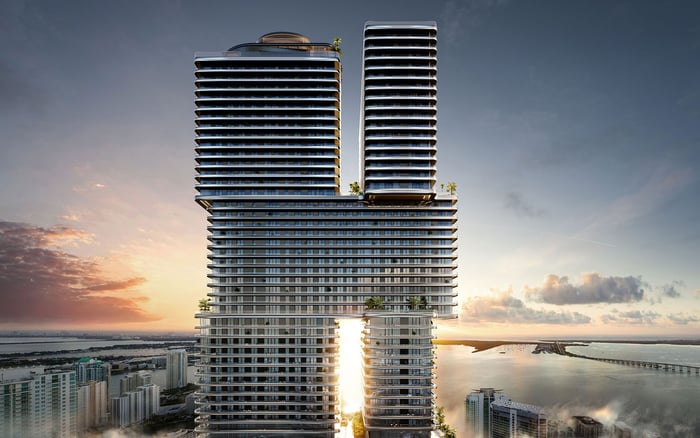
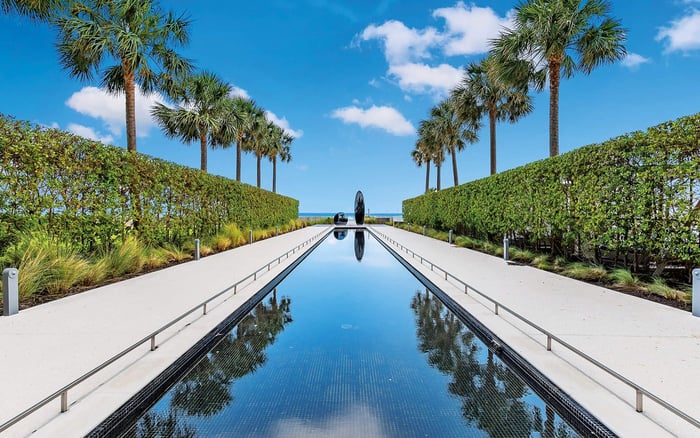
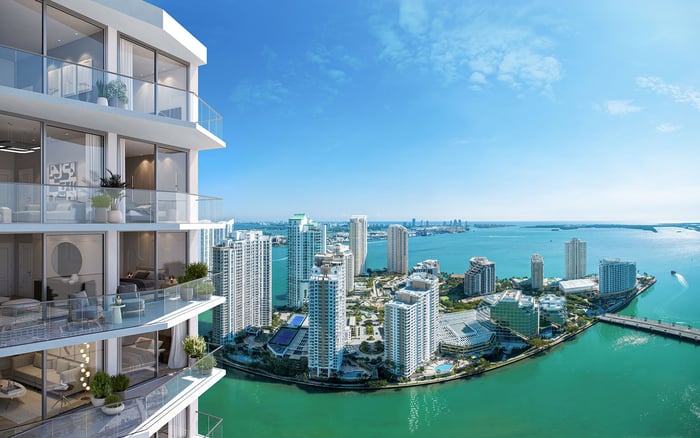
A buyer-focused editorial on the still-speculative 619 Residences idea, viewed through the lens of architectural calm, hospitality restraint, cultural access, and South Florida due diligence.
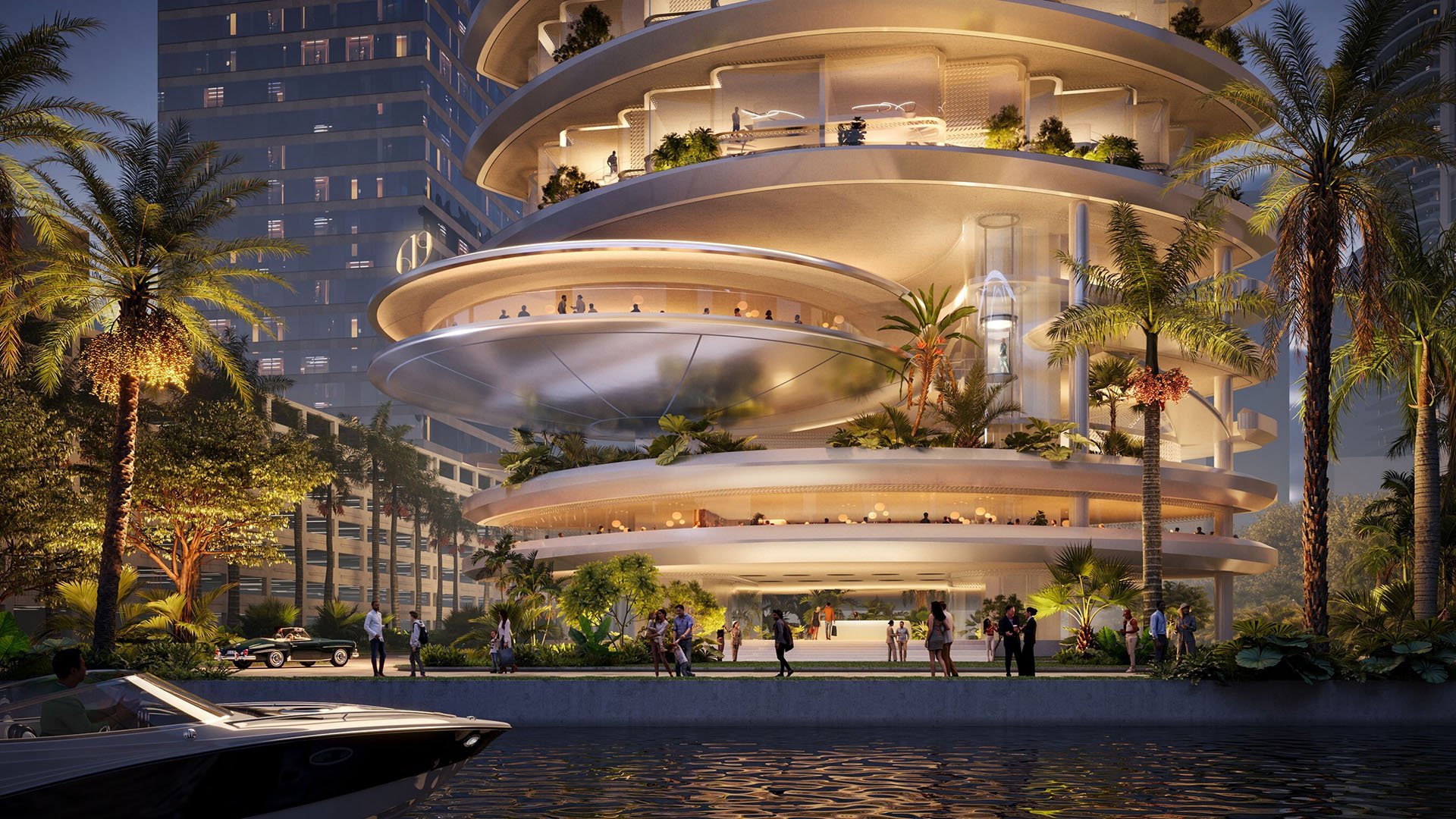
For South Florida’s most selective buyers, the old equation of luxury has become too simple. A water view, a recognizable brand, and a private elevator no longer define a truly compelling residence on their own. The deeper question is experiential: can a home feel composed, quiet, and protected while remaining close to the cultural gravity that makes Miami and its neighboring markets so magnetic?
That is the buyer psychology behind the conversation around 619 Residences by Foster + Partners and Nobu Hospitality. The title alone suggests an intersection of architectural seriousness and hospitality fluency, a pairing that would naturally attract buyers who want more than spectacle. Yet until formal project details are publicly established, the prudent approach is to treat 619 Residences as a concept to be evaluated, not a finished market fact.
In practical terms, that makes the topic more useful, not less. It allows buyers to ask the right questions before the usual frenzy begins. What kind of privacy would matter most? How should service be calibrated so it feels gracious rather than performative? How close can a residence sit to dining, galleries, performance, and design districts while still preserving the feeling of a retreat?
Foster + Partners carries an architectural association with precision, proportion, and large-scale urban thinking. In a residential context, that authorship can matter because luxury buyers increasingly read buildings as long-term design assets. They want structural clarity, disciplined light, intentional views, and arrival sequences that do not age into theatrical excess.
A Foster + Partners residence, if realized in South Florida under the 619 Residences idea, would be judged by how calmly it handles intensity. Miami’s best addresses are rarely passive. They contend with sun, movement, water, traffic, art fairs, restaurants, seasonal arrivals, and international ownership patterns. The more culturally connected the setting, the more the architecture must protect the private life inside.
For buyers, the point is not simply the name on the façade. It is whether the plan supports real daily elegance. Does the elevator arrival feel discreet? Are living spaces shielded from noise? Is natural light generous but controlled? Can the building create a sense of sanctuary without becoming isolated from the city around it?
Nobu Hospitality introduces a different but complementary vocabulary. The brand is associated with refined service, dining culture, and a mood of understated global familiarity. In a residential setting, that can translate into an expectation of ease: a lobby that feels staffed but not crowded, amenities that feel useful rather than ornamental, and food and beverage experiences that are curated without overwhelming the home.
The best hospitality-branded residences succeed when the brand enhances private life rather than replacing it. Ultra-premium buyers do not want to feel as if they are living in a hotel corridor. They want recognition, discretion, and continuity. They want a building team that remembers preferences without creating social exposure. They want amenities that help them live better, not simply photograph better.
That distinction is especially important in a market where branded residences have become part of the luxury language. The strongest projects are not those with the loudest identity. They are the ones where architecture, service, and location work together so naturally that ownership feels effortless.
The buyer implied by 619 Residences is not necessarily seeking nightlife at the doorstep. More often, this buyer wants cultural access on demand. That may mean proximity to galleries, performance venues, restaurants, private clubs, design showrooms, museums, or seasonal events. It can also mean an address that makes it easy to participate in Miami’s calendar without living inside its volume.
This distinction is central. A culturally engaged buyer may want Art Basel season within reach, but not in the living room. They may appreciate Downtown momentum, but still want the residence itself to decompress the day. They may compare Brickell convenience with quieter enclaves, or weigh Miami Beach glamour against the need for a more residential rhythm.
In market shorthand, the conversation touches New Project, Pre-construction, Brickell, Downtown, Miami Beach, Boutique, and Art Basel sensibilities. But the true filter is personal. Some buyers prioritize walking access. Others prefer a short chauffeured transfer and stronger privacy. Some want a building with a social pulse. Others want the option to disappear.
When a concept carries prominent names, buyers can be tempted to move emotionally before the fundamentals are clear. The better approach is to separate the romance of the idea from the discipline of acquisition.
Before treating any residence as a serious purchase candidate, buyers should understand whether the project has defined entitlements, a confirmed site, final design direction, ownership structure, service model, and sales documentation. They should also examine how the brand relationship functions. Is the hospitality component central to daily life, or primarily aesthetic? What services are included? What services are à la carte? How is privacy governed? How are residences separated from any public-facing components, if such components exist?
The location question deserves equal care. “Near cultural energy” can mean many things in South Florida. It can mean immediate urban access, a bridge-connected lifestyle, a waterfront retreat close to the action, or a quieter residential neighborhood with strong reach into the city. Each version creates a different ownership experience.
For international and second-home buyers, the operating model is just as important as the architecture. A residence may be used intensely for several months, lightly throughout the year, or held as a long-term family asset. In each case, staffing, maintenance, security, package handling, private storage, parking, and guest protocols can determine whether the ownership experience feels seamless.
The most compelling version of 619 Residences would not need to announce itself loudly. It would understand that the next phase of South Florida luxury is increasingly about control: control of light, movement, sound, service, access, and visibility. Buyers who already have exposure to major global cities often recognize this immediately. They are not buying a postcard. They are buying a private operating system for a more fluid life.
Quiet luxury in this context does not mean minimalism for its own sake. It means fewer points of friction. It means a building that anticipates how owners actually live: morning wellness, private calls, art placement, evening entertaining, family visits, seasonal wardrobes, trusted staff, and the occasional high-profile guest who should be able to arrive without drama.
That is why the Foster + Partners and Nobu Hospitality combination is intriguing as an idea. One side suggests architectural composure. The other suggests service literacy. If those qualities were executed with restraint, the result could appeal to buyers who want cultural proximity without surrendering residential calm.
For now, the smartest position is watchful, informed, and unsentimental. Buyers should define their non-negotiables before any sales environment begins shaping the conversation. Desired exposure, floor height, bedroom count, outdoor space, service expectations, parking needs, pet considerations, and privacy thresholds should be written down in advance.
They should also compare the concept against existing ownership patterns. If a buyer’s current residence already provides serenity, the new purchase must offer a meaningful cultural advantage. If the buyer already lives in the center of the action, the new residence must provide a more composed alternative. The best acquisition is not the most talked-about one. It is the one that improves daily life with the least compromise.
In South Florida, that often means choosing the right tension: close but not consumed, serviced but not staged, architectural but still warm. If 619 Residences ultimately arrives with the substance its name implies, it will be measured against that standard.
Is 619 Residences a confirmed South Florida project? Buyers should treat it cautiously until formal project details are available and independently reviewed.
Why are Foster + Partners and Nobu Hospitality important to buyers? Together, the names suggest a potential blend of architectural discipline and hospitality-driven residential service.
What type of buyer would be drawn to this concept? It would likely appeal to buyers who want privacy, refined service, and access to cultural energy without constant noise.
Should buyers focus on the brand first? No. Brand value matters, but site, design, governance, service costs, and privacy should drive the decision.
What does residential calm mean in this context? It means a home that feels protected, quiet, and effortless even when located near active cultural districts.
How should buyers evaluate a hospitality-branded residence? They should study which services are included, which are optional, and how the building separates private life from public activity.
Is proximity to culture always an advantage? Only if the residence preserves comfort, privacy, and access control while keeping cultural destinations convenient.
What should second-home buyers prioritize? They should focus on maintenance, security, owner services, storage, parking, and ease of arrival between visits.
Could this concept suit a primary residence? Yes, if the final design and operations support daily living rather than only occasional resort-style use.
What is the best next step for interested buyers? Define your requirements early and wait for verified project details before making any financial commitment.
To compare the best-fit options with clarity, connect with MILLION.
If branded residences are on your mind — as a home or as an allocation — we would be glad to share what we are seeing, privately.
Begin a quiet conversation