A luxury condo’s management culture can shape the real ownership experience long after the finishes have made their first impression. Before closing, buyers should test communication speed, clarity, documentation quality, and follow-through with the same seriousness they apply to views, amenities, and floor plans.

In South Florida luxury real estate, buyers are trained to read the visible signals: views, ceiling heights, private elevators, parking, wellness programming, marina access, and the tactile quality of stone, wood, glass, and hardware. Yet one of the most consequential indicators of future satisfaction is often hidden in plain sight: how management responds before closing.
A beautiful residence can still become a frustrating asset if questions take days to answer, documents arrive incomplete, maintenance issues linger, or building leadership treats communication as an inconvenience. Responsiveness is not merely a service preference. In a condominium or branded residential environment, it can shape confidence, continuity, and the owner’s perception of value.
For a buyer comparing Brickell, Miami Beach, Sunny Isles, Bay Harbor Islands, or Fort Lauderdale, management culture deserves the same scrutiny as the architecture. A polished sales gallery may reveal the promise of a lifestyle. The response time of the association, property manager, developer team, or concierge structure may reveal how that lifestyle actually feels once the closing documents are signed.
The hidden cost of poor responsiveness is rarely a single line item. It accumulates through friction. A delayed answer on move-in rules can disrupt logistics. A vague reply on repair responsibility can create tension between an owner and the building. Slow handling of access requests can complicate staffing, deliveries, guest arrivals, or seasonal occupancy.
In the luxury segment, time is part of the purchase. Owners often hold multiple properties, travel frequently, and expect precision from the environments they choose. When management is difficult to reach, the residence begins to demand attention instead of providing ease. That shift is subtle at first, then costly in emotional bandwidth.
The same principle applies to Resale. Future buyers and their advisors often sense whether a building is organized. Clean records, clear policies, and prompt communication can make a transaction feel orderly. Confusion, silence, or inconsistent answers can create doubt, even when the residence itself is exceptional.
Before closing, every interaction is a test. Notice whether responses are prompt, complete, and specific. A quick but vague answer is not the same as a useful one. A delayed but thoughtful answer may still be acceptable if the team explains what is being checked and when to expect a reply.
Ask practical questions. How are service requests submitted? Who confirms completion? How are after-hours issues handled? What is the procedure for contractors, designers, domestic staff, pet access, package delivery, elevator reservations, and guest registration? In a primary residence, these details shape daily life. In a second home, they can matter even more because the owner may not be present to supervise.
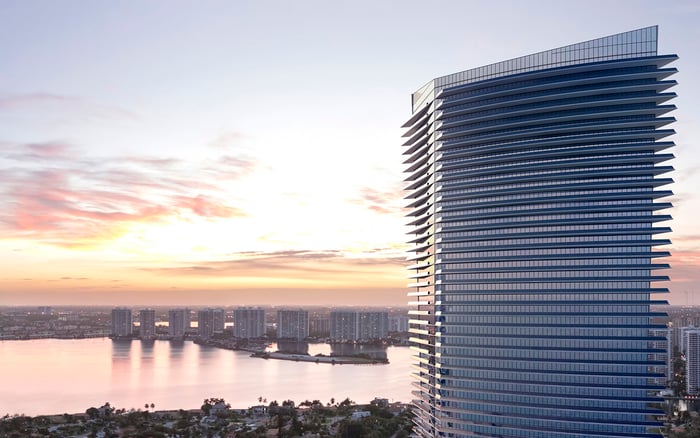
New-construction buyers should be especially attentive to the handoff between sales promise and building operation. At developments such as The Residences at 1428 Brickell, the buyer’s evaluation naturally includes design, skyline presence, and amenity ambition. It should also include the practical question of how communication will function once the building is occupied and routines replace renderings.
Most buildings can appear attentive during a tour. The real measure is how they handle inconvenience. A thoughtful management team does not need every answer instantly, but it should have a process. It acknowledges receipt. It assigns responsibility. It follows up. It documents.
This matters in coastal markets, where buildings are complex physical assets. Elevators, glazing, pools, garages, loading docks, security systems, mechanical spaces, landscaping, and waterfront conditions all require coordination. Owners do not need to become engineers, but they do need confidence that management can translate issues into action.
In Miami Beach, where buyers often weigh architecture, privacy, and a highly curated coastal setting, a residence such as The Perigon Miami Beach illustrates the kind of market where expectations are exacting. The more refined the property, the less tolerance there is for operational ambiguity.
Management responsiveness also reflects governance. A building with clear communication usually has clearer internal discipline. It understands approvals, notices, budgets, scheduling, vendor coordination, and owner relations. This does not mean every request is granted. In a well-run luxury building, the answer may be no, but it should be timely, reasoned, and grounded in policy.
Buyers should review minutes, budgets, rules, maintenance policies, insurance-related communication, and any available association materials with professional guidance. The objective is not to find perfection. It is to understand whether the building behaves like a serious institution. Luxury ownership depends on taste, but it also depends on administration.
Investment-minded buyers should be particularly careful. If a residence may eventually be leased, held seasonally, or sold into a competitive market, operational reputation matters. A buyer may fall in love with a view, but a future purchaser will also notice whether the building can answer questions cleanly during diligence.
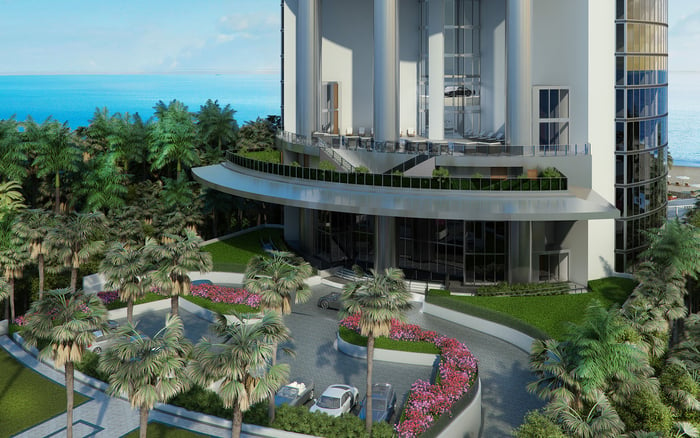
Branded and ultra-luxury residences raise the stakes because the buyer is not only purchasing space. The buyer is purchasing trust in a standard. At properties such as Bentley Residences Sunny Isles, the brand narrative intensifies expectations around privacy, service, arrival sequence, and owner experience. The management platform must be capable of sustaining that expectation long after the novelty fades.
The same is true in quieter boutique settings. Bay Harbor Islands buyers, for example, may prioritize scale, discretion, and a more residential rhythm. At The Well Bay Harbor Islands, the wellness positioning invites a lifestyle lens, but buyers should still ask how requests, access, maintenance, and communication will be handled in ordinary weeks.
In other words, the building’s promise and its management behavior should speak the same language.
Before closing, send a set of specific written questions and track how the building responds. Ask who owns each category of inquiry. Ask how urgent issues are escalated. Ask how residents receive notices. Ask whether there is a portal, concierge desk, manager, board contact, or third-party protocol. Ask how move-ins are scheduled and what happens when vendors miss windows.
Then study the tone. Luxury management is not performative warmth. It is composure, accuracy, and follow-through. The best teams make ownership feel lighter. They understand that affluent buyers are not seeking constant attention. They are seeking dependable attention when it matters.
If the answers before closing are slow, incomplete, defensive, or inconsistent, do not assume the experience will improve after funds are wired. Sometimes it does. Often, the pre-closing pattern is the most honest preview you will receive.
Why does management responsiveness matter before closing? It gives buyers a preview of how the building may handle access, repairs, approvals, notices, and daily ownership after closing.
Is a slow response always a red flag? Not always. A delayed but complete answer can be acceptable, while a fast but vague answer may reveal weak internal coordination.
What should buyers ask management before closing? Ask about service requests, after-hours coverage, move-in rules, vendor access, guest procedures, package handling, and communication channels.
Can responsiveness affect Resale confidence? Yes. Organized communication can make future diligence feel smoother, while poor communication can create hesitation around an otherwise desirable residence.
Does this matter more in New-construction buildings? It can, because buyers are evaluating not only the finished residence but also the transition from sales presentation to daily building operations.
How does this affect Investment thinking? A well-managed building may reduce ownership friction for seasonal use, leasing plans, or eventual resale positioning.
Should buyers rely on concierge impressions alone? No. Concierge polish is important, but buyers should also test documentation, escalation procedures, and management follow-through.
What if the residence is exceptional but management feels weak? The buyer should weigh whether the location, floor plan, and pricing compensate for the operational risk and daily inconvenience.
Can a building improve its responsiveness over time? Yes, but buyers should base decisions on current evidence, not assumptions about future management changes.
What is the best way to shortlist comparable options for touring? Start with location fit, delivery status, and daily lifestyle priorities, then compare stacks and elevations to validate views and privacy.
For a tailored shortlist and next-step guidance, connect with MILLION.
If branded residences are on your mind — as a home or as an allocation — we would be glad to share what we are seeing, privately.
Begin a quiet conversation