A buyer-focused analysis of how building culture, board posture, resident expectations, and contract cleanliness can influence cash-buyer leverage between Miami Beach and Palm Beach luxury residences.
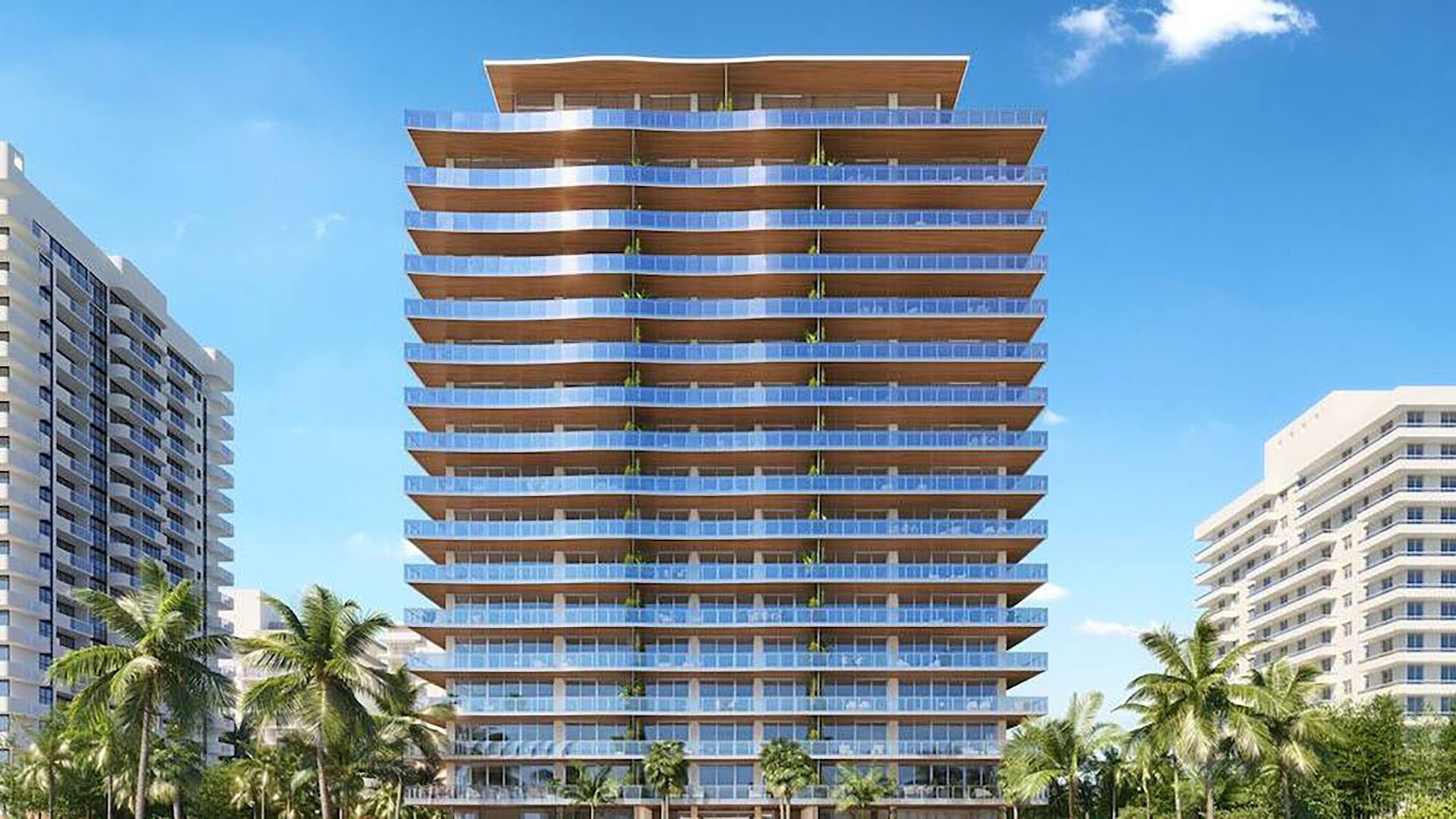
For cash buyers comparing 57 Ocean Miami Beach and Palm Beach Residences, the central question is not always whether the residence is desirable. It is whether the building behaves in a way that supports the buyer’s intended ownership life. In South Florida’s uppermost tier, price is visible. Culture is quieter, but it can shape leverage, closing risk, and the concessions realistically available before contract.
Building culture is the operating personality of a condominium or private residential community. It shows up in the pace of board responses, the tone of resident expectations, the treatment of renovations, the attitude toward privacy, and the informal consensus around appropriate ownership. Cash buyers often assume liquidity gives them universal advantage. It does not. In elite buildings, certainty is powerful only when paired with discretion, clean documentation, and an offer structure that respects the building’s norms.
A Miami Beach oceanfront buyer may be underwriting lifestyle access, wellness, design, and proximity to the water. A Palm Beach buyer may be weighing social cadence, privacy, and a more club-like rhythm. Those differences do not create a better or worse market. They create different sources of leverage.
Cash is most persuasive when it removes uncertainty for the seller. Without financing contingencies, appraisal delays, or lender approval cycles, a buyer can offer a cleaner path to closing. That advantage is especially meaningful when a seller values timing, privacy, or a controlled transition.
Yet cash is not a substitute for preparation. A buyer who arrives with proof of funds, a vetted closing team, and a clear plan for deposits, inspections, and condominium review is more credible than one who simply claims the ability to close quickly. In buildings where residents expect orderly transactions, the manner of the offer can matter almost as much as the number.
The strongest cash position is usually calm, not aggressive. It frames certainty as a benefit to the seller while avoiding unnecessary friction with the association, management, or neighbors. In negotiations around 57 Ocean Miami Beach Miami Beach or Palm Beach Residences, that distinction can determine whether the seller views the buyer as a preferred counterparty or merely another bidder.
Leverage often begins with motivation, but culture determines how that motivation can be used. In a building where privacy is highly valued, a seller may respond well to a buyer who limits showings, reduces public exposure, and avoids dramatic renegotiation. In a building with a more design-forward identity, a buyer may gain insight by understanding renovation tolerance, contractor rules, and the practical limits of personalization.
A cash buyer should study four cultural signals before making a final offer. First, how formal is the approval process? Second, how quickly do documents and responses move? Third, what is the building’s attitude toward visible construction, deliveries, and staff coordination? Fourth, are residents primarily full-time owners, seasonal users, or second-home families with different expectations around quiet enjoyment?
These signals are not gossip. They are transaction risk indicators. A residence can be beautiful and still carry operational friction that affects closing confidence. Conversely, a building with disciplined procedures can justify firmer pricing because the ownership experience feels more predictable.
For underwriting discipline, this remains a Miami Beach and oceanfront discussion with boutique, investment, and second-home considerations around 57 Ocean Miami Beach and Palm Beach Residences. Those labels are useful only when they lead to a sharper question: how will this building actually function once the deed changes hands?
In ultra-prime condominium transactions, closing risk can emerge from issues that have little to do with the buyer’s balance sheet. Association document review, approval timing, deposit structure, inspection expectations, title matters, insurance questions, and the treatment of personal property can all affect certainty. Even when the buyer intends to close without debt, the deal still needs choreography.
A disciplined buyer should separate hard risk from soft risk. Hard risk includes matters that could impair title, delay approval, or materially change the economics of ownership. Soft risk includes discomfort with rules, staff protocols, guest policies, renovation timelines, or seasonal congestion. Both matter, but they should not be negotiated in the same way.
Hard risk may justify price adjustment, escrow language, or a specific seller cure. Soft risk may justify timing flexibility, included furnishings, storage arrangements, parking clarification, or a longer post-closing transition. The mistake is treating every concern as a reason to cut price. In refined buildings, that approach can make a buyer appear unserious.
Cash buyers often ask where they can negotiate without weakening their position. The answer is usually in terms that solve a seller’s problem while protecting the buyer’s basis. Closing date, deposit timing, inspection scope, assignment limits, furniture inclusion, art and lighting exclusions, storage, parking, club-related introductions where applicable, and post-closing occupancy can all become part of a sophisticated offer.
Price is only one concession. In many luxury transactions, the more elegant concession is certainty. A seller may accept a cleaner number if the buyer minimizes contingencies, respects confidentiality, and demonstrates that the condominium review will be handled promptly. A buyer may accept a firmer price if the seller delivers a turn-key handoff, resolves open items, or agrees to a timeline that matches the buyer’s seasonal plans.
For 57 Ocean Miami Beach, the buyer conversation may center on the daily rhythm of oceanfront living and the operational ease of arriving, hosting, and leaving without disruption. For Palm Beach Residences, it may center on privacy, social fit, and whether the building’s norms align with the buyer’s desired pace. The negotiation should reflect the life being purchased, not simply the square footage.
Miami Beach often rewards fluency in design, amenity use, and international buyer expectations. The market’s energy can create urgency, but it can also make disciplined terms stand out. A buyer who understands building etiquette, submits a concise offer, and avoids theatrical negotiation may gain credibility quickly.
Palm Beach, by contrast, often places a premium on discretion and compatibility. Buyers should be sensitive to tone, timing, and how requests are framed. A concession that sounds ordinary in one market may feel inelegant in another. The buyer’s representative should know when to press and when to preserve goodwill.
This is where cultural underwriting becomes a practical advantage. It helps a buyer decide whether to lead with speed, certainty, flexibility, or a carefully justified adjustment. The right strategy depends less on market slogans and more on the seller’s priorities and the building’s temperament.
Before submitting a cash offer, a buyer should ask for the documents and disclosures that define both economics and experience. The review should include association rules, current budget materials where available, application requirements, renovation procedures, move-in protocols, insurance responsibilities, and any restrictions that could affect use.
The buyer should also decide which concessions are essential and which are optional. Essential items belong in the initial structure. Optional items can be reserved for inspection or document review. This keeps the offer clean and avoids the appearance of a buyer negotiating by accumulation.
Most importantly, the buyer should establish a walk-away thesis before emotion rises. If the building culture is misaligned, cash does not fix the problem. If the culture is aligned, paying a defensible premium may be wiser than winning a discount in the wrong building.
Why does building culture matter to a cash buyer? It affects approval timing, resident expectations, renovation tolerance, and how smoothly a transaction can close.
Does cash always create stronger leverage? Cash helps most when paired with clean terms, proof of funds, and a disciplined closing plan.
What is the biggest closing risk in a luxury condominium? The biggest risk is often procedural friction, including document review, association timing, and unresolved seller obligations.
Should buyers negotiate price first or terms first? Buyers should understand the seller’s priority first, then decide whether price, timing, or certainty creates the strongest offer.
Are concessions common in premium buildings? They can be, but they are often structured around timing, furnishings, deposits, parking, storage, or occupancy rather than headline price.
How should a buyer compare Miami Beach and Palm Beach culture? Miami Beach may emphasize design and amenity rhythm, while Palm Beach may place greater weight on discretion and social fit.
Can a strong offer still fail in a desirable building? Yes. Poor preparation, unclear funds, excessive contingencies, or tone-deaf requests can weaken even a high cash offer.
What should be reviewed before contract? Rules, budgets where available, application requirements, renovation procedures, insurance obligations, and move-in protocols should be reviewed.
Is a quick closing always better for the seller? Not always. Some sellers value timing flexibility, privacy, or a coordinated move more than the fastest possible closing.
What is the best buyer strategy for 57 Ocean Miami Beach and Palm Beach Residences? The best strategy is to match cash certainty with cultural fluency, precise terms, and a clear understanding of how the building operates.
For a tailored shortlist and next-step guidance, connect with MILLION.
If branded residences are on your mind — as a home or as an allocation — we would be glad to share what we are seeing, privately.
Begin a quiet conversation