
A buyer-focused look at how global sporting attention may influence luxury rental strategy, underwriting discipline, and neighborhood selection across Miami-Dade.
The 2026 FIFA World Cup arrives as a cultural catalyst, not a simple rental event. For Miami-Dade’s luxury real estate audience, the sharper question is not whether a brief surge in visitor attention can lift nightly pricing. It is whether international visibility strengthens the county’s deeper rental appeal after the tournament glow fades.
That distinction matters. A trophy residence purchased for yield alone can disappoint if the underwriting depends on exceptional weeks. A more resilient acquisition begins with the long arc of demand: executive relocation, second-home trial periods, family transitions, seasonal stays, private school calendars, medical and wellness travel, and the growing preference for turnkey residences that feel personal rather than hotel-like.
In this context, investment strategy should treat the World Cup as one layer in a larger Miami-Dade narrative. The event may introduce new visitors to neighborhoods they previously knew only by reputation. The legacy opportunity is to own property that remains desirable when attention normalizes.
Luxury rental yield is often reduced to a single number, but the real analysis is more nuanced. Gross income can look compelling when seasonal rates are strong. Net performance is shaped by vacancy, furnishings, insurance, association costs, property management, maintenance, taxes, financing structure and the owner’s personal-use calendar.
For a buyer who plans to occupy the residence during peak winter months, long-term rentals may provide a cleaner strategy than a flexible calendar that sacrifices the most valuable weeks. For an owner who will not use the property personally, a professionally managed furnished lease can create simplicity, especially in buildings where residents expect privacy and consistency.
Short-term rentals require a different lens. Rules vary by municipality, building, association and use pattern. Even where they are permitted, the luxury buyer must assess wear, staff expectations, guest screening, elevator access, amenity protection and neighbor tolerance. In ultra-premium towers, the building’s culture can matter as much as the legal framework.
Rent is therefore not merely an income line. It is a compatibility test between asset, governance and owner intention.
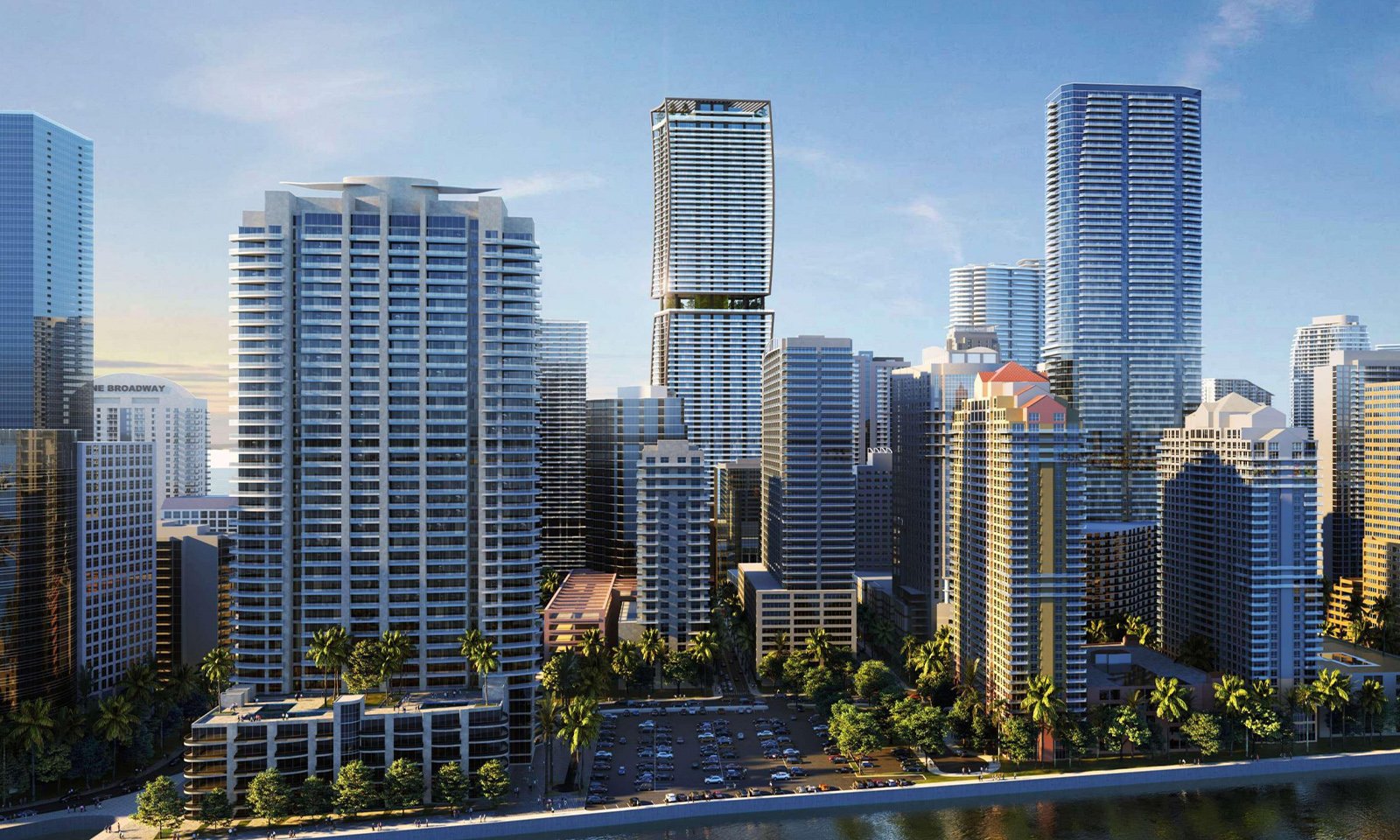
Brickell remains the most legible rental market for many global investors because its audience is broad and practical. Finance, legal, technology, family office and hospitality-adjacent tenants often prefer walkability, services, valet ease and immediate access to dining. That depth can help reduce reliance on a single tenant profile.
For buyers evaluating new construction in this corridor, the question is how design, services and association policies will translate into repeat tenant demand. Cipriani Residences Brickell speaks to the appetite for hospitality-led living, while The Residences at 1428 Brickell reflects the continued elevation of residential expectations in the district.
World Cup-related attention may bring new international eyes to Brickell, but the strongest case for ownership is not event compression. It is liquidity. A well-positioned Brickell residence can appeal to tenants who need Miami as a base, buyers who want a globally understood address, and owners who value exit optionality.
Edgewater and Downtown attract buyers who want waterfront energy without a traditional resort profile. Their rental audiences can include executives, creative professionals, relocating families testing Miami, and seasonal residents who prefer views and access over sand underfoot.
Projects such as Aria Reserve Miami position Edgewater around water, height and amenity density. In nearby Downtown, Waldorf Astoria Residences Downtown Miami illustrates how branded vertical living continues to shape buyer expectations for service, architecture and global recognition.
For investors, these neighborhoods reward careful stack selection. Views, exposure, floor height, parking, elevator experience and amenity access can influence leasing velocity. A tenant paying a premium will compare not only square footage, but arrival sequence, light, privacy and how the home photographs before a showing.
The World Cup may encourage temporary discovery of these urban districts. The legacy question is whether that discovery becomes relocation interest, repeat seasonal demand or future resale confidence.
Miami Beach has a different rhythm. It is less about corporate convenience and more about lifestyle identity: beach access, architecture, wellness, dining, privacy and social cachet. That can support strong tenant interest, but it also demands sharper governance review.
A residence such as The Perigon Miami Beach belongs in conversations where design, beachfront positioning and exclusivity shape perceived value. Yet even the most compelling building must be evaluated through rental rules, minimum lease periods, pet policies, service standards, renovation procedures and owner occupancy patterns.
Miami Beach investors should avoid assuming that global attention automatically converts into frictionless yield. The best assets often protect their value through selectivity. In some cases, tighter rental policies can support the residential atmosphere that future buyers value most.
The most persuasive luxury rental investments in Miami-Dade tend to share several qualities. They are easy to understand, difficult to replace and aligned with a tenant’s emotional reasons for choosing Miami. A panoramic view, a meaningful terrace, true service culture, secure parking, flexible living space and a quiet primary suite can all support premium positioning.
Buyers should also model a conservative base case before assigning any value to World Cup exposure. What happens if the residence leases at ordinary seasonal levels? What if the owner wants to use it during the best weeks? What if association rules change, insurance costs rise, or management fees increase? Sensible underwriting does not eliminate upside. It prevents upside from becoming the entire thesis.
Furnishings deserve special attention. In the luxury segment, tenants often expect a residence that is complete, edited and durable. Overly personal interiors can narrow demand. Generic packages can feel cold. The ideal rental residence has the restraint of a private home and the practicality of a managed asset.
For Miami-Dade, the strongest World Cup legacy may be reputational. Global visitors may experience the county not only as a vacation setting, but as a place where capital, culture, design and lifestyle intersect. That is why luxury rental strategy should remain discreet and disciplined.
The owner who buys only for a tournament window is speculating on timing. The owner who buys a residence that international tenants and future buyers will continue to understand is investing in continuity. In prime Miami-Dade, continuity is often the more elegant form of yield.
Should a World Cup year change my Miami-Dade buying strategy? It may sharpen timing, but it should not replace normal underwriting. Focus on durable demand, building rules and exit value.
Are luxury rental yields guaranteed to improve after the tournament? No. Event visibility can help awareness, but yield depends on pricing, vacancy, costs, governance and tenant quality.
Is Brickell a strong rental location for luxury investors? Brickell can be compelling because it combines global recognition, services and a broad tenant base. Individual building rules still matter.
Should I favor short-term rentals or long-term rentals? The better choice depends on local rules, building policy, management tolerance and your own use calendar. Simplicity often has value.
How important is furnishing for premium rent performance? Very important. Luxury tenants often expect interiors that feel turnkey, durable and refined without being overly personal.
Can new construction improve rental appeal? New construction can attract tenants seeking modern amenities and fresh design. Buyers should still review costs, delivery risk and policies.
Does Miami Beach behave differently from Brickell? Yes. Miami Beach is more lifestyle-led, while Brickell is often more urban and business-oriented. Both require building-specific analysis.
What is the biggest underwriting mistake? The main mistake is assuming exceptional weeks represent normal income. A conservative base case is essential.
Do branded residences always rent better? Branding can help recognition and service expectations, but it is not a substitute for location, layout, pricing and governance.
What should international buyers evaluate first? Start with intended use, legal structure, building rental rules, carrying costs and a realistic management plan.
When you're ready to tour or underwrite the options, connect with MILLION.
If branded residences are on your mind — as a home or as an allocation — we would be glad to share what we are seeing, privately.
Begin a quiet conversation
.jpg&width=700&height=438&fit=cover)