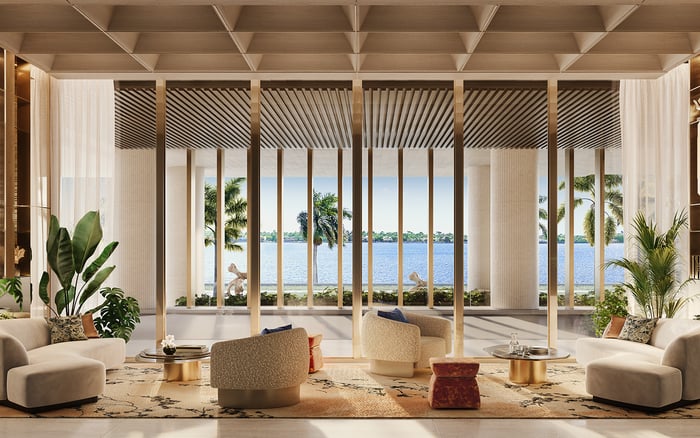
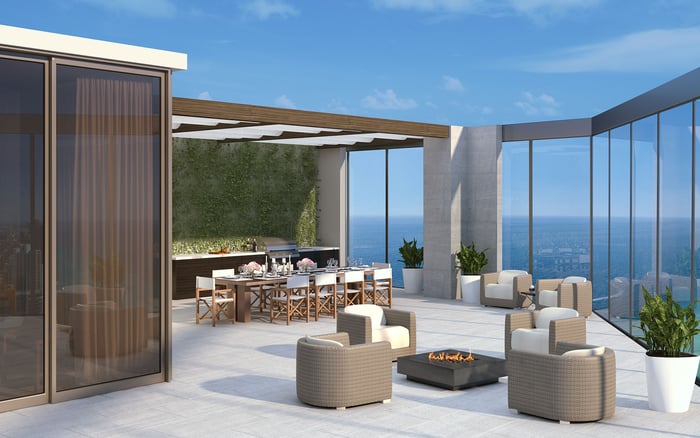
A buyer-focused framework for assessing Continuum Club & Residences in relation to bayfront value, residence-level views, ownership costs and development activity in North Bay Village.
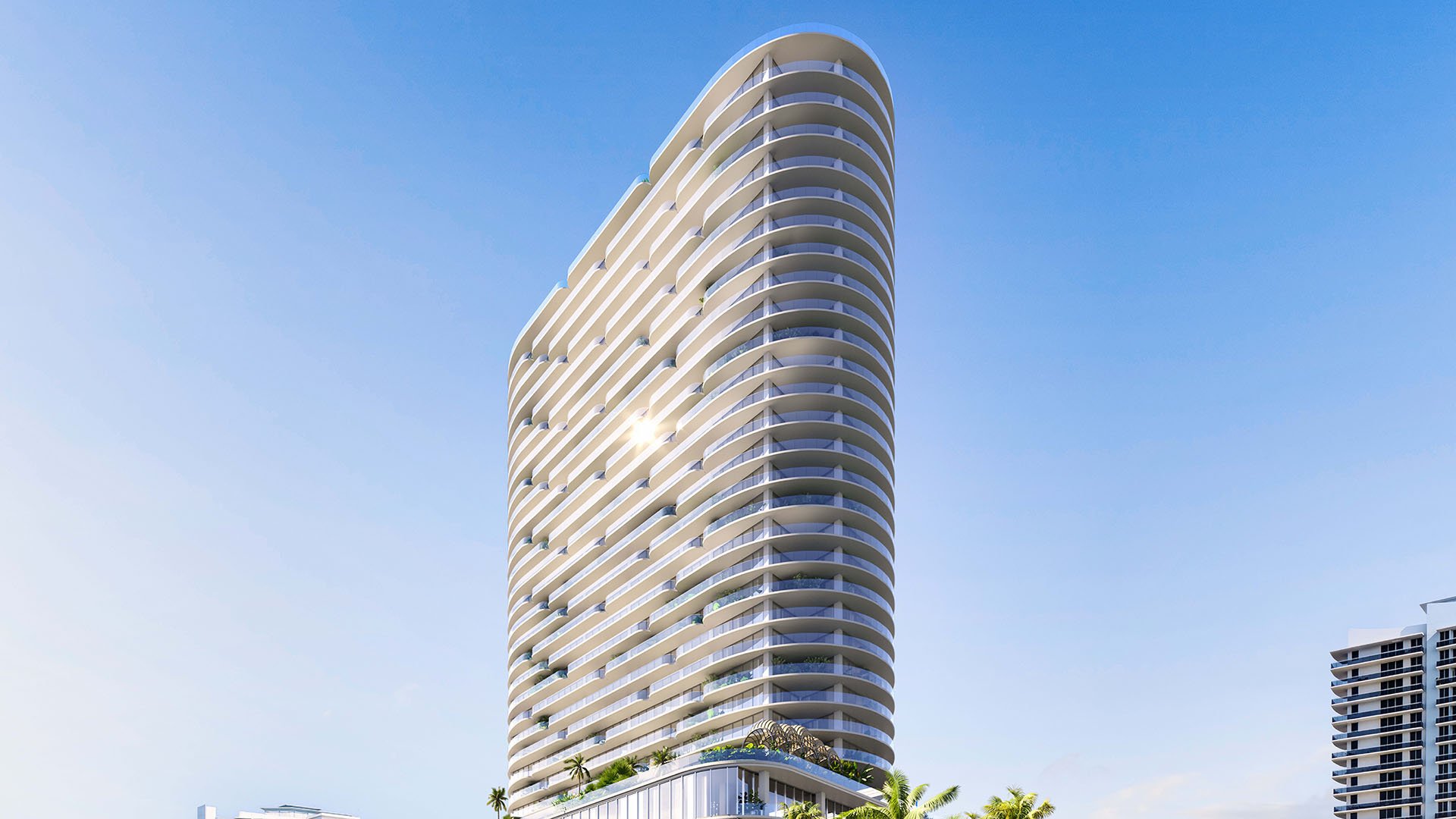
Buyers considering Continuum Club & Residences North Bay Village should begin with the qualities identified in the purchase brief rather than relying on project-level positioning alone. For a buyer prioritizing bayfront value, the central questions concern the exact residence, its outlook, the total cost of ownership and the surrounding development cycle.
North Bay Village should be assessed as a distinct South Florida location rather than as a substitute for every other waterfront market. A buyer can test whether its island setting and access patterns suit everyday routines, then compare that conclusion with alternatives in Miami Beach, Edgewater and Sunny Isles Beach.
The project may fit a buyer who accepts an evolving neighborhood in exchange for a new-development option. A purchaser seeking a fully established environment should weigh that preference carefully before proceeding.
In luxury real estate, value is not determined by acquisition price alone. A useful analysis combines residence specifications, orientation, view quality, carrying costs and the buyer’s intended holding period.
Comparisons should remain residence-specific. Continuum on South Beach can serve as a South of Fifth reference, while Aria Reserve Miami can inform an Edgewater search and Bentley Residences Sunny Isles can provide a Sunny Isles comparison. These projects are not interchangeable; each belongs to a different setting and should be evaluated through current project documents and exact-unit economics.
Buyers should also distinguish water frontage from the view experienced inside a residence. Orientation, stack position, floor height and the relationship between primary rooms and outdoor space can materially affect how a home feels. Any conclusion about value should therefore follow a review of the selected residence rather than a general impression of the building.
A bay-focused buyer should verify the residence’s precise orientation and evaluate the outlook from the rooms used most often. Floor plans and visual materials can support that review, but they should not replace project documents or residence-specific due diligence.
Potential changes in the surrounding area also deserve attention. Development activity may alter construction conditions, traffic patterns, privacy or sightlines. Buyers should investigate the parcels and approved or proposed work relevant to the selected residence without assuming that a current view will remain unchanged.
Light and exposure should be considered alongside the view itself. A full-time resident, seasonal owner and investment buyer may assign different importance to morning light, afternoon exposure, privacy and outdoor usability.
A neighborhood in a new-development cycle can offer both opportunity and uncertainty. New residential inventory may broaden the range of available homes, while active construction and changing surroundings can affect the ownership experience.
Shoma Bay North Bay Village provides another local reference for buyers comparing contemporary options within North Bay Village. The useful comparison is not which project is more visible, but how the available residences differ in orientation, layouts, outlook, documents and ownership costs.
The appropriate fit is buyer-specific. Continuum may warrant consideration from someone who prioritizes a new-development residence and accepts neighborhood change. It may be less suitable for a purchaser who requires established surroundings or depends on an unverified long-range view.
Begin with lifestyle. Map the South Florida destinations that matter during a typical week and test travel patterns at relevant times. The location should work for actual routines rather than appearing convenient only on a map.
Next, compare the exact residence with credible alternatives. Review current pricing, specifications, deposits, carrying costs and contractual terms using the applicable project materials and professional advisers. Avoid declaring relative value before those inputs are available and verified.
Finally, account for uncertainty. Consider how construction, future development and changing sightlines could affect personal use, resale appeal and holding costs. The purchase case is strongest when the buyer understands those trade-offs and finds them acceptable.
What should buyers evaluate first at Continuum Club & Residences? Start with the exact residence, including its orientation, layout, view and total ownership costs.
How should bayfront value be measured? Compare acquisition terms, residence specifications, carrying costs and view quality rather than relying on price alone.
Why does orientation matter? Orientation can shape light, privacy and the outlook from primary living spaces.
Does floor height determine the quality of a residence? Not by itself. Floor height should be considered with stack position, exposure, layout and surrounding development.
Can future development affect sightlines? It may. Buyers should investigate nearby parcels and relevant development activity for the residence under consideration.
Which South Florida markets offer useful comparisons? Miami Beach, Edgewater and Sunny Isles Beach can provide context, although their waterfront settings are not interchangeable.
Why compare another North Bay Village project? A local comparison can clarify differences in residence mix, orientation, documents and ownership economics within the same area.
Who may be comfortable with an evolving neighborhood? A buyer who accepts construction activity and changing surroundings may be better aligned with a new-development cycle.
What should a seasonal buyer prioritize? A seasonal buyer should consider travel routines, exposure, privacy, carrying costs and how the residence will be managed when unoccupied.
What documents should be reviewed before a decision? Buyers should review the applicable project and contract materials with qualified legal, financial and real estate advisers.
For a confidential assessment and a building-by-building shortlist, connect with MILLION.
If branded residences are on your mind — as a home or as an allocation — we would be glad to share what we are seeing, privately.
Begin a quiet conversation