South Florida’s most competitive buyers are increasingly treating the penthouse as an asset class, not just an address. In 2026, that mindset could sharpen into record-setting top-floor outcomes as lifestyle, privacy, and building-by-building scarcity converge. The modern Penthouse buyer is underwriting view protection, elevator-to-residence discretion, outdoor livability, and service standards with the same rigor once reserved for estate compounds. Here is how to think about the next cycle, and how to evaluate top-floor opportunities across Miami-Dade, Broward, and Palm Beach.
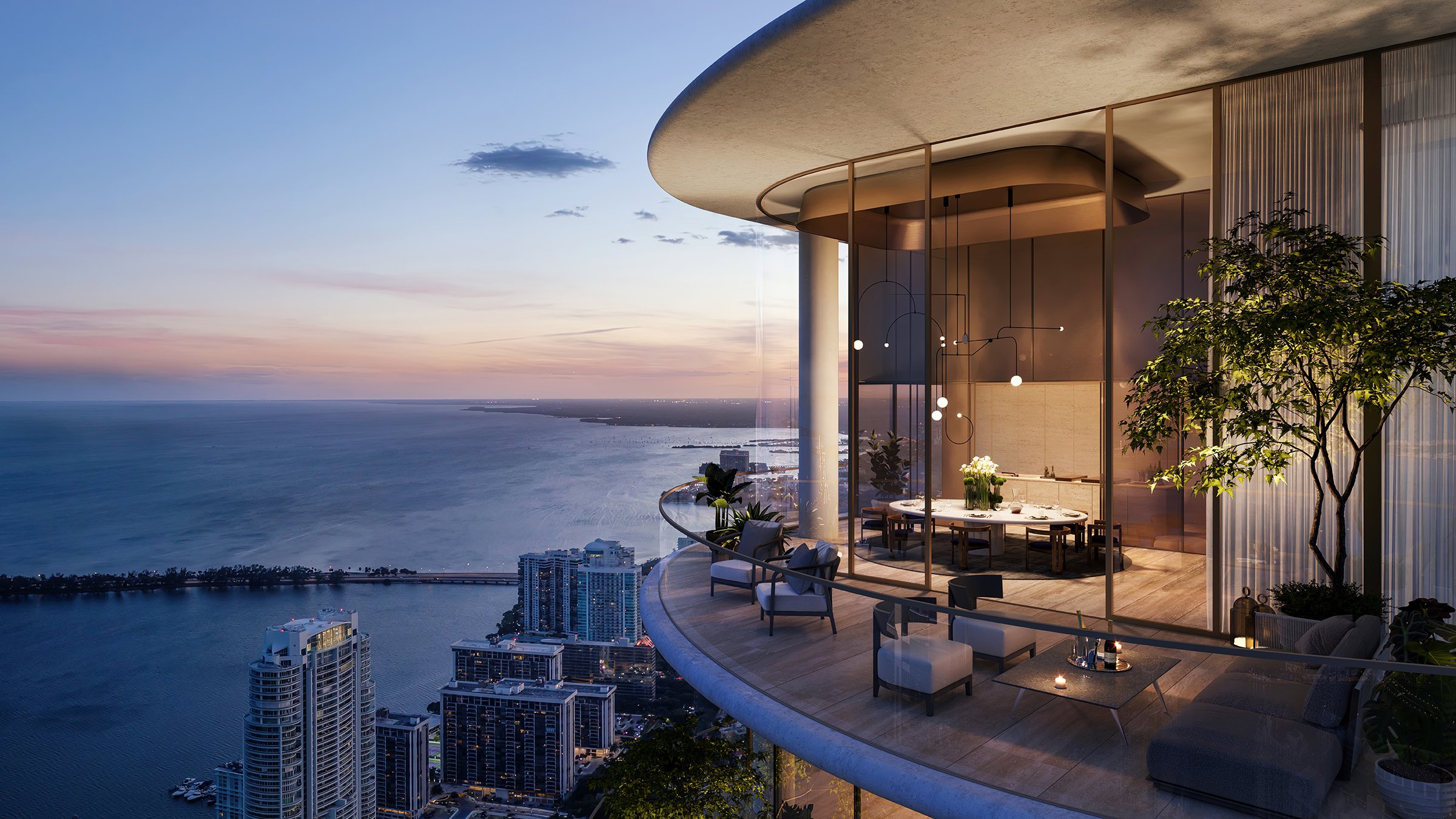
In South Florida, the top floor has always carried mythology. The next chapter, however, is less about spectacle and more about standards. Ultra-premium buyers are increasingly separating “highest priced” from “highest quality,” and that distinction is reshaping what earns the penthouse premium. The market is rewarding residences that operate like private villas in the sky, not simply larger versions of what sits below.
Today’s Penthouse decision often starts with a simple, practical test: will this home feel calmer, safer, and more protected than any realistic alternative, including a waterfront single-family residence? If the answer is yes, buyers accept the tradeoffs that come with vertical living. If the answer is no, deals often stall, regardless of square footage or finishes.
What has evolved is the definition of protection. It is not just altitude. It is the way a building manages access, how predictable the common areas feel, how discreet arrivals can be, and how consistently maintenance is handled. Buyers are evaluating top-floor living like a privately managed hospitality environment, even when the tower is not formally branded.
The luxury market also remembers. Buyers who toured during the last cycle arrive with more disciplined questions: construction details, sound transmission, the reality of owning a one-of-one layout, and what it costs to keep a complex residence running smoothly. For sellers and developers, that scrutiny is an advantage when the product is truly differentiated. The right penthouse does not need a loud narrative. It simply needs to perform.
It is tempting to assign penthouse demand to a single catalyst, but top-floor momentum is usually a layered outcome. Lifestyle preference, wealth mobility, and the psychology of scarcity all converge at the very top of the market.
First, scarcity is structural. Even in a skyline defined by cranes, there are only so many true penthouses. Many towers offer one top-floor residence, or a small collection of singular layouts that cannot be replicated once the building is complete. When a buyer wants a specific combination of altitude, view, privacy, and outdoor space, there may be no substitute, even within the same neighborhood.
Second, South Florida’s “live where you vacation” logic remains unusually persuasive. Miami and the surrounding coastal submarkets combine ocean, bay, and skyline views with dining, arts, and year-round outdoor living. For global buyers who rotate between multiple homes, a penthouse can deliver lock-and-leave simplicity while still feeling like a destination.
Third, the market has matured. The buyer who once treated a penthouse as a trophy now expects a full-service residence that supports daily life. That means predictable staffing, a sophisticated security posture, careful management of deliveries, and policies that protect quiet enjoyment. The penthouse is becoming less of a headline and more of a standard.
Finally, 2026 may favor quality over volume. When buyers become more selective, the best homes can still produce standout outcomes because they compete in a thinner, higher-confidence segment. That is often where top-floor residences sit: purchased by people who can wait, and sold by people who do not have to compromise.
At the ultra-premium level, pricing is often more analytical than observers expect. Many buyers are not trying to “win” a negotiation. They are trying to avoid regret. Their underwriting is practical, even when the purchase is aspirational.
Key considerations often include:
Privacy and access: The most coveted penthouses reduce friction. Fewer neighbors passing the entry, clear protocols for guests, and a controlled elevator experience all matter. If a residence feels exposed to common circulation, the buyer may see it as a daily irritation rather than a privilege.
View protection: Height is only part of value. What matters is the durability of the view corridor. A panorama that could be meaningfully altered by future development will be underwritten differently than a view buffered by natural or planning constraints. Buyers frequently build a mental map of what can change and what likely cannot.
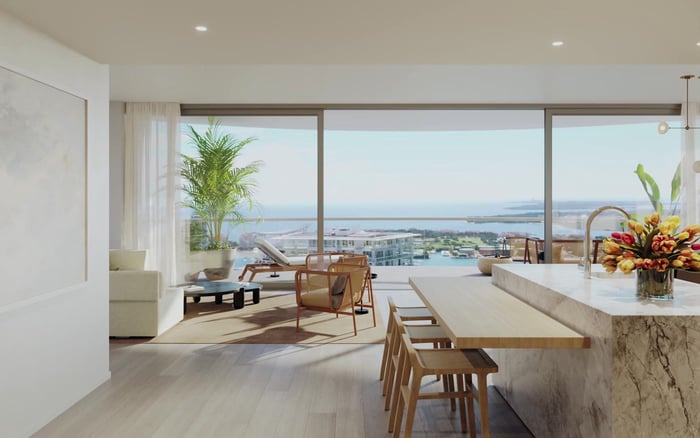
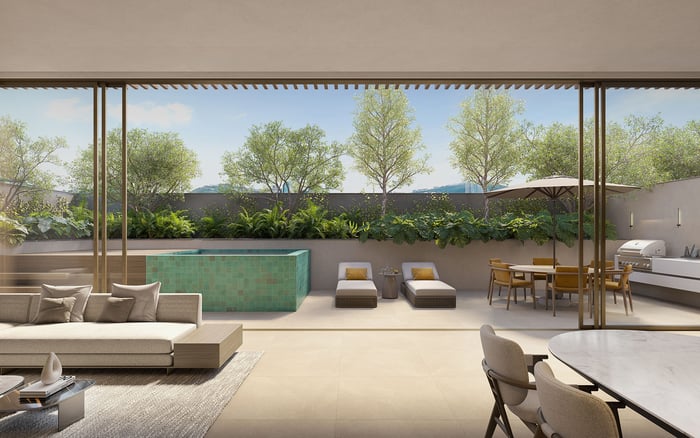
Outdoor livability: Outdoor space is no longer a marketing accessory. It is an extension of the interior program. Buyers want terraces that can host, dine, and decompress, with usable proportions and a realistic sense of wind and sun comfort.
Acoustics and calm: A penthouse should feel quieter than the rest of the building. That includes sound from mechanical equipment, rooftop amenities, and adjacent structures. Calm is not a buzzword at this level. It is a daily deliverable.
Management quality: A penthouse can be undermined by a building that runs inconsistently. Buyers notice lobby staffing, the tone and consistency of security, how maintenance requests are handled, how the property communicates, and how rules are enforced. Operational excellence is part of the asset.
Resale logic: Even when a buyer expects to hold long term, they consider who the next buyer could be. Highly personalized layouts, extreme design decisions, or unusual access conditions can narrow the future pool. The best penthouses balance identity with broad desirability.
A Penthouse can photograph beautifully and still fail the livability test. In 2026, the top floor that performs best will be the one that feels intuitive day after day.
Start with separation of public and private zones. Buyers want entertaining areas that feel grand, but they also want bedrooms, studies, and wellness spaces that feel protected. A true primary suite is expected to function like a private wing, with a rhythm that works at night, in the morning, and during busy weekends with guests.
Ceiling height gets attention, but the higher-value question is how volume is used. The strongest penthouses emphasize light, proportion, and clean circulation. Overly complex interiors can read as costly to maintain and difficult to furnish, even when the finishes are exceptional.
Storage is a quiet differentiator. Luxury buyers travel, collect, and entertain. If the residence lacks appropriate space for wardrobe, seasonal items, art handling, and entertaining equipment, the compromise becomes obvious quickly. The more discreet the storage, the more effortless the home feels.
Kitchen strategy has also matured. Some buyers want an open, social kitchen that anchors the home. Others prefer a more concealed setup that keeps entertaining pristine. Either can succeed, but the Penthouse should support the owner’s style without forcing a single way of living.
Finally, “wow” has to be sustainable. The view from the living room matters, but so does the view from a desk, a bath, and the primary bedroom. When the daily moments feel elevated, not just the first impression, the buyer experiences the home as a genuine upgrade.
In many towers, there are effectively two markets: High-floors that deliver horizon-level views and privacy, and everything else. This is not a criticism of lower residences, many are extraordinary. It is a description of buyer psychology and how scarcity forms within a single address.
High-floors create a perception of separation from street-level activity. That separation can translate into a calmer lifestyle, which is precisely what many second-home and privacy-focused buyers crave. It also changes the relationship to light, weather, and skyline, which can make the residence feel more like a retreat than an apartment.
At the same time, elevation can amplify practical concerns. Wind exposure, terrace usability, and the feel of arrival all matter. A penthouse that is too high for its own good, where outdoor space becomes symbolic instead of functional, may be less compelling than a slightly lower home with a better terrace experience.
There is also a social component. Some buyers love the idea of being on top. Others prefer discretion, choosing a residence that feels rare but not performative. In 2026, the best outcomes are likely to favor penthouses that deliver privacy and comfort more than theater.
For sellers, the comparison set is broader than the units below. Penthouse buyers measure your home against both vertical and horizontal options. The question is whether the residence competes with a waterfront estate on the dimensions that matter most: calm, privacy, outdoor living, and operational ease.
South Florida’s penthouse story is not a single-neighborhood narrative. It is a corridor narrative, with distinct submarkets offering different versions of luxury, and different definitions of what “top floor” should feel like.
In Brickell, the appeal often comes from a blend of urban energy and water views, with an emphasis on arrival, service, and proximity to dining and culture. Buyers looking here tend to value a residence that feels modern, efficient, and elevated in every sense. The best penthouses in this context are not just large. They are tightly considered, with strong privacy, predictable operations, and a sense of calm that contrasts with the activity below.
For a neutral reference point in this corridor, explore The Residences at 1428 Brickell. Even without making assumptions about specific layouts or amenities, it represents the forward-facing Brickell conversation many top-floor buyers are having right now: how a building will feel to live in, how it will age, and whether it can deliver quiet luxury as a daily reality, not just a strong first impression.
Across the water, Miami-beach speaks a different language. Here, penthouse identity often centers on lifestyle and the intangible value of proximity to sand, iconic hospitality, and a cinematic sense of place. Buyers may care less about commuting logic and more about the ritual of ocean air, morning walks, and entertaining guests who want to be near the coastline.
What connects these submarkets is the same calculus: how rare is the top floor, and how completely does it solve the buyer’s priorities? In both locations, the most desired homes tend to deliver a complete sentence of luxury: privacy, durable views, outdoor space that is genuinely usable, and a building operation that feels confident.
A penthouse tour should feel inspiring. Your due diligence should feel methodical. In 2026, buyers who move decisively are often the ones with a clear framework, so they can separate true rarity from expensive noise.
Use this checklist to keep the process crisp:
Arrival sequence: Does the transition from curb to residence feel private and controlled? Would you feel comfortable arriving alone at night or during a busy weekend?
Elevator experience: Does the system support discretion for owners and guests? Even without knowing the exact mechanics, you can assess whether arrivals feel exposed or managed.
Terrace reality: Step outside and evaluate wind, shade, and furniture planning. Imagine how you will use the space on an ordinary day, not only on a perfect day.
Sightlines: Check what you see from the kitchen, primary bedroom, and baths. A penthouse that only has one heroic view angle can disappoint over time.
Mechanical and rooftop adjacency: Ask how rooftop equipment and amenities are positioned relative to the residence. Quiet can be as valuable as a view.
Layout flexibility: Can the home adapt if your lifestyle changes? Think about work-from-home needs, wellness routines, and hosting.
Service culture: Pay attention to staff demeanor, maintenance quality, and how the building presents itself. A penthouse should be matched by an operation that respects it.
Policy fit: Confirm rules that affect daily life, including guest handling, renovation procedures, and building access protocols. Policies can shape your experience as much as finishes do.
Long-term desirability: Consider what makes the home irreplaceable. Is it purely size, or is it a unique combination of view, privacy, and outdoor living that would be hard to find again?
If 2026 does become a record-setting year for top-floor sales, it will likely be because buyers decide the very best penthouses are worth paying for, even when the broader market is selective. The penthouse that wins is not the one with the loudest narrative. It is the one that delivers the cleanest lifestyle, with the fewest compromises, and with operations that protect the experience.
What makes a penthouse feel truly private? A private penthouse usually combines a controlled arrival sequence, limited adjacent foot traffic, and an interior plan that keeps bedrooms and terraces away from shared building activity. Privacy is also operational: staffing, elevator protocols, and consistent rule enforcement can matter as much as floor level.
How should I compare a penthouse to a waterfront single-family home? Compare the day-to-day experience, not just the size. Evaluate security, maintenance burden, outdoor living, and how often you entertain. Many buyers choose vertical living when the building can deliver estate-like privacy with lower operational friction.
Are High-floors always better for resale? Not always. High-floors can command a premium when the view and privacy are durable and the outdoor areas remain usable. A slightly lower penthouse with a stronger terrace experience or a more functional plan can be more liquid over time.
What should I confirm before making an offer? Confirm how arrivals are handled, what building policies will affect your daily life, and how the residence relates to rooftop elements. Also consider how customized the interior is, since extreme personalization can narrow the next buyer pool.
For private guidance on evaluating South Florida’s top-floor opportunities in 2026, connect with MILLION Luxury.
If branded residences are on your mind — as a home or as an allocation — we would be glad to share what we are seeing, privately.
Begin a quiet conversation