A discreet buyer’s guide to evaluating Fort Lauderdale condos through the lens of pet access, association rules, elevator routines, service design, and daily convenience.
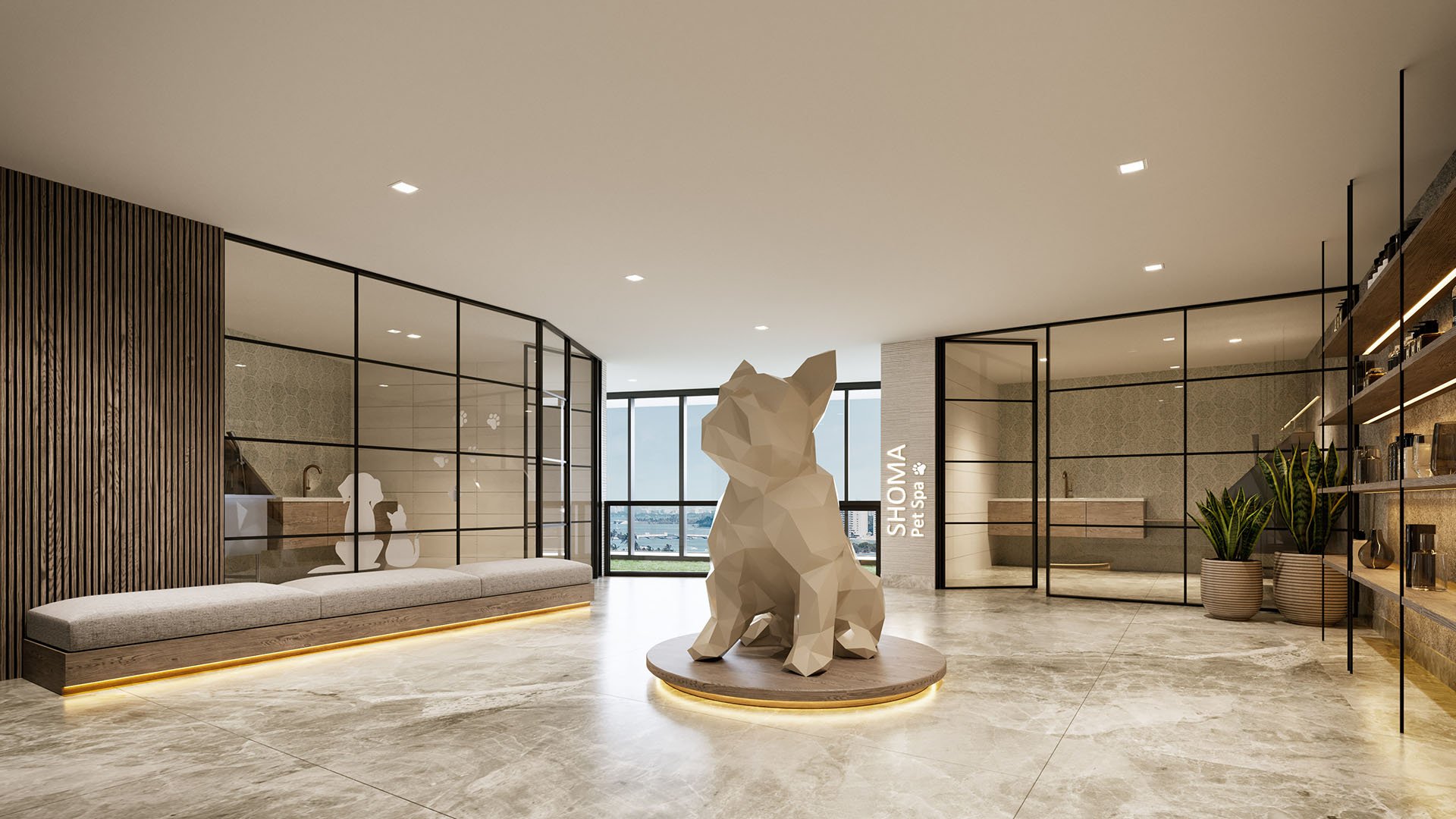
In Fort Lauderdale’s luxury condo market, pet ownership is not a footnote to the purchase. It is a daily operating system. Even a beautiful residence can feel inefficient if the elevator path is awkward, the association rules are unclear, or the building’s service culture treats pets as an exception rather than an expected part of private life.
For buyers with dogs, cats, or multiple animals, the priority is not simply whether a building allows pets. The deeper question is whether the property supports the rhythm of living well with them. That means examining written policies, owner access, staff protocols, arrival sequences, relief routines, grooming logistics, and the subtle etiquette of shared residential space.
In practical shorthand, this is a Fort Lauderdale and Broward search shaped by pets, privacy, and daily movement. The right building makes ownership feel composed. The wrong one turns small routines into recurring friction.
Pet rules should be reviewed before a buyer becomes attached to a floor plan. Luxury buildings often operate under association documents, house rules, and management practices that can affect the number, size, breed, and registration requirements for animals. Even when a property appears welcoming, the details matter.
A disciplined buyer should request the governing documents early, then confirm how the rules are applied in real life. Ask whether pets must be registered, whether veterinary records are required, whether there are limits by weight or breed, and whether visiting pets are treated differently from resident pets. If the residence will be used seasonally, confirm whether rules differ for guests, family members, or household staff.
This is where discretion is useful. A pet-friendly building is not necessarily a permissive building. In the upper tier, the best experience often comes from clarity, not looseness. Owners benefit when expectations are defined and consistently enforced.
For pet owners, access is not abstract. It is the route from the residence to the outdoors at 7 a.m., after dinner, during rain, and when household staff are assisting. The most important questions are practical: Which elevator may be used with pets? Is there a service elevator requirement? Are pets allowed through the main lobby? Where is the nearest approved exit? Is the path shaded, covered, direct, or circuitous?
In a waterfront and beach-oriented city, buyers may be tempted to focus on views first. Yet the true luxury is a route that feels natural several times a day. A beautiful lobby loses some of its charm if the approved pet path is confusing or socially uncomfortable.
Buildings such as Andare Residences Fort Lauderdale and Sixth & Rio Fort Lauderdale sit within the broader conversation about how Fort Lauderdale buyers evaluate convenience, urban access, and private residential routine. The due diligence is not about assuming a policy. It is about aligning the building’s daily circulation with the owner’s actual habits.
Pet-friendly language can be attractive, but pet-functional living is more rigorous. A pet-functional condo accounts for ordinary moments: a muddy paw after a walk, a delivery arriving while the dog is unsettled, an elevator ride with neighbors, or a late-night return from travel.
Buyers should look for operational ease. Is there a place to pause without blocking the lobby? Does the elevator arrangement reduce tension with other residents? Are common areas maintained in a way that reflects responsible pet ownership? Is there a clear process if a pet sitter, walker, trainer, or groomer needs access?
A dog park may be valuable to some owners, but it should not be the only measure. Many sophisticated buyers prefer calm, controlled access over overt amenities. For an older dog, a short and predictable route may matter more than a branded pet feature. For a high-energy dog, proximity to open space and reliable walking patterns may carry more weight than interior finishes.
The upper end of the market is increasingly judged by how seamlessly a property handles daily service. For pet owners, this includes front desk awareness, package and food delivery protocols, access for approved caregivers, and coordination when the owner is away.
A buyer should understand how management handles recurring visitors. If a dog walker will arrive each weekday, is there a formal authorization process? Can access be limited to specific times? Will staff notify the owner upon arrival? If a groomer, trainer, or veterinarian visit is scheduled, where do they enter and wait?
These questions are not minor. They define whether the residence supports a high-trust lifestyle. In branded or service-forward environments such as Four Seasons Hotel & Private Residences Fort Lauderdale, buyers often approach the search with heightened expectations for hospitality, privacy, and consistency. The important step is still verification. Service reputation and pet logistics must meet in the documents and in the lived routine.
Fort Lauderdale’s outdoor lifestyle is part of the appeal, but pet owners should think beyond postcard proximity. A residence near sand, waterfront paths, or active streets may still require careful planning around association rules, municipal rules, weather, surface temperatures, traffic, and crowd patterns.
Beach access can be a lifestyle advantage, yet it does not replace a clear daily relief strategy. Buyers should ask where pets may be walked, how quickly they can reach that area, and whether the path remains comfortable during busy hours. A waterfront address may be serene from the balcony while the street-level routine feels active. Conversely, a less dramatic view may be attached to a more graceful daily walk.
At projects such as St. Regis® Residences Bahia Mar Fort Lauderdale, the buyer’s analysis should remain grounded in use. How does the owner move from residence to outdoor space? How does staff coordination work? What is convenient in January, August, and during a storm? The most refined purchase is the one that anticipates ordinary days, not only arrival moments.
Inside the residence, pet ownership changes how finishes are read. Flooring, terrace access, thresholds, laundry placement, storage, and acoustic separation can all influence comfort. A glossy surface may photograph beautifully but require more upkeep with paws. A long hallway may be elegant but amplify sound. A terrace may be visually appealing, yet its safety, railing design, and access rules should be reviewed carefully.
Buyers should also consider where pet supplies will live. Food storage, leashes, grooming tools, carriers, litter solutions, medications, and cleaning products all need a place. In a luxury residence, the goal is not to display the infrastructure of pet life. It is to absorb it quietly.
For multiple pets, the plan becomes even more important. Separate feeding areas, private resting zones, and resilient materials can support a calmer home. The strongest layouts make the pet routine feel integrated rather than improvised.
Before moving from interest to commitment, pet owners should assemble a precise checklist. Confirm the current rules in writing. Ask whether any rule changes are pending. Review fees, deposits, registration requirements, and enforcement procedures. Understand elevator use, lobby access, outdoor routes, sitter protocols, and any limits on guests with animals.
It is also wise to speak in scenarios. Instead of asking, “Is the building pet-friendly?” ask, “If my dog walker comes at noon each weekday, how is access handled?” Instead of asking, “Are large dogs allowed?” ask for the exact written standard and the approval process. Specific questions produce specific answers.
The best Fort Lauderdale condo for a pet owner is not necessarily the one with the longest amenity menu. It is the one where rules, access, service, and residence design form a quiet, reliable system.
What is the first pet-related item to review in a Fort Lauderdale condo search? Review the association documents and house rules before focusing on views or finishes. Written policies should guide the rest of the evaluation.
Is “pet-friendly” enough when comparing luxury condos? No. Buyers should confirm the number of pets allowed, size standards, approval process, elevator rules, and daily access routes.
Why does elevator policy matter so much for pet owners? Elevator rules shape the daily rhythm of walks, visitors, and service providers. A convenient policy can make the residence feel substantially more livable.
Should buyers ask about dog walkers and pet sitters before purchase? Yes. Access for recurring caregivers should be clearly authorized, documented, and practical for both the owner and building staff.
Do pet amenities matter more than location? Not always. A calm, direct walking route may be more valuable than a visible amenity that is inconvenient or rarely used.
How should owners evaluate beach or waterfront proximity with pets? They should confirm the approved walking routes and realistic daily conditions. Proximity alone does not guarantee convenience.
Are pet rules usually negotiable in condo buildings? Buyers should assume written rules control the experience. Any exception should be confirmed formally before relying on it.
What interior features help pet owners most? Durable flooring, smart storage, easy-clean surfaces, and practical access to laundry or utility areas can make daily care feel discreet.
Can a seasonal owner manage pets smoothly in a condo? Yes, if access permissions, caregiver protocols, and guest rules are established in advance. Seasonal use makes clarity even more important.
What defines the best Fort Lauderdale condo for a pet owner? The best fit combines clear rules, graceful access, reliable service, and interiors that absorb pet life elegantly.
When you're ready to tour or underwrite the options, connect with MILLION.
If branded residences are on your mind — as a home or as an allocation — we would be glad to share what we are seeing, privately.
Begin a quiet conversation