A buyer-focused comparison of Four Seasons Hotel & Private Residences Fort Lauderdale and Fendi Château Residences Surfside through the practical lens of chef-ready kitchens, catering circulation, private dining-room governance, and event operations.
For buyers comparing Four Seasons Hotel & Private Residences Fort Lauderdale with Fendi Château Residences Surfside, the question is not simply which residence appears more polished at cocktail hour. The sharper test is operational: can the home support a private chef, a catered dinner, a wine-forward reception, or a multi-course family celebration without turning the owner’s privacy into the evening’s logistical casualty?
That is where due diligence becomes more revealing than finishes. A kitchen may be described as gourmet, but serious entertaining depends on prep space, plating sequence, service access, cleanup rhythm, vendor controls, and the ability to move food, flowers, glassware, wine, rentals, and waste without disturbing residents or guests. In South Florida’s oceanfront buildings, humidity, ventilation, odor control, HVAC capacity, and waste routing are not secondary details. They are part of the entertaining infrastructure.
This comparison is especially useful because the two properties may operate under different assumptions for buyers. Four Seasons Hotel & Private Residences Fort Lauderdale should be reviewed through the lens of how private ownership interfaces with any available building or hospitality service systems. Fendi Château Residences Surfside should be reviewed through the lens of residence-level kitchen design, building rules, and the approval process for outside vendors.
At Four Seasons Hotel & Private Residences Fort Lauderdale, the due-diligence lens starts with interface. For an entertaining household, the value proposition is not only the private residence itself, but whether it can connect gracefully to any available food-and-beverage operations, staff circulation, service protocols, and residence delivery options permitted under the building’s rules.
A buyer should ask how a catered dinner would actually unfold. Can an on-site team support a private residence event, or must the owner bring in a separate private chef? Are building-approved staff required, optional, or unavailable for certain types of private functions? If food is prepared outside the residence, how does it travel upstairs, and who controls timing, temperature, presentation, and cleanup?
The answers matter because service integration is never automatic. It must be confirmed in the governing documents, management rules, and practical walk-throughs. The owner who entertains frequently should inspect the path from loading area to service elevator to residence entry. Staff routing, delivery windows, vendor check-in, rental drop-off, floral installation, wine delivery, and trash removal may determine whether a dinner feels effortless or improvised.
This is where hotel-residence thinking becomes useful, while avoiding assumptions about specific services until they are verified. The buyer is evaluating a private home that may interact with a hospitality ecosystem. That requires questions about privacy, priority, fees, scheduling, and whether any building or hospitality teams are available for resident events. For a Fort Lauderdale buyer who entertains often, the invisible back-of-house choreography can be as valuable as the visible view.
Fendi Château Residences Surfside should be evaluated with particular attention to residence-level kitchen functionality, private entertaining policies, and the building’s approach to third-party chefs and caterers. Instead of assuming access to an on-site hospitality kitchen, buyers should verify how private dining is handled through the residence, amenity spaces, and building management.
For Fendi Château buyers, the first kitchen question is practical. Is the kitchen a working chef’s kitchen, or is it principally a presentation kitchen designed around aesthetics? A beautiful island, elegant cabinetry, and sculptural lighting may create a seductive first impression, but formal entertaining asks harder questions: where does prep happen, where are hot items held, where is glassware staged, how does staff circulate, and can cleanup occur without crossing the social space too often?
The second question is governance. Are outside private chefs allowed? Must they provide insurance, registration, licenses, or advance notice? How does building management handle vendor arrival, elevator access, guest lists, equipment delivery, alcohol service, and departure? In a Surfside residence where discretion is part of the appeal, the best entertaining plan is one that feels residential rather than event-like.
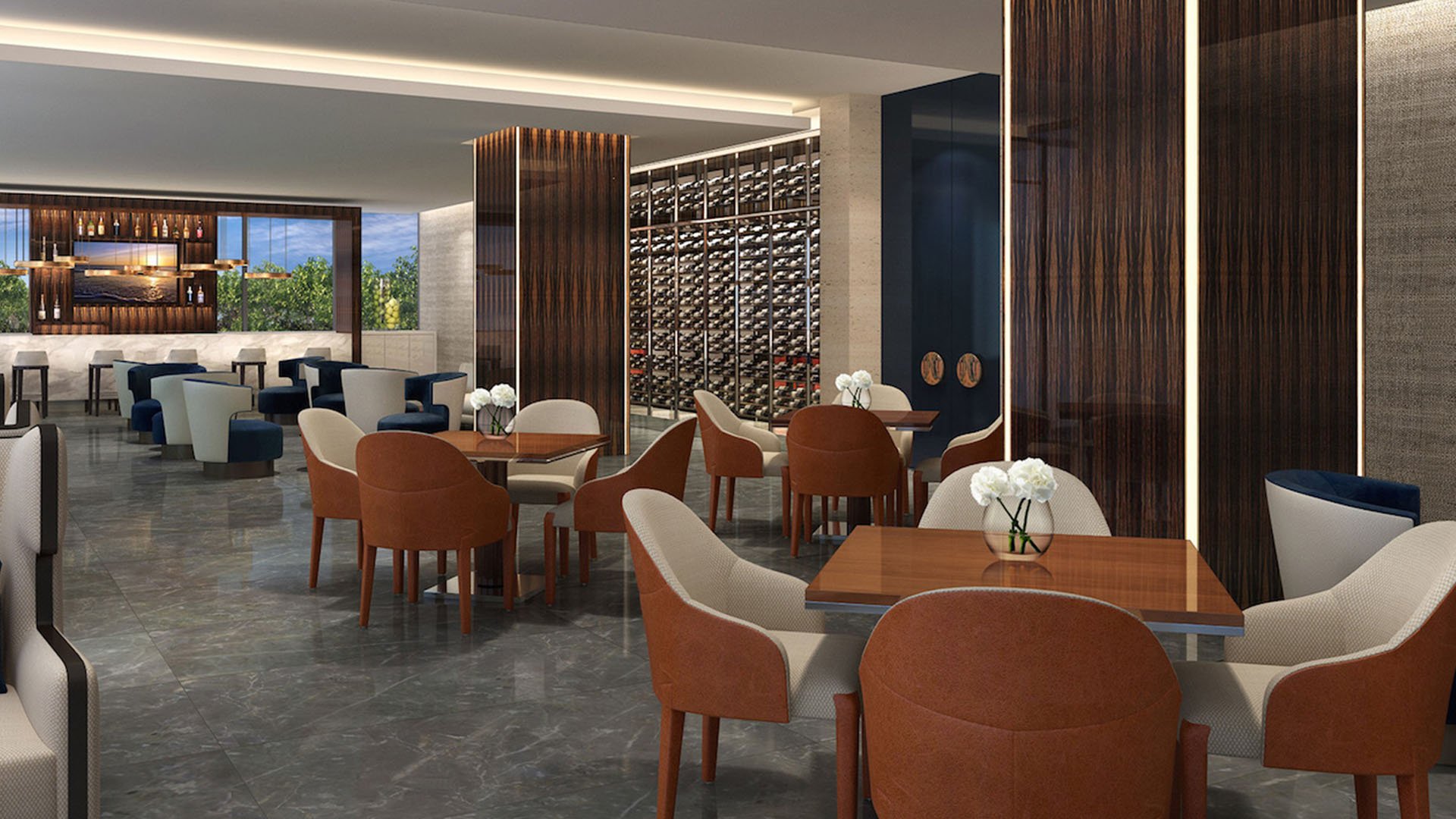
Private dining-room utility at Fendi Château also depends on rules that are sometimes more important than décor. Seating capacity, reservation windows, noise limits, staffing permissions, catering support, cleanup logistics, and access for outside vendors all influence whether the room works for intimate dinners or larger resident gatherings. The space may be exquisite, but usefulness comes from policy as much as atmosphere.
Across both properties, buyers should resist the temptation to treat the kitchen as an isolated luxury object. Chef-ready performance is not proven by appliance names alone. It is proven by sequence: delivery, storage, prep, cooking, plating, service, clearing, waste, ventilation, and reset.
In a private residence, a formal dinner often strains the floor plan in subtle ways. Staff may need a place to stand without hovering. Caterers may require temporary staging. Flowers and rentals may arrive hours before guests. Wine may need to be received separately from food. Trash and recycling may need to move out quickly after dessert. If every task crosses the owner’s main living area, even the most glamorous kitchen can become operationally weak.
At Four Seasons, the buyer should test how much of this sequence can be supported by building or hospitality infrastructure and what costs or restrictions apply. At Fendi Château, the buyer should test how much can be absorbed by the residence and building policies. Both approaches can work beautifully for the right household, but they require different assumptions.
A private dining room or amenity dining salon can be a decisive feature for buyers who host. Yet the room itself is only the beginning. Before closing, a buyer should request the rules for reservations, maximum guest counts, event hours, alcohol service, staffing, outside vendors, cleanup, deposits, damages, and any food-and-beverage requirements.
At Four Seasons Fort Lauderdale, the key question is whether resident events can use any building or hospitality food-and-beverage teams, and whether those teams are required or simply an option. If required, the buyer should understand menus, pricing, timing, and exclusivity. If optional, the buyer should confirm how outside vendors are managed alongside building operations.
At Fendi Château, the emphasis shifts to residential governance. If an owner prefers a favored private chef, the building’s approval process, insurance requirements, and access controls become essential. A private dining room that does not allow the owner’s preferred staffing model may be less useful than expected.
The Four Seasons Hotel & Private Residences Fort Lauderdale profile may appeal to buyers who value service integration, formal protocols, and a hospitality framework that could assist with in-residence entertaining if permitted. The due diligence is to verify exactly how the private residence connects to that framework.
Fendi Château Residences Surfside may appeal to buyers who prize residential exclusivity, design-led atmosphere, and a more private ownership environment. The due diligence is to verify whether the residence, amenity spaces, and building rules support the owner’s preferred chef, caterer, and event style.
Neither model is inherently superior. For the buyer who hosts serious dinners, the best building is the one whose kitchen specifications, private dining rooms, loading access, back-of-house circulation, ventilation, vendor rules, and management culture operate as one system.
Is Four Seasons Fort Lauderdale better for catered events? It may offer an advantage if building or hospitality-service integration is available, but buyers should confirm exactly what support is permitted for residences.
How should buyers evaluate Fendi Château Residences Surfside? Buyers should focus on residence-level kitchen functionality, private dining policies, vendor approval rules, and how entertaining works in practice.
What is the biggest kitchen question for either property? Whether the layout supports prep, plating, service, cleanup, and staff movement during formal entertaining.
Should buyers ask about service elevators? Yes. Service-elevator access, delivery windows, and staff routing can matter as much as kitchen finishes.
Can outside private chefs be used at Fendi Château? Buyers should confirm building rules, insurance requirements, registration procedures, and vendor-access controls before closing.
Why does ventilation matter on the beachfront? Humidity, cooking odors, HVAC demand, and waste movement can affect comfort during chef-heavy use and catered events.
Are private dining rooms always useful? Only if the reservation rules, seating capacity, staffing permissions, cleanup logistics, and event hours fit the owner’s needs.
What should Four Seasons buyers ask about event staffing? They should ask whether building-approved or hospitality-trained staff are required, optional, or unavailable for private residence events.
What is the risk of a presentation kitchen? It may look exceptional but lack the staging, circulation, and cleanup functionality required for serious entertaining.
When should these questions be asked? They should be addressed before closing through documents, management conversations, and practical site inspection.
When you're ready to tour or underwrite the options, connect with MILLION.
If branded residences are on your mind — as a home or as an allocation — we would be glad to share what we are seeing, privately.
Begin a quiet conversation