A buyer-focused guide to restaurant access, nonresident guest flow, privacy, and wellness due diligence in South Florida luxury residential buildings.
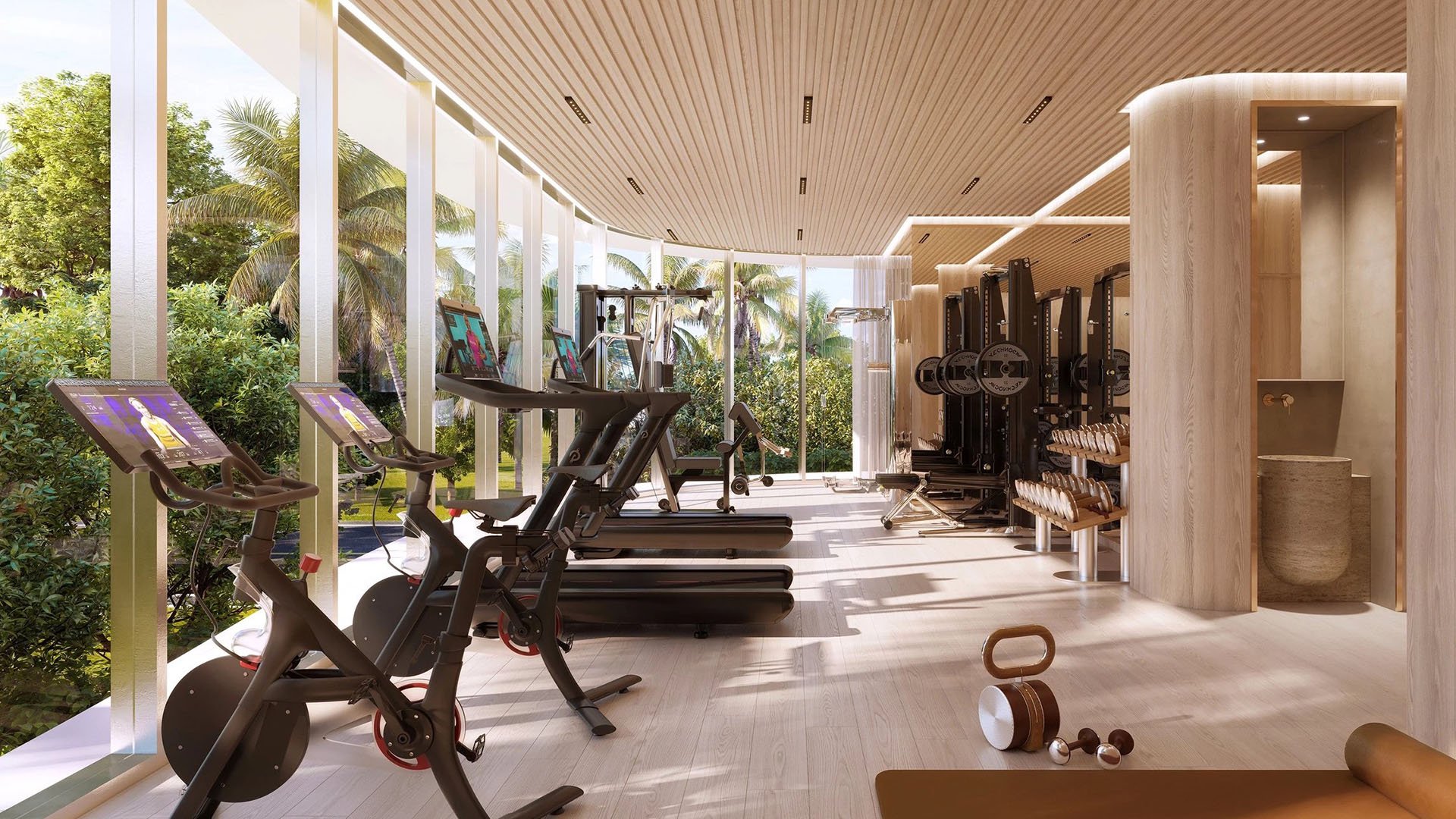
For many South Florida buyers, wellness is no longer confined to a spa room, a cold plunge, or a sunrise-facing fitness studio. It is the texture of daily life: how quietly an owner arrives home, how predictably a routine unfolds, and how much control a household has over the spaces around it. That is why restaurant access for nonresidents deserves careful attention before signing, especially in buildings where hospitality, dining, private clubs, or public-facing venues are part of the lifestyle proposition.
A restaurant can be an exceptional amenity. It can make weeknight dinners effortless, create a gracious sense of arrival, and bring social energy to a property. But for a wellness-focused owner, the essential question is not simply whether a restaurant exists. It is how it is accessed, who may use it, when guests may arrive, and how their movement is separated from residential life.
In a market where buyers weigh waterfront privacy, branded service, architectural pedigree, and neighborhood character, dining access belongs in the same due diligence as view corridors or parking. A buyer considering Brickell, Miami Beach, Bay Harbor Islands, Coconut Grove, or Fort Lauderdale should understand the operational choreography before becoming attached to the renderings.
Nonresident access is not inherently negative. Some owners want a property with a lively, hospitality-driven pulse. Others want a residence that feels as private on Friday night as it does on Tuesday morning. The difference often lies in circulation.
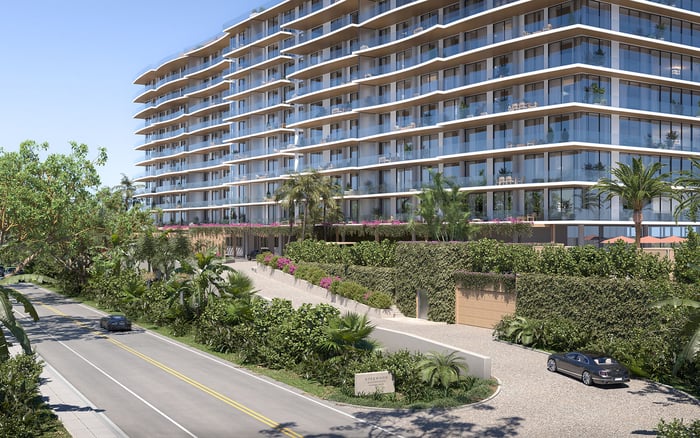
Ask how restaurant patrons arrive. Do they use a separate entrance, a dedicated elevator, a distinct valet flow, or a shared lobby sequence? If guests pass through residential areas, the owner should understand how that affects quiet, security, and the feeling of home. If the restaurant has its own route, the experience may feel more contained.
The same applies to service movement. Deliveries, staff access, waste removal, late seating, ride-share pickups, and private events all have operational rhythms. A wellness buyer should review whether those rhythms intersect with the resident experience. In some buildings, the restaurant may feel like an elegant extension of the property. In others, it may create a more active atmosphere than expected.
This is where lifestyle becomes a serious underwriting category. The right restaurant arrangement can support ease and vitality. The wrong one can disrupt sleep, privacy, or the calm that justified the purchase.
Buyers often assume that living above or beside a restaurant automatically means preferred access. That may not always be true. Before signing, clarify whether residents receive priority reservations, private dining privileges, in-residence dining options, or special event access. Equally important, ask whether nonresidents can reserve the same spaces at the same times.
A resident-priority policy can feel very different from a restaurant that primarily serves the outside public. A members-only model can feel different from a high-traffic destination venue. Even within the same building, breakfast, lunch, dinner, weekend brunch, and private events may each follow their own pattern.
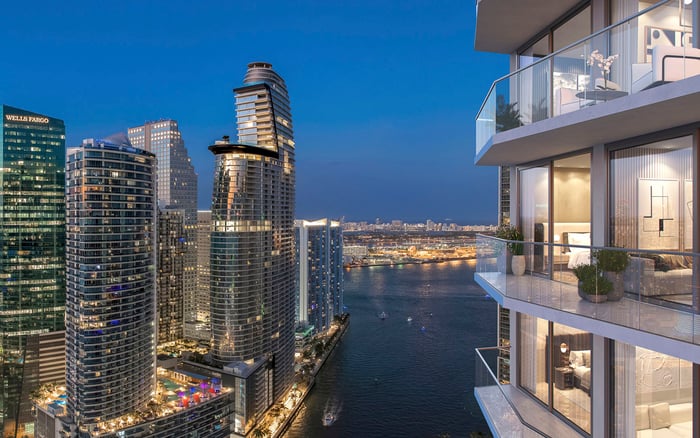
For Brickell buyers comparing urban energy with personal sanctuary, projects such as ORA by Casa Tua Brickell make the dining-access conversation especially relevant. The point is not to presume the operating model. The point is to ask, in writing, what privileges belong to owners, what access is available to nonresidents, and how conflicts are handled.
Wellness-focused owners tend to be sensitive to the full sensory field of a property. Restaurant access can influence more than foot traffic. It can shape sound, scent, lighting, arrival congestion, and the emotional pace of common areas.
A calm lobby with soft arrivals creates one kind of residential experience. A building with evening dining energy creates another. Neither is universally better. What matters is alignment. A buyer who entertains often, enjoys spontaneous dinners, and values a social atmosphere may find restaurant activity highly desirable. A buyer seeking retreat, early sleep, meditation routines, or a quiet family schedule may prefer more separation.
Ask about hours of operation, outdoor seating, music policies, event programming, and the location of mechanical equipment. Ask where guests wait if tables are delayed. Ask how valet overflow is handled. These are not minor operational details. They are the practical conditions that determine whether a residence feels restorative.
In Miami Beach, where coastal quiet and social glamour can sit close together, buyers looking at residences such as The Ritz-Carlton Residences® Miami Beach should treat privacy and circulation as part of the same review as floor plan, exposure, and terrace depth.
Sales language can suggest a mood. Governing documents define rights. Before signing, buyers should ask counsel to review the condominium documents, association rules, easements, shared-use agreements, licenses, and any operating provisions connected to restaurant areas. The goal is to understand what can change, who controls it, and how residents are protected.
Key questions include whether the restaurant space is part of the condominium, owned separately, leased to an operator, or governed through shared facilities. Ask who pays for shared maintenance, security, utilities, and valet infrastructure. Ask whether the association has approval rights over restaurant hours, signage, music, exterior seating, and private events.
If an operator changes, the lifestyle can change with it. A quiet dining room can become a more energetic concept. A resident-oriented venue can become more public. The documents should reveal whether owners have meaningful control or only limited influence.
In Bay Harbor Islands, where boutique scale can be central to the appeal, properties such as The Well Bay Harbor Islands and Bay Harbor Towers illustrate why buyers should ask how intimate residential environments preserve their sense of discretion when amenities or nearby venues attract outside guests.
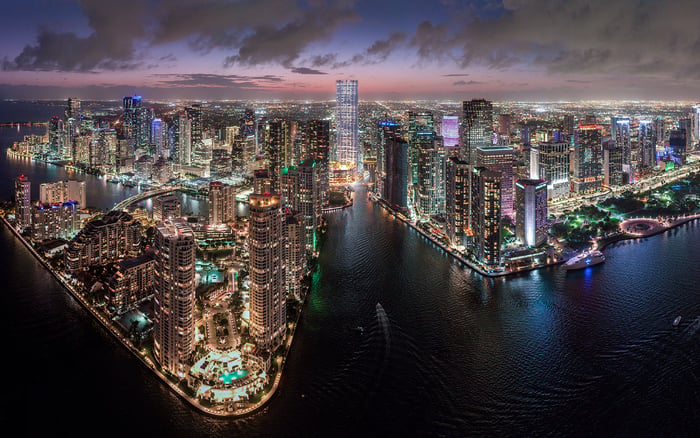
South Florida neighborhoods each carry a different tempo. Brickell is vertical and urban. Miami Beach blends resort energy with residential enclaves. Bay Harbor Islands often appeals to buyers seeking quieter scale. Edgewater, Coconut Grove, Fort Lauderdale, and Boca Raton each offer their own rhythm.
Still, neighborhood reputation should not replace property-level review. A calm district can contain a busy venue. A high-energy district can contain a remarkably private residential sequence. What matters is the building’s design, legal structure, and operating culture.
For buyers considering waterfront urban living, Villa Miami is the type of residence that should prompt careful questions about how hospitality, arrival, and privacy are balanced. The best purchase decisions come from understanding how daily life will actually work, not from assuming that a brand, address, or rendering answers every operational question.
Before committing, ask for a written explanation of restaurant access for residents, guests, and nonresidents. Request clarity on entrances, elevators, valet, service corridors, restrooms, outdoor areas, and after-hours procedures. Review whether restaurant patrons can access residential amenity levels, terraces, pool decks, lounges, or private club spaces.
Ask how reservations are prioritized and whether resident privileges can be changed. Confirm whether private events can occur, how often they may be scheduled, and what notice residents receive. Understand whether music, amplified sound, outdoor dining, and late-night operations are restricted.
Visit the property location, or a comparable setting, at different times of day if possible. Morning calm, lunch activity, dinner arrivals, and weekend evenings can feel entirely different. For new construction or pre-construction, ask the sales team to walk through the planned circulation as if you were arriving home during the busiest dining period.
The most elegant answer is not always the most restrictive. It is the one that matches the owner’s life. For some, a well-managed restaurant is the essence of convenience. For others, the highest luxury is never sharing the threshold of home with anyone who does not live there.
Why should wellness-focused buyers care about nonresident restaurant access? Because guest flow, noise, valet activity, and shared spaces can influence privacy, sleep, routine, and the feeling of retreat at home.
Is a restaurant in a luxury residence always a drawback? No. It can be a meaningful convenience when access, circulation, and resident privileges are clearly structured.
What should I ask before signing a contract? Ask who may use the restaurant, which entrances they use, how reservations work, and whether patrons share any residential areas.
Should restaurant privileges be confirmed in writing? Yes. Verbal assurances are not a substitute for written rules, governing documents, or contract-level clarity reviewed by counsel.
Can nonresident access affect resale value? It can affect buyer perception, especially for purchasers who prioritize privacy, quiet, and a controlled arrival experience.
Are branded residences more likely to include public dining? Not necessarily. Each property has its own legal structure, hospitality model, and access rules, so buyers should review the specifics.
What is the most important operational detail? Circulation is critical: separate entrances, elevators, valet routes, and service paths can preserve the residential atmosphere.
How does this differ for Brickell versus Miami Beach? The neighborhood tempo may differ, but the decisive issue is still how the individual building separates public and private use.
Should I visit at night before buying? If possible, yes. Evening and weekend conditions can reveal arrival patterns, sound levels, and the true energy around dining spaces.
What is the best way to shortlist comparable options for touring? Start with location fit, delivery status, and daily lifestyle priorities, then compare stacks and elevations to validate views and privacy.
For a tailored shortlist and next-step guidance, connect with MILLION.
If branded residences are on your mind — as a home or as an allocation — we would be glad to share what we are seeing, privately.
Begin a quiet conversation