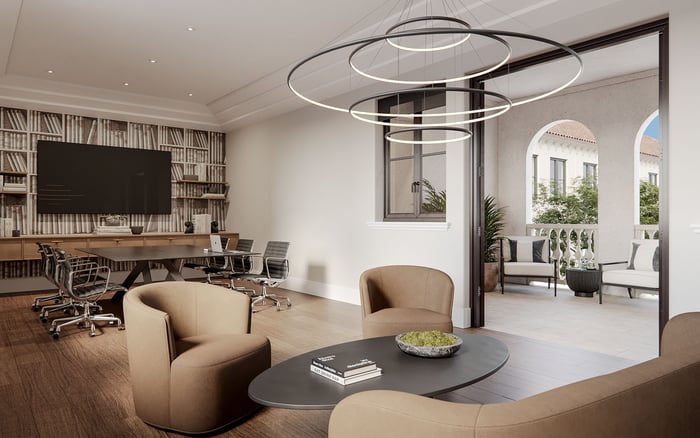
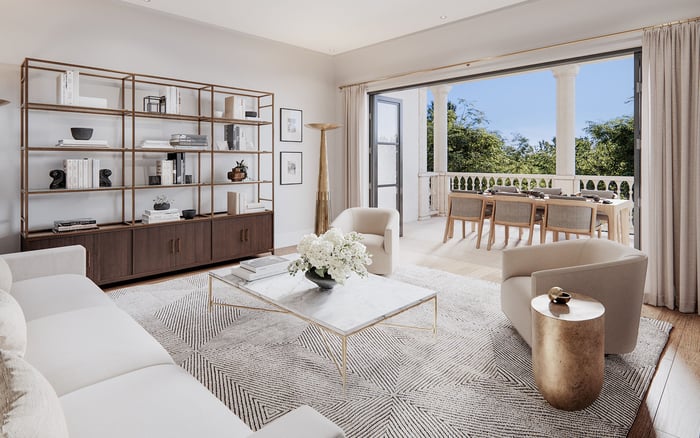
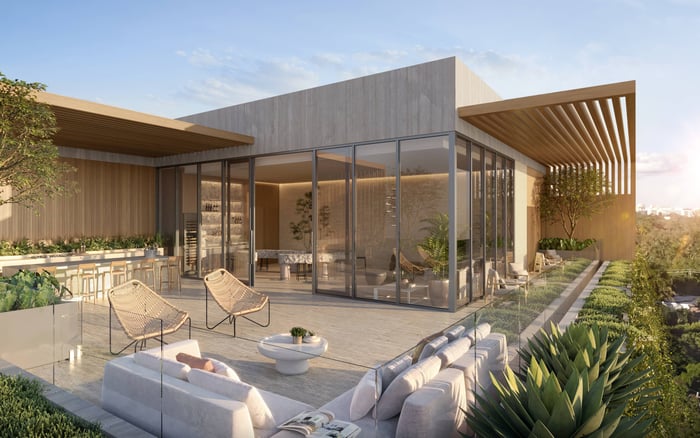
A buyer-focused look at why The Village at Coral Gables stands out for luxury purchasers who value residential culture, daily functionality, and permanence over resort-style spectacle.
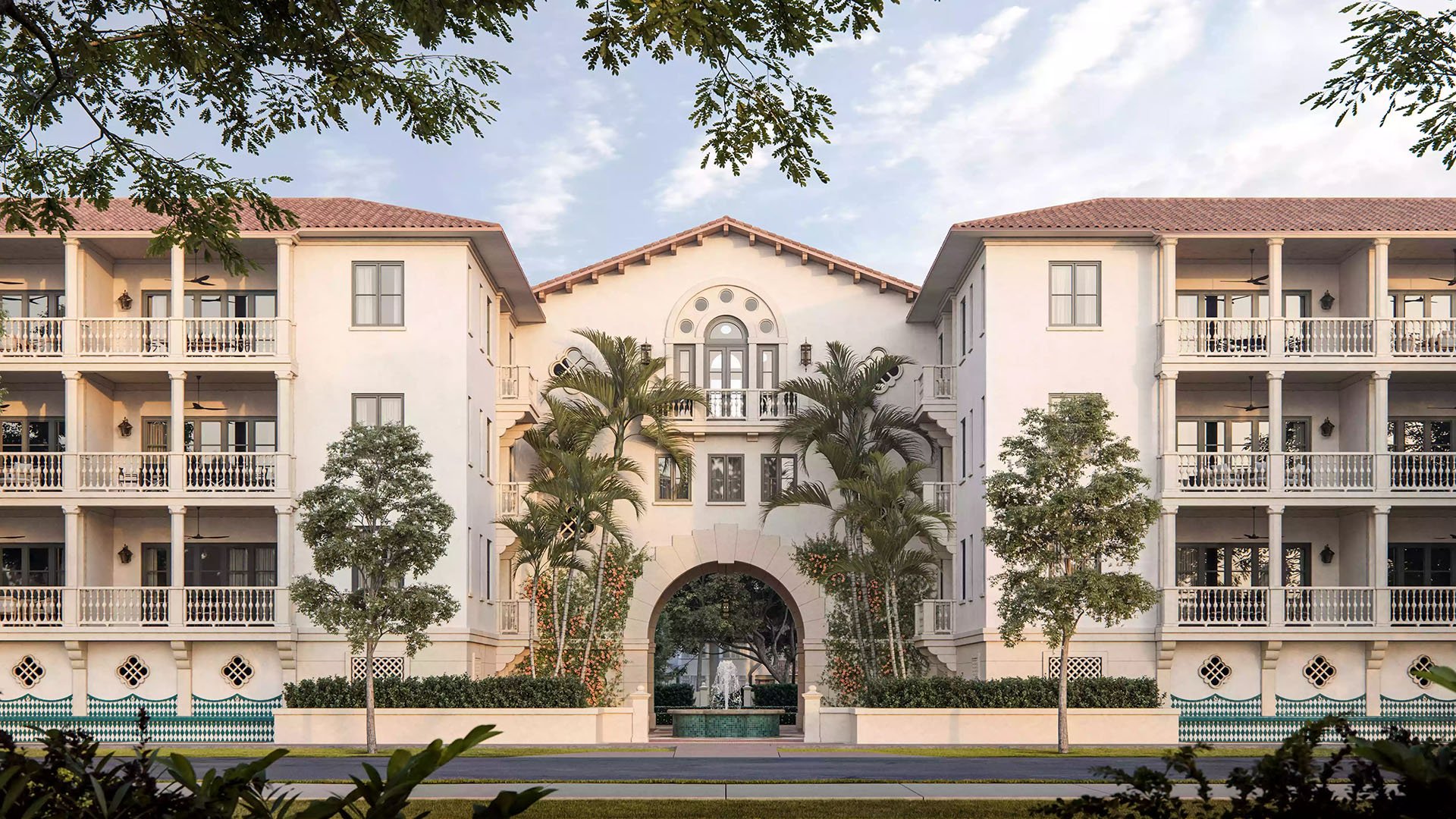
For luxury buyers, the first impression of a residence is often visual: architecture, finishes, arrival sequence, landscaping, and amenities. Yet the decision to live somewhere full time depends on a quieter test. Does the building support ordinary life with grace, consistency, and discretion?
That is the lens through which The Village at Coral Gables deserves attention. Its appeal is not merely that it is a luxury residential development in Coral Gables. The more meaningful point is that it is positioned for buyers considering a primary South Florida home, rather than a purely seasonal perch or resort-style address.
In practical terms, building culture is the lived experience created by design, resident mix, management expectations, amenity behavior, and rules around shared spaces. It determines whether a lobby feels like a private residential threshold or a hotel lobby. It shapes whether pool areas, corridors, parking, deliveries, and guest policies feel orderly or transient. For full-time owners, those details become daily reality.
The Village at Coral Gables is best understood as a low-scale alternative to the high-rise, investor-oriented luxury buildings that define parts of Greater Miami. That distinction matters for buyers leaving a single-family home, a lower-density community, or an established neighborhood where people understand how the place is meant to be used.
The project’s positioning is residential rather than resort-style. That does not make amenities unimportant. It means they should be judged through a full-time lens: how they function on weekdays, how loud shared spaces become, how predictable maintenance feels, and whether the property culture supports residents who are actually at home most of the year.
This is where the word boutique has value beyond marketing. A lower-scale residential environment can make daily life feel more legible. It can reduce the anonymity that sometimes follows large tower living. It may also appeal to families, professionals, and long-term owners who want the stability of neighbors rather than the constant churn of short-stay energy.
A primary residence should be evaluated differently from a second home. The strongest decisions often come from testing less visible factors before being seduced by obvious ones. For The Village at Coral Gables, five lenses are especially useful.
First, spatial functionality. Full-time living asks more of a residence than weekend occupancy. Buyers should study parking convenience, storage options, acoustic comfort, kitchen ergonomics, laundry flow, and whether work-from-home areas can function without compromising the rest of the plan.
Second, operations and services. A building that feels refined on a tour must also function smoothly on an ordinary Tuesday. Service reliability, package handling, maintenance standards, and the tone of management all shape whether luxury feels effortless or performative.
Third, governance and community norms. Association rules, guest expectations, noise culture, amenity etiquette, and turnover patterns affect quality of life more than most brochures can express. A well-run residential culture is often quiet, but it is never accidental.
Fourth, neighborhood context. The surrounding city should support full-time life, not just occasional enjoyment. Coral Gables brings an established, orderly, year-round residential character that strengthens the case for buyers prioritizing permanence.
Fifth, long-term resilience. Buyers should think beyond the closing. A residence meant for daily life should continue to make sense as routines evolve, children grow, work patterns change, and South Florida ownership becomes less about novelty and more about stability.
The Village at Coral Gables cannot be separated from Coral Gables itself. The city’s architectural coherence, neighborhood scale, and year-round residential identity are central to the argument. For buyers who do not want a transient resort district, that setting is a meaningful advantage.
Coral Gables has long appealed to purchasers who value order, greenery, civic rhythm, and a sense of place. A buyer considering Cora Merrick Park or Ponce Park Coral Gables may already be responding to that same preference: luxury integrated into a mature residential city rather than designed primarily as spectacle.
For townhouse-minded buyers, this context is especially important. The transition from a single-family home to a luxury residence is not only about square footage. It is about privacy, parking, storage, pet routines, guests, groceries, school-week schedules, and the ability to live without feeling managed by a vacation atmosphere. The Village at Coral Gables belongs on the shortlist because its premise is compatible with that daily rhythm.
South Florida offers many versions of luxury, and none is universally superior. A waterfront tower, a branded residence, a resort-style building, and a low-scale neighborhood residence can all be excellent choices for different lives. The key is alignment.
A buyer drawn to the energy of Brickell might compare the daily cadence around 2200 Brickell with the more residential posture of The Village at Coral Gables. A purchaser considering the village-like feel of Coconut Grove might also look at Arbor Coconut Grove as part of a broader search for scale, greenery, and neighborhood continuity.
Those comparisons are useful because they reveal priorities. If a buyer wants brand theater, skyline drama, or a highly animated amenity deck, another address may be the better fit. If the priority is a building culture that feels stable, neighborly, and suited to ordinary life, The Village at Coral Gables becomes more compelling.
Lifestyle value, in this context, is not measured by how impressive a residence appears during a showing. It is measured by how well it supports mornings, evenings, errands, remote work, family visits, pets, meals, exercise, and quiet. Full-time luxury is cumulative. It is built from the absence of friction.
The Village at Coral Gables belongs on the shortlist for buyers who define luxury as permanence, ease, and residential integrity. Its strongest argument is cultural: a low-scale Coral Gables setting, a primary-residence orientation, and a lived environment intended to feel genuinely residential rather than hotel-like.
That does not eliminate the need for careful due diligence. Buyers should ask direct questions about association rules, service standards, maintenance protocols, acoustic expectations, guest policies, and how shared spaces are intended to be used. The right purchase decision comes from matching the property’s culture to the owner’s real life.
For those seeking a full-time South Florida home, the question is not simply whether The Village at Coral Gables is luxurious. The better question is whether its form of luxury is the one a buyer wants to inhabit every day. For many discerning purchasers, that is exactly why it deserves a serious place on the shortlist.
Why is The Village at Coral Gables relevant for full-time buyers? It is positioned as a luxury residential development for buyers considering a primary South Florida home, not simply a seasonal residence.
What does building culture mean in this context? It refers to the daily experience shaped by design, resident mix, management norms, amenity use, and shared-space rules.
Is The Village at Coral Gables more residential than resort-style? Its positioning emphasizes everyday residential use over occasional lock-and-leave occupancy or hotel-like energy.
Why does low-scale design matter to some luxury buyers? Low-scale environments can feel more intimate and less anonymous than large towers, especially for long-term owners.
What should buyers evaluate beyond finishes? Parking, storage, acoustic comfort, kitchen function, work-from-home usability, service reliability, and maintenance standards all matter.
Why is Coral Gables important to the argument? Coral Gables offers an established, orderly, year-round residential setting that supports full-time routines.
Is this a good fit for buyers leaving single-family homes? It may be, especially for buyers who want a more residential culture and neighborhood scale rather than resort spectacle.
Should buyers ask about association rules? Yes. Rules around guests, noise, shared spaces, and maintenance help define whether the building culture fits daily life.
How should buyers compare it with high-rise options? They should compare not only views and amenities, but also resident turnover, privacy, service tone, and everyday convenience.
What is the best way to shortlist comparable options for touring? Start with location fit, delivery status, and daily lifestyle priorities, then compare stacks and elevations to validate views and privacy.
To compare the best-fit options with clarity, connect with MILLION.
If branded residences are on your mind — as a home or as an allocation — we would be glad to share what we are seeing, privately.
Begin a quiet conversation